Enhancing Memory Retention through Jigsaw Puzzles: A Cognitive Approach
Discovering the Hidden Benefits of Jigsaw Puzzles
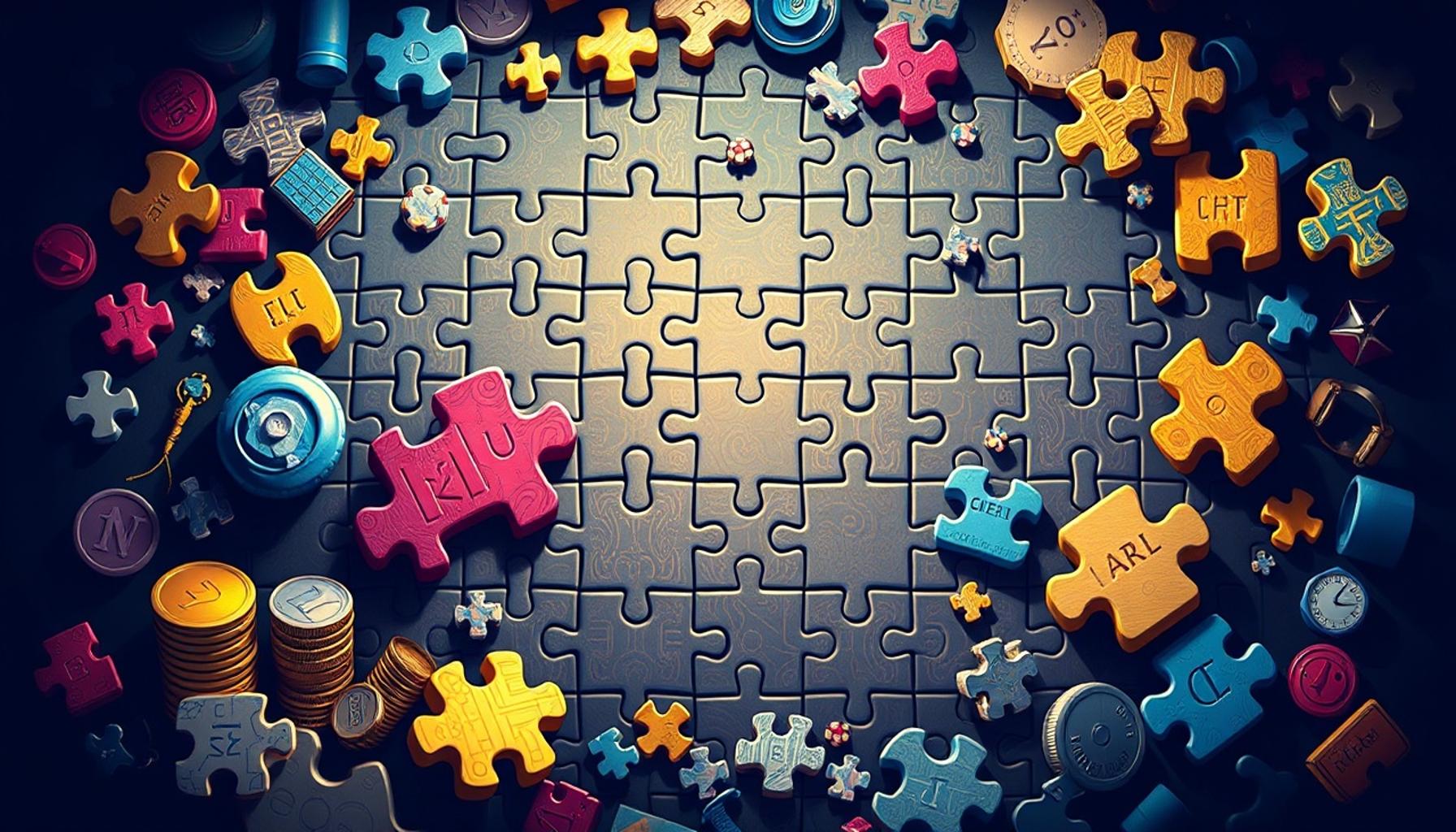
Engaging in jigsaw puzzles is often dismissed as mere entertainment. However, new research suggests that these colorful, fragmented images do much more than captivate our attention. They may be powerful tools for enhancing memory retention.
The Cognitive Benefits of Jigsaw Puzzles
Assembling jigsaw puzzles involves a variety of cognitive processes, each contributing to significant improvements in memory skills. Here are some of the notable benefits:
- Visual-Spatial Skills: Puzzles require you to have a keen sense of spatial awareness and visualization. By manipulating pieces to find their correct spot, you’re reinforcing connections in the brain associated with visual and spatial reasoning. This kind of mental exercise can be likened to engaging in sports or dancing, as both require coordination and a strong sense of space.
- Problem-Solving: Jigsaw puzzles push us to strategize and think critically, enhancing our ability to recall information. As you work through a puzzle, you’re constantly assessing where each piece fits, which in turn sharpens your analytical skills. This is particularly beneficial for students and professionals alike, as strong problem-solving skills are essential in academia and the workplace.
- Focus and Concentration: Completing a puzzle fosters a deep sense of focus, which can translate to better memory performance. Many people find that immersing themselves in a puzzle provides a meditative escape from the fast-paced world. This practice of concentration can lead to improved attention spans and better performance in tasks that require sustained focus.
Why Jigsaw Puzzles Appeal to All Ages
The charm of jigsaw puzzles lies in their universal appeal. From children honing their motor skills with basic puzzles to seniors engaging in cognitive exercises with complex designs, puzzles are an inclusive activity that spans generations. For example, a grandparent and grandchild working together on a colorful, 1,000-piece landscape puzzle can forge connections while simultaneously enriching their respective cognitive abilities.
What makes these puzzles particularly effective in boosting memory retention is how they challenge the brain while still being enjoyable. The gradual satisfaction of connecting just one piece can be a motivating reward in itself, stimulating the brain’s reward system.
Let’s Dive Deeper
With a blend of fun and cognitive exercise, it’s worth exploring how jigsaw puzzles can be integrated into daily routines. Research has shown that regularly completing puzzles can help slow cognitive decline in older adults and improve short-term memory among individuals of all ages. Incorporating these activities into your day, whether through family game nights or solitary puzzle-solving sessions, offers an opportunity for mental growth.
This article will uncover the science behind their effectiveness and provide insights on maximizing their potential for memory enhancement. It promises to be an exciting exploration of puzzles as not only a pastime but a beneficial exercise for our minds.
DIVE DEEPER: Click here to discover more
Unlocking the Mechanisms of Memory Retention
To fully appreciate how jigsaw puzzles enhance memory retention, it is crucial to understand the intricate mechanisms behind cognitive function. Memory is not a singular entity; rather, it consists of various types, including short-term memory, which holds information temporarily, and long-term memory, which stores information more permanently. Assembling jigsaw puzzles engages several processes that improve both types of memory through multi-faceted cognitive involvement.
Engaging Multiple Cognitive Functions
Jigsaw puzzles are unique in their ability to engage several cognitive functions at once. This engagement promotes neural connections that enhance memory retention. Here are some of the cognitive functions involved:
- Memory Encoding: As you fit pieces together, your brain encodes spatial relationships and visual patterns, allowing for deeper retention of information. These encoded patterns serve as mental references that can be recalled later.
- Memory Retrieval: While solving a puzzle, you may find yourself recalling previous experiences or knowledge related to similar images, which strengthens your retrieval abilities. This interplay between memory encoding and retrieval enhances overall cognitive flexibility.
- Attention Span: Working diligently on a puzzle encourages sustained attention, making it easier to absorb and retain information. This developed focus is particularly beneficial in today’s distraction-laden environment.
The Scientific Backing
Numerous studies underline the cognitive advantages of engaging in puzzles. Research published in the journal Cognitive Processing points to improvements in memory retention and problem-solving abilities resulting from routine puzzle assembly. Participants who regularly engaged in puzzles were found to have a significant increase in both visual memory and spatial reasoning skills, critical components of memory retention.
One standout study from a leading educational institution monitored the cognitive performance of adults over a seven-month period, revealing that those who participated in weekly puzzle activities demonstrated better memory recall and cognitive agility compared to their peers who did not.
Incorporating Puzzles into Daily Life
Given their cognitive benefits, incorporating jigsaw puzzles into daily routines could have a positive impact on memory retention. Simple strategies such as challenging friends or family with new puzzles, setting aside time during the week for solo puzzle-solving sessions, or integrating puzzles into family gatherings can make learning fun while enhancing mental acuity. For example, a simple 500-piece puzzle can provide hours of engaged activity that sharpens memory and problem-solving skills.
In summary, jigsaw puzzles act as a powerful tool for boosting memory retention through their ability to engage multiple cognitive processes simultaneously. Understanding and applying these mechanisms in everyday life can pave the way for improved memory function and overall cognitive health.
Enhancing Cognitive Abilities with Jigsaw Puzzles
Engaging in jigsaw puzzles is more than just a recreational activity; it serves as a beneficial exercise for the brain. When individuals tackle a puzzle, they are challenged to think critically and strategically, which enhances various cognitive functions. This includes improved problem-solving skills, as participants must visualize the final image and determine how the pieces fit together. Additionally, the process of piecing together jigsaw puzzles stimulates brain activity, promoting the growth of new neural connections.Moreover, jigsaw puzzles require sustained attention and concentration, which can aid in strengthening memory retention. This cognitive exercise not only helps with recognizing patterns and improving spatial awareness but also enhances the ability to retain and recall information effectively. Studies suggest that regularly working on puzzles can slow cognitive decline in older adults by keeping the brain engaged and active.Through a deeper understanding of how jigsaw puzzles impact cognitive function, individuals can harness their potential as tools for memory retention and mental agility. As more research emerges, the connection between playful activities and enhanced brain health becomes increasingly clear, leading to a greater appreciation of puzzles as an enriching pastime.
DIVE DEEPER: Click here to discover more about mind puzzles in team building
Benefits Beyond Memory: Emotional and Psychological Advantages
While the cognitive benefits of jigsaw puzzles are commendable, their influence extends to emotional and psychological well-being as well. Engaging in puzzling activities not only acts as a significant booster for memory retention but also promotes mental resilience, stress relief, and emotional balance.
Stress Reduction and Relaxation
In a fast-paced world where stress is often a constant companion, jigsaw puzzles offer a much-needed respite. The act of concentrating on fitting pieces together allows individuals to redirect their thoughts, creating a form of mental escape that can alleviate anxiety. Research shows that engaging in leisure activities such as puzzles can lower cortisol levels, a primary stress hormone. This calming effect promotes a serene mental state, facilitating improved cognitive function and memory retention.
Social Interaction and Bonding
The social aspect of puzzle-solving cannot be overlooked. Working on a jigsaw puzzle with friends or family fosters cooperation, communication, and collective problem-solving. This enriching interaction not only enhances memory retention through collaborative learning but also strengthens relationships. Engaging in such activities can have a profound impact on emotional health, providing individuals with a sense of belonging and connection.
Enhanced Problem-Solving Skills
Jigsaw puzzles sharpen both analytical thinking and problem-solving skills. As individuals encounter challenges in finding the right pieces, they develop a greater ability to navigate and resolve obstacles in various contexts beyond the puzzle itself. This skill is invaluable; studies suggest that improved problem-solving capacities can translate into more effective decision-making in work and life situations, reinforcing the idea that memory retention through puzzles serves a greater purpose.
Exploring Various Types of Puzzles for Different Learning Styles
Adapting jigsaw puzzles to individual learning styles can further enhance memory retention. There is a wide variety of puzzles available, catering to different preferences. For instance, traditional jigsaw puzzles focus on visual memory, while 3D puzzles offer a spatial experience that may appeal to kinesthetic learners.
- Visual Learners: These individuals may benefit more from complex images and colorful designs. Puzzles depicting landscapes or artwork can stimulate visual processing, making memory retention more effective.
- Auditory Learners: Incorporating sound can enhance the puzzling experience. Listening to music or audiobooks while assembling puzzles can help these learners associate auditory cues with visual memory, optimizing retention.
- Kinesthetic Learners: For individuals who learn best through hands-on experience, tactile puzzles or even larger, piece-based activities can be advantageous. Engaging physically allows for a deeper understanding and memory retention of spatial relationships.
The Role of Age in Puzzle Engagement
Interesting findings from studies reveal that engagement with jigsaw puzzles varies across age demographics. Younger adults often favor puzzle activities as a form of entertainment, while older adults tend to utilize puzzles as cognitive exercises to maintain mental sharpness. Research from various gerontology studies suggests that seniors who engage regularly in puzzles show a marked improvement in memory retention and cognitive functioning, supporting their mental agility well into later years.
As we explore the multifaceted benefits of jigsaw puzzles, it becomes clear that they extend beyond mere entertainment. Their ability to engage cognitive functions, alleviate stress, foster social connections, and accommodate diverse learning styles reaffirms their significance in enhancing memory retention in all age groups. Such insights compel individuals to integrate jigsaw puzzles into their daily routines, promoting a holistic approach to cognitive and emotional well-being.
DISCOVER MORE: Click here to dive deeper
Conclusion: The Last Piece of the Puzzle
In embracing the profound cognitive benefits offered by jigsaw puzzles, it is evident that these engaging activities serve as a remarkable tool for enhancing memory retention. By intertwining visual stimulation, problem-solving challenges, and emotional support, jigsaw puzzles cater to diverse learning styles and age groups alike. As we have explored, the mental engagement required during puzzling not only fosters better memory recall but also strengthens cognitive abilities and emotional resilience.
The stress-relieving nature of puzzles makes them an ideal pastime in today’s fast-paced environment, allowing individuals to find solace while nurturing their brains. Coupled with the advantages of shared experiences—where collaboration enhances both social bonds and learning processes—jigsaw puzzles stand out as an inclusive form of entertainment that benefits individuals of all ages.
Furthermore, as our understanding of cognitive health continues to evolve, integrating jigsaw puzzles into daily activities aligns with a proactive approach to maintaining mental acuity. It encourages users to challenge their minds while simultaneously enjoying the process. As you consider incorporating puzzles into your life, whether for individual enjoyment or as a family activity, remember that the journey of piecing together a beautiful image mirrors our quest for lifelong learning and memory enhancement.
Thus, the multifaceted advantages of jigsaw puzzles deserve recognition, prompting further exploration into how these delightful challenges can elevate our cognitive and emotional well-being. It is time to reconnect with the joys of puzzling—and to piece together our understanding of memory retention through this captivating approach.
Related posts:
The Benefits of Riddles in Enhancing Logical Reasoning and Analytical Skills
The Impact of Sudoku on Cognitive Flexibility and Problem-Solving Skills
The Impact of Sudoku on Cognitive Flexibility and Problem-Solving Skills
The Connection Between Chess and Emotional Intelligence: A Cognitive Perspective
How Memory Palaces Can Enhance Cognitive Skills Through Visualization Techniques
Unlocking Creativity with Brain Teasers: The Role of Divergent Thinking

Linda Carter is a writer and puzzle expert specializing in mind games, brain teasers, and cognitive challenges. With extensive experience helping individuals enhance their problem-solving skills and think critically, Linda shares her knowledge on our platform. Her goal is to empower readers with practical advice, engaging puzzles, and strategies to sharpen their minds and achieve success in the captivating world of mind games and puzzles.