How Strategy Board Games Enhance Critical Thinking and Decision-Making Skills
The Power of Strategy Board Games
In our fast-paced, technology-laden world, the importance of honing our cognitive abilities often gets overshadowed by digital distractions. However, the resurgence of strategy board games has provided a remarkable platform for individuals to improve their critical thinking and decision-making skills through immersive play. These games transport players into intricate scenarios where they must devise tactical approaches that go beyond mere entertainment, ultimately fostering cognitive skills that are transferable to real-world situations.
Enhancing Problem-Solving Skills
At the heart of strategy board games lies the essential skill of problem-solving. Players are frequently faced with complex challenges that require quick thinking and creative solutions. For instance, in games like Settlers of Catan, players must figure out how to build settlements and trade resources while anticipating their opponents’ strategies. This not only engages their minds but also fosters an ability to think several steps ahead, understanding that success often hinges on overcoming obstacles presented by fellow players.
The Art of Strategic Planning
Strategic planning is integral to many board games. Players must develop a long-term vision that encompasses both offensive and defensive maneuvers. In a game such as Risk, players must meticulously coordinate troop movements and alliances while being flexible enough to adapt to unforeseen changes. This skill transcends gameplay; it trains individuals to think critically about their goals, devise contingency plans, and stay agile amidst challenges—qualities that are invaluable in careers where strategic vision is key.
Boosting Analytical Thinking
Moreover, engaging with strategy games enhances analytical thinking. Players learn to assess risks and rewards, evaluating potential outcomes of their choices. The game of Chess, for example, epitomizes this. Each move requires players to anticipate their opponent’s responses and consider the broader implications of their actions on the board. Such experiences cultivate a refined decision-making process, encouraging players to weigh evidence and think critically under pressure.
Fostering Teamwork and Collaboration
Research further supports the notion that strategy board games foster teamwork and collaboration, essential elements in both academic and professional environments. Engaging groups in these games can promote communication skills and develop trust among team members. Whether it’s negotiating trades in Catan or forming alliances in Risk, players learn how to work with others towards a common goal, a lesson that resonates in workplaces where collaboration is increasingly vital.
In conclusion, as we continue to explore the multifaceted benefits of strategy board games, it becomes evident that they offer more than just leisure; they are tools for personal and social development. The skills gained through such play not only enhance cognitive abilities but also prepare individuals for the complexities of modern life. So whether you’re a seasoned gamer or a casual player, embracing the world of strategy board games can unlock potential you never knew existed.
DISCOVER MORE: Click here to learn how strategy games enhance your critical thinking
Unlocking Cognitive Potential through Gameplay
Strategy board games are not simply sources of entertainment; they serve as robust platforms for enhancing critical thinking and decision-making skills. Players engage in rich narratives where each choice carries weight, and outcomes depend on a combination of tactical planning and rapid adaptability. By delving into these complex game mechanics, individuals sharpen their ability to analyze situations, predict consequences, and formulate strategic responses.
The Role of Logic and Critical Assessment
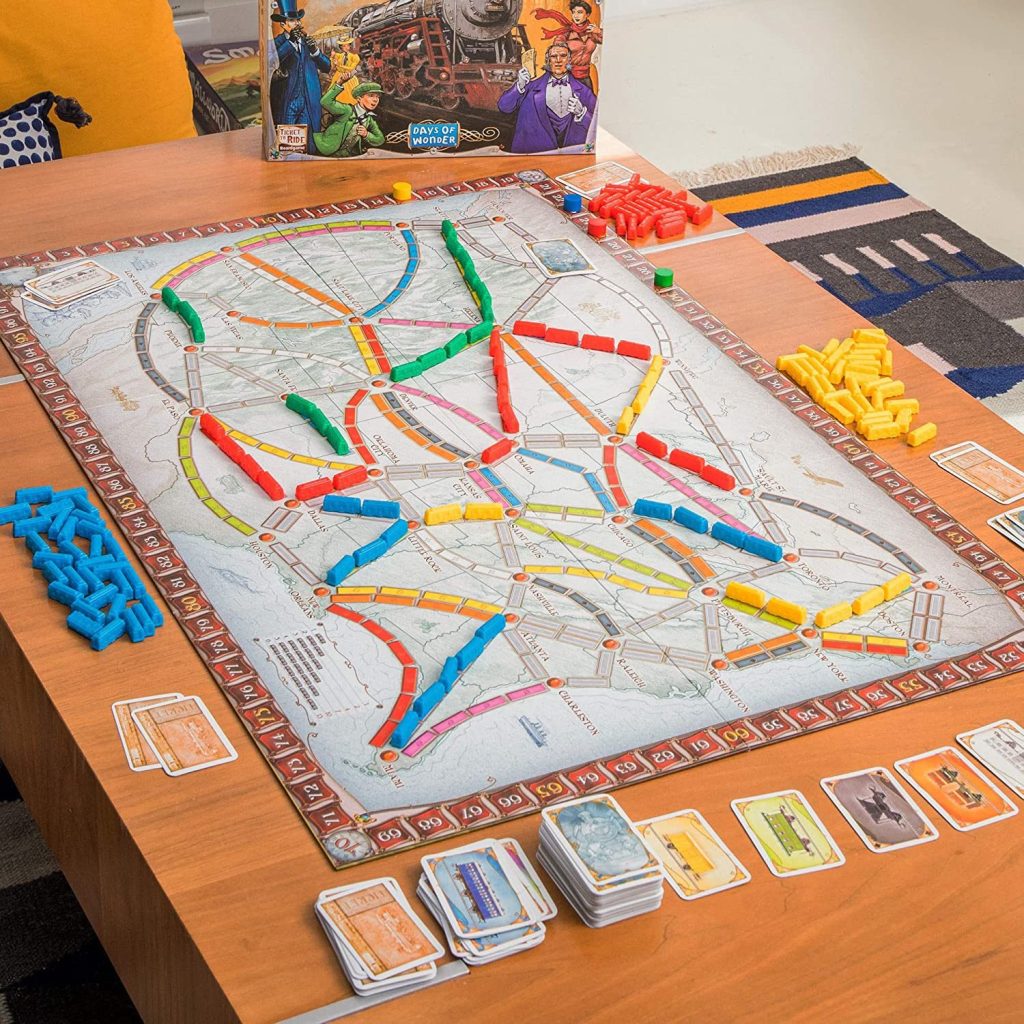
One of the most compelling aspects of strategy board games is their reliance on logic and critical assessment. Whether negotiating resources in Carcassonne or positioning armies in Ticket to Ride, players must rigorously evaluate their circumstances and make informed decisions based on limited information. This practice enhances cognitive flexibility, as participants learn to adjust their strategies in reaction to opponents’ moves or unexpected developments within the game.
Encouraging Risk Evaluation
In strategy board games, the concept of risk evaluation becomes paramount. Players frequently make choices that involve weighing the potential benefits against the risks associated with their actions. For instance, in games like Pandemic, players must balance the urgency of controlling infections while managing resources. This constant interplay between risk and reward allows players to develop crucial skills in assessing probabilities, ultimately teaching them to make sound decisions in real-life scenarios. Here are some key aspects of risk evaluation gained through gameplay:
- Identifying Potential Hazards: Players learn to recognize areas of vulnerability that could jeopardize their plans.
- Weighing Outcomes: Each decision forces players to contemplate potential outcomes, fostering a habit of deliberation.
- Mitigating Risks: Strategy games encourage players to formulate adaptive strategies that minimize potential setbacks.
Learning from Failure
Another significant advantage of engaging in strategy board games is the opportunity to learn from failure. Unlike traditional educational settings where mistakes can be stigmatized, these games encourage a culture of trial and error. Each misstep becomes a lesson, empowering players to rethink their strategy and approach challenges from new angles. For instance, if a player loses in a game like Chess, they often examine their moves to understand their mistakes, ultimately leading to improved performance in future games. This experiential learning approach cultivates a mindset geared towards continuous improvement and resilience.
In summary, the world of strategy board games offers more than just a fleeting pastime; it is a rich terrain for developing essential cognitive skills such as logical reasoning, risk evaluation, and the ability to learn from one’s mistakes. As these games become increasingly popular across diverse demographics in the United States, their potential as tools for enhancing critical thinking and decision-making skills is becoming clear. Engaging with these games can prepare players not only for future game nights but also for the complex challenges and decisions that life presents.
Exploring the Mechanics of Strategy Board Games
Strategy board games serve as a captivating arena for developing critical thinking and decision-making skills. These games compel players to analyze intricate scenarios, predict opponents’ moves, and craft adaptive strategies, thereby fostering a proactive mindset. Renowned titles like Chess, Settlers of Catan, and Risk create environments where every decision carries weight, allowing players to experience the consequences of their choices directly, thus enhancing their understanding of cause and effect relationships.
Interpersonal Interactions and Team Dynamics
Playing strategy board games often involves collaboration and competition, leading to enriched interpersonal skills. Participants must communicate effectively, negotiate, and persuade others to garner support or hinder opponents. This dynamic provides a real-time training ground for emotional intelligence, as players learn to read expressions, assess body language, and interact with different personalities. Through this interaction, players hone essential skills such as teamwork and conflict resolution, integral components of effective decision-making in both personal and professional spheres.
| Category | Advantages |
|---|---|
| Enhanced Problem Solving | Players engage in diverse scenarios that require innovative solutions, stimulating critical thinking. |
| Risk Assessment | Participants evaluate potential risks and rewards of each move, informing their decision-making process. |
Diverse Strategic Approaches
Different strategy board games introduce varying mechanics and thematic elements, allowing players to explore multiple strategic approaches. For instance, abstract games like Go emphasize territory control and resource management, while narrative-driven games might require players to immerse in storytelling, fostering creativity alongside analytical skills. These varied experiences prepare players to approach real-world problems from multiple angles, broadening their understanding of strategic planning and execution. As individuals encounter unfamiliar contexts, their adaptability enhances, shaping robust decision-makers. By delving deeper into the rich functionalities of strategy board games, players find a treasure trove of skills that translate far beyond the table, opening doors to limitless possibilities in everyday life and professional environments.
DIVE DEEPER: Click here to discover more
Fostering Social Interaction and Team Dynamics
Beyond the individual cognitive benefits, strategy board games significantly enhance social interaction and team dynamics. When players engage in these games, they are not merely competing against one another in isolation; instead, they partake in a rich tapestry of social negotiation, collaboration, and sometimes, conflict resolution. These interactions serve to deepen critical thinking as players must consider not only their own strategies but also anticipate and react to the game styles of others.
Negotiation Skills in Action
Many strategy board games introduce elements of negotiation that require players to articulate their thoughts clearly and persuade others. Games like Catan emphasize trading resources, thus fostering discussions and negotiations that can turn the tide of the game. This practice of bargaining helps players refine their ability to express interests, comprehend opposing viewpoints, and work towards mutually advantageous outcomes. The negotiation process in these games nurtures key interpersonal skills, including:
- Effective Communication: Players learn to convey their needs and intentions succinctly, which is crucial for both gameplay and real-life situations.
- Empathy and Perspective Taking: Understanding opponents’ positions can lead to better negotiation tactics, a skill applicable in both personal and professional realms.
- Conflict Resolution: Players must often navigate disputes over resources or rules, enhancing their ability to mediate and resolve conflicts constructively.
Boosting Collaborative Problem-Solving
Strategy board games also provide opportunities for collaborative problem-solving, especially in team-based formats. Games like Forbidden Island necessitate players working together to achieve common goals, teaching the importance of shared strategies and collective decision-making. This cooperation not only facilitates deeper connections among players but also fosters a sense of accountability, as individuals must rely on one another’s contributions. Key aspects of collaborative problem-solving include:
- Shared Responsibility: Players are encouraged to jointly assess risks and make decisions, creating a stronger grip on accountability for group outcomes.
- Division of Labor: Understanding individual strengths and allocating roles within the team can lead to more effective strategies and solutions to challenges.
- Strategic Communication: Successful collaboration relies on players effectively sharing insights and strategies, refining their abilities to discuss complex ideas in an accessible manner.
Enhancing Emotional Intelligence
Engagement in strategy board games also contributes to the development of emotional intelligence. As players encounter wins and losses, they learn to regulate their emotions, cultivating resilience and patience. Observing how others react during gameplay provides insights into emotional responses, thereby enhancing one’s ability to read social cues. Through a range of game scenarios, players often navigate feelings of frustration, triumph, or collaboration, which builds capacity for emotional awareness. The emotional intelligence fostered in these environments can have lasting benefits in both personal interactions and professional settings, offering a framework for greater empathy and relational understanding.
In light of these dynamics, strategy board games emerge as powerful avenues for not only advancing critical thinking and decision-making skills but also for building essential social competencies. As these games continue to bridge generational gaps and facilitate engaging interactions, their role in educational and personal development contexts becomes increasingly significant, inviting players from all walks of life to explore their cognitive and social potentials together.
DIVE DEEPER: Click here to discover the evolution of problem-solving techniques
Conclusion
In conclusion, the impact of strategy board games on critical thinking and decision-making skills cannot be overstated. As we have explored, these games serve as dynamic platforms for honing cognitive abilities, fostering social interactions, and enhancing emotional intelligence. Through engaging in strategic play, individuals learn to assess complex situations, weigh potential outcomes, and adapt their tactics in real-time, thereby sharpening their analytical skills.
Moreover, the social dynamics present in these games encourage collaboration and negotiation, which are vital in both personal and professional environments. Players are exposed to a range of perspectives, promoting empathy and the ability to navigate conflicts constructively. The collaborative problem-solving seen in team-based gameplay highlights the importance of shared responsibility and effective communication, serving to uplift the dynamics within groups.
As strategy board games continue to gain popularity across generations—from families at home to friends at game nights—they become increasingly relevant tools for developing vital skills. They break barriers of age and culture, allowing diverse groups to come together and engage in meaningful interactions. As we embrace the multifaceted benefits of these games, it becomes clear that integrating them into educational settings or social gatherings not only cultivates critical thinking and decision-making skills but also builds a sense of community. Therefore, exploring the world of strategy board games could provide invaluable experiences that reach far beyond mere entertainment.
Related posts:
Crossword Puzzles as a Tool for Language Acquisition and Cognitive Development
Exploring the Role of Brain Teasers in Developing Critical Thinking Skills
The Connection Between Chess and Emotional Intelligence: A Cognitive Perspective
Exploring the Cognitive Benefits of Escape Room Challenges on Team Collaboration
The Impact of Sudoku on Cognitive Flexibility and Problem-Solving Skills
The Influence of Jigsaw Puzzles on Visual-Spatial Skills and Attention to Detail

Linda Carter is a writer and puzzle expert specializing in mind games, brain teasers, and cognitive challenges. With extensive experience helping individuals enhance their problem-solving skills and think critically, Linda shares her knowledge on our platform. Her goal is to empower readers with practical advice, engaging puzzles, and strategies to sharpen their minds and achieve success in the captivating world of mind games and puzzles.