The Connection Between Chess and Emotional Intelligence: A Cognitive Perspective

The Interplay of Chess and Emotional Intelligence
Chess serves as a refined platform for fostering the development of emotional intelligence, intertwining cognitive abilities with emotional awareness. When players engage in the game’s intricate nuances, they not only focus on strategic maneuvers but also navigate through their own emotional landscapes while attempting to read their opponent’s responses. This blend of intellect and emotion amplifies not just individual cognitive growth, but also the understanding of one’s own and others’ feelings, making chess a unique tool for personal development.
The Cognitive Benefits
- Enhanced Problem-Solving Skills: Chess requires players to think several moves ahead, anticipating the opponent’s tactics and counter-strategies. This necessity for critical thinking sharpens overall analytical skills, proving beneficial in everyday situations, such as decision-making in business scenarios or resolving personal challenges.
- Improved Emotional Regulation: Chess matches often build tension, especially in competitive environments, necessitating that players learn to manage anxiety and frustration. Mastering the ability to stay calm and focused during intense moments can translate to improved emotional regulation in real-life scenarios, such as during job interviews or family conflicts.
- Increased Empathy: Being attuned to an opponent’s facial expressions, body language, and subtle cues enables players to gain insights into their motivations and thought processes. This practice in understanding others’ perspectives cultivates empathy, allowing players to build stronger interpersonal relationships outside the chessboard.
Why It Matters
Understanding the connection between chess and emotional intelligence offers significant implications not only in personal development but also in educational and social contexts. Schools that incorporate chess into their curricula often report enhancements in students’ problem-solving capabilities and cooperation skills, fostering a generation that is adept in both critical and emotional thinking. Such an approach underscores the importance of emotional intelligence in collaborative environments, where understanding and empathy pave the way for innovation and harmony.
As awareness of the benefits of emotional intelligence grows in today’s fast-paced society, exploring tools like chess evidences promising paths toward cultivating this vital skill. Through the lens of chess, individuals can learn how to transform their thinking and feelings into avenues for growth, ultimately contributing to enriched social interactions and a deeper understanding of the human experience.
DISCOVER MORE: Click here to learn about the cognitive benefits of escape room challenges
Cognitive Insights from the Chessboard
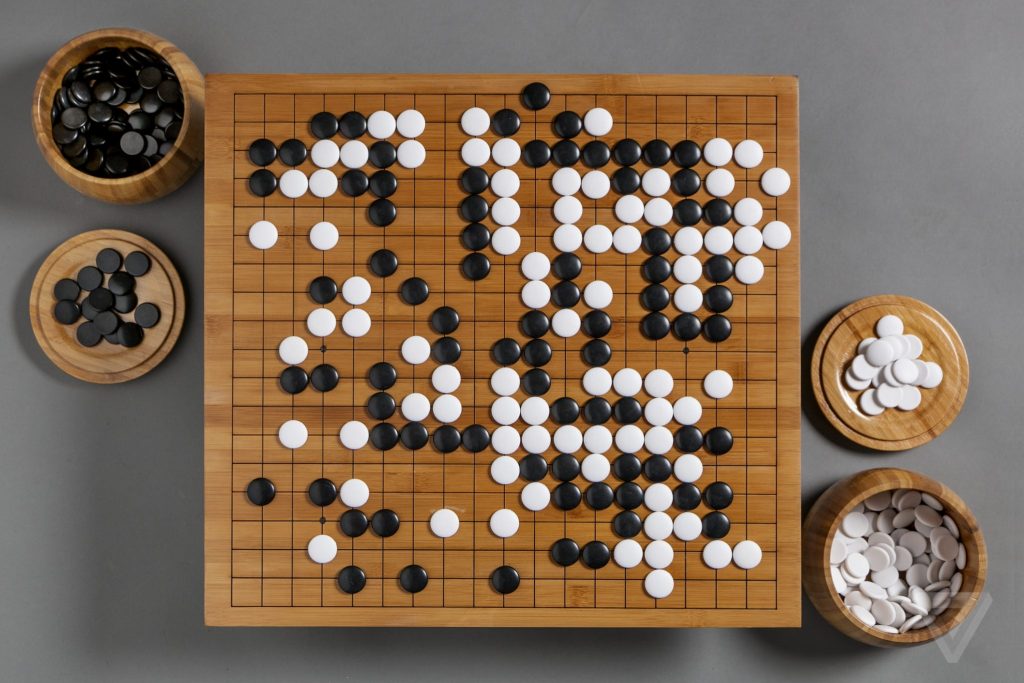
Engaging in a game of chess is more than just a test of strategic prowess; it is an intricate dance of cognitive functions and emotional insights. Players are often required to execute deft mental calculations while simultaneously grappling with their own emotions and those projected by their opponents. This amalgamation of cognitive and emotional exertion offers a rich framework for analyzing the connection between chess and emotional intelligence.
Strategic Cognitive Development
At the core of chess lies a structure that demands foresight and adaptability. Players must familiarize themselves with various openings and positions, recognizing patterns and adjusting their plans accordingly. Such cognitive activity stimulates various brain regions, enhancing specific skills:
- Critical Thinking: Chess promotes a higher level of cognitive functioning by compelling players to engage in multi-step reasoning. This form of thinking mimics real-life scenarios where problem-solving and analytics are essential, such as navigating complex business decisions or resolving community issues.
- Attention and Focus: The ability to concentrate on the board requires sustained attention, which can easily be disrupted by external distractions. Practicing chess helps players build stamina in focus, an invaluable skill in any educational or professional setting where maintaining attention is vital.
- Memory Enhancement: Memorizing opening sequences and remaining aware of potential threats enhances memory capabilities. Researchers have documented that chess players often showcase improved recall abilities, which can translate into academic success and lifelong learning.
The Emotional Landscape
In addition to cognitive benefits, the emotional nuances of chess cannot be overlooked. Every match unfolds a tapestry of feelings—exhilaration, anxiety, stress, and ultimately, satisfaction or disappointment. As players navigate these highs and lows, they cultivate essential emotional regulation skills. Key aspects include:
- Stress Resilience: Chess teaches individuals to remain composed in the face of pressure. Facilitating a calm demeanor amidst looming loss can empower players to handle stressful situations in their personal and professional lives, enriching their emotional intelligence.
- Self-Reflection: Players often reflect on their decisions and emotional responses, allowing them to identify strengths and weaknesses. This self-awareness is critical in developing emotional intelligence, as understanding one’s feelings is the first step towards managing them effectively.
- Interpersonal Dynamics: Understanding another player’s emotional cues—like frustration after a blunder or excitement at a winning move—can help players learn how to navigate relationships more effectively. This skill is particularly useful in social scenarios, from teamwork in the workplace to community engagement.
Both cognitive strategies and emotional skills developed through chess emphasize why the game is not merely an intellectual challenge but also a profound exercise in emotional growth. Through its combination of thoughtful planning and emotional management, chess unveils a pathway toward the attractive notion of emotional intelligence, one that merits exploration and application across various domains of life.
The Connection Between Chess and Emotional Intelligence
Chess is more than just a game; it’s a profound arena for intellectual development and emotional growth. As players navigate the complexities of the board, they engage in a multifaceted interaction of cognitive skills and emotional awareness. The intricate strategies that chess demands stimulate several areas of the brain, enhancing critical thinking and improving decision-making capabilities. Players must analyze various potential moves, foresee their opponents’ reactions, and adapt accordingly, reinforcing the correlation between chess playing and emotional intelligence.
Cognitive Skills Enhanced by Chess
Research indicates that individuals who regularly play chess often exhibit improved problem-solving skills and higher levels of concentration. The game encourages long-term planning and foresight, as every single move can have ripple effects throughout the game. This aspect can translate into real-life scenarios, where the ability to anticipate outcomes based on current actions is invaluable. Furthermore, chess players frequently learn to deal with pressure, harnessing their emotional state to maintain composure and focus during critical moments.
Emotional Regulation through Competition
Participating in chess matches helps individuals develop emotional regulation skills. The competitive nature of the game forces players to keep their emotions in check, especially when facing defeat. The ability to manage feelings of frustration or disappointment can lead to enhanced resilience and patience, critical components of emotional intelligence. Players learn to analyze not only their emotions but also those of their opponents, which fosters empathetic understanding and enhances interpersonal skills.
| Category | Description |
|---|---|
| Strategic Thinking | Enhances foresight and planning abilities through complex decision-making. |
| Emotional Regulation | Fosters skills to manage emotional responses during competitive play. |
| Empathy Development | Encourages understanding of opponents’ emotions, enhancing social awareness. |
The implications of this intersection are vast, influencing educational approaches by integrating games like chess into curricula. By cultivating emotional intelligence through chess, educators can empower students with vital life skills that extend beyond the chessboard—helping them navigate social complexities and develop lasting cognitive abilities.
DISCOVER MORE: Click here to enhance your strategic thinking
Lessons Beyond the Chessboard
While chess primarily engages players in a battle of wits, the lessons gleaned from this ancient game extend far beyond the confines of the chessboard. The real-life applications of emotional intelligence cultivated through chess not only enrich players’ abilities in the game but also simultaneously enhance their everyday interactions and decision-making processes. This intersection of chess and emotional intelligence fosters essential life skills, which can be categorized into several key areas:
Decision-Making Under Pressure
Every move in chess represents a decision that can lead to victory or defeat. The weight of these decisions uniquely trains players to assess situations critically and act swiftly. Studies have indicated that individuals who engage in chess demonstrate improved decision-making skills, particularly in high-pressure situations. For instance, research conducted by the World Chess Federation found that players who practice regularly develop a superior ability to analyze outcomes and predict consequences—a skill invaluable in fields ranging from business negotiations to crisis management. The ability to evaluate multiple variables—essentially predicting how decisions impact various scenarios—directly correlates with enhanced emotional control and leadership qualities.
Empathy and Perspective-Taking
Another often-overlooked emotional intelligence skill is empathy, which plays a crucial role in chess, particularly during competitive matches. As players strive to anticipate their opponent’s moves, they simultaneously tune into the emotional and strategic intentions of their rival. This perspective-taking sharpens the ability to forge connections with others and understand different points of view. Educational programs in the U.S. increasingly incorporate chess into curriculums to enhance social skills, highlighting that developing empathy through the lens of competition can foster stronger cooperative skills in both classroom and workplace settings. For example, schools in New York have observed that chess programs help students improve their collaborative efforts, leading to increased empathy through structured teamwork.
Emotional Regulation in Practice
Chess serves as a vivid classroom for practicing emotional regulation, as the stakes often feel personal despite being a game. Experienced players learn how to process emotions—such as frustration from a missed opportunity or elation after executing a brilliant strategy—in a manner that allows them to refocus and continue their efforts. Neuroscientific research has shown that engaging in activities like chess contributes to the development of emotional regulation strategies. Techniques for staying calm under pressure or re-focusing after a mistake can translate effortlessly into everyday life, helping individuals tackle challenges with resilience, be it in relationships or job performance.
A Lifelong Commitment
The cognitive and emotional skills honed through chess practice nurture a mindset of continual improvement, often referred to as a growth mindset. This concept, popularized by psychologist Carol Dweck, resonates deeply with chess players, who understand the importance of learning from both victories and defeats. Embracing failure is essential not only in chess but also in achieving personal and professional growth. Programs across the U.S. utilizing chess as a tool for developing a growth mindset show promising results; participants demonstrate increased perseverance, resourcefulness, and a willingness to face difficult challenges head-on, all of which are pivotal components of emotional intelligence.
Understanding the integral relationship between chess and emotional intelligence encourages a broader perspective on how board games can cultivate essential life skills. Players not only refine their cognitive capabilities but also embark on a journey towards greater emotional awareness and resilience, equipping them with the tools necessary to navigate life’s complexities.
DIVE DEEPER: Click here to unlock the secrets
Conclusion: The Enduring Lessons of Chess and Emotional Intelligence
As we have explored the profound links between chess and emotional intelligence, it is clear that this timeless game does much more than entertain. It cultivates critical life skills that resonate within both the personal and professional realms. By enhancing decision-making skills under pressure, allowing for effective empathy and perspective-taking, and fostering emotional regulation, chess serves as a dynamic training ground for emotional intelligence, equipping players with vital tools to navigate the complexities of daily life.
Moreover, engaging with chess encourages a growth mindset, instilling resilience and adaptability in the face of struggles. The ability to learn from setbacks, not just in the game but in life, empowers individuals to embrace challenges with newfound confidence. Educational initiatives across the United States, which integrate chess into curriculums, demonstrate the transformative potential of this game in developing social skills and emotional awareness among the younger generation.
In conclusion, the connection between chess and emotional intelligence illustrates that mastering a game can lead to mastering life itself. The cognitive and emotional skills honed through chess may well prepare individuals to face both the uncertainties of the future and the nuances of human interaction with greater finesse. As we recognize the importance of these attributes in an increasingly complex world, it is worth considering how we can further leverage activities like chess to nurture emotional intelligence at every stage of life. The journey toward greater emotional awareness begins on the chessboard, inviting us all to engage and learn.
Related posts:
Exploring the Cognitive Benefits of Escape Room Challenges on Team Collaboration
Exploring the Role of Video Games in Developing Spatial Awareness and Strategic Thinking
Enhancing Memory Retention through Jigsaw Puzzles: A Cognitive Approach
Unlocking Creativity with Brain Teasers: The Role of Divergent Thinking
How Strategy Board Games Enhance Critical Thinking and Decision-Making Skills
How Chess Enhances Strategic Thinking and Memory Retention

Linda Carter is a writer and puzzle expert specializing in mind games, brain teasers, and cognitive challenges. With extensive experience helping individuals enhance their problem-solving skills and think critically, Linda shares her knowledge on our platform. Her goal is to empower readers with practical advice, engaging puzzles, and strategies to sharpen their minds and achieve success in the captivating world of mind games and puzzles.