Mindfulness and Jigsaw Puzzles: How Assembling Pieces Can Enhance Relaxation
The Rise of Jigsaw Puzzles as a Tool for Mindfulness
In the clamor of daily life, individuals often find themselves caught in a whirlwind of responsibilities and distractions. As a response, many are exploring innovative avenues to achieve mental tranquility. One such avenue gaining traction is the timeless activity of assembling jigsaw puzzles. Surprisingly, this engaging pastime is emerging as a modern means of fostering mindfulness, an approach that emphasizes being present and fully engaged in the moment.
Why is it that jigsaw puzzles are becoming a staple in mindfulness practices across the United States? The answer lies in the numerous benefits they offer to the mind and body:
- Improves Focus: Engaging with the colorful, intricate details of puzzle pieces cultivates a heightened level of concentration. As individuals sift through myriad shapes and colors, they naturally redirect their attention away from stressors, honing in on the task at hand. This act of focusing can be a meditative process, similar to traditional mindfulness practices such as meditation or yoga.
- Enhances Patience: Completing a jigsaw puzzle requires time and persistence. Individuals learn that solutions do not always come immediately; sometimes, patience is key. This valuable lesson extends beyond the puzzle, fostering an increased capacity for acceptance in life’s various challenges.
- Stimulates Brain Activity: Research indicates that engaging in jigsaw puzzles can enhance cognitive function. Studies have shown that puzzles activate and strengthen neural pathways, fostering improved memory and problem-solving abilities. As individuals manipulate pieces, they engage in critical thinking, ultimately giving their brains a thorough workout.
The connection between jigsaw puzzles and reduced anxiety has garnered attention from researchers as well. A pertinent study conducted by the University of Southern California found that dedicating time to immersive tasks—such as jigsaw puzzles—was associated with lower levels of cortisol, the body’s primary stress hormone. Participants reported feeling significantly more relaxed and centered after engaging in this enriching activity.
As we further examine the synergy between mindfulness and jigsaw puzzles, it becomes clear that this simple yet profound hobby can serve as an antidote to modern life’s chaos. By incorporating puzzles into your daily routine, you can explore various techniques to boost relaxation and productivity. Each assembly of those vibrant pieces presents an opportunity to transform your relationship with stress, fostering a sense of peace and accomplishment.
Prepare to embark on a journey where the blending of colors and shapes not only creates beautiful images but also nurtures a more mindful existence in a hectic world.
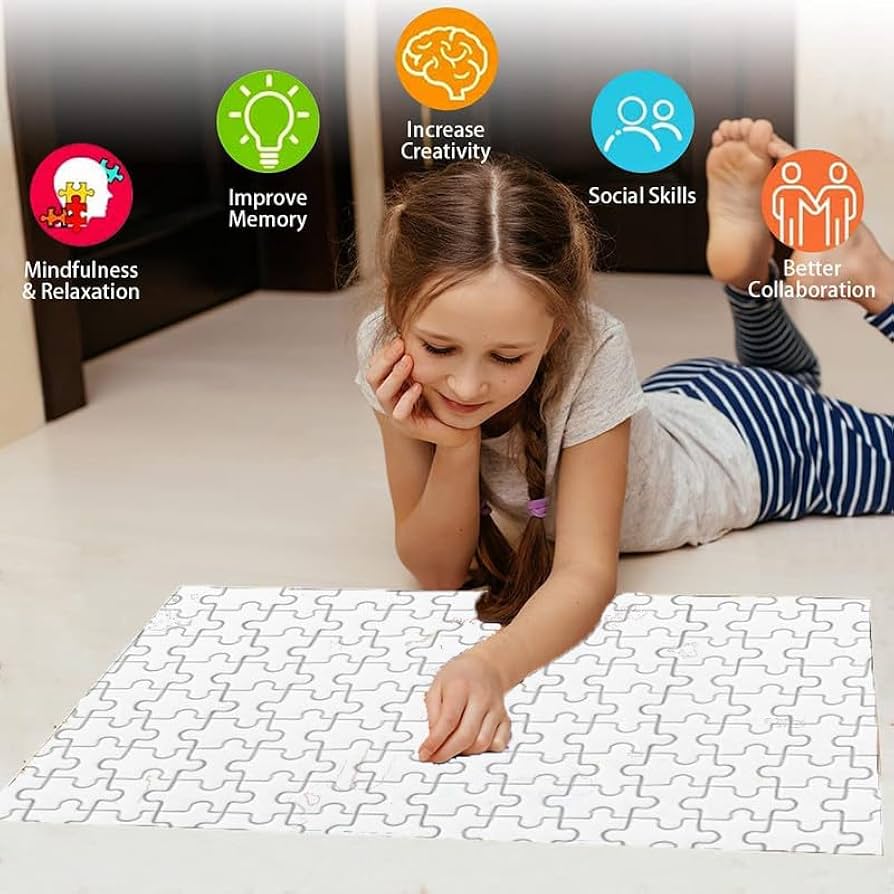
LEARN MORE: Click here to discover the connection
The Therapeutic Benefits of Jigsaw Puzzles
As we delve deeper into the relationship between mindfulness and jigsaw puzzles, it’s essential to understand the multifaceted therapeutic benefits they offer. The very act of piecing together a puzzle requires a unique blend of mental engagement and physical coordination, making it a particularly effective tool for relaxation and stress relief.
One intriguing aspect of this timeless activity is its ability to create a state of flow. Renowned psychologist Mihaly Csikszentmihalyi defined flow as the mental state achieved when one is fully immersed in an activity, leading to heightened focus and enjoyment. Engaging with a jigsaw puzzle leads individuals away from the distractions of their everyday lives and allows them to experience a sense of presence. This not only provides a break from constant digital noise but also promotes mindfulness by encouraging individuals to savor each moment of the process.
Moreover, assembling jigsaw puzzles acts as a form of meditative practice. Here’s how:
- Grounding Technique: The tactile experience of sorting through puzzle pieces serves as an effective grounding technique, anchoring individuals in the present moment. This deliberate action promotes awareness of one’s surroundings and thoughts, allowing for greater clarity.
- Breathing Space: As puzzlers concentrate on interlocking pieces, they often find their breathing becoming slower and deeper. This inadvertent practice enhances the body’s relaxation response, reducing the fight-or-flight reaction often experienced in stressful situations.
- Social Connection: For many, jigsaw puzzles are not just solo endeavors; they can also be social activities that foster connection. Working on a puzzle with friends or family encourages cooperative engagement, creating an environment of shared calm and enjoyment.
In addition to psychological benefits, there are physical aspects to consider. Assembling puzzles often requires a comfortable setting, which can be customized with soothing elements such as soft lighting or calming music. This kind of intentional environment helps cultivate an atmosphere of peace and tranquility, further enhancing relaxation. Interestingly, researchers have found that engaging in a wholesome hobby like puzzling can lead to the release of endorphins—natural mood lifters that help alleviate feelings of anxiety and stress.
The practice of mindfulness through jigsaw puzzles not only encourages relaxation but also facilitates a deeper emotional awareness. As individuals work through their puzzles, they may find themselves reflecting on their thoughts and feelings, identifying stress triggers, and developing healthier coping mechanisms. In this way, puzzles serve as a platform for both relaxation and self-discovery.
As we continue exploring mindfulness and jigsaw puzzles, it’s increasingly clear that this engaging pastime can foster a profound connection between leisure and mental well-being. With simple tools and an open mind, the process of piecing together intricate designs can yield significant improvements in one’s overall state of relaxation and alertness.
| Mindfulness Benefits | Jigsaw Puzzle Perks |
|---|---|
| Stress Reduction | Assembling puzzles offers a focused activity that diverts the mind from stressors. |
| Enhanced Concentration | Jigsaw puzzles require attention to detail, helping to sharpen focus over time. |
Engaging with jigsaw puzzles is more than just a pastime; it immerses you in the world of mindfulness, promoting a state of calm. When individuals participate in this activity, they often find themselves enveloped in the present moment, allowing for a unique form of meditation. The repetitive motion of fitting pieces together can act as a soothing ritual, much like deep breathing exercises, creating a rhythm that eases anxiety. Furthermore, the act of piecing together intricate designs can stimulate cognitive functions, enhancing memory and problem-solving skills. This engagement can lead to a flow state, characterized by a sense of effortless involvement and enjoyment. The resulting mental clarity not only reduces stress but also enriches overall mental wellness. Whether as a solitary pursuit or a shared experience with loved ones, jigsaw puzzles serve as an accessible gateway to relaxation. For those seeking to deepen their understanding of mindfulness and its tangible benefits, this captivating puzzle assembly practice is an excellent entry point.
DISCOVER MORE: Click here to enhance your decision-making skills
Mindfulness Techniques Enhanced by Jigsaw Puzzles
As we explore the synergies between mindfulness and jigsaw puzzles, it’s clear that this engaging pastime offers more than just a pleasant diversion. It is a powerful vehicle for cultivating mindfulness techniques that can greatly enhance relaxation. By immersing oneself in the process of assembling pieces, individuals can discover various techniques that promote awareness and calmness.
One notable method is the practice of focused attention. While working on a jigsaw puzzle, individuals are encouraged to concentrate singularly on the task at hand. This serves as an opportunity to inhibit mind-wandering and redirect focus to the present moment. Research has shown that this type of focused attention is linked to decreased levels of stress and anxiety, creating a significant ripple effect on overall well-being.
Additionally, the act of completing a puzzle can foster a sense of achievement. Each piece that fits into place ignites a small celebration within the mind, reinforcing positive emotions and enhancing the sense of accomplishment. This simple pleasure can trigger the release of serotonin – a neurotransmitter that contributes to feelings of happiness and stability. Each jigsaw puzzle thus becomes not merely a challenge, but also a means to cultivate joy through small victories.
As many jigsaw enthusiasts may attest, assembling puzzles can also cultivate a wonderful sense of patience and perseverance. The unhurried nature of piecing together an image allows individuals to practice patience as they work through complex designs. Each moment spent searching for the right piece encourages persistence, teaching valuable life skills that can extend beyond the table. This lesson in patience is especially crucial in our fast-paced world, where instant gratification is often the norm.
Moreover, a growing body of research has indicated that activities promoting mindfulness can contribute to improved cognitive function. Interestingly, engaging in jigsaw puzzles has been associated with enhanced problem-solving skills, improved memory, and increased creativity. By challenging the brain, puzzling activates various regions that are responsible for mental flexibility and analytical thinking, and can serve to bolster cognitive health as we age.
- Cognitive Stimulation: By identifying shapes, colors, and patterns, puzzlers undergo a comprehensive mental workout, which keeps the brain engaged and sharp.
- Memory Maintenance: Regularly tackling puzzles helps in forming and strengthening neural connections, promoting sharper recall and cognitive function in daily life.
- Stress Reduction: The meditative quality of focusing on jigsaw puzzles is particularly effective in lowering cortisol levels, known as the stress hormone.
Furthermore, the integration of color psychology into the puzzle experience adds another layer to its mindfulness benefits. Many modern jigsaw puzzles feature vibrant designs that stimulate the mind and evoke positive emotions. The act of interacting with inviting colors can enhance mood and inspire creativity, making the puzzle-solving experience even more impactful.
In summary, the relationship between mindfulness and jigsaw puzzles extends beyond mere enjoyment. Engaging with these intricate pieces creates an opportunity for focused attention, emotional reward, and cognitive enhancement, positioning puzzles as a vital tool in promoting both relaxation and mental clarity in an increasingly busy world.
Dive Deeper: Click here to uncover how strategy board games boost your critical thinking
Conclusion
In a world where stress and distractions are often overwhelming, the combination of mindfulness and jigsaw puzzles presents a unique avenue for achieving relaxation and mental clarity. By engaging in the focused practice of assembling puzzle pieces, individuals not only experience the joy of accomplishment but also absorb crucial lessons in patience and perseverance that extend beyond the table. This mindful activity promotes cognitive stimulation, enhancing critical thinking skills and maintaining memory function, while simultaneously reducing stress levels through meditative engagement.
Furthermore, the emotional rewards associated with solving puzzles—each piece contributing to a larger picture—foster positive feelings and encourage a sense of achievement that is often elusive in our fast-paced lives. The integration of color psychology adds yet another dimension to this experience, enhancing mood and fueling creativity with every vibrant piece laid into place. As individuals discover this harmonious relationship between mindfulness and jigsaw puzzles, they uncover a powerful tool for both mental engagement and emotional well-being.
Ultimately, embracing jigsaw puzzles as a practice in mindfulness opens the door to a more relaxed and centered existence. Whether you’re a seasoned puzzler or new to the art, allocating time to immerse yourself in this satisfying pastime can yield benefits that enrich your daily life. As we continue to navigate our busy world, the simple act of piecing together a puzzle may just become an essential practice for enhancing relaxation and embracing the present moment.
Related posts:
How Word Search Puzzles Provide a Calming Escape from Daily Stressors
The Impact of Logic Puzzles on Mental Resilience and Stress Management
The Therapeutic Benefits of Sudoku: Reducing Stress Through Number Puzzles
The Calming Effect of Logic Puzzles: How Solving Riddles Can Alleviate Stress
Coloring Mandalas: A Creative Approach to Stress Reduction Through Puzzles
The Therapeutic Benefits of Sudoku: Reducing Stress Through Number Puzzles

Linda Carter is a writer and puzzle expert specializing in mind games, brain teasers, and cognitive challenges. With extensive experience helping individuals enhance their problem-solving skills and think critically, Linda shares her knowledge on our platform. Her goal is to empower readers with practical advice, engaging puzzles, and strategies to sharpen their minds and achieve success in the captivating world of mind games and puzzles.