The Soothing Effects of Puzzle Games on Mental Well-being: Exploring Their Role in Stress Relief
The Multifaceted Benefits of Engaging with Puzzle Games
Puzzle games have rapidly emerged as a preferred diversion in today’s fast-paced digital landscape. With their unique ability to captivate players, these games not only serve as a source of amusement but also offer numerous mental health benefits that are increasingly being recognized by researchers and players alike.
From classic jigsaw puzzles to engaging mobile applications like Candy Crush and Sudoku, puzzle games have achieved remarkable popularity. This can be attributed to several compelling advantages:
- Stress Relief: One of the greatest appeals of puzzle games lies in their ability to provide stress relief. Engaging in a puzzle can effectively distract the mind from the overwhelming demands of daily life. A study published in the journal American Journal of Play suggests that even short sessions of puzzle-solving can significantly reduce physiological markers of stress, such as blood pressure and heart rate.
- Cognitive Improvement: Puzzle games challenge players’ mental faculties, stimulating their brains to enhance problem-solving skills and improve memory. Research conducted by the University of Cambridge found that regular engagement with puzzles can enhance cognitive flexibility, the ability to switch between tasks efficiently. This is particularly beneficial in a world where multitasking is often a necessity.
- Mood Enhancement: Completing a puzzle offers a gratifying sense of accomplishment. Experts in psychology explain that this sense of achievement releases dopamine, a neurotransmitter associated with pleasure, which elevates mood and promotes overall well-being. For instance, players of word puzzles often report feelings of joy and satisfaction upon successfully completing challenges.
Recent research has indicated that immersing oneself in puzzle games leads to reduced cortisol levels, promoting a state of relaxation. The act of focusing on a puzzle can act as a form of mindfulness, allowing players to immerse themselves fully and temporarily escape their worries. Even just a few minutes of engagement can lead to a noticeable improvement in mental clarity and calmness.
This intriguing interplay between puzzle games and mental well-being raises important questions. Are these games indeed powerful tools for stress relief? The evidence strongly supports this notion, encouraging a deeper investigation into the world of puzzles and their potential transformative benefits on our mental health.
As puzzle games continue to evolve, their role in promoting mental wellness is becoming an increasingly pertinent topic. With the rise of digital platforms, individuals from various backgrounds can easily access these cognitive challenges. This accessibility invites further exploration into how engaging with puzzles can become an integral part of a balanced and mentally healthy lifestyle.
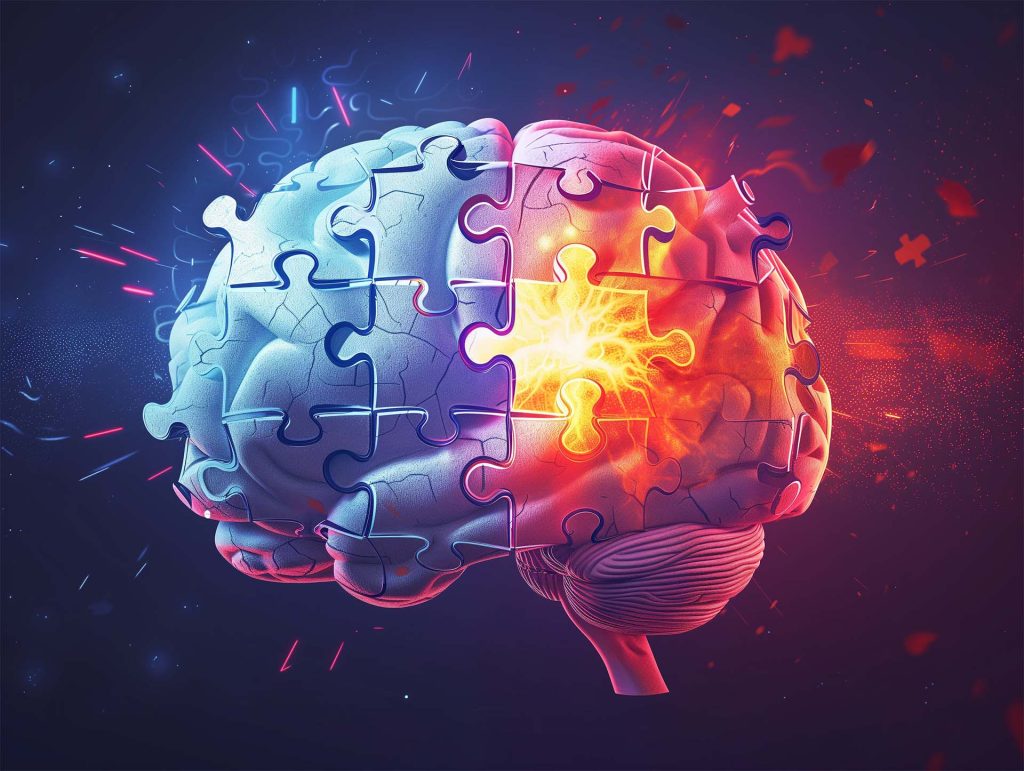
DISCOVER MORE: Click here to learn how three-dimensional puzzles can enhance your spatial memory
The Therapeutic Nature of Puzzle Games
As society grapples with an ever-increasing pace of life, many individuals are searching for effective ways to manage stress and enhance their overall mental well-being. In this quest, puzzle games have emerged as a beneficial tool not only for relaxation but also for cognitive engagement. The therapeutic nature of these games lies in their ability to focus the mind and promote mindfulness, offering users a temporary yet constructive escape from the stresses of everyday life.
Participating in puzzle-solving activities creates a unique environment where players can immerse themselves entirely in a task that demands attention and concentration. This immersive experience can serve as a much-needed mental distraction from daily worries. According to a study published in the journal Psychological Science, spending just 20 minutes on puzzle games can significantly elevate mood and reduce feelings of anxiety. By shifting focus away from external stressors, puzzle games create a personal oasis of calm.
The cognitive engagement provided by puzzles also plays a vital role in their soothing effects. Players must employ various skills, including reasoning, logic, and spatial awareness, to successfully navigate the challenges presented by a game. Engagement in challenging activities like these can generate a flow state—a mental state characterized by complete absorption in one’s activity. This state not only fosters relaxation but also promotes a sense of accomplishment as players complete levels or solve puzzles.
Beyond just recreational enjoyment, puzzle games contribute to mental resilience. Players often face challenges that require repeated attempts before achieving success. This environment helps individuals cultivate patience, persistence, and problem-solving skills, which can be beneficial in managing real-life stress situations. Furthermore, the coping strategies developed through puzzle gameplay can translate to other areas of life, enabling individuals to tackle challenges with a clearer mindset.
As individuals engage in puzzles, the act itself can become a meditative practice. The rhythm of placing pieces or the systematic approach to solving numerical constraints in a Sudoku puzzle can be likened to mindfulness exercises. Here are several noteworthy advantages of incorporating puzzle games into one’s leisure routine:
- Improved Focus: Puzzle games require careful attention, and regular participation can lead to heightened levels of concentration in everyday tasks.
- Enhanced Memory: Engaging with puzzles stimulates the brain, improving memory function over time and serving as a cognitive workout.
- Increased Happiness: The joy derived from completing a puzzle activates the release of dopamine, which has been shown to uplift mood significantly.
- Social Connection: Many puzzle games now offer multiplayer features, fostering social interaction and teamwork, which can further alleviate stress.
These various benefits illustrate the profound influence that puzzle games can have on mental health. By offering a blend of entertainment and cognitive challenge, they serve as effective tools for relaxation and personal growth. With ongoing research pointing to their potential to enhance our mental well-being, the role of puzzle games in stress relief cannot be understated. As we delve deeper into their advantages, it becomes evident that they are more than just a pastime—they are a pathway to better mental health.
| Category | Advantages |
|---|---|
| Cognitive Benefits | Puzzle games enhance critical thinking and problem-solving skills, which contribute to overall mental agility. |
| Stress Relief | Engaging in puzzle games can reduce cortisol levels, leading to a calmer, more focused mind. |
Furthermore, the interaction with puzzle games not only serves as a distraction from daily stressors but also engages the brain in a way that promotes greater mental clarity. As individuals participate in these games, they often enter a state of flow—where time seems to stand still and anxiety diminishes. This state is characterized by unmatched concentration, ultimately leading to increased productivity in everyday tasks.Moreover, the structured challenges presented in puzzle-form games are beneficial because they deliver a sense of achievement upon completion. Each successful solve can boost self-esteem and counteract feelings of frustration or helplessness that often accompany stress. Consequently, individuals seeking solace from mental fatigue can find puzzle games not only entertaining but also a constructive method to nurture their mental well-being.In embracing the soothing nature of puzzle games, players may discover profound insights into how leisurely activities can serve as effective tools for managing their mental health. The brain’s intrinsic ability to adapt can be harnessed through these engaging experiences, improving resilience against the hurdles that life presents. Delving deeper, one can explore the myriad types of puzzle games available today, each uniquely designed to cater to various preferences and stress relief needs.
DIVE DEEPER: Click here to discover more
The Impact of Community and Social Interaction
While the cognitive benefits of puzzle games are undeniably significant, the social dimensions of puzzle-solving also play a crucial role in enhancing mental well-being. The rise of digital technology has transformed traditional gaming experiences, where players can now connect with others from around the world. This shift has given birth to a thriving online community centered around puzzle games. Through social platforms and gaming apps, players can share strategies, collaborate on difficult puzzles, and engage in friendly competition. The ensuing conversations and shared experiences create a sense of community, which is vital for mental health.
Social interaction, even in a virtual space, has proven benefits for reducing feelings of loneliness and isolation. A 2020 survey conducted by the American Psychological Association found that 75% of respondents reported improved mood after engaging with friends online, showcasing the power of social connections. Puzzle games, particularly those with multiplayer features, facilitate these connections, making bonding over shared challenges a therapeutic experience. Such interactions remind players that they are not alone in their struggles—whether in gaming or in life.
Moreover, multiplayer puzzle games often promote teamwork and collaboration, echoing essential life skills such as communication, negotiation, and empathy. Working together to solve a shared challenge fosters a strong sense of accomplishment and camaraderie. Interestingly, studies indicate that players who actively engage in cooperative gameplay report higher levels of happiness compared to solitary players. This shared joy when achieving a common goal further enhances their overall well-being and reinforces positive social interactions.
Puzzle Games as a Routine for Mental Health
The incorporation of puzzle games into one’s daily routine can also serve as a critical component of an effective stress management strategy. Engaging in a regular schedule, where puzzle-solving is a designated time for relaxation, helps establish boundaries in a chaotic world. Implementing this practice into one’s routine can create a mental anchor, providing stability and predictability in life. Many mental health professionals endorse incorporating enjoyable activities, such as puzzle games, to break up stress throughout the day.
For working adults, who often manage overwhelming workloads and tight schedules, carving out time for puzzle games can offer a refreshing mental reprieve. Universities and workplaces are starting to recognize the mental health benefits of including game-play sessions in wellness programs. In fact, companies like Google have integrated group puzzle activities into their employee wellness strategy, promoting both collaboration and stress relief. The act of stepping away from the grind to engage in a stimulating yet relaxing activity not only enhances creativity but also fosters workplace relationships.
The Therapeutic Use of Puzzle Games in Clinical Settings
Intriguingly, puzzle games are also being incorporated into therapeutic practices. Mental health professionals recognize the potential of these games to support cognitive behavioral therapy (CBT) and other therapeutic approaches. Games like Tetris or Sudoku can be used as part of therapeutic interventions designed to foster focus and concentration while also teaching coping mechanisms to handle stress and anxiety. The accessibility of these games makes them an appealing resource for both patients and therapists. In recent years, research has indicated that puzzling can yield physiological benefits as well—such as decreased heart rate and reduced cortisol levels, which are markers of stress.
The soothing effects of puzzle games, combined with their potential for social interaction, routine-building, and therapeutic applications, highlight their multifaceted role in promoting mental well-being. As research continues to unfold, it becomes increasingly clear that inviting puzzle games into our lives is more than just an entertaining diversion; it is a step toward greater emotional and cognitive health.
DISCOVER MORE: Click here to learn how crossword puzzles can enhance your skills
Conclusion
In conclusion, the multifaceted benefits of puzzle games extend far beyond mere entertainment. As we have explored, these games serve as an effective tool for stress relief, fostering not only mental stimulation but also opportunities for enhanced social interaction and emotional well-being. By integrating puzzle-solving into daily routines, individuals can establish a valuable stress management strategy that promotes relaxation and mindfulness. Engaging in these activities allows players to temporarily step away from life’s pressures while honing important cognitive skills such as problem-solving and perseverance.
The findings underscore the pivotal role that community and cooperation play in the overall experience of puzzle games. Players who collaborate or compete with others generate shared joy and camaraderie, which can significantly uplift their emotional state. Moreover, the use of puzzle games within therapeutic settings illustrates their growing recognition as a viable form of mental health intervention. As they continue to gain traction in mental health practices, these games offer a powerful, accessible resource that blends leisure with therapy.
As we navigate the complexities of modern life, embracing the soothing effects of puzzle games may indeed provide a much-needed refuge for many. Research suggests that engaging with these games is not just a simple pastime; it is a conscious step towards fostering improved mental health and well-being. Therefore, whether enjoyed alone or with others, puzzle games stand as a testament to the positive intersection of entertainment and mental health support. We invite you to explore these captivating challenges and consider their potential impact on your overall well-being.
Related posts:
The Impact of Logic Puzzles on Mental Resilience and Stress Management
Crossword Puzzles as a Tool for Mental Clarity and Stress Relief
The Therapeutic Benefits of Sudoku: Reducing Stress Through Number Puzzles
Coloring Mandalas: A Creative Approach to Stress Reduction Through Puzzles
Harnessing the Power of Escape Room Games for Stress Reduction and Team Building
Mindfulness and Jigsaw Puzzles: How Assembling Pieces Can Enhance Relaxation

Linda Carter is a writer and puzzle expert specializing in mind games, brain teasers, and cognitive challenges. With extensive experience helping individuals enhance their problem-solving skills and think critically, Linda shares her knowledge on our platform. Her goal is to empower readers with practical advice, engaging puzzles, and strategies to sharpen their minds and achieve success in the captivating world of mind games and puzzles.