Harnessing the Power of Escape Room Games for Stress Reduction and Team Building
The Rise of Escape Room Games
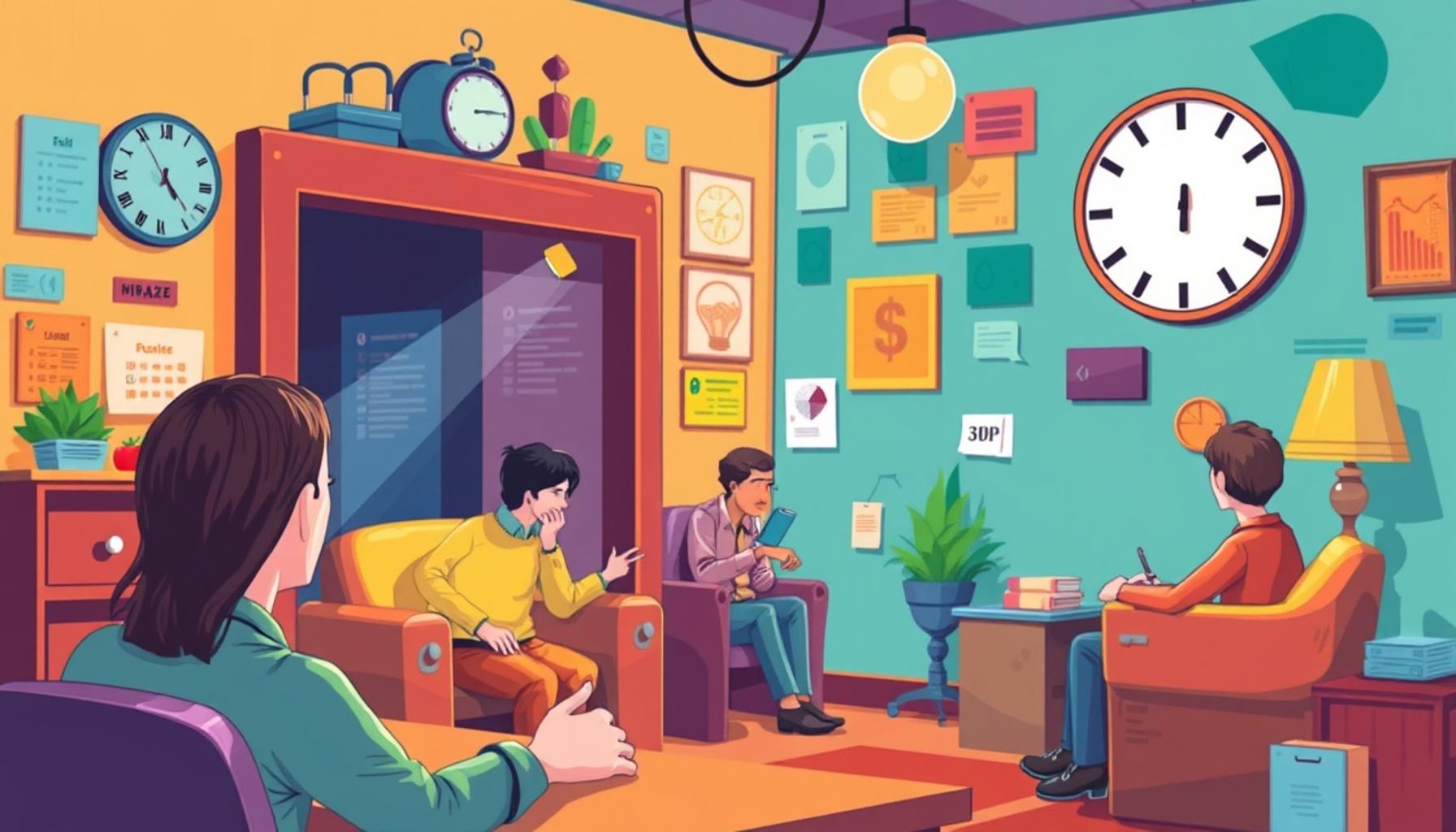
In the hustle and bustle of modern life, stress seems to be an unavoidable companion for many. With mounting work pressures, social commitments, and personal responsibilities, effective stress relief methods have become not just beneficial, but necessary. One innovative method that has gained traction is the concept of escape room games. These engaging and immersive experiences provide participants with a unique blend of entertainment and personal growth opportunities.
Within an escape room, players are often transported into fantastical scenarios—be it solving a murder mystery, navigating a haunted house, or escaping from a futuristic prison. Each setting is carefully crafted, incorporating intricate puzzles and challenges that participants must solve within a limited time frame. This immersive experience leads to a form of stress reduction that traditional activities often fail to provide.
Benefits of Escape Rooms
Escape rooms are not just about navigating a series of puzzles; they serve as a potent tool for both individual and group development. Here are some distinct advantages of engaging in these experiences:
- Stress Reduction: Participating in escape rooms provides a mental break. The focus shifts to the immediate goal of escaping, allowing players to disengage from daily stressors. Many participants report feeling a sense of relief and accomplishment after successfully solving puzzles as they disconnect from the pressures of reality.
- Team Building: The collaborative nature of escape rooms fosters communication and strengthens interpersonal relationships. Team members learn to rely on one another, discover each other’s strengths, and develop trust, which can translate into better workplace dynamics. Studies indicate that companies that invest in team-building activities see enhanced productivity and morale.
- Critical Thinking: Navigating through the puzzles of an escape room demands quick thinking and creativity. Players must analyze clues, devise strategies, and implement solutions on the fly. Such activities not only hone analytical skills but also enhance problem-solving capabilities, valuable traits both in and out of the workplace.
As the popularity of escape rooms surges across the United States, they attract a diverse audience ranging from families and friend groups to corporate teams looking for innovative solutions to improve workplace culture. In cities like Los Angeles and New York, themed escape rooms have become a staple for weekend entertainment as well as a unique option for corporate retreats and team-building exercises.
As we navigate the growing landscape of escape room experiences, it is crucial to recognize their potential as transformative tools for stress reduction and effective team building. By unlocking the benefits of these engaging puzzles, we may redefine our approach to collaboration and personal well-being, leading to healthier, happier individuals and more cohesive teams.

DISCOVER MORE: Click here to enhance your memory skills
Unlocking Experience-Based Therapies
As we delve into the multifaceted benefits of escape room games, it becomes essential to understand how these innovative experiences can serve as effective means of stress reduction and team building. Traditional methods of unwinding often involve repetitive activities that may fail to engage the mind fully. In contrast, escape rooms provide a fresh and interactive approach that stimulates the brain while offering a unique escape from everyday life.
One of the most striking aspects of escape rooms is their immersive environments. Players are enveloped in creative narratives and rich themes that immerse them in a different reality. These narratives act as a powerful distraction from stressors. When participants step into the room, they are not just solving puzzles; they are engaging in a transformative experience that allows them to temporarily escape their pressing concerns. In doing so, escape rooms facilitate a form of emotional catharsis that can lead to increased well-being.
The Science Behind Stress Reduction
Research indicates that stress can have significant implications for mental and physical health, leading to anxiety, depression, and even chronic illnesses. Given these challenges, finding effective strategies for stress management is vital. Escape rooms enter this space as a functional therapy option. The cognitive engagement required to navigate through puzzles not only distracts participants from their stressors but also stimulates the release of endorphins, the brain’s natural mood elevators. Participants often leave with a sense of accomplishment, boosting their self-esteem while lowering cortisol levels, the hormone primarily associated with stress.
This transformative experience is accentuated by the collaborative nature of escape rooms. They offer a unique blend of social interaction and teamwork, pivotal in developing stronger connections among participants. As individuals work together to solve intricate puzzles, they learn more about their teammates’ strengths and weaknesses—elements that are essential for building trust and camaraderie. The ability to succeed as a team in a high-pressure environment translates directly to workplace dynamics, enhancing collaboration back at the office.
Engagement Over Entertainment
Furthermore, escape room games have evolved into a cultural phenomenon in the United States, catering to a diverse range of individuals and organizations. From families seeking a fun outing to corporate teams in search of effective team-building exercises, escape rooms provide ample opportunities for individuals to engage with one another in a meaningful way. Popular destinations such as San Francisco and Chicago have seen a remarkable surge in escape room venues that cater to various themes and complexities, attracting both local residents and tourists alike.
Moreover, these experiences are increasingly being recognized as therapeutic tools. Many mental health professionals have suggested integrating escape rooms into wellness programs as a means of promoting psychological safety and support among teams. This innovative approach is poised to redefine how organizations perceive stress management and team dynamics, promoting a culture of well-being and collaboration.
- Creative Distraction: Engaging narratives pull attention away from daily pressures.
- Emotional Catharsis: Players experience relief and joy from solving challenges.
- Building Trust: Teammates learn to rely on one another in uncertain environments.
- Developing Skills: Critical thinking and problem-solving capabilities are enhanced.
Ultimately, the potential benefits of escape room games in fostering both stress reduction and effective team building cannot be overstated. These experiences encourage personal growth and pave the way for a healthier, more connected society.
Harnessing the Power of Escape Room Games for Stress Reduction and Team Building
Escape rooms have rapidly gained popularity not just as leisure activities but also as effective tools for stress reduction and team building. By immersing participants in engaging scenarios, these games enable individuals to step away from their daily routines and the pressures of work. The thrill of solving puzzles under a time constraint generates excitement, which can significantly help alleviate stress. This environment also allows team members to bond, communicate, and collaborate towards a common goal, enhancing their team dynamics.
Moreover, escape rooms provide an environment where creative problem-solving is essential. Participants are challenged to think outside the box, encouraging innovative thinking and fostering a culture of collaboration. As they work together to decipher clues and solve challenges, they develop deeper connections, which can translate to improved performance back at the office.
To delve deeper into the benefits of escape rooms, take a look at the table below that outlines the key advantages along with their implications for workplace wellness and team cohesion.
| Advantage | Implication |
|---|---|
| Stress Relief | Engagement in fun, immersive activities helps reduce anxiety and rejuvenate the mind. |
| Enhanced Communication | Collaboration in problem-solving fosters clearer communication skills among team members. |
With clear advantages such as stress relief and enhanced communication, it’s evident that incorporating escape room games into team activities offers myriad benefits beyond just entertainment. Exploring these interactive experiences can provide teams the necessary tools to thrive in high-pressure environments.
DISCOVER MORE: Click here to learn about the benefits of puzzle games</p
Redefining Collaboration through Shared Challenges
Beyond just providing entertainment, escape room games have a profound impact on the dynamics of teamwork, driving home the importance of communication and collaboration. In today’s workforce, where remote and hybrid models are prevalent, the ability to work cohesively has never been more critical. Escape rooms serve as immersive environments that require seamless cooperation among participants, allowing individuals to not only bond but also sharpen their interpersonal skills.
The role of communication cannot be overstated in these high-pressure situations. Participants are often faced with complex puzzles that demand articulate dialogue and quick decision-making. The necessity of sharing ideas and perspectives in real time fosters an atmosphere of open communication, which, in turn, translates well into the workplace. Team members who gain experience in these escape room settings return to work armed with enhanced abilities to convey their thoughts and tackle problems collaboratively.
Measuring Success: Metrics and Outcomes
Organizations have begun to recognize the power of escape rooms as tools for strengthening team dynamics. Several studies have shown that groups that engage in team-building exercises, such as escape room games, report higher job satisfaction and increased levels of trust among team members. For example, a 2022 survey conducted by the Corporate Research group revealed that over 75% of employees who participated in an escape room experience described their work relationships as significantly improved afterwards. This data not only highlights the effectiveness of these experiences but also showcases their impact on workplace morale.
Additionally, the outcomes extend beyond individual teams. When companies foster a culture that encourages mental wellness through interactive engagements, they inevitably create an environment where creativity flourishes and innovation is nurtured. By decreasing the mental clutter associated with everyday stresses, employees can approach their work with renewed energy and clarity.
Cultural Relevance and Trends
The increasing popularity of escape rooms can be attributed to their cultural relevance in the United States, particularly among millennials and Gen Z, who often seek experiential activities that combine fun with purpose. According to the Entertainment Software Association, around 17% of adults in the U.S. participated in an escape room in the last year, a statistic that underscores a growing trend of using shared experiences for bonding and mental relief.
This phenomenon has also led to an expansion of themed escape rooms, catering to various interests and demographics. From mystery-solving in ancient Egypt to navigating a futuristic dystopia, organizations can tailor their escape room experiences to align with their teams’ interests, further enhancing the engagement factor. Thematic flexibility allows companies to amplify the fun while also subtly reinforcing corporate values through storytelling and challenge motifs.
- Skill Development: Participants refine soft skills such as negotiation and conflict resolution.
- Increased Morale: Regular engagement can lead to higher retention rates and employee loyalty.
- Tailored Experiences: Customized themes align with organizational culture and values.
- Creative Problem-Solving: Teams learn to think outside the box when confronted with unique challenges.
As organizations increasingly recognize the impact of escape rooms on both team building and stress reduction, the future of these engaging environments appears promising. They stand poised to revolutionize traditional team development strategies, crafting sessions that are as beneficial as they are enjoyable.
DISCOVER MORE: Click here to dive deeper
Conclusion: Unlocking Potential Through Experience
As workplaces continue to evolve amidst the challenges of a dynamic environment, harnessing the power of escape room games offers a unique, actionable solution for both stress reduction and team building. These immersive experiences not only bring employees together in a fun and engaging way but also serve as a laboratory for developing crucial skills such as communication, problem-solving, and collaboration. The evidence supporting their effectiveness is compelling—numerous studies indicate that participation in escape room challenges leads to significant improvements in workplace morale, trust among team members, and overall job satisfaction.
Moreover, the growing cultural relevance of escape rooms—particularly among younger generations—demonstrates a shift towards valuing experiential learning that transcends traditional corporate training methods. As employees immerse themselves in themed challenges that resonate with their interests, organizations can fine-tune these experiences to align closely with their corporate values and objectives, fostering a sense of belonging and purpose.
In conclusion, the potential impact of escape room games extends far beyond mere entertainment; they represent a promising avenue for organizations seeking to engage their workforce effectively. By investing in these innovative team-building activities, companies can pave the way for a more cohesive and resilient work environment, ultimately leading to enhanced creativity, productivity, and employee well-being. As we continue to navigate the complexities of modern work culture, embracing such strategies could unlock new pathways to success for both individuals and organizations alike.
Related posts:
How Word Search Puzzles Provide a Calming Escape from Daily Stressors
Brain Games for Stress Relief: Exploring the Impact of Crossword Puzzles on Mental Well-Being
Using Rubik's Cube as a Mind Game for Stress Relief and Cognitive Engagement
Coloring Mandalas: A Creative Approach to Stress Reduction Through Puzzles
The Soothing Effects of Puzzle Games on Mental Well-being: Exploring Their Role in Stress Relief
The Calming Effect of Logic Puzzles: How Solving Riddles Can Alleviate Stress

Linda Carter is a writer and puzzle expert specializing in mind games, brain teasers, and cognitive challenges. With extensive experience helping individuals enhance their problem-solving skills and think critically, Linda shares her knowledge on our platform. Her goal is to empower readers with practical advice, engaging puzzles, and strategies to sharpen their minds and achieve success in the captivating world of mind games and puzzles.