The Psychological Benefits of Engaging in Strategic Mind Games and Puzzles
The Cognitive and Emotional Benefits of Puzzles and Games
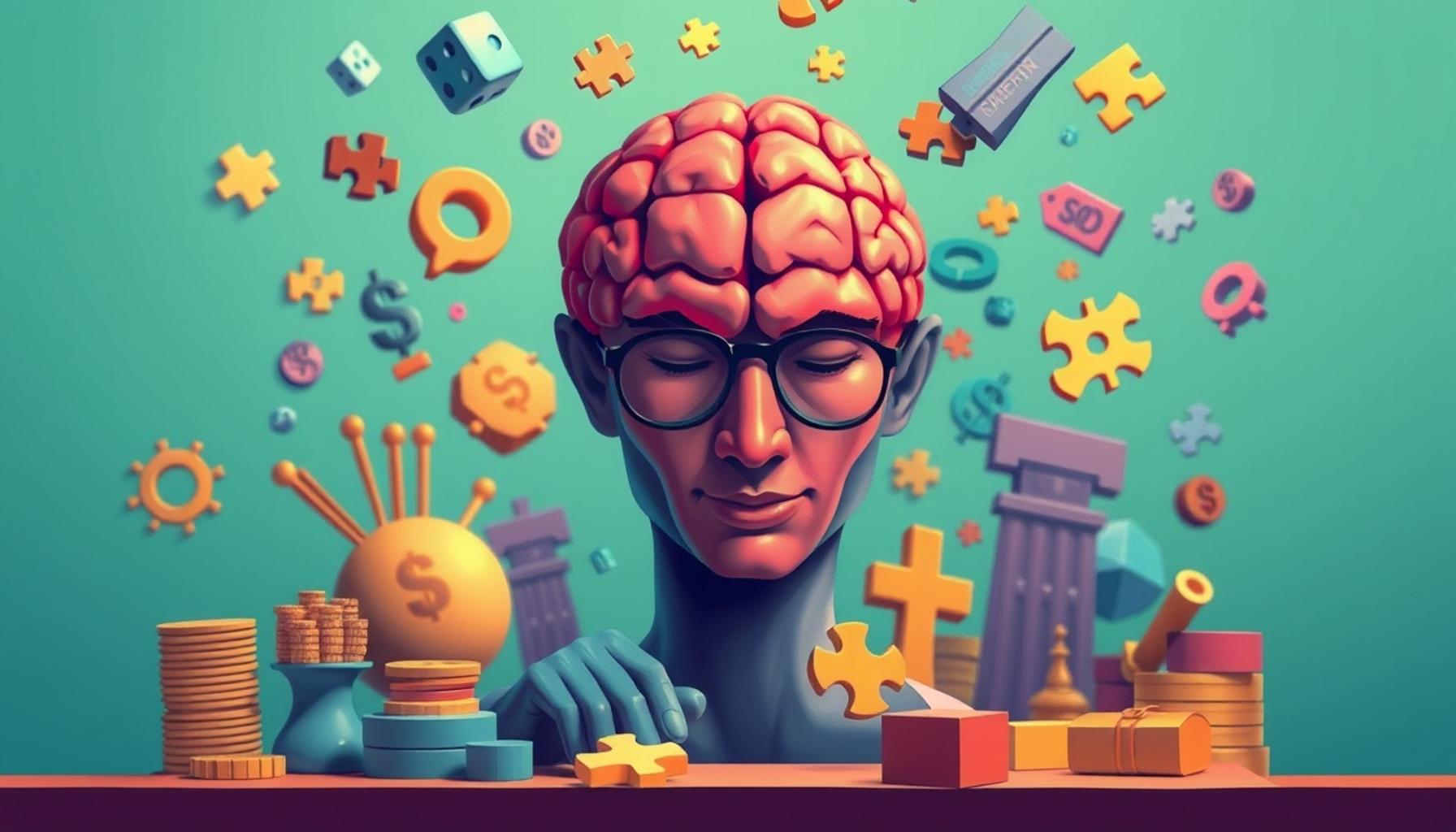
Engagement in puzzles and strategic games transcends mere entertainment; it is a gateway to enhancing our mental capabilities and emotional well-being. Modern psychological studies have revealed that partaking in these activities doesn’t just stimulate our competitive instincts, but also plays a crucial role in fostering psychological health. For instance, a systematic review published in the journal “Frontiers in Aging Neuroscience” found that older adults who engaged regularly in mentally stimulating activities had a reduced risk of cognitive decline.
Improved Cognitive Skills
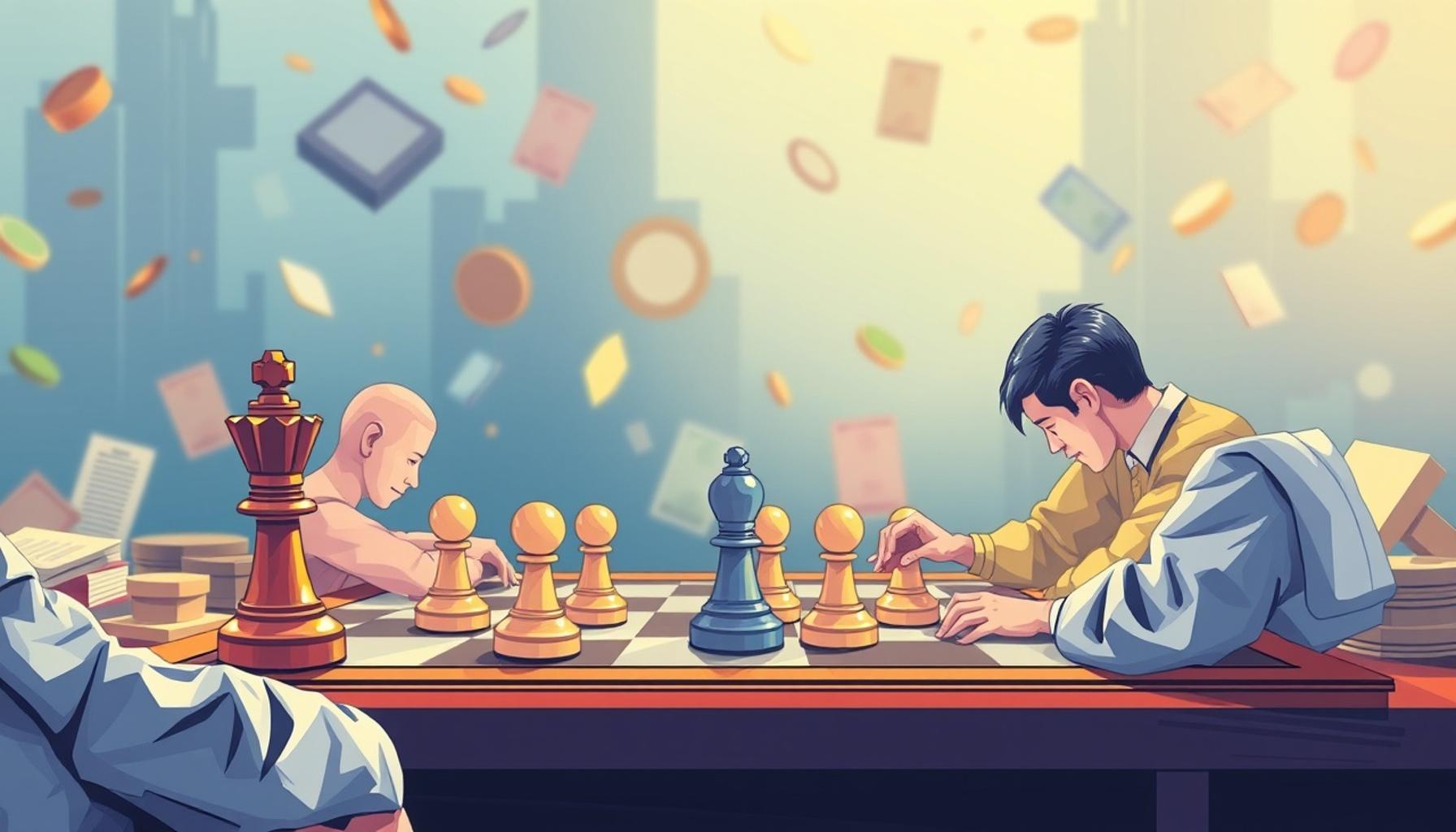
Activities like chess and Sudoku are far more than simple pastimes; they are rigorous workouts for the brain. When playing chess, individuals must strategize several moves ahead, predicting opponents’ actions and adjusting their tactics accordingly. Similarly, solving Sudoku puzzles improves logical reasoning and enhances one’s ability to recognize patterns. Research has shown that individuals who frequently engage with these types of puzzles exhibit improved memory recall and problem-solving skills. Furthermore, interactive games such as “The Rubik’s Cube” challenge players to think spatially and develop a three-dimensional way of understanding problems, which is a valuable skill in both academic and professional settings.
Stress Relief
Engaging with a puzzle can be an effective stress management technique. The process of concentrating on a game or puzzle diverts attention from daily stressors, immersing the player in a world of challenge and creativity. This immersive experience can trigger the release of endorphins, which are hormones responsible for feelings of happiness. For example, many people turn to jigsaw puzzles during quiet evenings at home. The satisfying click of a piece snapping into place can evoke a sense of accomplishment and relaxation, creating a tangible way to unwind after a hectic day.
Social Interaction
Group games are not only a source of entertainment but also a platform for fostering social connections. Board games such as “Catan” or “Monopoly” are often played in a group setting, which encourages communication, teamwork, and even healthy competition. Such interactions can strengthen relationships, create shared memories, and enhance social skills, making them essential for personal development. Social play also combats feelings of isolation, which can frequently lead to more severe mental health issues.
Whether it involves solving intricate brain teasers alone or engaging in strategic board games with family and friends, the psychological benefits of these activities are significant. They challenge our intellect while simultaneously building emotional resilience. Understanding how these mind games contribute to mental health illuminates their vital role in our daily lives.
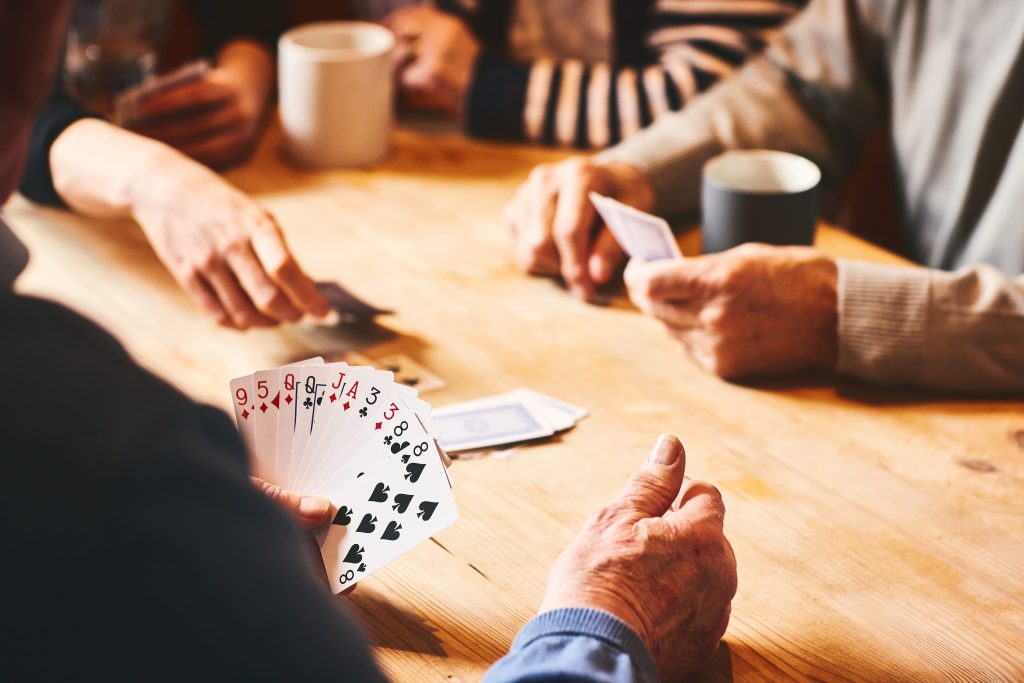
In exploring the myriad advantages of participating in these strategic endeavors, one finds a perfect fusion of fun and functional benefits. It is truly fascinating how something as seemingly simple as a puzzle can pave the way for a healthier mindset and a more vibrant life. Whether seeking a mental reprieve or aiming to polish your cognitive skills, the world of puzzles and games is undoubtedly worth delving into.
DIVE DEEPER: Click here to discover more
Enhanced Focus and Concentration
Puzzles and strategic mind games serve as extraordinary tools for boosting one’s ability to concentrate and maintain focus. In a world filled with distractions—from the incessant notifications of our smartphones to the overwhelming stream of information online—engaging in activities that require deep thinking can hone our ability to concentrate effectively. Studies suggest that engaging in strategic mind games such as chess, crossword puzzles, and even video games can significantly enhance one’s attention span and cognitive control.
The Neuroscience Behind Focus
At a biological level, activities that demand high levels of concentration activate multiple brain regions, encouraging the growth of new neuronal connections. This neuroplasticity is essential for maintaining cognitive health throughout our lives. Engaging in strategic mind games provides a controlled environment in which the brain can exercise its attention networks. A study highlighted in the “Journal of Experimental Psychology” found that participants who engaged in short sessions of games requiring high concentration demonstrated improved performance in attention-based tasks. This implies that regular participation can lead to long-term benefits in cognitive functioning.
Problem-Solving and Creativity
Strategic puzzles are not just about finding the right answer; they often involve innovative thinking and creativity. When faced with a complex crossword or an intricate strategy game, individuals are compelled to think outside the box and explore various alternatives to arrive at a solution. This process bolsters both problem-solving skills and creative thinking, essential traits in both personal and professional arenas.
Engaging with these puzzles and games encourages players to dissect problems into smaller, manageable parts, fostering analytical skills that are useful in daily life. Whether it’s navigating the intricacies of a game like “Dungeons and Dragons” or conquering the final piece of a brain-teaser, players refine their capacity to approach problems systematically. Here are some core benefits derived from improved problem-solving and creativity:
- Enhanced Analytical Skills: Strategic games require analysis and assessment of various factors before making a decision.
- Increased Flexibility in Thinking: Players learn to adapt their strategies based on changing scenarios.
- Boosted Confidence: Successfully solving complex puzzles can significantly improve self-esteem and foster a sense of accomplishment.
These cognitive enhancements are not just limited to personal life; they have profound implications in the workplace too. Individuals often find that the skills gained through engaging in puzzles and games translate into better performance at work, from improved project management to enhanced collaboration and significant contributions to innovation.
Ultimately, the act of immersing oneself in strategic mind games and puzzles serves as a multifaceted approach to cognitive enhancement, yielding immense psychological benefits that aid in both personal development and professional success. This interplay between fun and functionality propels the mind towards a more resilient and agile state, preparing individuals to tackle life’s challenges effectively.
| Cognitive Enhancement | Key Features |
|---|---|
| Memory Improvement | Engaging in strategic games strengthens working memory and enhances overall memory retention. |
| Problem-Solving Skills | These games challenge your critical thinking abilities, leading to improved analytical skills. |
| Stress Reduction | Mind games provide an escape, reducing levels of cortisol and promoting a sense of calm. |
| Social Interaction | Many puzzles are designed for teamwork, enhancing social bonds and communication skills. |
Engaging in strategic mind games and puzzles is not just about leisure; it actively contributes to cognitive development. For instance, these activities harness your ability to think critically, effectively improving decision-making skills. By facing tactical challenges, players frequently engage in mental exercises that stimulate various areas of the brain, pushing the limits of their cognitive capacities.Moreover, puzzles, particularly those involving pattern recognition and strategic planning, are excellent for boosting mental agility. This participation leads to a sharper mind and facilitates quicker learning processes. As a side benefit, the engaging nature of these games can significantly decrease feelings of anxiety, showcasing their mental health advantages. These intriguing games not only sharpen intellect but also create opportunities to interact. Whether played solo or with friends, one can witness the formation of deeper social connections through shared problem-solving experiences. Through this blend of competition, collaboration, and comprehensive engagement, individuals can explore newfound mental terrains.
DIVE DEEPER: Click here to unlock the secrets of strategic thinking
Improved Memory and Cognitive Function
Another remarkable psychological benefit of engaging in strategic mind games and puzzles is the enhancement of memory and overall cognitive function. Our brains are akin to muscles, requiring regular exercise to maintain strength and efficiency. Mind games, such as Sudoku or chess, challenge our memory systems by demanding the recall of rules, strategies, or prior moves, thereby protecting and improving our brain’s overall function.
Memory Retention and Recall
Research has shown that tasks which require players to actively memorize sequences or patterns can significantly improve memory retention and recall capabilities. A study from the “Proceedings of the National Academy of Sciences” demonstrated that older adults who regularly participated in strategic games showed marked improvements in both short-term and long-term memory. Participants exhibited enhanced performance on memory tasks compared to their non-gaming counterparts, indicating that cognitive engagement is essential for memory preservation.
Brain Plasticity and Aging
Engaging in puzzles not only helps with immediate memory tasks but also contributes to long-term brain health. Neuroplasticity—the brain’s ability to reorganize itself by forming new connections—is stimulated by these challenging activities. The more one interacts with complex puzzles, the greater the potential for developing resilience to the effects of aging on cognitive functions. This is especially critical as studies suggest that active engagement with strategic games can slow the onset of cognitive decline associated with age-related diseases, such as Alzheimer’s. For instance, participation in brain-training games has been linked to lower risks of cognitive impairment in aging populations.
Social Interaction and Emotional Well-Being
Beyond cognitive benefits, strategic mind games often provide a platform for social interaction, which is increasingly vital in our digital age. Many puzzles and games promote collaborative efforts, whether through multiplayer online platforms or local chess clubs. These social engagements can foster emotional well-being and create a sense of community. The positive effects of social interactions are well-documented; they can reduce stress levels, combat depression, and even lead to lower blood pressure.
For example, engaging regularly in environments that encourage strategic gameplay can lead to the forming of friendships and support networks, significantly enhancing one’s quality of life. The feeling of camaraderie developed while solving a puzzle with friends or competing in a game of strategy creates shared experiences that can uplift mood and encourage resilience against mental health challenges.
Conclusion through Engagement
The compelling evidence surrounding the cognitive and emotional benefits of engaging in strategic mind games and puzzles reinforces their value in our daily lives. By integrating these activities into our routines, we participate in a broader narrative of mental fitness that transcends mere pastime. Whether challenging ourselves alone or engaging with others, the psychological benefits we reap can pave the way for improved cognitive health, better social connections, and an enriched emotional state.
DISCOVER MORE: Click here to deepen your understanding
Conclusion: The Transformative Power of Mind Games
In conclusion, the strategic engagement in mind games and puzzles presents a multitude of psychological benefits that can profoundly impact our lives. From enhancing memory retention and cognitive function to promoting social connections and emotional well-being, these activities serve as vital tools for mental fitness. The stimulation provided by games like chess, crosswords, or Sudoku not only sharpens our minds but also fortifies our mental resilience against the inevitable cognitive challenges that come with aging.
Moreover, the communal aspect of these games fosters social interactions, creating bonds that enrich our personal lives and contribute to a sense of belonging. Participating in group puzzle-solving or competitive gaming environments can lead to lasting friendships and an uplifting atmosphere, which are crucial for maintaining emotional health. This reminder of the importance of connection highlights that the benefits of mind games extend far beyond individual enjoyment—they are integral to our overall well-being.
As we navigate the complexities of modern life, incorporating strategic mind games into our daily routines can provide not only a source of enjoyment but also a sustainable path to cognitive and emotional vitality. We encourage readers to explore various mind games and puzzles, embracing them as companions in the journey toward a healthier, happier mind.
Related posts:
Mind Games: How Strategic Thinking Enhances Problem-Solving Skills
The Impact of Video Games on Strategic Thinking: Lessons from Competitive Play
Mind Mapping and Puzzles: Visual Strategies for Enhanced Problem Solving
Crosswords and Strategy: Building Cognitive Skills Through Word Puzzles
Escape Rooms as a Tool for Enhancing Strategic Thinking and Problem Solving Skills
Collaborative Strategy: How Team-Based Puzzles Foster Group Strategic Thinking

Linda Carter is a writer and puzzle expert specializing in mind games, brain teasers, and cognitive challenges. With extensive experience helping individuals enhance their problem-solving skills and think critically, Linda shares her knowledge on our platform. Her goal is to empower readers with practical advice, engaging puzzles, and strategies to sharpen their minds and achieve success in the captivating world of mind games and puzzles.