Mindfulness and Meditation: How Jigsaw Puzzles Promote Relaxation

In today’s fast-paced world, finding moments of peace is essential for mental well-being. Engaging in mindfulness and meditation practices can greatly enhance relaxation, and one surprisingly effective method is through jigsaw puzzles. This method unites the benefits of focused attention and creativity, promoting a sense of calm and tranquility. As simple as it may seem, immersing oneself in a jigsaw puzzle can deliver profound mental health benefits. In fact, many enthusiasts and psychologists endorse this engaging pastime as a secret weapon against stress.
Why Jigsaw Puzzles?
Jigsaw puzzles serve as a bridge to mindfulness for many. Here are some features that contribute to their relaxing effects:
- Focus and Attention: Completing a puzzle requires concentration, which helps to quiet the mind. This focused attention can create a meditative state, much like traditional practices. Studies have shown that activities requiring focus can lead to reduced anxiety levels, allowing individuals to disconnect from their daily stresses.
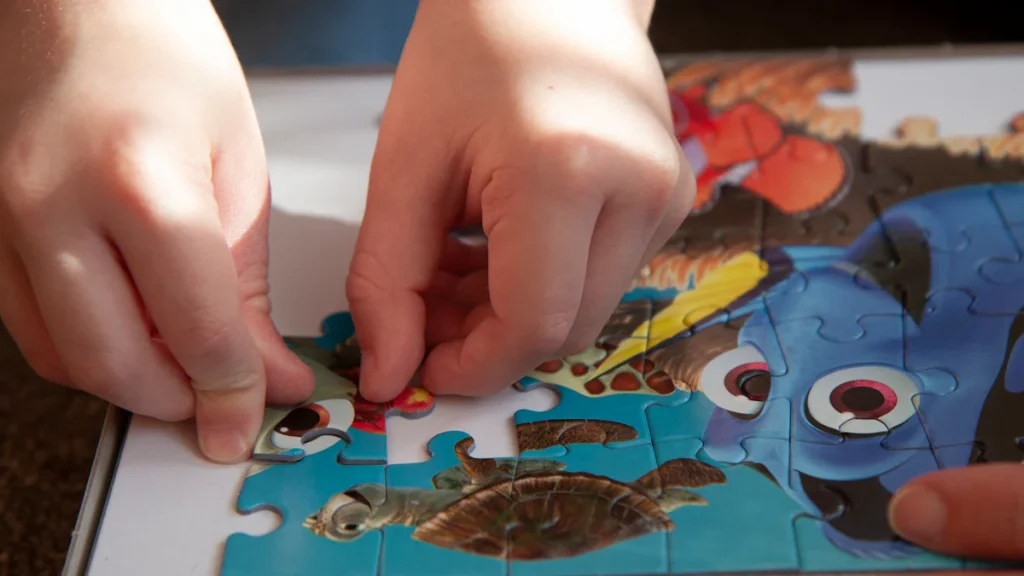
- Sensory Engagement: The tactile experience of handling pieces can be grounding and soothing. The feel of the cardboard against your fingertips, coupled with the visual engagement of colors and patterns, stimulates the senses and can provide an effective escape from the chaos surrounding us.
- Sense of Achievement: Finishing a puzzle provides a satisfying reward, boosting mood and self-esteem. The completion of a jigsaw puzzle serves as a tangible accomplishment that can elevate one’s spirits, thus adding to overall happiness and a sense of purpose.
The Mindfulness Connection
Incorporating jigsaw puzzles into your daily routine can foster mindfulness in several key ways:
- Present Moment Awareness: Puzzles encourage participants to immerse themselves in the present, an essential component of meditation. Focusing on the right piece and placing it correctly draws one’s attention away from worries and distractions, allowing for a refreshing escape into the now.
- Stress Reduction: Engaging in this activity can lower stress levels through focused play. Just like yoga or meditation, the calm and repetitiveness of piecing together images can have a soothing effect, which helps in clearing the mind of negative thoughts.
- Cognitive Benefits: Puzzles stimulate the brain, improving memory and problem-solving skills. Engaging in this kind of mental exercise is not only enjoyable but can also enhance cognitive function over time, making it a beneficial routine for individuals of all ages.
Moreover, a rising trend across the United States has shown that jigsaw puzzles are not only a solo activity but can also bring families and friends together, creating a unique bonding experience. Families often gather around the table, collaborating to complete a beautiful landscape or a challenging scene, all while sharing stories and laughter. This social aspect further enriches the practice of mindfulness, as the presence of loved ones can amplify feelings of connection and belonging.
By embracing jigsaw puzzles, individuals can seamlessly integrate play with mindfulness practices, paving the way for a more relaxed and centered lifestyle. Whether you are a novice or an experienced puzzler, the tranquil world of jigsaw puzzles awaits your exploration. Consider diving into this engaging pastime, and soon you may find that the simplest puzzles can lead to profound moments of peace.
DISCOVER MORE: Click here to dive deeper
The Therapeutic Effects of Jigsaw Puzzles
Jigsaw puzzles are more than just a delightful pastime; they offer a range of therapeutic effects that contribute to mental well-being. For many, these intricate pieces act as a form of meditation, allowing one to delve deep into a state of relaxation. Here are several ways jigsaw puzzles foster this beneficial experience:
- Enhanced Focus: The act of piecing together a puzzle demands a high level of concentration. This mental engagement shifts focus away from the stresses of daily life and encourages a state of flow, akin to mindfulness meditation. Research indicates that activities requiring such concentration can lower anxiety and promote emotional stability, making puzzles a valuable tool for those struggling with stress.
- Mindfulness Through Action: Unlike many forms of entertainment that bombard the senses, jigsaw puzzles require participants to engage slowly and thoughtfully. As each piece is examined and fitted, individuals are prompted to practice mindfulness, anchoring themselves in the present moment. This practice is crucial for cultivating a sense of peace and clarity in one’s mind.
- Visual and Cognitive Stimulation: Jigsaw puzzles feature vibrant images and diverse patterns that stimulate the brain visually. This stimulation not only enhances visual-spatial skills but also encourages cognitive flexibility, a key aspect of mental agility. The problem-solving nature of puzzles can lead to improved memory and reasoning abilities, reinforcing the importance of engaging in mentally stimulating activities.
Additionally, the routine of working on puzzles can establish a structured moment of calm within an otherwise chaotic day. Whether it’s dedicating a few moments each evening to unwind or organizing puzzle nights with family and friends, incorporating this relaxing activity can become a cherished ritual. The predictability of working through the pieces lends itself to nurturing mindfulness, as it provides a consistent way to practice focusing the mind in a world filled with distractions.
As heartwarming family tales of generations gathering around a table to piece together memories unfold, the social aspect of jigsaw puzzles also deserves attention. The collaborative nature of completing a puzzle can enhance connections among family and friends, fostering a sense of community and joy. Such interaction is essential for mental well-being, reinforcing bonds and creating shared memories that can be revisited long after the last piece has clicked into place.
This harmonious blend of focus, creativity, and socialization appears deceptively simple but yields profound benefits. Whether you are taking the first steps into the world of jigsaw puzzles or you’ve long since embraced the tradition, integrating this engaging pastime can lead to countless moments of relaxation and mindfulness. By continuing to explore the unexpected world of jigsaw puzzles, you may find a powerful ally in your journey towards a calmer, more centered life.
| Category | Benefits |
|---|---|
| Cognitive Engagement | Improves focus and encourages problem-solving skills. |
| Stress Relief | Engaging in jigsaw puzzles can reduce anxiety levels and enhance overall well-being. |
| Mindfulness Practice | Puzzles allow for meditative moments, fostering relaxation and a sense of inner peace. |
| Social Connection | Completing puzzles together can strengthen bonds and provide shared joy. |
Jigsaw puzzles are not merely a pastime; they serve as a significant tool in promoting mindfulness and meditation. As individuals engage in the intricate task of connecting pieces, they experience enhanced concentration and cognitive engagement. Research indicates that this focus can lead to improved problem-solving abilities and increased mental clarity. The act of piecing together a puzzle fosters mindfulness by encouraging individuals to immerse themselves in the present moment, effectively quieting the mental chatter that often accompanies daily stressors.Moreover, engaging with jigsaw puzzles is linked to stress relief. By providing a calming activity that redirects focus from potential overwhelming thoughts, puzzles significantly contribute to lowering anxiety levels. The repetitive motions of fitting pieces together inherently promote a meditative state, making it easier for individuals to find a sense of inner peace amidst life’s chaos. Additionally, jigsaw puzzles offer opportunities for social connection. They can be enjoyed with friends or family, creating a shared experience that fosters joy and collaboration. This aspect not only enhances emotional bonds but also reinforces the idea that mindfulness and relaxation can be cultivated in both solitary and social settings. Engaging in such shared activities further accentuates the mental health benefits associated with this pastime, making it a multifaceted approach to enhancing well-being through mindfulness and meditation.
DISCOVER MORE: Click here to dive deeper
Connecting the Mind and Body Through Puzzle Play
Engaging with jigsaw puzzles not only benefits mental health but also promotes a connection between the mind and body, reinforcing the principles of mindfulness and relaxation. By offering a tactile experience, jigsaw puzzles stimulate physical movement while encouraging mental stillness. This dual engagement can significantly enhance the overall experience of calmness and clarity in one’s life.
- Fine Motor Skills Development: Handling individual puzzle pieces involves precise movements that enhance fine motor skills. This kinesthetic aspect is especially beneficial for individuals of all ages. For children, working on puzzles can improve dexterity and hand-eye coordination; for adults, it provides an opportunity to subtly exercise motor skills while engaging in a mindful activity. The soothing nature of these tasks can reduce stress levels and promote a sense of achievement as pieces are successfully connected.
- Reduction in Mental Clutter: As more people embrace hectic lifestyles filled with multitasking and digital distractions, participating in jigsaw puzzles serves as a respite. The very act of focusing on finding and placing pieces takes mental energy away from routine stressors, allowing for mental clarity. Evidence suggests that less clutter in the brain can lead to enhanced creativity and improved problem-solving skills, providing an added incentive for incorporating puzzles into daily routines.
- Therapeutic Repetitiveness: Much like the repetitive nature of meditation techniques, the process of assembling jigsaw puzzles can also lead to a meditative state. The simple, cyclical action of turning pieces, flipping them to find the correct orientation, and fitting them together can create a sense of rhythm that encourages relaxation. This aspect has been highlighted in studies focusing on repetitive activities that promote calmness and can cultivate a mindful focus within the bounds of puzzle work.
Moreover, jigsaw puzzles present opportunities for self-reflection and personal discovery. Many enthusiasts have found that spending uninterrupted time piecing together a challenging image provides a metaphorical journey—echoing their inner thoughts and feelings. Similar to meditation, this process allows individuals to confront their contemplations in a peaceful manner, serving as a launchpad for self-exploration and emotional processing.
The increasing popularity of digital wellness apps also invites a comparison to jigsaw puzzles. While enhancing our digital mindfulness through guided meditations or focus exercises, these platforms demonstrate a counterproductive nature for many, filled with distractions and notifications. In contrast, working on a physical jigsaw puzzle offers a clear, uninterrupted experience of mindfulness that can be more rewarding than digital alternatives. As people seek methods of grounding themselves amid overwhelming digital landscapes, the tactile, engaging nature of traditional puzzles stands out as a favored ally.
This unique blend of physical engagement and mental serenity fosters a perfect environment for relaxation and reflection. Whether shared with a loved one or savored alone over a quiet evening, jigsaw puzzles are increasingly recognized not just as a leisure activity but as a genuine pathway to mindfulness that aligns with the growing cultural emphasis on mental health and holistic living.
DON’T MISS OUT: Click here to discover the cognitive benefits
Conclusion: Embracing Mindfulness Through Puzzle Solving
In a world increasingly characterized by rapid pace and digital distractions, the art of piecing together jigsaw puzzles emerges as a profound method to cultivate mindfulness and relaxation. Not only do these puzzles provide a soothing, tactile experience, but they also foster a unique connection between the mind and body, enhancing overall well-being. By engaging in this simple yet rewarding pastime, individuals can experience a reduction in mental clutter and gain the clarity needed to navigate the complexities of daily life.
As we explore the nexus of mindfulness and meditation, jigsaw puzzles shine as an effective tool for achieving a state of calm. The repetitive actions involved in solving puzzles can evoke a meditative rhythm, akin to traditional mindfulness practices. This rhythmic engagement serves to quiet the mind, allowing for deeper self-reflection and emotional insight—elements that many people seek but often struggle to find amid the noise of modern life.
Ultimately, incorporating jigsaw puzzles into our routines does more than just entertain; it offers a pathway to mental peace and emotional resilience. As we prioritize mental health and holistic living, embracing the meditative qualities of puzzles may just be one of the most satisfying solutions available. So the next time you’re in need of a respite, consider turning to the world of puzzles—an intriguing fusion of relaxation, mental engagement, and mindful presence awaits.
Related posts:
Using Rubik's Cube as a Mind Game for Stress Relief and Cognitive Engagement
The Role of Strategy Games in Promoting Calmness and Focus
Crossword Puzzles as a Tool for Mental Clarity and Stress Relief
How Word Search Puzzles Provide a Calming Escape from Daily Stressors
The Calming Effect of Logic Puzzles: How Solving Riddles Can Alleviate Stress
How Memory Games Can Enhance Cognitive Function and Reduce Stress Levels

Linda Carter is a writer and puzzle expert specializing in mind games, brain teasers, and cognitive challenges. With extensive experience helping individuals enhance their problem-solving skills and think critically, Linda shares her knowledge on our platform. Her goal is to empower readers with practical advice, engaging puzzles, and strategies to sharpen their minds and achieve success in the captivating world of mind games and puzzles.