The Therapeutic Benefits of Sudoku: Reducing Stress Through Number Puzzles
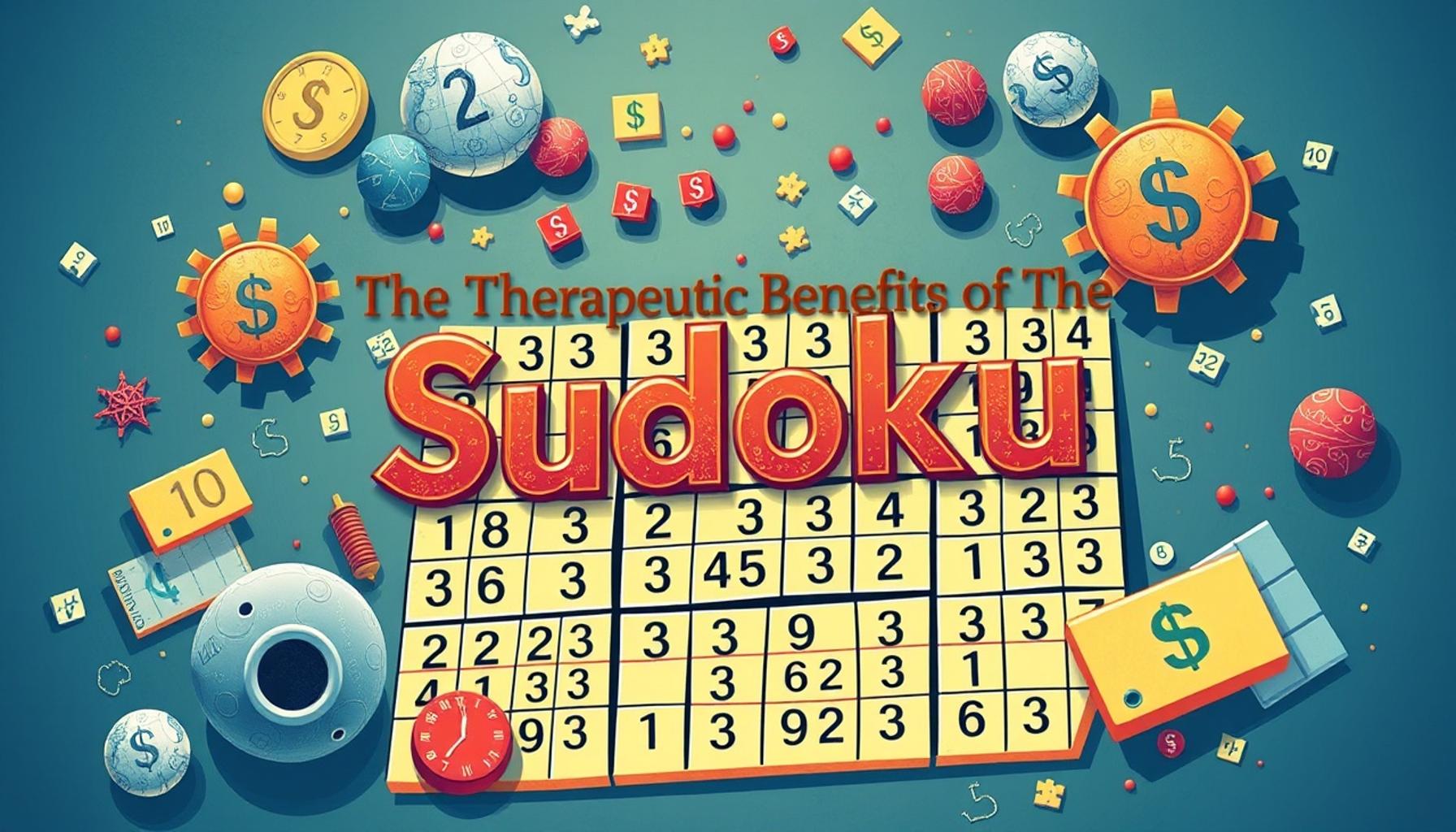
The Therapeutic Benefits of Sudoku
In a society where the demands of work, family, and social obligations often converge, stress can feel omnipresent, affecting mental well-being and overall quality of life. As people seek ways to manage this escalating anxiety, one surprisingly effective solution has emerged: Sudoku. Far from being merely an entertaining pastime, Sudoku provides substantial mental health benefits that are increasingly recognized by both psychologists and enthusiasts alike.
This number puzzle, famous across the globe and especially beloved in the United States, offers mental exercise that transcends entertainment. For example, boosts cognitive function is perhaps one of the most reported advantages of Sudoku. Engaging with these puzzles challenges the brain, prompting users to devise strategies to solve complex problems, which can enhance critical thinking skills and improve memory retention. Studies have shown that puzzles like Sudoku stimulate neuroplasticity, the brain’s ability to reorganize itself by forming new neural connections. This boosts overall cognitive functioning, keeping the mind sharp well into older age.
Moreover, Sudoku is not only intellectually stimulating but also an effective means of promoting mindfulness. Concentrating solely on placing numbers in the correct grid forces players to immerse themselves in the present moment, creating a meditative experience that acts as a temporary escape from everyday anxieties. By focusing intensely on the numbers, individuals find themselves momentarily liberated from worries about work deadlines or personal issues, allowing for mental clarity and tranquility.
There’s also the undeniable sense of accomplishment that comes with successfully completing a challenging puzzle, which can significantly enhance mood. Each solved puzzle triggers a small dopamine release, contributing to feelings of happiness and satisfaction. Engaging with Sudoku may become a ritual for many; a daily escape that fosters positivity, especially in times of stress.
Interesting research highlights that regular participation in Sudoku can lower levels of cortisol, the primary stress hormone. This finding holds particular resonance in the United States, where mental health issues such as anxiety and depression are prevalent. With accessible strategies like Sudoku, individuals can take proactive steps toward fostering their mental health in enjoyable ways.
In essence, as people navigate the complexities of modern life, embracing the art of Sudoku could very well pave the way to a calmer and more centered existence. This simple activity not only engages the mind but also calms the soul, offering a practical tool for enhancing mental well-being. Take a moment to explore the world of Sudoku; you may find that it’s more than just numbers on a page—it might just be the peaceful respite you’ve been seeking.
DIVE DEEPER: Click here to discover how logic challenges can boost your skills
Unlocking Mental Wellness: How Sudoku Works as a Stress Reliever
Sudoku is not merely a game of numbers; it serves as a powerful tool for managing stress and improving mental health. To truly understand its therapeutic benefits, it’s essential to explore the underlying mechanisms that make this puzzle so effective in promoting relaxation and cognitive resilience. At its core, Sudoku provides an engaging avenue for mental engagement, allowing individuals to detach from daily stresses while honing their problem-solving abilities.
One of the standout features of Sudoku is its ability to induce a state of flow, a psychological phenomenon where individuals become fully immersed in their activities. When engaged in a challenging Sudoku puzzle, players often lose track of time as they focus intently on filling the grid accurately. This state of flow is characterized by increased focus and productivity, which naturally leads to a decrease in feelings of anxiety and stress. In this way, Sudoku acts as a form of escapism, creating a mental ‘timeout’ from the chaos of everyday life.
Furthermore, the structured nature of Sudoku can appeal to the human need for order and predictability, especially during uncertain times. Completing a puzzle offers a sense of routine and accomplishment, which can significantly enhance overall well-being. Here’s why engaging with Sudoku can yield remarkable benefits:
- Enhanced Problem-Solving Skills: Each Sudoku puzzle presents a unique challenge, pushing players to think critically and develop strategies for completing the grid. This not only promotes cognitive functioning but also fosters resilience against everyday stressors.
- Improved Focus: The concentration required to solve Sudoku puzzles can heighten attention span, making it easier for individuals to tackle tasks both in the game and in daily life.
- Emotional Regulation: Engaging in Sudoku has been linked to improved emotional stability. Players often experience a calming effect as their mental focus shifts away from stressors and onto solving the puzzle.
- Community Engagement: Many people enjoy sharing their love of Sudoku with friends or participating in local Sudoku competitions. This social aspect can create a supportive community that further alleviates stress.
In addition to improved cognitive abilities, the benefits of Sudoku extend to reducing stress hormones in the body. Studies have shown that dedicating time to mentally stimulating activities like Sudoku can lower cortisol levels, making it easier to cope with daily pressures. This is particularly significant in the context of the United States, where high-stress levels are prevalent. As more people recognize these therapeutic attributes, Sudoku may become a cornerstone in stress management strategies for many.
With the myriad of mental health benefits that Sudoku provides, this simple pastime has the potential to transform the way we manage stress and foster resilience. As we delve deeper into the therapeutic advantages of Sudoku, it becomes increasingly clear that these puzzles are much more than a casual diversion—they are a gateway to mental clarity and emotional well-being.
The Therapeutic Benefits of Sudoku: Reducing Stress Through Number Puzzles
Continuing our exploration of the therapeutic benefits of Sudoku, it’s essential to understand how engaging with number puzzles can significantly lower stress levels. As a form of cognitive engagement, Sudoku challenges your brain, promoting mental clarity and focus. This aspect of number puzzles can create a meditative state, similar to mindfulness techniques, where individuals can immerse themselves in the numbers and patterns. By actively solving puzzles, players divert their attention from daily stressors, allowing for mental relaxation and rejuvenation.
Moreover, the satisfaction derived from solving a Sudoku puzzle can boost your mood and provide a sense of accomplishment. This can be particularly valuable for those experiencing anxiety, as accomplishing even a small goal can create a ripple effect of positive reinforcement. The act of filling in the blanks fosters a sense of control over one’s environment, which is often disrupted by stress.
Interestingly, studies have shown that activities involving mental challenges, like Sudoku, can lead to improved memory and cognitive function over time. As you engage with these puzzles, you’re not only reducing stress in the moment but also enhancing your overall brain health. This multifaceted approach to therapy showcases how a simple game can offer profound benefits.
| Category | Description |
|---|---|
| Mental Clarity | Engaging in Sudoku enhances cognitive functions by promoting focus and clarity. |
| Stress Relief | Solving puzzles allows distraction from stressors, fostering a calming, meditative state. |
Whether you are seeking an enjoyable pastime or a viable method to alleviate stress, incorporating Sudoku into your daily routine can be a valuable tool. This mental exercise not only engages your brain but also nurtures your well-being.
DIVE DEEPER: Click here to discover the benefits of riddles
The Cognitive Benefits of Engaging with Sudoku
Beyond its immediate stress-relief properties, the cognitive benefits of Sudoku play a crucial role in enhancing mental acuity and emotional health. The process of solving Sudoku puzzles challenges the brain, promoting neuroplasticity—the brain’s ability to reorganize itself by forming new neural connections. This process is vital in maintaining cognitive health, especially as we age. In a society where cognitive decline is a growing concern, regularly engaging in activities like Sudoku may serve as a protective measure that wards off memory loss and supports overall brain health.
Moreover, the practice of solving Sudoku puzzles is likened to a workout for the brain. Just as physical exercise strengthens the body, Sudoku enhances the brain’s functioning by encouraging logical reasoning, memory enhancement, and spatial awareness. Research indicates that individuals who regularly participate in logic-based exercises tend to show improved executive function, resulting in better decision-making and enhanced task management.
For many, Sudoku also provides an accessible bridge into mindfulness practices. Mindfulness involves being present in the moment and fully engaging with the task at hand. As individuals focus on filling in the right numbers, they are naturally drawn away from racing thoughts or looming deadlines. This meditative quality is invaluable for mental wellness, as studies show that mindfulness can reduce anxiety, improve mood, and promote emotional stability. In this regard, Sudoku stands out as a low-barrier entry point into cultivating mindfulness, particularly for those who might feel overwhelmed by more formal meditation practices.
The activity of solving puzzles can also significantly impact one’s level of self-efficacy—an individual’s belief in their capability to manage future situations. Successfully completing a Sudoku puzzle instills a sense of achievement, fostering confidence and encouraging participants to engage with increasingly challenging puzzles. This growth mindset can have a ripple effect throughout various aspects of life, empowering individuals to tackle challenges with a positive attitude and reduced anxiety.
- Developing Resilience: Regularly engaging with challenging Sudoku puzzles allows players to experience both failure and success. Learning to cope with initial incorrect guesses leads to enhanced resilience, as players adapt their strategies and evolve their problem-solving approaches.
- Strengthening Memory: As players advance in their Sudoku skills, they often retain patterns, strategies, and number alignments, leading to improved memory. This cognitive engagement is beneficial not just for Sudoku, but for everyday task management.
- Encouraging Creativity: Although Sudoku is a structured puzzle, it encourages lateral thinking and creativity in finding unique solutions to tricky grids. This creative exercise is essential in nurturing innovative thought patterns applicable in work and personal life.
Furthermore, research supports that mentally stimulating activities like Sudoku can serve as a protective factor against cognitive decline. A study published in the journal “Neurology” noted that older adults who frequently engage in puzzles and other similar brain exercises have a lower risk of Alzheimer’s Disease and dementia. This statistic underscores the significance of incorporating Sudoku into daily routines—not just as a fun pastime but as a form of preventive care for the aging mind.
As the conversation around mental wellness grows, more individuals are turning to activities like Sudoku, not just for their recreational value but for their profound cognitive and emotional benefits. By doing so, they are embracing a holistic approach to stress management and mental health maintenance, fostering an environment where resilience can flourish.
DISCOVER MORE: Click here to explore how strategy games sharpen your mind
Conclusion: Embracing Sudoku for Mental Wellness
In the quest for effective strategies to combat stress and enhance mental well-being, Sudoku emerges as a powerful yet often overlooked tool. The therapeutic benefits of engaging with these number puzzles extend far beyond mere entertainment; they offer valuable cognitive and emotional advantages that can significantly improve one’s quality of life. As we have explored, Sudoku not only stimulates the brain, fostering neuroplasticity and cognitive resilience, but it also serves as a gateway to mindfulness, allowing individuals to engage deeply in the present moment. This shift toward mindfulness can cultivate emotional stability, reduce anxiety, and inspire a growth mindset that permeates other life challenges.
Moreover, with its ability to boost memory, encourage creativity, and cultivate resilience, Sudoku presents a multi-faceted approach to mental wellness. The evidence-backed link between regular engagement in cognitive activities like Sudoku and the reduced risk of cognitive decline magnifies its importance in preventive care, particularly for older adults. As the landscape of mental health continues to evolve, incorporating simple yet effective activities such as Sudoku into our daily routines can pave the way for improved emotional health and cognitive longevity.
In a world increasingly marred by stressors, taking the time to fill those squares could lead not only to personal achievements but also to a healthier, more balanced lifestyle. So, grab a pencil or a smartphone app, and embrace the challenge—your mind will thank you for it.
Related posts:
Brain Games for Stress Relief: Exploring the Impact of Crossword Puzzles on Mental Well-Being
The Impact of Logic Puzzles on Mental Resilience and Stress Management
Brain Teasers for Stress Relief: Engaging Your Mind to Combat Anxiety
How Word Search Puzzles Provide a Calming Escape from Daily Stressors
The Therapeutic Benefits of Sudoku: Reducing Stress Through Number Puzzles
Using Rubik's Cube as a Mind Game for Stress Relief and Cognitive Engagement

Linda Carter is a writer and puzzle expert specializing in mind games, brain teasers, and cognitive challenges. With extensive experience helping individuals enhance their problem-solving skills and think critically, Linda shares her knowledge on our platform. Her goal is to empower readers with practical advice, engaging puzzles, and strategies to sharpen their minds and achieve success in the captivating world of mind games and puzzles.