The Importance of Hydration in Maintaining Skin Elasticity

Unlocking Youthful Skin Through Proper Hydration
The significance of hydration in our daily lives cannot be overstated, particularly when it comes to the health and vitality of our skin. Although many people focus on external skincare products, the foundation of a glowing complexion begins from within—the body’s need for water is paramount.
Why is hydration so vital for our skin? Let’s delve into some crucial reasons:
- Maintains skin barrier function: A well-hydrated complexion acts as a protective barrier against environmental aggressors, such as pollutants and allergens. When the skin retains moisture effectively, it appears plump and youthful, signifying good health.
- Enhances nutrient delivery: Proper hydration is essential for optimal blood circulation. Hydrated skin cells are more adept at receiving vital nutrients, essential for maintaining elasticity and resilience. An increase in blood flow means enhanced delivery of vitamins and minerals to the skin surface, promoting a more vibrant appearance.
- Prevents dryness and flakiness: When the skin is adequately hydrated, it lowers the risk of experiencing dryness or flakiness, which can create an uneven texture. Individuals with well-hydrated skin often enjoy a smoother, more radiant complexion, making hydration a cornerstone of aesthetic skincare.
As we age, the skin naturally loses elasticity, which can lead to the development of fine lines and wrinkles. However, a consistent hydration routine can significantly mitigate these effects. Research indicates that individuals consuming adequate water on a daily basis may experience noticeable improvements in skin tone and texture. In fact, a study conducted by a dermatological journal revealed that increasing water intake contributed to a more supple dermal layer, positively influencing the skin’s overall appearance.
While drinking sufficient water is crucial, it’s essential to consider other forms of hydration that can boost your water intake indirectly:
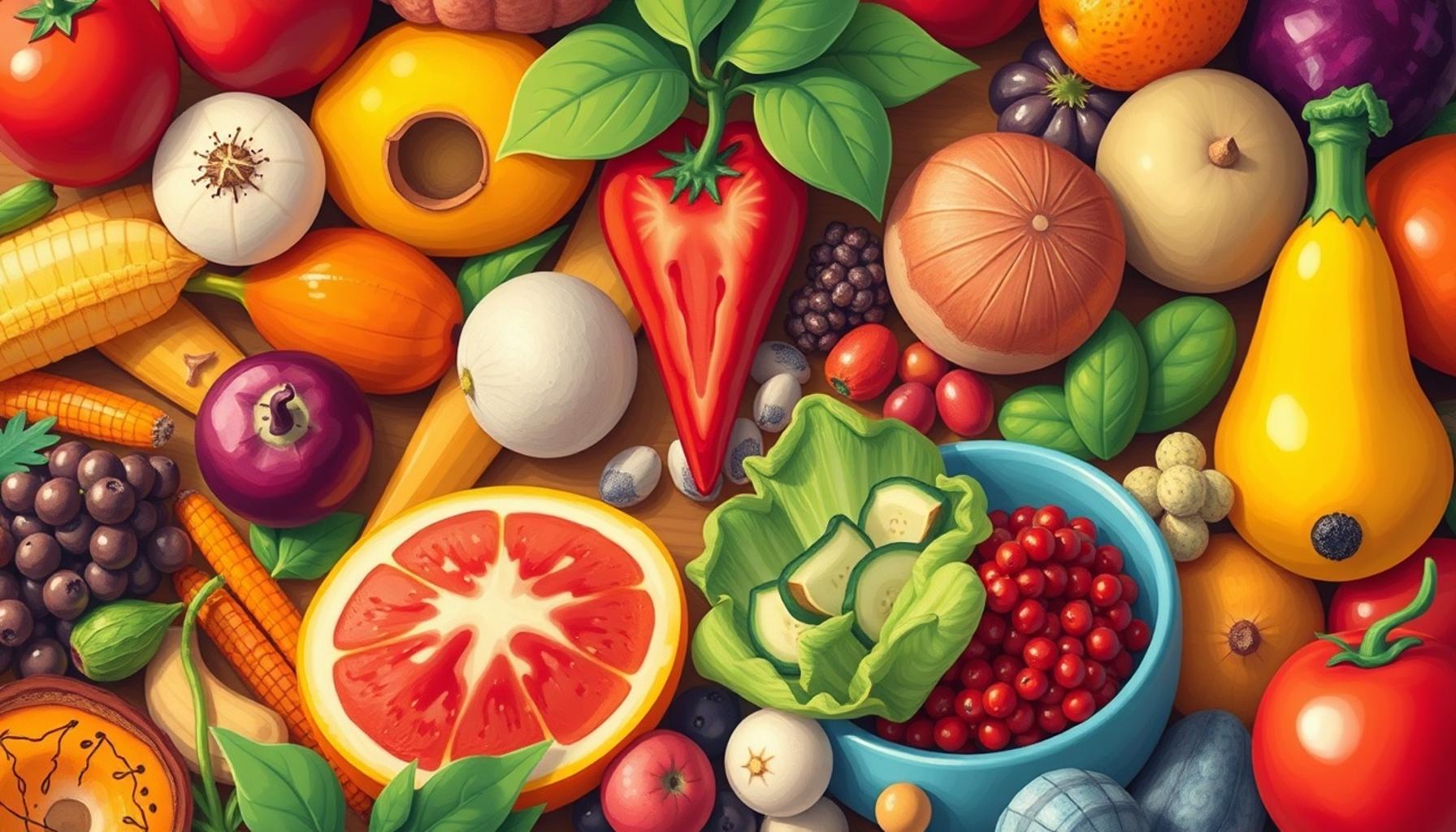
- Fruits such as watermelon and oranges are excellent choices, as they are composed of over 90% water and offer essential vitamins.
- Vegetables like cucumber and celery not only refresh with their high water content but also provide antioxidants that combat oxidative stress on the skin.
- Hydrating beverages such as herbal teas can add variety to your hydration efforts while benefiting from the anti-inflammatory properties often found in herbs.
Understanding the connection between hydration and skin elasticity is not just about achieving healthy skin; it reflects a broader commitment to overall well-being. Exploring the many facets of hydration empowers individuals to make informed choices, enhancing both their health and appearance. So take the plunge into the world of hydration, for your journey toward youthful, vibrant skin starts with what you drink. Your skin will undoubtedly thank you for it.
DISCOVER MORE: Click here to learn about natural treatments
Understanding the Mechanics of Skin Hydration
Hydration is a critical element in the quest for youthful, resilient skin. The texture and overall health of your skin play a significant role in how you are perceived. Skin elasticity, in particular, is integral to achieving that youthful glow. It refers to the skin’s ability to stretch and quickly return to its original shape—think of it as your skin’s springiness. This property is essential not just for aesthetics but also for the skin’s ability to function effectively as a barrier against environmental stressors. The proteins that predominantly contribute to this elasticity are collagen and elastin, which are located deep within the dermis layer.
As we age, the natural production of collagen and elastin decreases, leading to a loss of skin firmness and an increased likelihood of developing wrinkles and fine lines. Research suggests that adequate hydration can significantly enhance the functionality of collagen and elastin. For example, when skin is well-hydrated, it maintains moisture levels that support these proteins’ structural integrity, boosting overall elasticity. Conversely, when hydration levels dip, these proteins can become rigid, slowing down their ability to respond effectively to movements and leading to a lackluster appearance.
Moreover, visible signs of fatigue—like dry patches or a sallow complexion—often mirror a deficiency in hydration. Individuals often underestimate how a lack of hydration can mirror fatigue, resulting in tired-looking skin. When the skin is deprived of moisture, it may sag and droop, highlighting imperfections and aging signs. Thus, focusing on hydration can serve as a foundation for a comprehensive skin care routine that aims to promote a smoother, more vibrant appearance.
The Importance of Internal and External Hydration
Both internal hydration, mainly through consuming sufficient water, and external factors play significant roles in maintaining skin hydration levels:
- Humidity: The environment’s humidity can dramatically influence skin hydration. In particularly arid climates, or during cold winter months in the United States, low humidity can lead to moisture evaporating from the skin. Individuals living in cities with harsh winters, such as Minneapolis or Chicago, may find that their skin requires more hydration products during these times.
- Skin Products: Not all skincare products effectively enhance hydration; some may even strip the skin of moisture. It’s crucial to choose products carefully. Look for ingredients like hyaluronic acid, which can hold up to 1,000 times its weight in water, or glycerin and ceramides that both attract and lock in moisture.
- Dietary Choices: Adequate hydration extends beyond water consumption. A well-rounded diet rich in Vitamin C, omega fatty acids, and antioxidants can enhance hydration from within. Foods such as avocados, salmon, and leafy greens not only provide essential nutrients that support collagen production but also help maintain moisture balance in your skin.
To achieve optimal skin elasticity, an awareness of hydration methods is crucial. Just as a well-balanced diet nurtures overall health, maintaining appropriate hydration levels for your skin is equally essential. By adopting a multifaceted approach—including understanding environmental factors, selecting suitable skin products, and improving dietary habits—you can cultivate a complexion that not only reflects youthfulness but also epitomizes health and vitality.
The Impact of Hydration on Skin Health
Understanding hydration as a key player in skin elasticity is crucial for anyone seeking to maintain a youthful appearance and optimal skin health. When the skin is adequately hydrated, it not only looks more vibrant but also possesses greater flexibility and resilience. This elasticity allows the skin to return to its original form after being stretched or pulled, reducing the appearance of fine lines and wrinkles.
Moreover, hydration is deeply linked to the skin’s natural barrier function. When the skin is well-hydrated, it effectively shields itself from environmental aggressors, such as pollution and harmful UV rays, which can lead to premature aging. Water assists in transporting essential nutrients, enhancing cell turnover and regeneration, leading to healthier skin overall.
In addition, studies highlight that maintaining hydration levels can significantly impact skin conditions such as eczema and psoriasis. These conditions often worsen with dehydration, making it vital for individuals to incorporate adequate fluid intake and hydrating products into their skincare routine.
While drinking sufficient water is essential, external hydration through moisturizers formulated with ingredients like hyaluronic acid, glycerin, and aloe vera can create a synergistic effect. These components draw moisture into the skin and aid in retaining it, amplifying the skin’s hydration levels. As a result, individuals can witness a noticeable improvement in skin texture and elasticity.
| Category | Importance |
|---|---|
| Hydration | Maintains skin elasticity, providing flexibility and reducing wrinkles. |
| Skin Barrier Protection | Acts as a shield against environmental damage and enhances overall skin health. |
In summary, ensuring both internal and external hydration is fundamental in the pursuit of youthful, elastic skin. As the discussion continues, the role of hydration will reveal more hidden benefits that can redefine our approach to skincare.
DISCOVER MORE: Click here to enhance your skincare routine
Hydration’s Role in Youthful Skin: Beyond Basic Care
In the quest for youthful, elastic skin, hydration is not merely a cosmetic concern; it is foundational in maintaining the biological health of skin cells. When hydration levels are optimal, skin cells are plump and vibrant, contributing to a more youthful appearance. However, many factors—including lifestyle choices, environmental stressors, and the aging process—can disrupt this delicate balance, making it essential to discover and understand practical solutions to keep your skin healthy and hydrated.
The Impact of Lifestyle Choices
Your daily habits can significantly influence your skin’s hydration levels. Regular physical activity not only promotes blood circulation but also stimulates the production of sweat, which helps maintain skin hydration through natural moisture. However, it’s vital to replenish fluids lost during exercise. Sports drinks or electrolyte-infused beverages can help restore lost minerals and keep your skin adequately hydrated.
Moreover, the consumption of alcohol and caffeine presents challenges to hydration. These beverages are renowned diuretics, which can lead to increased urination and ultimately result in dehydration. According to the American Academy of Dermatology, it’s advisable to balance such drinks with water to mitigate their dehydrating effects. In addition, smoking has been shown to accelerate skin aging and reduce moisture content, impacting elasticity and overall skin health.
The Science of Skin Hydration Methods
Understanding skin physiology can empower individuals to make informed decisions when it comes to hydration methods. Trans-epidermal water loss (TEWL) is a natural process through which water evaporates from the skin. When this loss is excessive, it compromises the skin barrier, leading to dryness and reduced elasticity. Therefore, utilizing occlusives—ingredients that form a protective layer on the skin—can help minimize TEWL. Look for products containing petrolatum, beeswax, or shea butter for this purpose.
Hydration is reinforced through moisture-binding ingredients such as hyaluronic acid, which can attract and hold water up to 1,000 times its weight. While topical application is effective, incorporating hyaluronic acid-rich foods, such as bone broth and root vegetables, can further support the skin’s hydration from within.
The Synergy Between Sleep and Skin Hydration
Interestingly, adequate sleep plays a pivotal role in maintaining skin hydration and elasticity. During sleep, the body regenerates cells, including those in the skin. Research published in the Journal of Clinical and Aesthetic Dermatology suggests that sleep deprivation can disrupt the skin’s hydration balance, leading to an increase in the signs of aging. Ensuring 7-9 hours of restorative sleep not only enhances overall well-being but has been shown to improve skin texture and elasticity.
To summarize, the conversation surrounding hydration transcends basic skincare; it is intertwined with lifestyle choices, physiological understanding, and the science of skin care. By prioritizing both internal and external hydration strategies—and understanding how various factors interplay—you can take significant strides toward achieving resilient, youthful skin that retains its elasticity, even in the face of life’s challenges.
DISCOVER MORE: Click here to learn how to adapt your skincare
Conclusion: Embracing Hydration for Youthful Skin
In the journey to foster vibrant and youthful skin, hydration emerges as an essential pillar, influencing everything from skin texture to elasticity. This article has highlighted that hydration is far more than a surface-level concern; it involves a multifaceted approach that encompasses lifestyle habits, dietary choices, and adequate sleep. Recognizing the impact of daily decisions, such as hydration levels affected by alcohol and caffeine consumption, empowers individuals to take greater control of their skin’s health.
The scientific understanding of hydration methods, including the role of trans-epidermal water loss and the benefits of moisture-binding ingredients like hyaluronic acid, invites readers to explore both topical and nutritional ways to enhance hydration. Furthermore, the link between hydration and sleep emphasizes that beauty truly does rest on a foundation of overall wellness.
As we embrace our lifestyle choices and prioritize hydration, we have the potential to significantly enhance our skin’s elasticity and resilience. For those striving for supple skin that stands the test of time, integrating effective hydration practices—both internal and external—can lead to remarkable improvements in skin health. Consider making hydration a fundamental part of your daily routine, and witness firsthand how it can transform and revitalize your skin.
In conclusion, the quest for elastic and youthful skin is an ongoing adventure, and hydration is the compass guiding us along the way. By informing ourselves and taking actionable steps toward better hydration, we can truly unlock the secret to maintaining our skin’s natural beauty.
Related posts:
The Benefits of Antioxidant Nutrition for Skin Health
Innovations in Beauty Technology: At-Home Anti-Aging Devices
The Impact of Stress on Skin Health and Premature Aging
The Role of Genetics in Skin Aging and its Implications for Skincare Care
The importance of nutrition in preventing skin aging
Anti-Aging Skincare Routines: How to Adapt Age to Your Skin

Beatriz Johnson is a seasoned skincare specialist and writer with a passion for simplifying the complexities of beauty science and skincare routines. With over a decade of experience in the aesthetics industry, she specializes in topics like ingredient efficacy, anti-aging strategies, and global beauty trends. Through her work, Beatriz empowers readers to make informed skincare choices and stay ahead in the ever-evolving world of beauty and wellness.