Why Consistent Practice is Key to Developing Musical Skills

Unlocking the Power of Consistency
In the realm of creative hobbies, few pursuits offer as much personal growth and satisfaction as music. Whether strumming a guitar, playing the piano, or mastering a new vocal technique, the journey to musical proficiency hinges significantly on one crucial factor: regular practice. Understanding the importance of consistent engagement with your instrument not only enhances your abilities but also deepens your appreciation for the art form.
Many aspiring musicians often underestimate the impact of dedicated practice. Research shows that consistency breeds improvement, fueling both skill development and creative expression. As you commit to this routine, you’ll discover that each session builds upon the last, forming a solid foundation for mastery.
In this article, we will explore the Top 5 reasons why engaging in regular practice is essential for refining musical skills. From enhancing muscle memory to boosting confidence, these insights will help any musician elevate their craft. Let’s dive into the transformative power of consistent practice and unlock your true musical potential!
Top 5 Reasons Why Regular Practice is Essential for Developing Musical Skills
Music is not only a universal language but also a profound form of expression that connects us deeply with our emotions, culture, and the world. Aspiring musicians, whether hobbyists or professionals, must acknowledge the crucial role of regular practice in honing their craft. Consistency in practicing music guarantees progress and opens the door to a rich, fulfilling musical journey. Here, we delve into the top five reasons why consistent practice is indispensable for anyone eager to refine their musical abilities.
5. Development of Muscle Memory
One of the foundational benefits of regular practice is the development of muscle memory. This process occurs when repeated physical movements, like playing scales or fingering chords, become second nature through consistent practice. This automatic response allows musicians to navigate complex pieces more seamlessly.
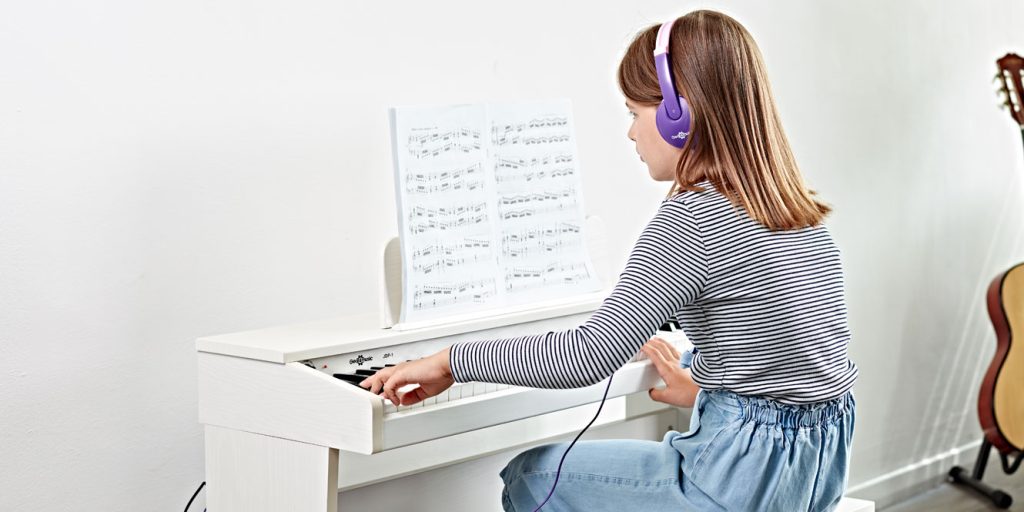
But building muscle memory is not achieved by mere repetition alone; it requires deliberate and skillful practice strategies to be truly effective. Slow practice is a superb technique that allows musicians to play at a reduced tempo, focusing on each note’s accuracy and articulation. Gradually, as proficiency at a slow speed increases, so does the ability to play accurately at normal or fast tempos.
Another crucial strategy involves chunking, breaking down difficult sections into smaller, more manageable pieces, and practicing them repeatedly. This method aids in overcoming challenging segments by tackling them bit by bit.
Furthermore, integrating visualization techniques, where musicians mentally rehearse passages without physically playing their instruments, enhances muscle memory by reinforcing the neural connections necessary for executing those passages.
Through these methods, musicians witness organic progress, experiencing greater fluency and ease during performances.
4. Enhanced Musical Understanding
Regular practice provides a gateway to deeper appreciation and understanding of music’s intricate universe. As musicians engage with their pieces, they gradually recognize patterns, discern scales, and comprehend chord progressions—elements fundamental to the development of a distinctive personal style.
Spending substantial time with an instrument allows musicians to explore different genres and styles, broadening their musical horizons. A guitarist, for instance, might explore the soulful bends of blues one day and the rapid, precise scales of classical music the next.
This exploration extends to the analysis of compositions, where musicians deconstruct pieces to understand their structure—the themes, motifs, and the interplay of various sections. This analytical skill is invaluable, equipping musicians to both interpret and innovate within musical frameworks.
Regular practice also enhances improvisation skills, enabling musicians to experiment in real-time and create spontaneous, expressive performances. This agility and adaptability contribute to developing an all-rounded musician capable of navigating and flourishing in diverse musical environments.
3. Builds Discipline and Time Management Skills
Regular practice requires a commitment that extends beyond technical skill into the realm of personal development, particularly fostering discipline and time management. Musicians must craft a practice schedule that suits their lifestyle, requiring discipline to adhere consistently.
Setting specific goals for each practice session, like mastering a challenging piece or improving a particular technique, contributes to a focused practice environment. Goals may vary but having specific objectives enhances the quality of practice.
Maintaining a consistent daily schedule ensures momentum is maintained, minimizing disruptions in progress and making the learning process smoother and more predictable.
Tracking progress is another crucial element. By keeping a journal or recording practice sessions, musicians can reflect on their growth trajectory, identifying areas of improvement and acknowledging milestones achieved. This self-reflection is instrumental in nurturing motivation and perseverance.
As musicians cultivate discipline within their practice routine, these skills often spill over into other areas of life, aiding in achieving broader personal and professional goals.
2. Increased Self-Confidence
The journey through regular practice leads to significant boosts in self-confidence. Proficiency naturally follows repetitive practice, and with increased skills comes a sense of accomplishment and assurance. For musicians, this is particularly vital as performances often require a level of stage presence that can only be fueled by confidence.
A self-assured musician is more likely to perform comfortably on stage, engaging audiences with their ease and charisma, dramatically reducing performance anxiety. This can be a transformative experience, as nervousness often impedes musical expression.
Every milestone achieved through regular practice fosters this self-confidence. Whether it’s mastering a tricky passage, performing a piece flawlessly, or receiving positive feedback, these small victories build up, enhancing a musician’s sense of capability.
Through persistent practice, musicians learn to embrace challenges, cultivating a positive mindset towards obstacles—essentially seeing them as stepping stones rather than barriers.
1. Mastery and Artistic Expression
The ultimate reward of regular practice is achieving mastery and the freedom to engage in genuine artistic expression. Mastery involves reaching a level of proficiency that facilitates complex, creative, and emotional storytelling through music.
As musicians strive tirelessly to dedicate themselves to practice, they develop a personal musical voice—a unique style that distinguishes their music from others. This voice becomes a critical element, particularly in solo performances or compositions.
Regular practice also nurtures compositional skills, encouraging musicians to create original works by utilizing their deep understanding of musical theory and instrumentation. By experimenting with different sounds and techniques, they can concoct innovative compositions that resonate with audiences on an emotional level.
The profound connection musicians form with their music through consistent practice translates to audiences. Whether performing live, recording in the studio, or composing an original piece, musicians who practice regularly create lasting impacts—an emotional dialogue between artist and listener.
Regular practice is far more than a routine; it is a commitment to growth, a journey toward excellence, and a path to true artistic fulfillment. As musicians continue to dedicate themselves to their practice, they redefine their limits, transforming not only their abilities but their unique contributions to the art world. Regular practice is where mastery begins, where expression takes flight, and where musicians craft their lifelong legacy.
| Category | Description |
|---|---|
| Skill Refinement | Regular practice allows musicians to hone their techniques, improving intonation and rhythm while enabling them to tackle complex compositions with confidence. |
| Emotional Expression | A consistent practice routine helps musicians discover their own style, allowing for the effective communication of emotion through music, which is paramount in creating a captivating performance. |
| Cognitive Development | Engaging regularly in musical practice enhances cognitive functions, improving memory, attention, and multitasking abilities—skills that transcend music and benefit various life aspects. |
| Discipline and Patience | Committing to a defined practice schedule cultivates discipline and patience in musicians. These qualities are essential for personal growth and can significantly influence other areas of life, including education and career. |
Frequently Asked Questions on Regular Practice in Musical Skill Development
Why is regular practice crucial for developing musical skills?
Regular practice is vital because it helps to reinforce the learning of musical skills. By consistently engaging in practice sessions, musicians can develop muscle memory, improve their technical abilities, and enhance their understanding of musical theory. Consistency allows musicians to gradually build upon their skills, providing a foundation for more advanced techniques and creativity.
How much practice is necessary to see improvement in musical abilities?
The amount of practice required varies depending on individual goals, the complexity of the instrument, and previous experience. Generally, experts suggest that focused and thoughtful practice of 30 minutes to 1 hour daily can lead to noticeable improvements for beginners. As one progresses, practice routines may need to be adjusted in intensity and duration to continue advancing.
What are some effective strategies for practicing music regularly?
Effective practice strategies include setting specific goals for each session, using a metronome to improve timing, and breaking down complex pieces into smaller, manageable sections. Moreover, incorporating techniques like deliberate practice, which involves actively solving problems and trying new approaches, can enhance learning. Setting a regular schedule that includes varied activities, such as technical exercises and repertoire, can keep practice sessions engaging and productive.
Can regular practice lead to burnout and how can it be avoided?
Yes, regular practice can sometimes lead to burnout if not managed properly. To avoid burnout, it is crucial to maintain a balanced approach by incorporating rest days, staying mindful of mental and physical health, and infusing diversity into practice schedules. Emphasizing quality over quantity, and ensuring that practice remains enjoyable, can help sustain long-term motivation and prevent fatigue.
Does the type of instrument affect how one should approach regular practice?
Yes, different instruments may require distinct practice approaches due to their unique technical demands. For instance, wind instrument players might need to focus on breath control, whereas string players may concentrate on finger technique and bowing. Nonetheless, the underlying principles of consistency, goal-setting, and varied practice remain universal across all musical disciplines, adapting to the unique aspects of each instrument will maximize skill development.
Conclusion: The Significance of Consistent Practice in Musical Skill Development
The journey of mastering a musical instrument or enhancing vocal abilities is a path marked by dedication, discipline, and most importantly, regular practice. Throughout our exploration of this topic, it is evident that consistent practice stands as a cornerstone in the development of musical skills. The elements of muscle memory, cognitive recognition, and artistic expression heavily rely on the time invested in honing these abilities. Each practice session contributes to a solid foundation, enabling musicians to transform their potential into tangible proficiency.
Key Insights
- Muscle Memory: Regular practice helps in building and retaining muscle memory, enabling musicians to perform effortlessly.
- Cognitive Benefits: Consistency in practice sessions enhances mental faculties, such as concentration and memory, contributing to overall cognitive growth.
- Artistic Expression: With continuous practice, musicians can explore and express their creativity, allowing them to imbue their performances with unique artistic flair.
- Progress Tracking: Structured practice intervals provide opportunities to evaluate progress, set new goals, and overcome challenges.
- Enhanced Self-Discipline: Commitment to regular practice fosters self-discipline, a crucial skill that extends beyond music into other life areas.
In the realm of creative hobbies, music is a profound channel for expression and emotional release. Whether pursuing music as a hobby or a career, the core principle remains—regular practice is essential. It not only elevates technical skills but also enriches personal growth and satisfaction. As readers, you are encouraged to delve deeper into the magic of music through consistent practice, unveiling layers of potential and creativity yet to be explored.
Ultimately, the commitment to regular practice can transform the simple act of playing an instrument into a lifelong passion, redefining our understanding of talent and ability. The profound impact of such dedication is a testament to the power of perseverance and the unending potential of human capability in the creative arts.