The Connection Between Well-Being and Beauty: The Role of Cosmetics in Mental Health
The Harmonious Blend of Beauty and Mental Health
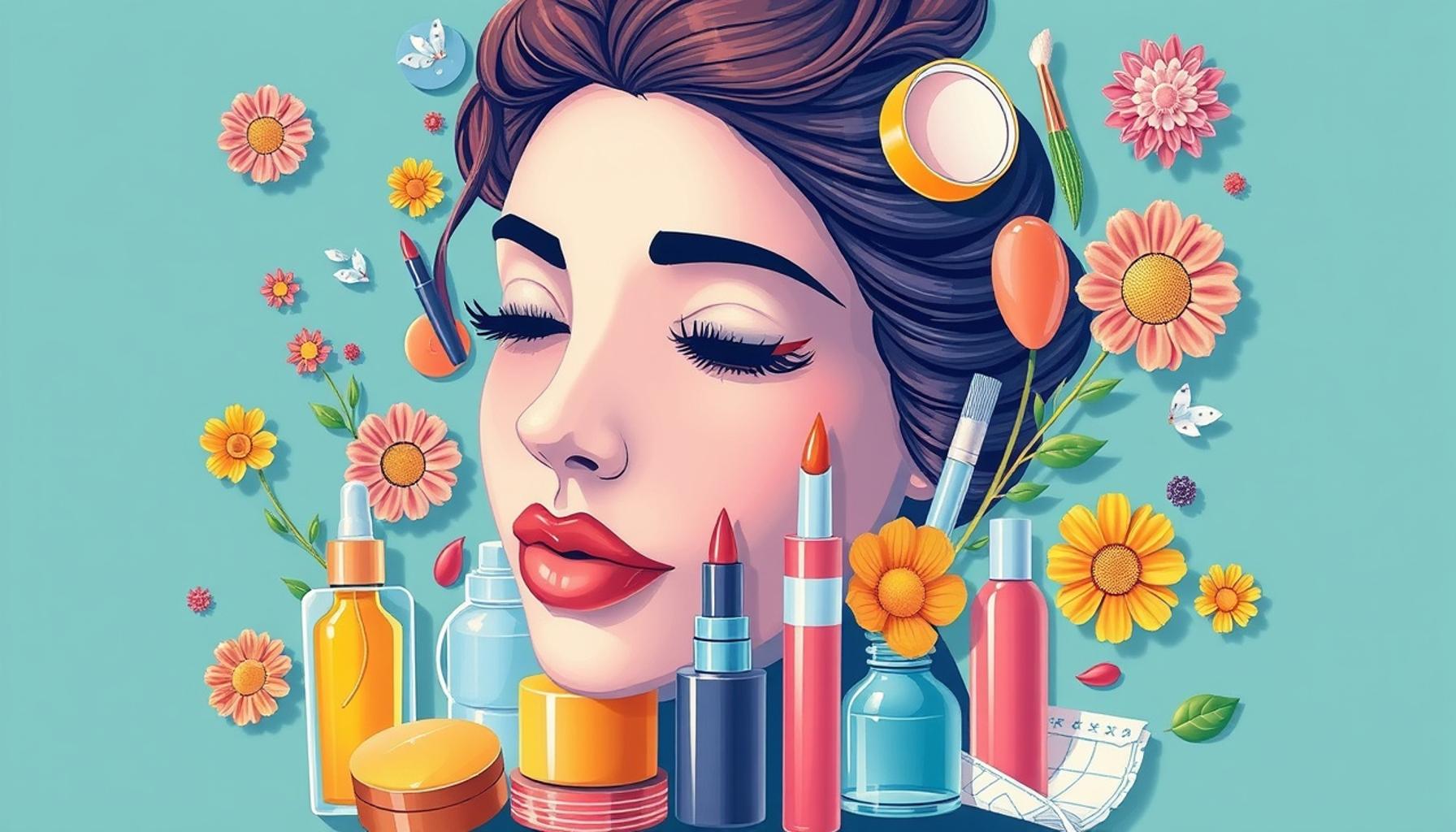
In recent years, the connection between well-being and beauty has gained significant traction, sparking a conversation on how physical appearance can affect mental health. The influence of cosmetics transcends mere aesthetics; it intertwines deeply with issues of self-perception and emotional well-being.
Cosmetics are more than just tools for enhancing appearance; they fulfill essential psychological and emotional needs. Here are some key aspects through which beauty routines intersect with mental health:
- Boosting Confidence: Research shows that many individuals experience a surge in self-esteem when they apply makeup. For example, participants in a study noted that wearing foundation and lipstick enhanced their feelings of attractiveness, leading to a significant increase in confidence levels during social interactions.
- Providing a Ritual: The daily practice of applying cosmetics can serve as a form of self-care, promoting mindfulness and a sense of routine. Similar to meditative practices, focusing on the application of makeup allows individuals to disconnect from stressors, fostering a moment of peace. For many, this daily ritual becomes a sanctuary, a brief escape that encourages self-reflection and self-appreciation.
- Enhancing Mood: Certain beauty products, particularly those with uplifting scents or vibrant colors, can positively impact one’s mood. For instance, using a bright red lipstick may evoke feelings of empowerment and energy, contributing to a more positive outlook. The sensory experience of beauty products can act as a mood enhancer that fuels overall happiness.
This complex interplay reveals that beauty practices can significantly contribute to one’s mental well-being. According to studies conducted by organizations like the American Psychological Association, feeling good in one’s skin can lead to a reduction in symptoms of anxiety and depression.
Moreover, the rise of social media platforms, particularly Instagram and TikTok, has further amplified the dialogue surrounding beauty. These platforms not only allow individuals to share makeup tips and product reviews but also provide a space for personal stories of transformation and emotional healing through beauty. Users create content that reflects their journeys, influencing and inspiring others to find empowerment through self-expression.
As we investigate this intricate relationship, the implications of cosmetics on our emotions and mental health become increasingly transparent. Understanding this connection may empower individuals not only to explore their beauty routines but also to navigate their overall mental health journeys with greater awareness and intention.
DON’T MISS: Click here for essential anti-aging tips!
Cosmetics as a Source of Psychological Empowerment
The influence of cosmetics on mental health is not just anecdotal; it is substantiated by extensive research. Numerous studies demonstrate that the act of beautifying oneself can significantly alter psychological states, offering a viable pathway to improved well-being. This relationship between the practice of applying cosmetics and psychological empowerment raises important questions regarding the role of personal appearance in fostering mental health.
At the core of this connection lies the concept of self-identity. Often, individuals use makeup as a means to express themselves, crafting a public persona that aligns with their inner feelings and aspirations. This expression of identity through beauty can lead to heightened self-awareness and acceptance, ultimately contributing to an improved mental state. For example, a report by the American Psychological Association indicates that people who take the time to enhance their appearance tend to have a better self-image and report lower instances of anxiety.
Moreover, the psychological benefits extend beyond mere appearance. Engaging in makeup application can serve as a form of self-therapy. Many users find the act of painting their face to be a creative outlet, allowing them to disconnect from the stresses of everyday life. Embracing this routine encourages individuals to focus on self-care, a vital component in the pursuit of mental wellness. A study published in the Journal of Psychological Science highlighted that engaging in beauty rituals, such as makeup application, successfully reduces symptoms of depression in participants.
In addition to self-therapeutic properties, the cosmetic industry has begun to recognize its potential in contributing positively to mental health. Brands are increasingly marketing products that not only enhance beauty but also promote uplifting messages. For instance, many companies are now incorporating mental health advocacy directly into their branding, which resonates with consumers on a deeper emotional level. Advertising campaigns may feature themes of self-acceptance and empowerment, encouraging individuals to acknowledge their worth beyond societal beauty standards. This shift underscores the growing acknowledgment of the mental health benefits that beauty products can provide.
Furthermore, makeup can serve as a confidence booster when facing life’s challenges. The transformative power of cosmetics is evident when individuals report feeling more empowered and ready to conquer their day after simply applying their favorite lipstick or eyeshadow. This phenomenon is prevalent in various settings, from job interviews to public speaking engagements, where personal presentation can significantly influence the outcome. For many, cosmetics act as an armor that shields them from insecurities, equipping them with the confidence to pursue opportunities they may have otherwise shied away from.
In looking at the intersection of beauty and mental health, one must consider the myriad ways cosmetics can foster personal growth and emotional stability. By understanding its transformative potential, individuals can engage more mindfully in their beauty practices, gradually realizing that the connection between well-being and beauty is not merely superficial, but foundational in fostering a more fulfilling life.
| Category | Details |
|---|---|
| Psychological Boost | Makeup can enhance self-esteem and confidence, providing individuals with a sense of empowerment and control over their appearance. |
| Creative Expression | Cosmetics offer a unique avenue for self-expression, allowing individuals to explore their identities and emotions through various looks and styles. |
| Social Connections | Participating in beauty rituals can foster social interactions and community, strengthening relationships and encouraging positive mental health. |
| Therapeutic Value | The process of applying cosmetics can be meditative, providing a tranquil moment that enhances mindfulness and reduces stress. |
The multifaceted relationship between cosmetics, well-being, and mental health is a growing area of interest among researchers and beauty enthusiasts alike. The use of cosmetics can serve as a powerful tool in promoting positive psychological outcomes. For instance, when individuals apply makeup, it often leads to enhanced self-perception, which is directly linked to their psychological well-being. Furthermore, cosmetics allow for creative expression—essential in exploring one’s identity and emotions freely.Social connections intensified through beauty rituals foster a sense of belonging, further contributing to emotional resilience. Engaging with such communities has proven beneficial for mental stability by breaking isolation, as individuals bond over shared interests in aesthetic choices. Additionally, the ritualistic aspect of applying makeup can double as a therapeutic experience, amplifying mindfulness and reducing anxiety. The transformative powers of cosmetics not only enhance external beauty but play a vital role in nurturing mental health.
DISCOVER MORE: Click here to learn about effective anti-aging supplements
Cosmetics and Social Interaction: The Psychological Benefits of Beauty
The psychological implications of engaging with cosmetics extend beyond individual application; they also encompass the social avenues created through beauty rituals. Social interactions often hinge on first impressions, and the visual presentation plays a pivotal role in shaping people’s perceptions of one another. A study published in the journal Emotion found that individuals perceived as more attractive often experience greater social advantages—including better job prospects and more positive social interactions—which in turn can contribute to enhanced mental well-being.
For many, cosmetics help bridge the gap in social settings, offering an essential tool for navigating complex interactions. The process of getting ready for an outing—whether it’s a casual brunch with friends or an important networking event—can serve as a motivational catalyst. Beyond the aesthetic benefits, the anticipation of presenting oneself in a polished manner often correlates with increased excitement and positivity leading up to social engagements. This phenomenon highlights the importance of cosmetics in facilitating self-esteem, as the act of beautifying oneself can significantly lower social anxiety and allow individuals to engage more freely with others.
Moreover, the rise of digital platforms and social media has further amplified this connection between beauty and well-being. The culture of sharing beauty routines, makeup looks, and skincare tips online provides a community-centric approach to cosmetics. According to a survey by the Pew Research Center, around 69% of adults in the United States use social media, creating a space where individuals can gather to share their experiences and support one another in their beauty journeys. These online communities not only facilitate a sense of belonging but also encourage positive self-image and confidence through communal reinforcement.
Importantly, this collaborative environment fosters resilience by allowing individuals to create shared narratives. Users often express vulnerability around their struggles with self-image and mental health, and the supportive nature of these digital communities can help alleviate feelings of isolation. Engaging with cosmetics becomes not merely an act of beautification but a collective experience that empowers individuals and normalizes discussions around both beauty and mental health.
The connection between cosmetics and mental health is also evident in the diverse cosmopolitan culture of the United States, where beauty products serve as a reflection of personal style and identity across various demographic groups. This diversity fosters appreciation for different beauty standards and allows conversations regarding self-worth and acceptance to thrive. For instance, with the growing popularity of inclusive brands that cater to a broad spectrum of skin tones and types, individuals from various backgrounds can see their unique beauty represented. This inclusivity nurtures mental well-being by promoting a sense of belonging and validation.
As the cosmetic industry evolves, focusing on holistic approaches to beauty is paramount. More brands are beginning to emphasize self-care angles in their marketing strategies, intertwining messages of mental health awareness with beauty promotions. Initiatives like promoting self-confidence through beauty workshops and campaigns underscore the collective responsibility of the industry to contribute positively to consumers’ mental states. This proactive approach highlights how cosmetics can be integrated into a comprehensive wellness journey, leading to enriched self-esteem and enhanced overall mental health.
DISCOVER MORE: Click here to learn about the evolution of natural ingredients
Conclusion: Embracing the Synergy of Beauty and Well-Being
In a world increasingly shaped by visual expression, the connection between beauty and mental well-being has never been more apparent. As explored throughout this article, cosmetics are far more than mere tools for enhancement—they serve as vital instruments in building self-esteem, fostering social interactions, and contributing to mental health resilience. The act of applying makeup or skincare is intertwined with personal identity, offering individuals a way to communicate their styles, emotions, and stories to the world.
The digital age has amplified this relationship, creating inclusive communities where beauty rituals become collective experiences. Platforms dedicated to sharing beauty routines promote not just aesthetics but also empowerment and communal support. This has led to enhanced self-image among users, showing that when beauty is embraced positively, it can lead to improved mental health outcomes.
As brands pivot towards self-care in their marketing strategies, there is a growing emphasis on mental health awareness intertwined with cosmetic products. This evolution signals a vital change in the industry’s approach—recognizing its role in a holistic wellness journey. By investing in inclusive products and supportive community engagement, cosmetics can become a powerful ally in nurturing both beauty and well-being.
Ultimately, embracing the synergy between mental health and beauty may pave the way for individuals to not only look their best but feel their best. As we continue to delve deeper into the psychological benefits of cosmetics, let us recognize the transformative power they hold in enriching our lives and enhancing our collective mental health.
Related posts:
The Psychology of Colors in Makeup Products: How to Choose the Right Shade
The Importance of Transparent Labeling in Cosmetic Products: What Consumers Need to Know
Impact of Sustainable Cosmetics on the Beauty Industry
Sustainable Beauty: How Cosmetic Brands Are Adopting Ecological Practices
Personalization in Cosmetics: How Technology is Transforming the Consumer Experience
The Relationship Between Cosmetics and Diversity: Celebrating Beauty in All Its Forms

Beatriz Johnson is a seasoned skincare specialist and writer with a passion for simplifying the complexities of beauty science and skincare routines. With over a decade of experience in the aesthetics industry, she specializes in topics like ingredient efficacy, anti-aging strategies, and global beauty trends. Through her work, Beatriz empowers readers to make informed skincare choices and stay ahead in the ever-evolving world of beauty and wellness.