The Psychology of Colors in Makeup Products: How to Choose the Right Shade
Examining the Nuances of Color in Makeup
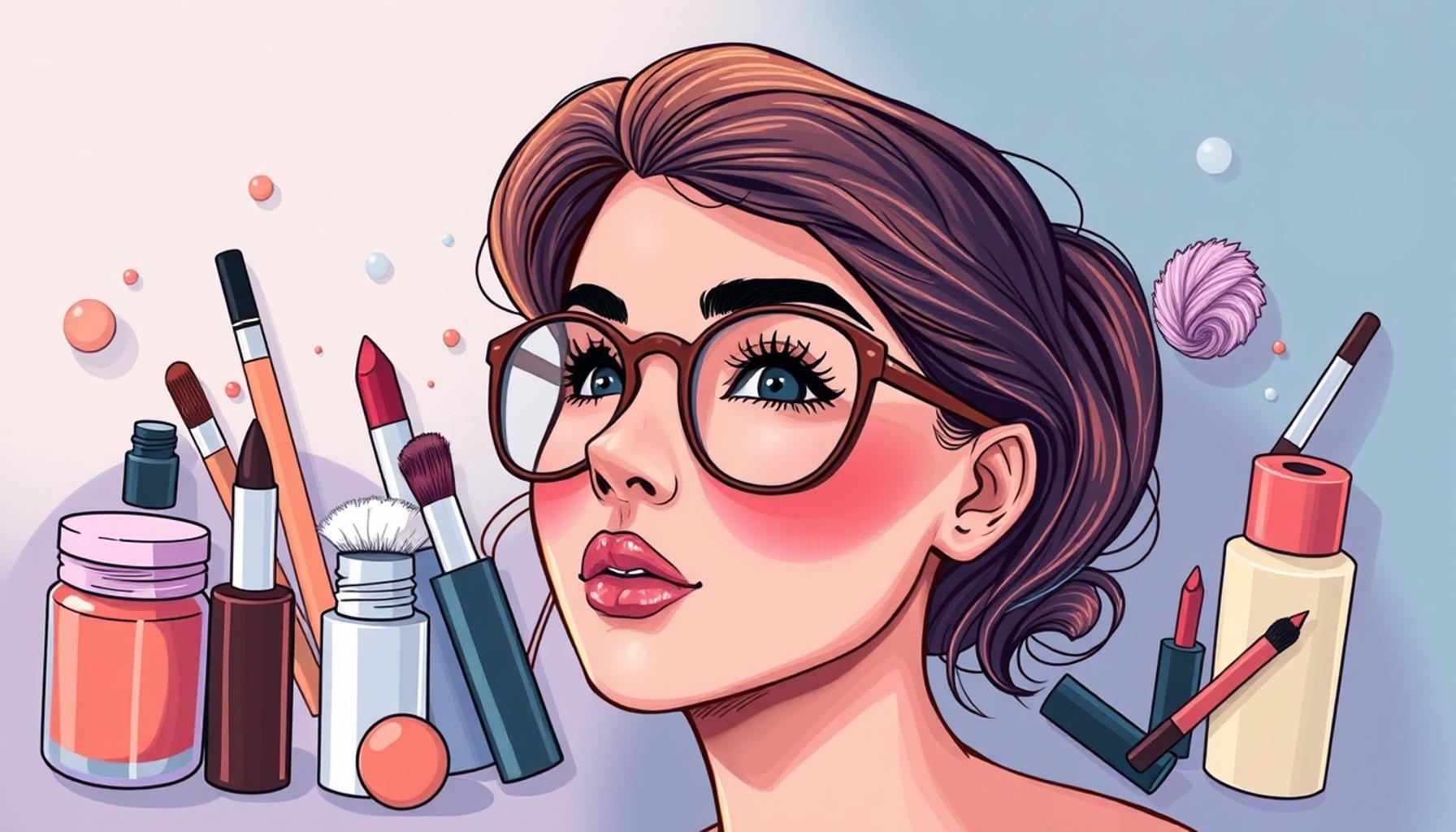
When diving into the intricate world of makeup, understanding the influence of color transcends mere aesthetics. Color is a powerful tool that evokes emotions, shapes perceptions, and plays a significant role in societal standards. The psychology of colors intricately guides our choices, unearthing hues that resonate with our individual personalities while enhancing our unique beauty. From the electrifying allure of deep crimson to the gentle whisper of pastel pink, every shade conveys its own distinct message.
As you embark on your makeup journey, it is crucial to consider several factors when selecting your shades:
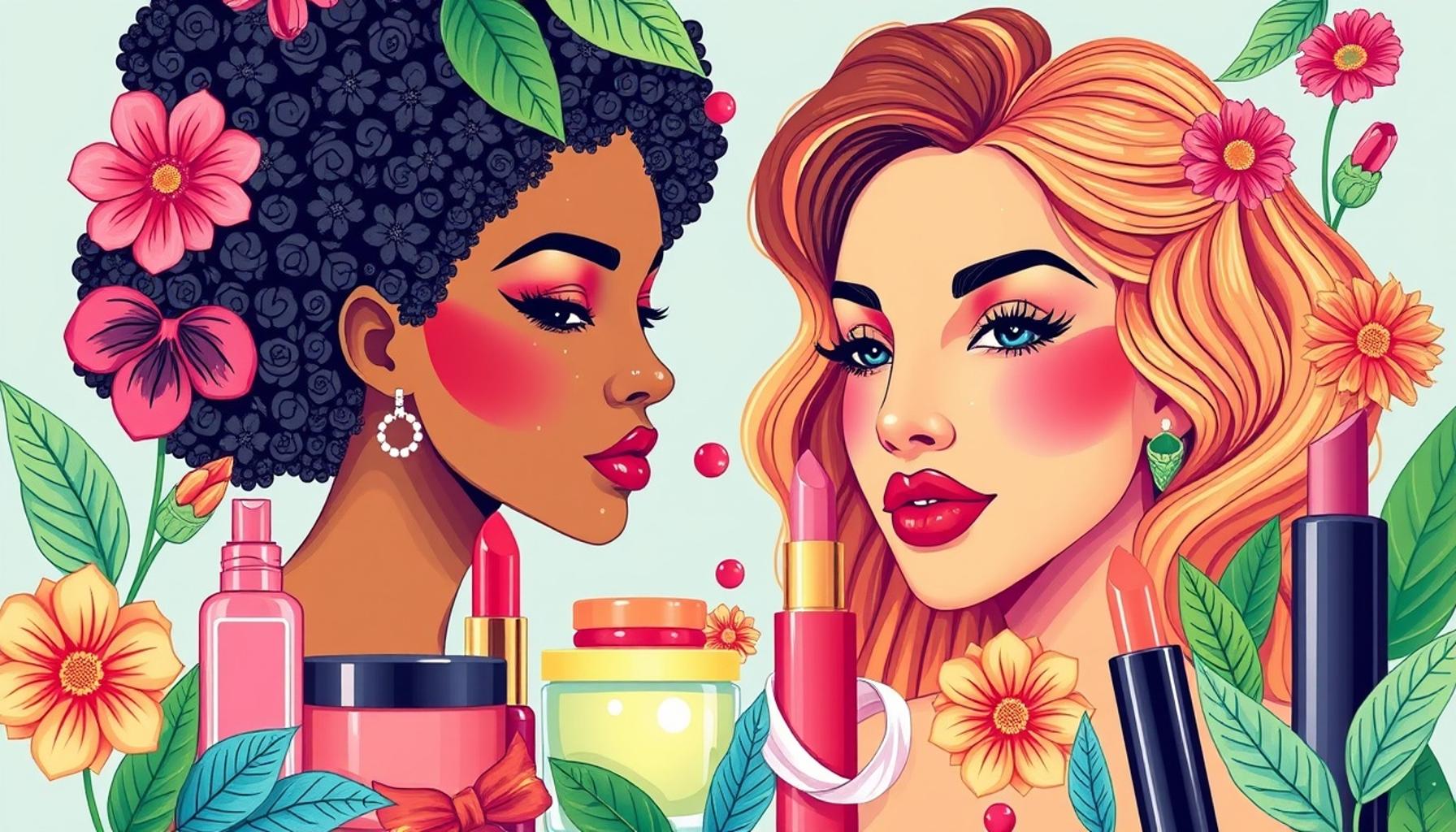
- Skin Tone: Recognizing whether you have cool, warm, or neutral undertones can greatly affect the way a color appears on your skin. For instance, warm tones may find that golden hues or coral shades accentuate their complexion, while cooler undertones can shine with jewel tones like sapphire and deep emerald.
- Occasion: The setting or event can dictate the colors you choose. Bright and vibrant colors are often linked with spirited and fun gatherings, such as parties or festivals, while deeper and more muted tones are associated with formal events and professional settings, conveying sophistication and seriousness.
- Personal Style: Your makeup choices should align with your overall wardrobe and personal style, creating a cohesive look. For example, if your style leans towards bohemian, you may prefer earthy tones or floral patterns, whereas a minimalist style may call for clean lines and muted colors.
Studies illustrate that colors can have profound effects on one’s self-esteem and confidence levels. For instance, wearing red is often linked to feelings of empowerment and passion, making it a popular choice for crucial meetings or dates. In contrast, blue is associated with tranquility and dependability, making it ideal for events where calmness is essential, such as interviews or presentations.
As you delve deeper into your makeup artistry, it becomes apparent that the shades you select communicate not just your beauty but also your emotional state and personal brand. By choosing the right color, you not only enhance your features but also articulate your individuality and mood. This understanding allows you to wield makeup as a tool for not just enhancing beauty, but also for expressing your innermost self, creating a vibrant conversation without uttering a single word.
In conclusion, exploring the impact of color in makeup offers an exciting avenue for self-discovery and expression. Armed with the knowledge of color theory, you can confidently navigate the makeup aisle, curating a palette that resonates with your spirit and aligns with your life’s many occasions.
DIVE DEEPER: Click here to learn about your skin type
Understanding the Impact of Color Choices in Makeup
Choosing the right makeup color isn’t merely a matter of preference; it is a nuanced decision that requires an understanding of how different shades can impact our perception and emotions. The dual power of color acts as both a visual enhancer and a psychological influencer, creating a canvas upon which personal identity can be painted. By unraveling the intricate psychology of colors, we can learn to navigate the vast array of hues available in makeup products to find those that resonate with our inner selves.
To effectively harness the power of color in makeup, consider the following key elements that can guide your selection:
- Color Wheel Fundamentals: Familiarity with the color wheel is fundamental in understanding how colors interact with one another. Complementary colors, which are opposite each other on the wheel, can create striking contrasts that enhance facial features. For instance, if your natural skin tone has a yellowish hue, pairing it with purples or cool pinks can create a vibrant, balanced look.
- Seasonal Color Analysis: The concept of seasonal color palettes categorizes individuals based on their natural coloring, allowing for a more tailored approach to makeup selection. Autumns may gravitate towards warm, rich colors like burnt orange or olive green, while summers might find joy in soft pastels and cooler tones. Understanding which “season” you align with can provide guidance when selecting shades for various occasions.
- Emotional Connection: Different colors invoke different emotional responses. For instance, wearing bold shades such as fiery red can communicate confidence and assertiveness, while muted tones can evoke calmness and subtlety. By tapping into the emotional resonance of colors, you can choose shades that not only look good but also make you feel empowered and aligned with your mood.
Moreover, research supports the notion that our color choices can significantly influence how others perceive us. Studies on color psychology indicate that people often attribute specific traits to those wearing certain colors. For instance, individuals donning the color black are often viewed as sophisticated and authoritative, while those in vibrant blues may give off a sense of approachability and serenity. This aspect of color psychology becomes crucial when crafting your public image and selecting makeup for various scenarios.
As you begin your exploration into the realm of makeup, keep in mind that colors are not only a means of beautification but also serve as a language unto themselves. Each shade tells a story, expresses a mood, and conveys a sentiment. By understanding the psychology behind these hues, you can select the perfect makeup shades that not only enhance your features but also reflect your personality and aspirations.
In the journey of makeup application, approaching color selection with intention allows for richer self-expression and a deeper connection to the products that adorn your skin.
| Color Psychology | Impact on Makeup Selection |
|---|---|
| Warm Colors | Warm shades like reds and oranges can evoke excitement and passion, making them ideal for a bold makeup look that grabs attention. |
| Cool Colors | Cool colors such as blues and greens are often perceived as calming and serene; these tones can help convey a sense of tranquility in your overall aesthetic. |
| Neutral Colors | Neutrals serve as versatile base shades that complement almost any look, enhancing the wearer’s natural features while providing balance. |
| Understanding Undertones | Recognizing your skin’s undertones—warm, cool, or neutral—can significantly influence makeup choices, ensuring a harmonious and flattering result. |
Understanding the psychology behind colors is vital when selecting makeup shades that not only enhance your features but also express your personality. Warm colors like reds and oranges stimulate excitement, making them perfect for evening events, while cool colors are associated with relaxation and peace, suitable for daytime appearances. Neutral shades can provide a balanced, understated look, ensuring versatility.Moreover, the importance of acknowledging your skin’s undertones cannot be overstated. When makeup choices align with one’s undertones, the overall effect is striking harmony—making it crucial for beauty enthusiasts to explore this aspect deeply. Sea greens can complement a warm undertone, whereas cool blues might favor someone with cooler undertones—demonstrating the importance of this nuance. Dive deeper into how these colors influence emotions and perceptions, and you may just find the perfect shade that complements not only your complexion but also your mood and self-expression.
DISCOVER MORE: Click here to learn about the latest trends
Exploring the Nuances of Undertones
Understanding the fundamental differences in undertones is crucial when selecting makeup shades that harmonize with your natural complexion. Undertones are the subtle hues beneath the surface of your skin that remain consistent regardless of tanning or seasonal changes. Typically, they fall into three categories: warm, cool, and neutral.
Individuals with warm undertones often exhibit a golden or peachy hue, which pairs beautifully with earthy tones such as orange, coral, and warm browns. Cool undertones, characterized by hints of pink, blue, or purple, are complemented well by jewel tones like blue and violet, as well as cool reds. Meanwhile, those with neutral undertones possess a balanced mix of both warm and cool tones, thereby having the versatility to wear a broad spectrum of colors. To identify your undertone, you may try the vein test: if your veins appear greenish, you are likely warm-toned; if they look bluish, you are cool-toned; and if you find it difficult to determine, you may fall into the neutral category. This assessment will help guide you in picking shades that enhance your natural glow.
The Influence of Trends and Cultural Perceptions
The influence of trends and cultural perceptions is another layer to consider when choosing makeup colors. Social media platforms like Instagram and TikTok have become powerful tools for beauty trends, allowing users to discover new products and shades that may resonate with their individual sense of style. For example, the resurgence of Y2K aesthetics has reignited interest in colorful eyeshadows and bold lip colors reminiscent of the late 90s and early 2000s. This trend can tempt makeup enthusiasts to incorporate vibrant purples, blues, and luminous pinks into their palettes, making bold statements about personality and creativity.
Additionally, various cultures often ascribe different meanings and significance to colors. For instance, in some cultures, red symbolizes luck and prosperity, while in others, it may convey love and passion. Understanding these cultural nuances not only helps you choose shades that align with your individual preferences, but also allows you to engage in deeper conversations about your makeup choices. By being conscious of these associations, you can enhance your makeup routine with colors that not only look good but also carry personal and cultural significance.
Harnessing the Power of Seasonal Trends
Seasonal trends can also play a pivotal role in the psychology of colors within makeup. Just as our wardrobes shift with the changing seasons, so too do our makeup collections benefit from seasonal adaptations. The autumn season often ushers in rich, warm colors, such as burgundy, burnt orange, and deep browns. In contrast, the spring months bring forth lighter palettes with pastel hues like soft pinks and lavenders. Staying attuned to seasonal trends not only makes for an aesthetically pleasing makeup palette but also aligns with the biological predisposition to favor certain colors associated with specific seasons.
Moreover, trends often transcend mere aesthetics and delve into the psychological aspects of color perception. For instance, during the colder seasons, people may find comfort in warmer tones that evoke feelings of coziness and warmth, while summer prompts a desire for vibrant, lively colors that express joy and playfulness. Recognizing these patterns can guide your color selection not only for daily wear but also for special occasions, ensuring that your makeup complements not just your outfit, but also your emotional state.
As you delve deeper into the world of makeup, remember that color choices are a powerful form of self-expression, blending aesthetic principles with psychology. Engaging with the broader implications of your selections can elevate your makeup game, turning a simple application into a statement about who you are and how you wish to engage with the world around you.
DISCOVER MORE: Click here for the latest in beauty tech
Conclusion: Embracing Color Psychology in Your Makeup Selection
As we navigate the vibrant world of makeup, the psychology of colors plays an indispensable role in creating our unique beauty narratives. Understanding the significance of undertones, the impact of trends, and the cultural connotations of colors allows us to make informed and personal choices when selecting makeup shades. By recognizing whether your skin leans towards warm, cool, or neutral undertones, you can simplify the process of finding the perfect foundation, blush, or lipstick that enhances your natural beauty.
Moreover, staying attuned to seasonal trends not only enriches your makeup collection but also aligns it with the emotional resonance that different colors evoke. As trends shift and change, whether through social media influence or cultural practices, incorporating these elements can deepen your connection with the makeup you choose. In essence, using colors in a way that tells a personal story offers a powerful form of self-expression.
Ultimately, the psychology of colors in makeup transcends mere application; it connects us to feelings, memories, and identities. Choosing the right shade is more than a cosmetic decision; it is an assertion of personality and emotional state that allows you to engage with the world in a meaningful way. As you explore various colors, remember that every hue has the potential to transform not just your appearance but also your mindset. Take the time to experiment, discover, and, most importantly, embrace your individual beauty through the thoughtful selection of makeup shades.
Related posts:
The Relationship Between Cosmetics and Diversity: Celebrating Beauty in All Its Forms
The Importance of Transparent Labeling in Cosmetic Products: What Consumers Need to Know
The Influence of Social Media on Cosmetic Trends: How Digital Marketing is Transforming the Industry
The Rise of Vegan Cosmetics: Benefits and Challenges for the Industry
Impact of Sustainable Cosmetics on the Beauty Industry
Personalization in Cosmetics: How Technology is Transforming the Consumer Experience

Beatriz Johnson is a seasoned skincare specialist and writer with a passion for simplifying the complexities of beauty science and skincare routines. With over a decade of experience in the aesthetics industry, she specializes in topics like ingredient efficacy, anti-aging strategies, and global beauty trends. Through her work, Beatriz empowers readers to make informed skincare choices and stay ahead in the ever-evolving world of beauty and wellness.