Exploring Different Forms of Artistic Expression: From Painting to Graffiti, How Each Medium Reflects Cultural Identity
The Role of Art in Cultural Expression
Art transcends the mere act of creation; it is a powerful vehicle for cultural expression that unites diverse communities and offers profound insights into varying perspectives. Each artistic medium, from traditional painting to the audacious world of graffiti, conveys a unique narrative that resonates deeply with cultural identity, reflecting our shared histories and individual experiences.
Diverse Mediums of Artistic Expression
Consider the following forms of artistic expression that each capture essential truths about society:
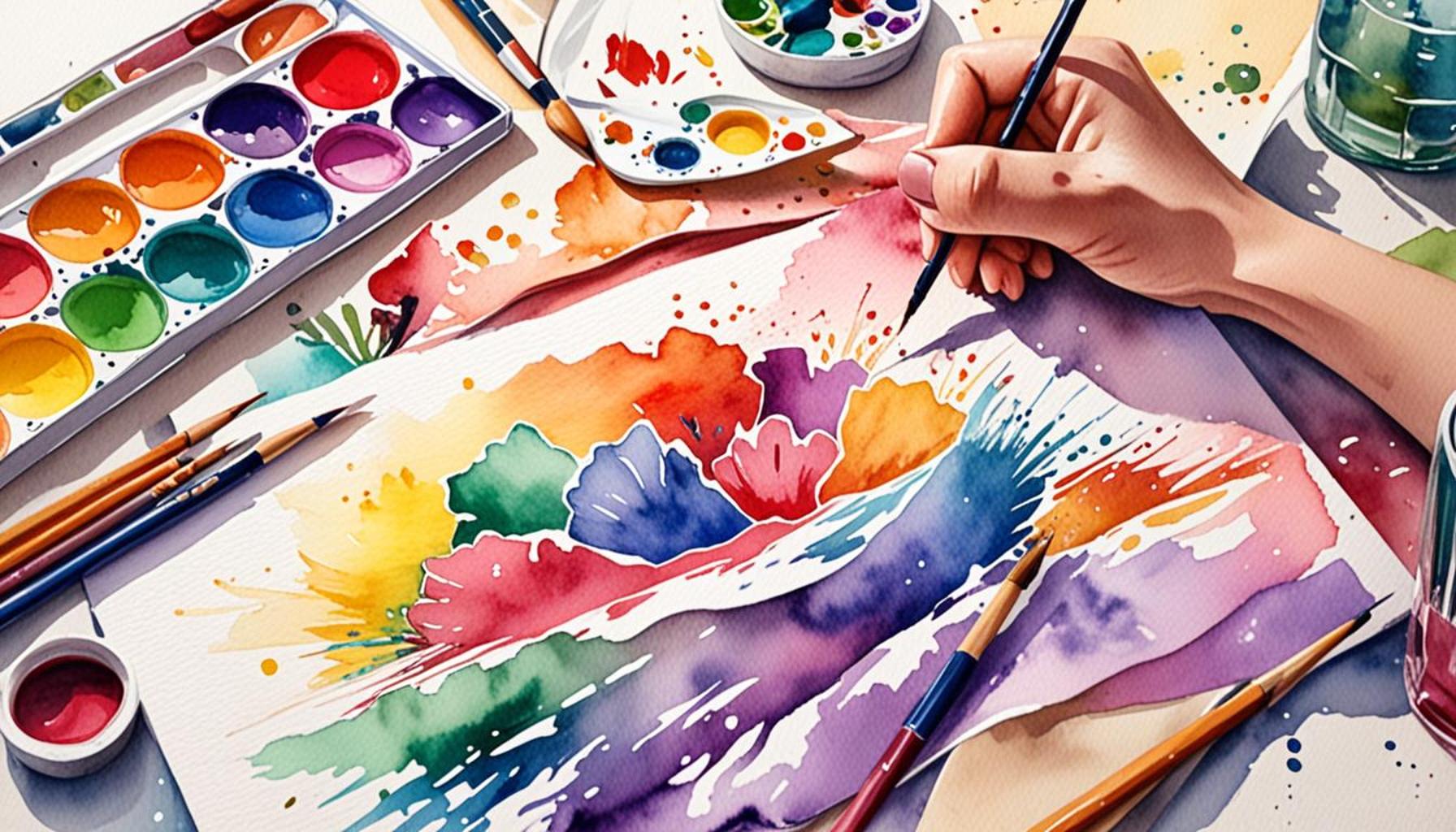
- Painting: Historically, this medium has been instrumental in depicting key events, shared emotions, or localized folklore. For example, the works of African American artists like Jacob Lawrence profoundly explore the struggles and achievements of the Black experience in the United States, capturing the essence of society’s values through bold colors and dynamic compositions.
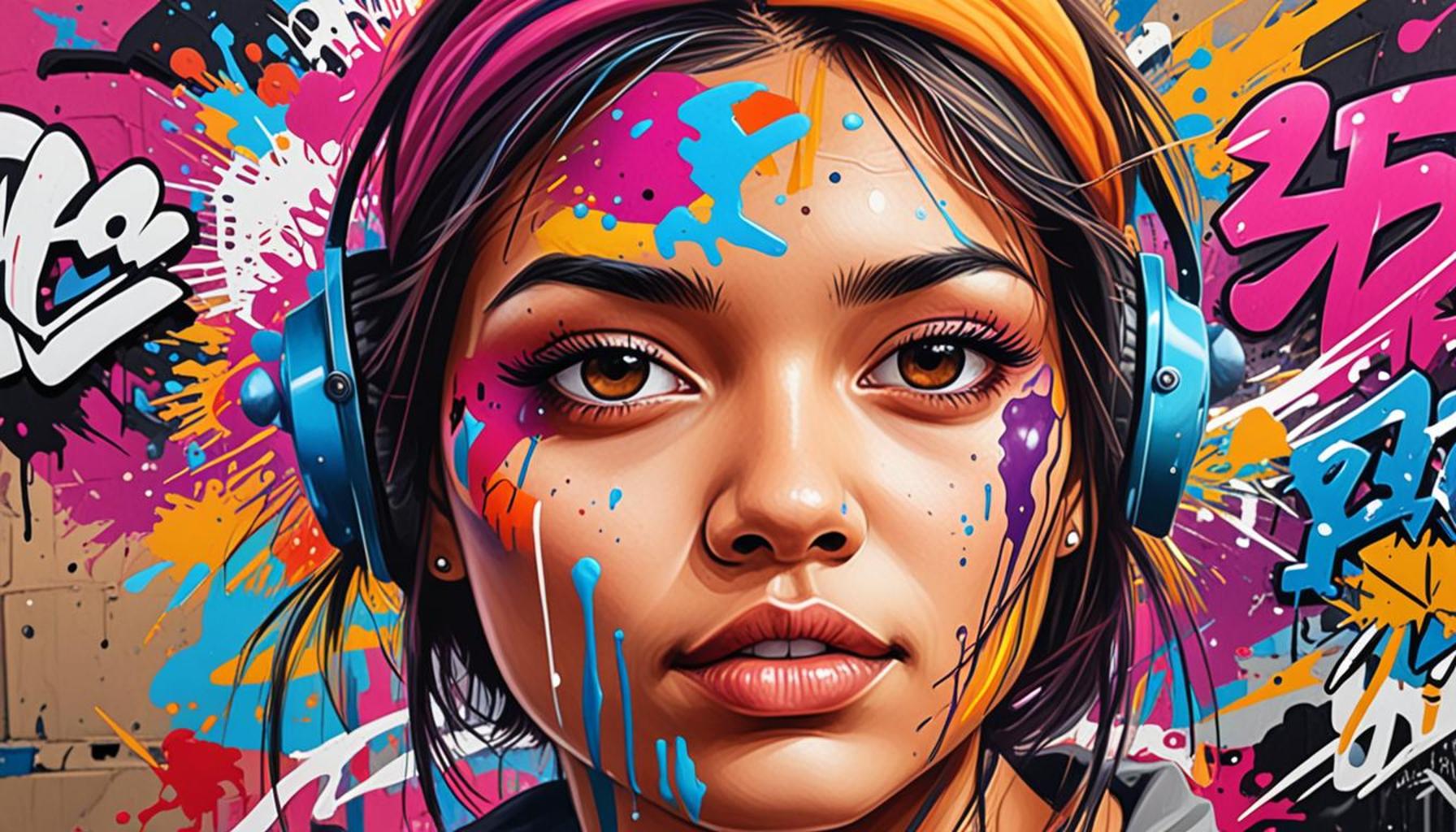
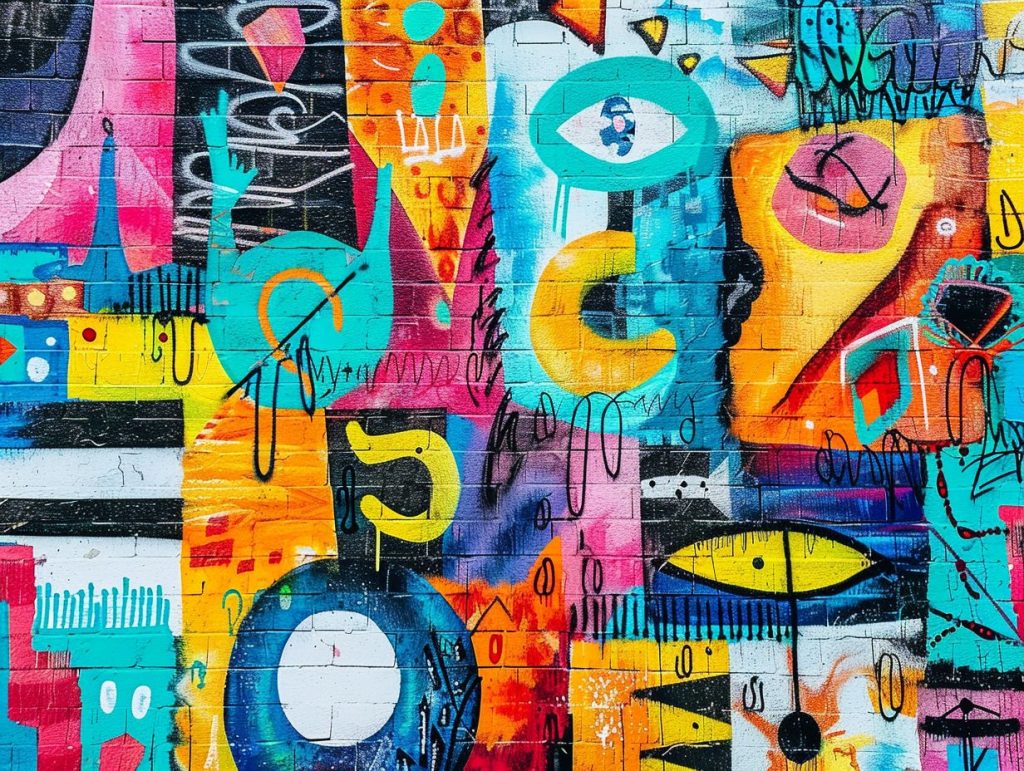
- Graffiti: This medium, often emerging from urban environments, is characterized by its bold colors and daring statements. Street artists like Banksy utilize walls as canvases to challenge societal norms and provoke thought on pressing social issues such as inequality and corruption. NYC’s graffiti culture, particularly in places like the Bronx, has become a symbol of resistance and a voice for the marginalized.
- Sculpture: This three-dimensional form of art provides a tactile connection to culture. From the haunting figures of African tribal sculptures to the iconic installations of contemporary artists like Jeff Koons, sculptures often encapsulate religious, historical, or societal beliefs, inviting viewers to engage physically and emotionally with their surroundings.
The Intricacies of American Art
American modern art notably highlights diversity and inclusivity. Movements such as Abstract Expressionism emerged in post-war America, promoting individual expression and emotional depth. Artists like Mark Rothko and Jackson Pollock explored subjective experience, encouraging viewers to connect with their innermost feelings through vibrant colors and abstract forms.
As we explore these artistic forms, it becomes increasingly clear how they interact with societal values and beliefs. Through art, we can understand the complexities of identity, from the various cultural influences that shape American society to the more personal narratives that individuals embody. This makes art not just an aesthetic experience, but a crucial element of cultural dialogue.
Ultimately, art does more than decorate our surroundings; it acts as a mirror, reflecting who we are as a collective society. It serves as a testament to human creativity, resilience, and the ongoing quest for understanding in an ever-diverse world. Engaging with these artistic expressions encourages us to investigate further and appreciate the rich tapestry of cultural identities that color our shared experience.
DISCOVER MORE: Click here to dive deeper
Understanding the Impact of Art on Cultural Identity
Art, in all its myriad forms, serves as a cultural lens through which we can examine the prevailing themes, struggles, and triumphs within a society. Each artistic medium provides a platform for creators to articulate their viewpoints, beckoning audiences to ponder deeper questions surrounding identity, heritage, and shared experiences. The diversity in artistic expression enables individuals from varied backgrounds to resonate with the works presented, fostering a sense of belonging and cultural pride.
To fully appreciate how different forms of artistic expression reflect cultural identity, it is vital to delve into various mediums and their inherent messages:
- Photography: Often dubbed the art of capturing moments, photography enables artists to document realities and tell stories as seen through their unique perspectives. Consider the profound work of Gordon Parks, whose powerful imagery documented the lives of African American communities during the Civil Rights Movement. His photographs are more than just images; they serve as visual narratives that embody struggle, hope, and the quest for equality.
- Dance: As an expressive art form rooted in movement, dance conveys emotions and tells stories often deeply intertwined with cultural practices. Indigenous dance traditions, such as those of Native American tribes, serve as vital expressions of cultural identity, representing rituals, historical events, and the intricacies of spiritual beliefs through movement and music.
- Theater: Theater is another powerful medium that reflects societal issues and cultural climes. Plays like “A Raisin in the Sun” by Lorraine Hansberry provide insight into African American life, examining issues of race, identity, and dreams. The stage becomes a site not only for storytelling but also for challenging audiences to confront societal norms and aspirations.
- Digital Art: In today’s technological age, digital art has emerged as a contemporary form of expression, reflecting the fusion of culture and technology. Artists like Krista Kim utilize virtual environments to create immersive installations that invite viewers to engage with issues such as mental health and connection in an increasingly digital world. This form of art resonates particularly with younger generations, who navigate their cultural identities online.
When examining these varied artistic forms, it becomes evident that the narratives they convey are deeply rooted in the cultural landscapes from which they arise. Each medium acts almost like a time capsule, preserving and revealing the ongoing dialogues surrounding identity and society. As we traverse through the landscape of American art, we uncover the multifaceted layers of experiences that contribute to the nation’s rich cultural tapestry.
Understanding the context in which these artworks are created allows for a deeper appreciation of their significance. The conversations sparked by these various forms of artistic expression serve to enhance cultural awareness and empathy, encouraging viewers to reflect on their own identities and the world around them. In doing so, art becomes a shared journey, fostering connection and understanding across diverse communities.
| Category | Key Features |
|---|---|
| Visual Art | Includes genres such as painting, sculpture, and photography, offering a traditional lens through which culture can be expressed. |
| Street Art | Encompasses graffiti, murals, and performance art located in public spaces, enabling dynamic interaction with social issues and community narratives. |
| Symbolic Representation | Both forms hold significant cultural symbols that evoke local identity, belonging, and historical context. |
| Cultural Discourse | Through innovation and fusion, these art forms challenge mainstream narratives, fostering dialogue and community engagement. |
The exploration of artistic expression cannot ignore the evolution of various media, revealing how they allow communities to voice their cultural identity. Traditional visual art forms such as painting and sculpture have historic roots that carry cultural stories, while modern forms like graffiti provide a platform for emerging narratives. This intersection blends personal experiences with broader cultural meanings that influence societal perceptions.Moreover, street art acts as a silent ambassador, speaking volumes about social issues, inequalities, and the resilience of marginalized communities. It should be noted that both artistic expressions possess distinct characteristics; however, they share a common thread of reflecting and reshaping a community’s cultural identity. As we delve deeper into these media, we uncover layers of meaning that speak to the core of who we are and how we define ourselves as a collective.
DIVE DEEPER: Click here to discover the transformative power of creativity
Exploring the Vibrancy of Graffiti and Street Art
One of the most dynamic and often contentious forms of artistic expression is graffiti. Emerging as a significant form of public discourse, graffiti transcends mere aesthetics, serving as a voice for marginalized communities. The urban landscape is transformed into a canvas where stories of identity, injustice, and resistance are vividly depicted. Notably, the graffiti scenes in cities like New York and Los Angeles have become critical cultural markers. Artists such as Keith Haring and Banksy have harnessed street art to challenge social norms and provoke conversations about culture, politics, and consumerism.
Take, for instance, the work of Afrocentric street artists like Shok-1, who utilizes spray paint and stencils to communicate narratives about race, culture, and the complexities of urban life. His pieces often reflect the experiences of the Black community, addressing systemic oppression while celebrating resilience and creativity. The accessibility of graffiti allows it to resonate deeply, fostering a sense of community and shared identity among those who inhabit the spaces where these artworks appear.
The Role of Painting in Cultural Storytelling
While graffiti offers a temporary yet impactful form of self-expression, traditional painting holds enduring cultural significance. Through various styles—be it realism, abstract, or impressionism—painters have documented cultural narratives that inform society’s understanding of self. For example, artists like Diego Rivera have used muralism as a means of cultural storytelling, merging political activism with artistic mastery. Rivera’s murals celebrate Mexican heritage, integrating indigenous symbolism with contemporary struggles to narrate a story of identity and pride.
Furthermore, contemporary artists like Kehinde Wiley have modernized classical portraiture by portraying subjects from underrepresented communities against lavish, often historical backgrounds. Wiley’s pieces challenge the traditional representations of power and identity, effectively redefining the narratives surrounding race and status in American society.
Crafting Identity Through Sculpture and Installation Art
The realm of sculpture also offers profound insights into cultural identity, with artists employing various materials to convey complex narratives. For instance, the works of artist Kerry James Marshall play an essential role in articulating the African American experience through figurative sculpture and installations. Marshall’s use of rich colors and scale emphasizes visibility and representation, as he seeks to reclaim space and history often overlooked in mainstream art. His installations exhibit a deep reverence for African American culture, telling stories that reflect both the past and ongoing struggles for equality.
In the realm of installation art, contemporary artists often blur the lines between viewer experience and cultural critique. For example, artist Ai Weiwei’s installations comment on global issues such as migration and human rights, urging audiences to engage with themes of displacement and cultural identity. His thought-provoking works compel viewers to confront the harsh realities many individuals face, pushing them to consider their roles within broader social and political contexts.
Through these diverse forms of artistic expression, the multifaceted nature of cultural identity continues to unfold. Artistic endeavors—whether through graffiti on urban walls or the delicate intricacies of a painting—serve as powerful vehicles for cultural reflection and connection, encouraging us to explore the depths of our shared humanity. As the artistic landscape evolves, so too does our understanding of what it means to express and celebrate cultural identity. Each medium, with its unique characteristics, offers an opportunity for dialogue, enriching the cultural narratives that define our communities.
LEARN MORE: Click here to discover the importance of consistent practice
Conclusion: The Collective Tapestry of Cultural Expression
In the exploration of various forms of artistic expression, from the vivid strokes of contemporary painting to the raw energy of graffiti, we uncover the remarkable ways in which these mediums reflect and influence cultural identity. Each art form—whether a meticulously crafted mural in an urban neighborhood or a compelling installation piece—invites viewers to engage with its narrative and consider the larger societal issues at play.
Graffiti, often misunderstood, serves as a powerful platform for marginalized voices, shaping community dialogue and providing a space for cultural storytelling. Meanwhile, traditional painting, with its rich history in storytelling and representation, continues to adapt, challenging preconceived notions and celebrating diversity through the lens of contemporary artists like Kehinde Wiley and Diego Rivera. Sculpture and installation art further enrich this narrative, crafting textured encounters that emphasize individual and collective experiences.
As we reflect on the breadth of these diverse artistic forms, one key insight emerges: art is not just a reflection but also a catalyst for cultural identity and expression. It prompts us to question not only how we perceive ourselves but also how we view each other in an increasingly interconnected world. In a society often marked by division, embracing the myriad ways art communicates can foster understanding, encourage empathy, and ultimately weave a richer tapestry of shared human experience.
In conclusion, engaging with these forms of artistic expression opens pathways for deeper exploration and appreciation of cultural identities. As we navigate these vibrant mediums, we are invited to participate in a conversation that transcends boundaries, reinforcing the significance of art in both personal and communal contexts.