Collaborative Strategy: How Team-Based Puzzles Foster Group Strategic Thinking
The Importance of Team Collaboration
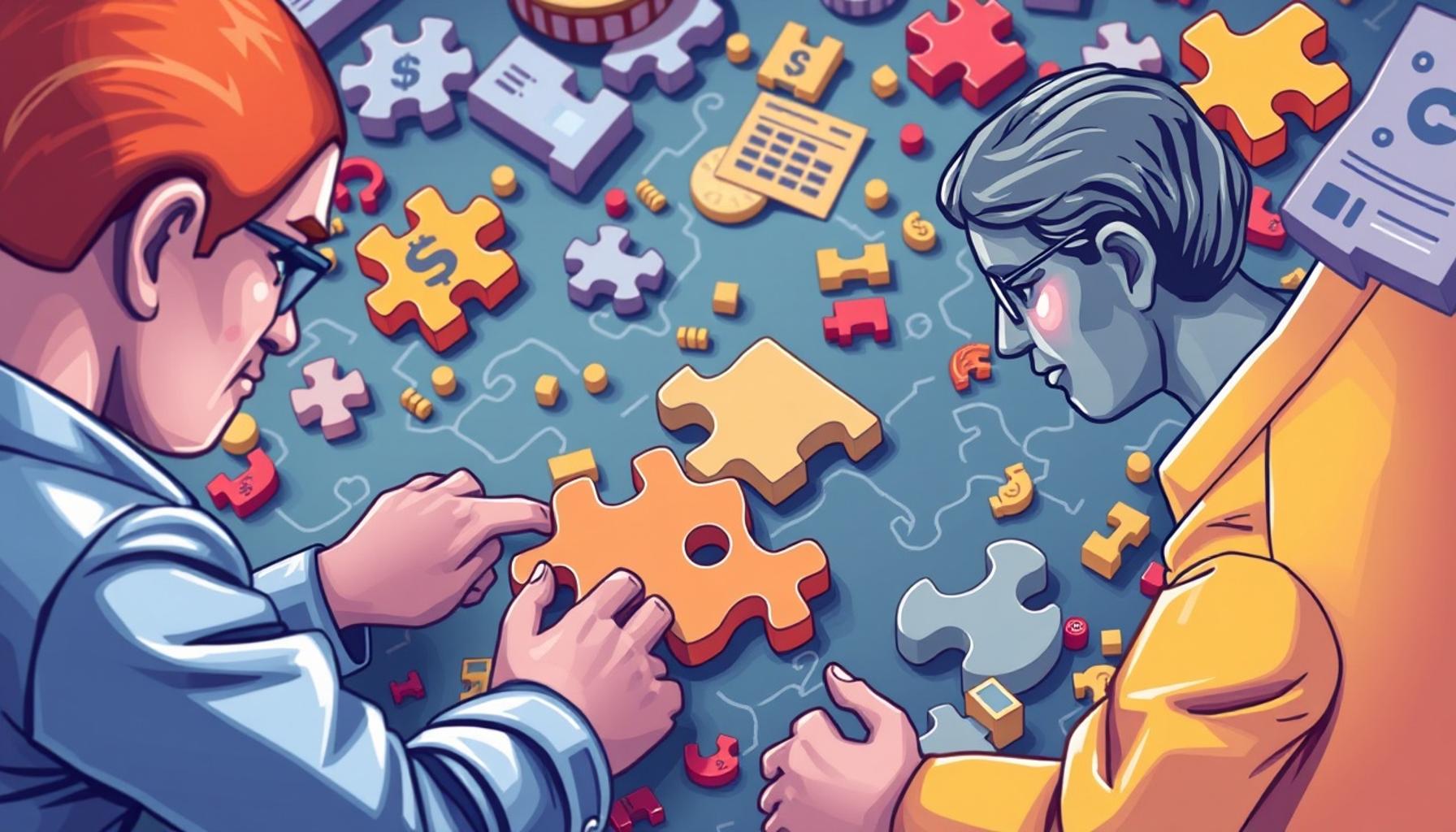
In today’s fast-paced world, strong teamwork is more crucial than ever. Organizations are increasingly turning to team-based puzzles as an innovative method for enhancing group strategic thinking. These collaborative challenges not only engage teams but also spark creativity and cohesion crucial for the modern workplace. But how exactly do these activities stimulate engagement and foster a collaborative mindset?
Consider the array of benefits that team puzzles can provide:
- Enhanced Communication: Puzzles inherently require dialogue and collaboration. Participants must share their thoughts, debate strategies, and articulate solutions, effectively breaking down silos that often inhibit idea sharing within teams. This open communication can translate into improved workplace dynamics, leading to more transparent exchanges in daily operations.
- Problem-Solving Skills: Navigating complex challenges through puzzles sharpens critical thinking abilities within the team. For example, when employees are faced with a challenging scenario, such as solving an escape room puzzle that demands collective reasoning, they learn to analyze multiple perspectives, fostering a deeper understanding of problem-solving methodology that can be applied to real-world scenarios.
- Stronger Relationships: Participating in collaborative activities builds trust and rapport among team members. As members work together to piece together clues or formulate strategies, they gain insights into each other’s strengths and weaknesses. This trust can be invaluable in high-pressure situations, as individuals feel more comfortable leaning on one another when deadlines loom.
Furthermore, engaging in these activities can create a sense of urgency and commitment within the team. As members unite to solve puzzles against the clock, they develop a collective responsibility for the outcome. This shared experience can lead to more cohesive teamwork as teams learn to rely on each other’s strengths, thereby facilitating a clearer understanding of group dynamics and function.
In essence, team-based puzzles serve as a microcosm of the workplace, where strategic thinking must prevail amidst ever-evolving challenges. Teams that engage in puzzle-solving not only enhance their cognitive skills but also pave the way for innovative solutions to professional hurdles.
As organizations continue to embrace these collaborative strategies, many are discovering their profound impact on employee engagement and productivity. Companies such as Google and Microsoft have incorporated gamified problem-solving in their corporate training, recognizing that fun activities ignite creativity and result in practical benefits. The question remains: how can your team leverage puzzles to enhance strategic thinking and ultimately drive success? Exploring the implementation of such methods could transform your team’s development trajectory and build a more engaged workforce.

DISCOVER MORE: Click here to dive deeper
Unlocking Strategic Thinking Through Team-Based Puzzles
The dynamic nature of team-based puzzles offers more than mere entertainment; they function as intricate tools that cultivate strategic thinking and problem-solving ability among coworkers. By engaging in these thought-provoking challenges, team members step outside their routine roles, immersing themselves in scenarios that mirror actual workplace challenges. The collaborative nature of these activities paves the way for innovative solutions that may not emerge in conventional brainstorming sessions.
One key advantage of team-based puzzles is their ability to foster diverse perspectives. During puzzle-solving, individuals from various departments contribute their unique insights, creating a melting pot of ideas. This collective intelligence not only enhances the problem-solving process but also encourages team members to embrace collaborative decision-making. By navigating these challenges together, employees learn the value of integrating different viewpoints, thus preparing them for the complexities of real-world situations.
Moreover, the rush of working against a ticking clock fosters a unique blend of urgency and enthusiasm. Teams quickly realize that success hinges on effective collaboration and open communication. This heightened sense of urgency can significantly improve a team’s capacity for quick, strategic thinking, cultivating an environment where innovative solutions can flourish. Such urgency is not merely confined to the puzzle; it replicates workplace pressure, equipping team members to think on their feet during actual projects.
As teams tackle intricate puzzles, they also develop a practical understanding of project management principles. Here are some key lessons that emerge through the experience:
- Role Clarification: Each member often assumes distinct roles based on their specific strengths. Recognizing these roles can lead to a better understanding of how to distribute tasks effectively.
- Time Management: The finite timeframe encourages participants to prioritize tasks and manage resources efficiently, reinforcing time-sensitive decision-making skills.
- Negotiation Skills: The need to balance differing opinions encourages team members to engage in negotiating solutions, honing their ability to reach agreements in high-stress situations.
- Adaptability: As puzzles often present unforeseen challenges, team members learn to pivot strategies quickly, an essential skill in today’s fast-evolving business landscape.
In addition to these valuable lessons, the process of solving puzzles creates a sense of accomplishment that greatly boosts morale. When teams successfully complete a challenging puzzle, they experience not just victory, but fulfillment in their collaborative efforts. This can be a game-changer for organizations aiming to foster a more cohesive workplace culture. As employees recognize the power of collaboration, they are more likely to carry these lessons over into their daily tasks, promoting a more strategic approach to work.
Ultimately, integrating team-based puzzles into your organization’s collaborative strategy can transform the way employees engage with one another and tackle challenges. As teams refine their strategic thinking through these dynamic activities, they set the foundation for a flourishing, innovative work environment.
| Advantage | Description |
|---|---|
| Enhanced Communication | Team-based puzzles create a platform where open dialogue is essential, fostering an environment where participants can express ideas and strategies more freely. |
| Creative Problem Solving | Team collaboration on puzzles encourages individuals to think outside the box, resulting in innovative solutions and diverse perspectives that enhance strategic outcomes. |
The integration of team-based puzzles within a collaborative strategy encourages team cohesion and promotes an inclusive culture where every voice matters. By assembling individuals around a shared challenge, teams can break down silos that often hinder effective communication. This dynamic enables members to articulate their thoughts and build on each other’s ideas—essential ingredients for strategic thinking. Moreover, as participants navigate through the intricate layers of challenges posed by these puzzles, their problem-solving skills are put to the test. They learn to synthesize varied contributions, which significantly enriches the decision-making process. These experiences not only enhance a team’s ability to tackle complex scenarios but also boost individual confidence. This sets the stage for richer discussions, deeper analyses, and ultimately, more effective strategies. Exploring how these activities can align with broader organizational goals might reveal even more innovative learning opportunities.
DISCOVER MORE: Click here to learn about the impact of time pressure on puzzle-solving
Enhancing Group Dynamics and Innovation through Collaborative Puzzles
The intricacy of team-based puzzles extends beyond mere problem-solving; it serves as a catalyst for enhancing group dynamics and driving innovation. As team members work together towards a common goal, they encounter opportunities to strengthen interpersonal relationships and build trust. This social glue is vital for fostering an environment where individuals feel comfortable voicing their ideas and taking risks—key elements for stimulating creativity and out-of-the-box thinking.
A notable example of the transformative power of collaborative puzzles comes from companies utilizing escape room challenges as team-building exercises. In these scenarios, employees must work closely, often communicating non-verbally, to uncover clues and solve complex riddles. Research indicates that such immersive experiences significantly improve teamwork and operational effectiveness. A study by the Institute of Corporate Productivity revealed that organizations that invested in team-based learning activities reported a 23% increase in team performance metrics, underscoring the efficacy of this approach.
Moreover, engaging in team-based puzzles encourages an atmosphere of psychological safety. Employees are more inclined to experiment with unconventional solutions or voice concerns when they feel secure within their team. This safe space allows iterations of ideas and strategies, which ultimately leads to more robust and comprehensive problem-solving methodologies. By building this safety net in puzzle-solving scenarios, organizations create a fertile ground for innovation that extends to daily work settings.
As teams dive deeper into these collaborative activities, they gain a better grasp of the strategic alignment of their roles within the larger organizational framework. Each puzzle presents an opportunity to identify how individual contributions link to collective objectives, enhancing each member’s sense of purpose. This deeper understanding becomes a powerful motivation to pursue collaborative goals, as employees begin to see their impact on organizational success.
Equally important is the aspect of feedback loops inherent in team-based puzzles. After completing a challenge, teams often engage in reflection sessions to evaluate their performance—discussing what strategies worked, what fell short, and how they can improve next time. This process mirrors the feedback culture that is essential to high-performing teams in any business environment. Accumulating insights from these sessions fosters continuous improvement, ensuring that teams remain agile and adaptable in the face of new challenges.
- Team Cohesion: The emotional connections formed during puzzle-solving cultivate a sense of belonging and team spirit, crucial for long-term collaboration.
- Enhanced Communication: Engaging in high-pressure situations requires clear communication, sharpening skills essential for effective workplace interactions.
- Improved Conflict Resolution: Teams learn to navigate differing opinions and resolve conflicts, enhancing their capacity for harmonious collaboration.
- Trial and Error: Embracing mistakes as opportunities for learning encourages a culture of experimentation that can lead to breakthrough ideas.
This amalgamation of benefits illustrates just how significant the impact of team-based puzzles can be on a company’s collaborative strategy. By investing in these engaging and thought-provoking activities, organizations not only enhance strategic thinking but also pave the way for enduring teamwork and innovation. The ripple effects of these initiatives can bolster overall performance, engendering a more adaptive and creative workforce that is better equipped to navigate the ever-changing business landscape.
DISCOVER MORE: Click here to learn about the impact of time pressure on problem solving
Conclusion: The Transformative Power of Collaborative Strategy
In a rapidly evolving business environment, the ability to think strategically as a team is more essential than ever. Collaborative puzzles serve as a compelling mechanism for fostering this strategic mindset among team members. By engaging in shared problem-solving activities, organizations create a dynamic where communication, trust, and innovation flourish. The interactive nature of these puzzles not only galvanizes team cohesion but also cultivates an atmosphere of psychological safety, encouraging employees to express their ideas freely and explore unconventional solutions.
The concept of strategic alignment through these collaborative efforts reinforces the importance of every individual’s contribution to the team’s overall objectives. Companies that integrate team-based puzzles into their professional development initiatives are more likely to witness enhanced performance metrics, as evidenced by substantial research findings. Furthermore, the reflective practices utilized after puzzle-solving sessions enhance the feedback loops critical for continuous improvement and adaptability in the workplace.
In conclusion, the strategic value of team-based puzzles is profound, providing organizations with a rich ground for cultivating a creative, cooperative, and strategic workforce. As businesses continue to adapt to shifting landscapes, embracing this innovative approach could well be the key to maintaining competitiveness and achieving long-term success. Thus, it is vital for leaders to consider how integrating collaborative puzzles into their strategies can unlock new pathways to enhanced group strategic thinking, enriching both employee engagement and organizational performance.
Related posts:
Using Logic Puzzles to Develop Strategic Thinking Skills in Everyday Life
The Role of Strategic Thinking in Solving Complex Puzzles
Mind Games: How Strategic Thinking Enhances Problem-Solving Skills
The Psychological Benefits of Engaging in Strategic Mind Games and Puzzles
Escape Rooms as a Tool for Enhancing Strategic Thinking and Problem Solving Skills
Solving the Maze: How Strategy Board Games Improve Critical Thinking Skills

Linda Carter is a writer and puzzle expert specializing in mind games, brain teasers, and cognitive challenges. With extensive experience helping individuals enhance their problem-solving skills and think critically, Linda shares her knowledge on our platform. Her goal is to empower readers with practical advice, engaging puzzles, and strategies to sharpen their minds and achieve success in the captivating world of mind games and puzzles.