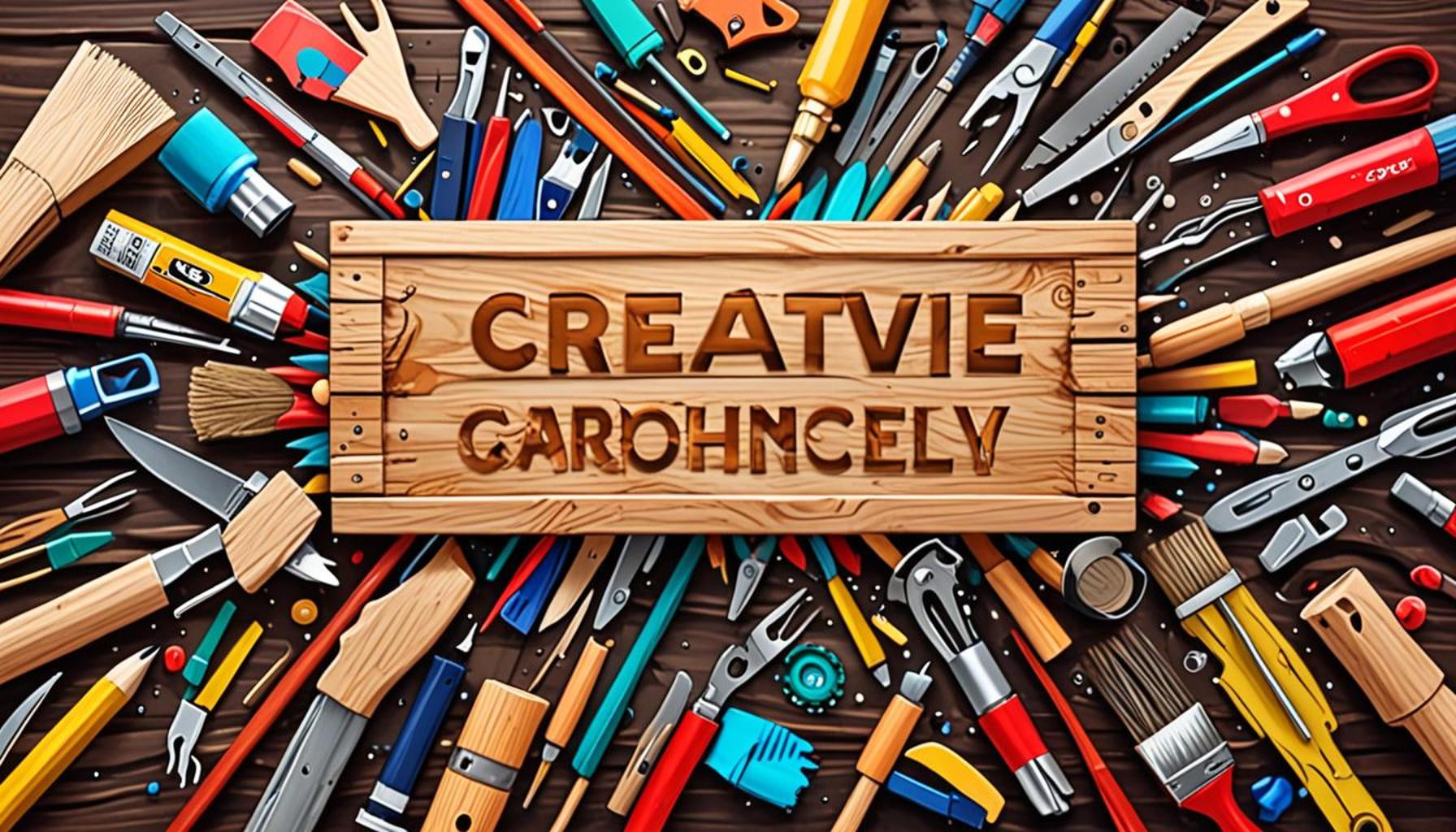
Introduction to Woodcraft: Tools and Techniques for Beginners

Welcome to the World of Woodcraft
Woodcraft is an inspiring hobby that combines creativity and practical skills. Whether you’re looking to build functional furniture or craft intricate decorative pieces, understanding the essentials is key. This guide is designed to introduce beginners to the necessary tools and techniques that can spark your passion for woodworking.
Essential Tools for Woodcraft
Every woodworker needs a reliable set of tools. Here are some of the most important ones to consider:
- Hand saws: These traditional tools are ideal for making precise cuts. Whether you’re using a panel saw for crosscuts or a coping saw for intricate curves, hand saws are essential for achieving accuracy, especially in smaller projects.
- Chisels: Perfect for shaping wood and creating joints, chisels come in various sizes and widths. A basic set should include at least one flat chisel and one curved gouge. Their versatility makes them indispensable for tasks such as carving and mortise and tenon joints.
- Power tools: Drills, sanders, and routers can greatly increase efficiency. For instance, a cordless drill makes drilling holes and driving screws seamless and quicker, while an electric sander can help achieve a smooth finish in less time than manual sanding.
As you delve deeper into woodcraft, familiarity with these tools enhances not only your projects but also your overall enjoyment. Begin assembling your toolkit gradually; local hardware stores or online retailers often have starter sets perfect for newcomers.
Techniques to Get You Started
Mastering foundational techniques lays the groundwork for successful woodworking. Consider these fundamental skills:
- Measuring and marking: Accurate measurements are crucial. Using a tape measure and a square, along with a sharp pencil for marking, will ensure that your cuts are clean and dimensions accurate—this is vital whether you are creating a simple shelf or a complex piece of furniture.
- Joining processes: Learn essential joint techniques, such as butt joints, miter joints, and dovetails for strength. Understanding how different joints interact will allow you to create more robust constructions and elegant designs in your projects.
- Finishing: Proper finish enhances the durability and beauty of your work. Techniques like sanding, staining, and sealing will not only protect your creations from wear and tear but also bring out the natural beauty of the wood grain.
By exploring these tools and techniques, you will set yourself on a path toward becoming a confident woodworker. Embrace the journey; each project is an opportunity to learn and grow in your woodcraft skills. You may even consider joining a local woodworking club or workshop to connect with fellow enthusiasts and share tips and tricks. The world of woodcraft is vast and inviting—take your first step today!

DIVE DEEPER: Click here to learn how to transform your emotions into words
Getting Acquainted with Woodcraft Basics
In the enchanting realm of woodcraft, the tools you choose can greatly influence the quality of your work and your enjoyment of the craft. As a beginner, understanding how to effectively utilize each tool will set the stage for your woodworking journey. Each tool serves a unique purpose, giving you the ability to manipulate wood in countless ways. So, let’s delve deeper into what tools you should prioritize as you embark on this fulfilling hobby.
Building Your Basic Toolkit
Starting a woodcraft journey doesn’t require a vast assortment of tools. Instead, focus on acquiring essential items that will enable you to complete a variety of projects. Here’s a closer look at the core tools every beginner should have:
- Claw hammer: This classic tool is indispensable for driving nails into wood and also for removing them when needed. Opt for a well-balanced hammer that feels comfortable in your hand.
- Woodworking squares: These are vital for verifying that your cuts are square and ensuring the accuracy of your measurements. A combination square and a framing square will cover most needs.
- Block plane: A block plane is perfect for smoothing edges and trimming wood. It helps achieve clean cuts and a polished finish, ideal for detail-oriented projects.
- Workbench and clamps: Having a sturdy workbench is essential for any woodworking task. Clamps, on the other hand, hold your pieces securely in place while you work.
As you gain experience, you might be tempted to expand your collection with specialty tools such as band saws or joiners. However, starting with these foundational tools will allow you to gain a solid understanding of woodcraft principles without overwhelming you. Consider visiting your local home improvement store or online marketplaces for starter kits that often include many of these essentials.
Essential Safety Practices
While the thrill of woodcrafting can be exhilarating, it is imperative to prioritize safety. Beginners should arm themselves with knowledge about safe practices when using tools. Here are some important safety tips:
- Wear protective gear: Utilizing safety glasses, ear protection, and dust masks can help prevent injuries and health issues when working with wood.
- Keep your workspace organized: A clutter-free area minimizes distractions and the risk of accidents. Always clean up shavings and debris as you go.
- Power tool safety: Always read the manufacturer’s instructions before using power tools, and never rush through tasks. Ensure that you understand how each tool works before operating it.
By adhering to safety practices and acquiring the right tools, you will embark on your woodcraft journey with the confidence needed to explore this wonderful craft. You’re not just building projects; you’re building skills and stories that will resonate through your handcrafted creations. Embrace each step with patience and enthusiasm as you grow in your newfound hobby.
| Category | Description |
|---|---|
| Essential Tools | Learn about basic tools like saws, chisels, and planes, and how they contribute to woodcraft. |
| Wood Selection | Explore different types of wood and their unique properties, which affect the crafting process. |
| Joinery Techniques | Discover various joining methods for creating sturdy and visually appealing furniture pieces. |
| Finishing Techniques | Understand the importance of finishing woodwork to enhance aesthetics and durability. |
The world of woodcraft is not only about creating objects but also about mastering skills that require patience and attention to detail. Whether you are using hand tools or electric ones, each tool brings its own charm to the craft. The right choice of wood can be crucial; softwoods like pine are excellent for beginners, while hardwoods like oak offer durability and beauty for seasoned artisans. Moreover, as you advance in your skills, exploring different joinery techniques such as dovetails and mortise-and-tenon will improve the quality and design of your projects.Finally, finishing techniques such as sanding and applying varnish bring your creations to life, adding a touch of professionalism to your work. Exploring these aspects will deepen your understanding of woodcraft, inviting you to create both functional and decorative pieces that tell a story. Dive deeper into these topics and unlock the full potential of your woodcraft journey!
DIVE DEEPER: Click here to discover how music can enhance your creative pursuits
Exploring Fundamental Techniques for Woodworking
As you gather your essential woodworking tools, it’s equally important to understand the fundamental techniques that can elevate your craftsmanship. Familiarizing yourself with basic woodcraft methods not only enhances the quality of your work but also enriches your overall woodworking experience. Here are some key techniques that every novice woodworker should master:
Measuring and Marking
Accurate measuring and marking are at the heart of any successful woodworking project. A common adage in the trade is, “measure twice, cut once,” and it holds profound wisdom. Use measuring tapes and rulers to mark your cuts precisely, and employ pencils or marking knives for clear delineation. Moreover, scale rulers may come in handy for scaling up designs or blueprints, especially when crafting larger pieces.
Cutting Techniques
Once your materials are measured and marked, you will need to understand various cutting techniques. Here are several popular methods:
- Crosscutting: This technique involves cutting across the grain of the wood and is best executed with a handsaw or a miter saw. It is ideal for shortening pieces and creating the cross cuts necessary for frameworks.
- Ripping: Ripping cuts are made along the grain of the wood, often using a table saw or circular saw. This technique is essential when you need to create narrower strips from wider boards.
- Making Curved Cuts: For those interested in creating intricate shapes or designs, understanding how to use a jigsaw or band saw for curved cuts is essential. Practice makes perfect, so don’t hesitate to experiment.
Joinery Basics
Understanding joinery techniques is crucial for creating strong and stable wood structures. Here are some basic joints you should experiment with:
- Butt Joint: This is the simplest form of joining two pieces of wood. It involves placing one piece against another and securing it with glue or nails.
- Lap Joint: This technique involves overlapping two pieces and can provide additional strength to the connection. It is especially useful in frames and cabinets.
- Dovetail Joint: Renowned for its strength, a dovetail joint is often used in drawer construction. While it may seem complex at first, with practice, you can achieve beautiful and reliable results.
Finishing Techniques
Once your woodworking piece is assembled, applying a finish is the final touch that lends both beauty and durability to your project. Various finishes include paint, stain, and varnish:
- Staining: Stain penetrates the wood, enhancing its natural grain. It’s available in a variety of colors and can transform plain wood into a stunning focal piece.
- Sealing: To protect your wood from moisture and wear, it’s advisable to apply a clear sealant. Finishing oils can also enhance the wood grain while providing protection.
- Painting: A fresh coat of paint can give furniture and crafts a whole new appearance. However, ensure you select paints that are suitable for use on wood.
By understanding and practicing these fundamental techniques, you’ll not only build the skills necessary to tackle larger projects but also gain confidence in your ability to create beautiful wooden pieces. As you become adept at using tools and techniques, your imagination will open up new pathways to explore—whether you’re crafting furniture, home décor, or intricate wooden toys. Remember, every expert was once a beginner, and with each small project, you will gain the skills and insight to take on more challenging endeavors in the fascinating world of woodcraft.
DISCOVER MORE: Click here to uncover the art of paper craft
Conclusion
In embarking on your journey into woodcraft, it’s essential to embrace both the tools and techniques that define this rewarding craft. Mastering the foundational skills—such as accurate measuring, precision cutting, and effective joinery—allows you to create not just functional items, but pieces that tell a story and reflect your unique creativity. Each project you undertake helps to sharpen your abilities, paving the way for more complex designs and innovative ideas.
Moreover, the finishing techniques, like staining and sealing, ensure your creations are not only appealing but also durable. This stage is where your artistic flair really shines, as you select colors and finishes that breathe life into your wood pieces. As you refine your skills and grow more confident, you’ll discover new ways to express your imagination, whether crafting furniture, home décor, or custom gifts.
Remember, patience and practice are key components of woodworking. Every expert began as a novice, learning from each cut and joint. Engage with the woodworking community for inspiration and tips, explore local workshops, or undertake online tutorials to further enrich your learning experience. The world of woodcraft is vast and full of endless possibilities that await your discovery. So gather your tools, keep experimenting, and find joy in every creation you make!