Printing Techniques: Creating Exclusive Designs in Textiles
The Intersection of Artistic Expression and Practical Technique
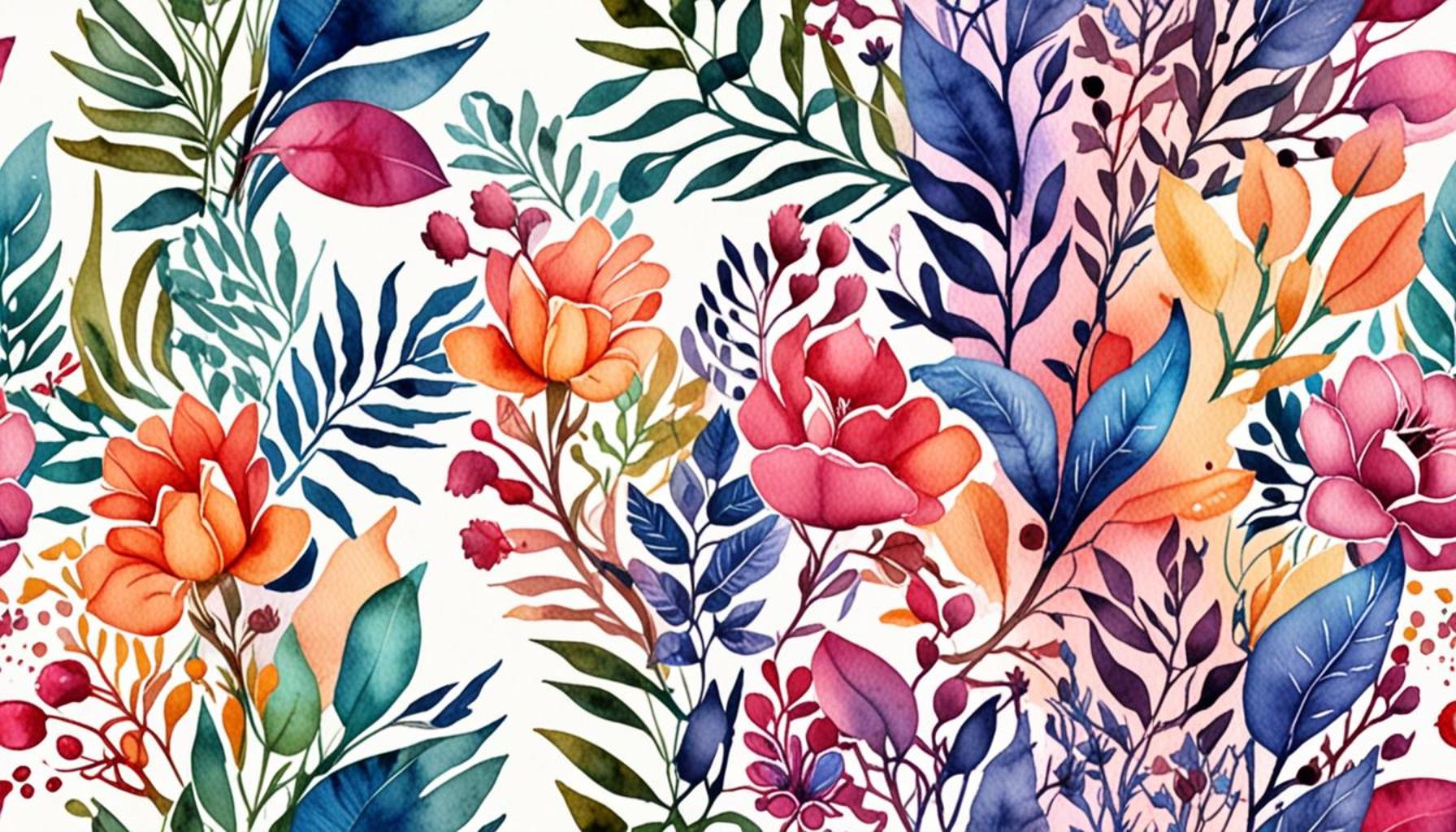
Textile printing represents an extraordinary fusion of art and technology, empowering designers to turn ordinary fabrics into visual masterpieces that capture the imagination. This craft has not only altered aesthetic perceptions in fashion and home décor but has also opened up unprecedented avenues for customization and creativity. By exploring various printing techniques, one can appreciate how this dynamic field continues to evolve, influencing trends and consumer choices worldwide.
Key Printing Techniques
The world of textile printing is marked by a variety of methods, each with unique properties and applications. Here are some significant techniques that dominate the industry today:
- Screen Printing: A method steeped in tradition, screen printing remains a popular choice for many designers. Its durability and vibrant color output make it ideal for creating striking graphics on fabrics. This technique is often used for mass production of T-shirts and promotional materials, showcasing bold designs that stand the test of time.
- Digital Printing: Rapidly becoming the go-to technique, digital printing allows artists to produce intricate designs with remarkable precision. By using a digital canvas, this method reduces waste and expands the ability to create small batches or even one-off pieces. It caters to high-definition imagery, making it perfect for elaborate patterns and photographs on textiles.
- Block Printing: This age-old technique celebrates craftsmanship and artistry by manually carving designs into wooden blocks, which are then inked and stamped onto fabric. The process is labor-intensive but results in unique, one-of-a-kind pieces that embody an artisanal quality. Block printing is often seen in handmade textiles, providing a personal touch that resonates with many consumers.
- Heat Transfer Printing: Known for its efficiency, heat transfer printing is particularly popular for small runs. It allows for appealing flexibility, making it suitable for custom apparel, promotional materials, and event giveaways. The method employs a heat press to transfer print designs from paper to fabric, ensuring vivid colors and detailed images.
Each of these printing techniques contributes to the rich tapestry of textile design, offering designers the tools they need to bring their creative visions to life. As the textile industry continues to innovate, artists and designers are consistently seeking new ways to push boundaries and captivate audiences. Understanding these printing techniques not only enhances appreciation for the work behind textile products but also encourages exploration of exclusive designs that express individual style and artistic flair.
In a consumer market that increasingly values personalization, the versatility of these printing methods is evident. From limited-edition fashion lines to custom home décor pieces, the impact of textile printing resonates across various facets of daily life, prompting further exploration and appreciation of this vibrant art form.
DISCOVER MORE: Click here to delve into the world of artistic expression
Discovering the Diversity of Textile Printing Techniques
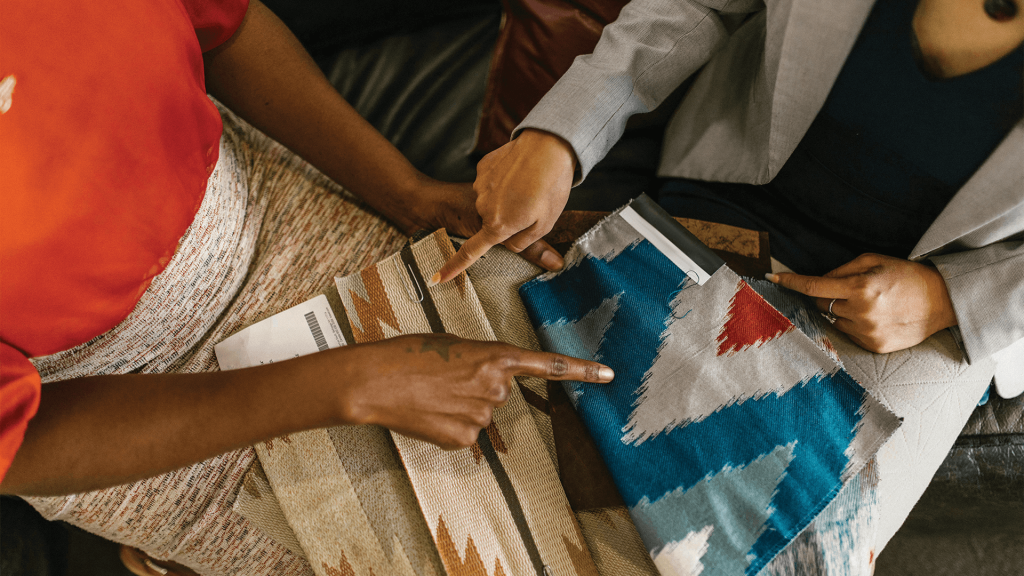
In the realm of textile design, printing techniques are crucial to creating exclusive and captivating designs. Each method presents its distinct advantages and artistic potential, allowing designers to tailor their creations to specific audiences and markets. As we delve deeper into the landscape of textile printing, key characteristics of each method reveal their unique contributions to the fabric of fashion and home textiles.
Screen Printing: The Time-Honored Classic
Screen printing is one of the oldest and most revered techniques in the textile industry. Originating in ancient China and evolving throughout history, this method involves creating a stencil, known as a screen, which is then used to apply ink to fabric. The tangible result is a vibrant and durable design that is particularly well-suited for bold graphics. In the United States, brands often use this technique for large-scale runs of T-shirts, tote bags, and other apparel, emphasizing the longevity and quality of their products. Moreover, the capacity to layer colors through various screens allows the creation of striking visual effects, making screen printing a quintessential choice for fashion brands looking to make a statement.
Digital Printing: Precision Meets Flexibility
As technology continues to reshape industries, digital printing has emerged as a groundbreaking technique in the textile world. This method utilizes computer-controlled printers to transfer designs directly onto fabric through a dye-sublimation process. The results are remarkably detailed, with the ability to reproduce complex patterns, photographs, or gradients. One of the most attractive features of digital printing is its eco-friendly nature, as it minimizes ink waste and allows for on-demand printing. This versatility caters beautifully to today’s market trends, which favor customizable, small-batch collections, enabling designers to experiment with unique designs without the need for excessive production runs.
Block Printing: A Craftsmanship Tradition
Another captivating technique in textile printing is block printing, which embodies a rich heritage of craftsmanship. This manual method requires skilled artisans to carve intricate designs into wooden blocks. Each block is then coated with dye and stamped onto fabric, ensuring that no two pieces are entirely alike. The result is a unique aesthetic that carries the mark of artisanal skill, making it particularly popular for handmade textiles. Many consumers are drawn to block-printed fabrics as they often tell a story of tradition and individuality, reflecting a growing trend for authentic and exclusive fabrics in home décor and fashion.
Heat Transfer Printing: Efficiency and Customization
For those in search of rapid creation with high customization potential, heat transfer printing stands out as a practical solution. This technique relies on transferring a printed image from a specially coated paper to the fabric using heat and pressure. It is especially advantageous for producing personalized items, such as custom apparel for events and promotional giveaways. With the ability to achieve intricate details and vivid colors, heat transfer printing has become a favored choice for designers seeking to create unique, one-of-a-kind pieces that resonate with consumers.
As we continue to explore the array of textile printing techniques, it becomes clear that each method not only influences the design outcome but also plays a pivotal role in shaping consumer trends and choices. Understanding these techniques offers insight into the artistry behind exclusive textile designs and opens up a myriad of possibilities for creators and consumers alike.
Exploring Innovative Printing Techniques
In the realm of textiles, printing techniques play a pivotal role in transforming ordinary fabrics into canvases of creativity. From traditional methods to advanced digital technologies, each technique offers a unique approach to design and application. Here, we delve into two prominent printing techniques that have revolutionized the textile industry.
Screen Printing
One of the oldest and most widely used methods, screen printing involves pushing ink through a mesh screen to create designs. This technique is favored for its ability to produce vibrant colors and robust patterns. Screen printing is ideal for large production runs, making it a cost-effective choice for fashion designers and textile manufacturers alike. Furthermore, it allows for the use of various materials, including cotton and polyester, thus enabling designers to create exclusive designs tailored to their target audience.
Digital Printing
In contrast, digital printing utilizes modern technology to imprint designs directly onto fabric with remarkable precision. This technique allows for intricate patterns and detailed images that were previously unimaginable. The digital approach significantly reduces production time and waste, making it an environmentally friendly option. Additionally, it offers immense flexibility for designers, as they can easily produce small runs of customized textiles, catering to niche markets and individual preferences.
| Category | Advantages |
|---|---|
| Screen Printing | Cost-effective for large runs; vibrant colors; versatile with fabric types. |
| Digital Printing | High detail and customization; eco-friendly; quick turnaround times. |
Each of these printing techniques offers distinct advantages that can elevate textile design to new heights. By embracing innovative methods, textile designers can create exclusive designs that resonate with their audience, opening up endless possibilities in fashion and home decor.
EXPLORE MORE: Click here to discover your creative writing voice
Innovative Techniques Transforming Textile Design
As the textile printing industry continues to evolve, several innovative techniques have emerged, each offering unique benefits and capabilities that enhance the possibilities for exclusive designs. These modern methods are revolutionizing the way designers approach fabric decoration, enabling them to push the creative envelope further than ever before.
Rotary Screen Printing: High-Speed Production
When it comes to large-scale commercial printing, rotary screen printing is a notable contender. This dynamic technique employs cylindrical screens that allow for seamless, continuous printing, making it particularly effective for high-volume fabric production. Its efficiency does not compromise the quality of the final product; rotary screen printing can yield intricate designs with vibrant colors. This adaptability makes it a favorite among fashion retailers for producing rolling patterns on materials like cotton, polyester, and blends. With its high-speed capabilities, rotary screen printing has become synonymous with the rapid turnaround demands of the contemporary market, allowing brands to keep pace with ever-changing consumer preferences.
Direct-to-Fabric Printing: A New Era of Customization
Direct-to-fabric printing transcends traditional methodologies, integrating technology with creativity to allow designs to be printed directly onto textiles without an intermediary transfer process. This method utilizes specialized inkjet printers designed for fabric, enabling designers to produce vivid colors and intricate details without the constraints of screen preparation or excessive setup costs. As a result, direct-to-fabric printing is increasingly embraced for small batch production runs and custom orders. It caters perfectly to the growing demand for unique textiles; customers can order personalized designs while minimizing environmental impact, making this an eco-friendlier choice in fabric printing.
Discharge Printing: Subtle Elegance
For those seeking distinctive aesthetics, discharge printing offers an innovative approach that involves removing dye from certain areas of a dyed fabric to create patterns. This technique results in softer, more intricate designs that carry a vintage appeal. Discharge printing is particularly popular among high-end fashion designers who appreciate the subtlety and sophistication it brings to their collections. By utilizing this method, textiles can achieve a unique depth of color and texture that resonates with environmentally conscious consumers, as it reduces the overall amount of dye needed in the process.
Eco-Friendly Printing Techniques: Sustainability in Focus
The fashion industry is undergoing a significant transformation, with sustainability becoming a focal point in design practices. Eco-friendly printing techniques, such as water-based inks and natural dyes, are gaining traction, catering to the rise in consumer demand for environmentally responsible products. Methods like low-impact dyeing and digital eco-printing emphasize minimal environmental impact while still providing vibrant colors and patterns. These innovative solutions not only align with global sustainability goals but also empower designers to create exclusive products that resonate with an eco-conscious clientele, leading to greater market differentiation.
As we navigate this exciting spectrum of textile printing techniques, the tapestry of possibilities expands, revealing new avenues for creativity and innovation. From the enduring appeal of traditional methods to cutting-edge advancements in technology, the world of textile printing truly embodies a blend of artistry and engineering with endless potential to craft exclusive designs. The exploration of these diverse techniques presents a vibrant landscape where designers thrive on the cusp of tradition and modernity, shaping the future of fabric design and production.
DIVE DEEPER: Click here to discover more
Conclusion: The Future of Textile Design Through Innovative Printing Techniques
In the ever-evolving world of fashion and textile design, printing techniques play a pivotal role in shaping the uniqueness and appeal of fabric products. From the precision of rotary screen printing that meets high-volume demand to the personalized touch of direct-to-fabric printing, each method provides distinctive opportunities for creativity and innovation. Meanwhile, the understated elegance of discharge printing and the environmentally friendly approach of eco-friendly printing techniques cater to a diverse audience, merging art with a commitment to sustainability.
As designers explore these varied techniques, they are not only expanding their creative horizons but also responding to consumer demand for exclusivity and personalization. The intersection of technology and artistry within textile printing continues to pave the way for remarkable advancements, allowing brands to stay relevant in a fast-paced market. As sustainability becomes increasingly central to consumer choices, embracing eco-conscious printing methods offers emerging designers and established brands alike an avenue to connect with environmentally aware customers.
Looking ahead, the textile industry is poised for a renaissance driven by innovative printing techniques. By keeping an eye on both technological advancements and consumer preferences, designers can cultivate unique and exclusive textile offerings that capture the imagination while making a positive impact. Exploring the multifaceted world of fabric printing is not just an avenue for artistic expression; it is also a commitment to crafting a more sustainable future in fashion. Artistic innovation and environmental consciousness will surely define the next era of textile design.