Leather Craft: Treatment Methods and Design for Custom Accessories
Exploring the Art of Leather Craft
The world of leather craft is a vibrant mix of artistry and craftsmanship. With its rich history and modern-day relevance, leather remains a favored material for creating unique accessories. Understanding treatment methods and design principles is essential for both beginners and seasoned artisans alike.
Why Choose Leather?
- Durability: Leather is known for its long-lasting properties, able to withstand daily wear and tear while developing a beautiful patina over time. For instance, a well-crafted leather jacket can last for decades, aging gracefully and often becoming more valuable as it acquires character.
- Versatility: It can be crafted into a variety of accessories, including belts, bags, and wallets. From high-end designer handbags that grace the catwalks to rugged work boots that lovers of the outdoors swear by, leather is adaptable to various fashion styles and practical needs.
- Style: Leather accessories add a timeless elegance to any outfit. A simple leather wallet or belt can elevate casual attire, while a sophisticated leather purse can complement formal wear, making them staples in any wardrobe.
From the initial selection of quality leather to the intricate designs of custom pieces, every step in the leather crafting process plays a critical role. The type of leather chosen can significantly impact the finished product; full-grain leather, for instance, is prized for its natural look and strength, while top-grain leather offers a balance of durability and smoothness.
Common Treatment Techniques
- Vegetable Tanning: A traditional method using natural materials such as tree bark, this process can take several weeks but results in a durable and environmentally-friendly product. It is particularly favored by artisans who appreciate the organic characteristics of leather.
- Chrome Tanning: A quicker process that typically takes only a day, it produces softer leather that is often used in fashion accessories. However, it’s vital to note that chrome tanning can involve chemicals that some consumers prefer to avoid.
- Other Treatments: Finishing techniques such as aniline dying and waterproofing create distinctive textures and enhance leather’s resistance to age and environmental factors. These treatments can dramatically improve functionality while maintaining the leather’s aesthetic appeal.
As you delve deeper into leather craft, you’ll discover the joy of designing truly personalized accessories. Craftspeople often enjoy the challenge of blending traditional techniques with modern aesthetics to create innovative pieces that cater to contemporary tastes. These unique creations not only tell a story but also embody the craftsmanship of the artisan.
Whether you aim to pick up a new hobby or turn your passion into a business, understanding these essential elements will pave the way for your leather crafting journey. Classes and workshops are often available in local craft shops or online, providing opportunities for hands-on experience. Engaging with local artisan communities can also offer invaluable insights and inspiration, further enriching your skills and passion for this timeless craft.
DISCOVER MORE: Click here to learn how to turn recyclables into art!
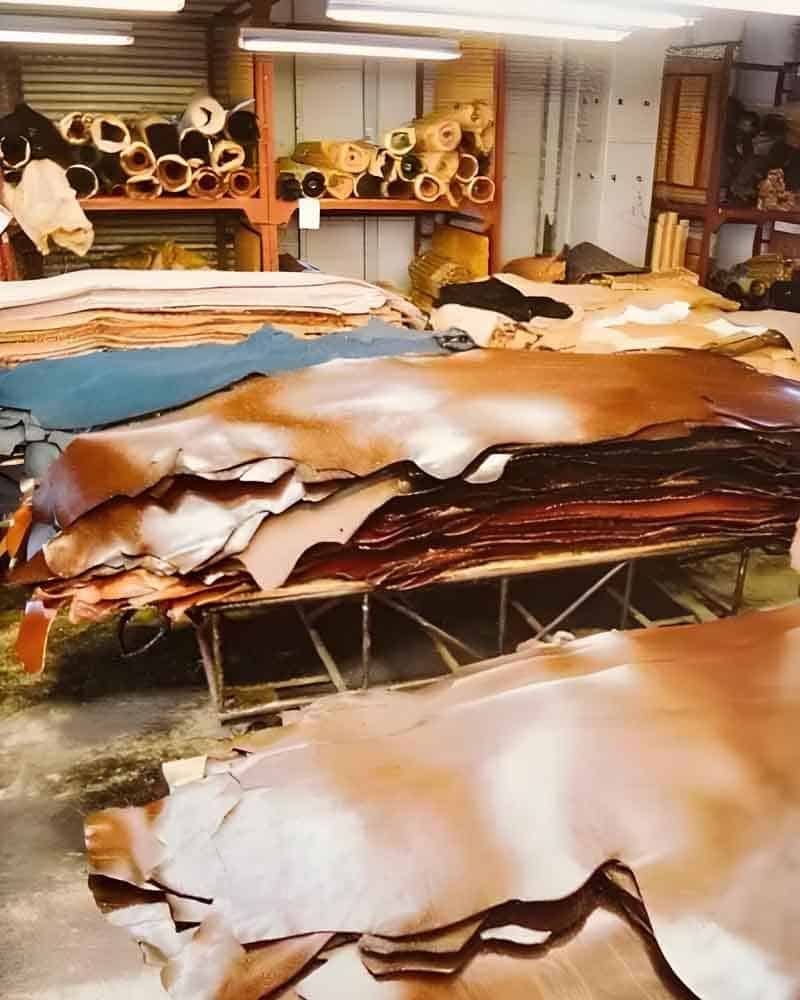
Understanding Leather Treatment Techniques
When it comes to leather craft, one of the most crucial aspects is selecting the right treatment method for the type of leather you intend to work with. Different techniques not only affect the appearance and texture of the final product but also its performance and longevity. Knowledge of these methods will enable artisans to make informed decisions, ultimately leading to beautifully crafted custom accessories.
Popular Treatment Methods
- Vegetable Tanning: This age-old technique relies on the use of natural substances, such as bark from various trees, to tan the leather. The process can be time-consuming, taking anywhere from weeks to even months, but the result is leather that is both environmentally friendly and durable. Artisans who prefer the natural variations and textures of leather often gravitate towards vegetable-tanned products, as each hide showcases a unique character.
- Chrome Tanning: On the other end of the spectrum lies chrome tanning, a method that vastly speeds up the tanning process—often completed within a single day. This technique produces a softer, more flexible leather, making it particularly popular for fashion accessories such as bags, shoes, and belts. However, artisans must be mindful of the chemicals used in chrome tanning, as some consumers are increasingly concerned about environmental impacts and seek alternatives.
- Alum Tanning: Another method is alum tanning, which uses aluminum salts to treat the leather. This method is generally considered less harmful than chrome tanning and produces softer leather that retains its natural color. It’s often used for lighter-weight leather goods, including clothing and delicate accessories.
- Specialty Finishing: Leather can undergo various finishing techniques to enhance its appeal and durability. Aniline dyeing, for instance, creates rich, deep colors while allowing the leather’s natural grain to shine through. Additionally, waterproofing treatments can lend protection against moisture, thus increasing the leather’s resilience against the elements.
Each tanning methodology yields unique results that impact everything from the looks to the longevity of the final product. Enthusiasts seeking to create custom accessories must consider these techniques not just for aesthetic reasons, but also for sustainability and functionality. As modern consumers demand eco-friendly products, understanding these treatment methods is more relevant than ever before.
The choice of leather treatment can also influence how the accessory holds its shape and withstands daily use. For instance, a well-structured leather bag made from vegetable-tanned leather will demonstrate a firm body that resists sagging, while a chrome-tanned leather bag may be more pliable, making it suitable for casual wear. Therefore, understanding these nuances can assist artisans in successfully designing and crafting functional pieces that not only meet but exceed consumer expectations.
As the next generation of leather crafters embarks on their creative journey, they stand to benefit from a thorough grasp of these treatment methods. Harnessing the traditional alongside the modern can inspire innovative designs that resonate with a variety of audiences, merging the artistry of leather craft with contemporary demands and preferences.
| Category | Details |
|---|---|
| Natural Leather Treatments | Utilizes organic substances to maintain leather integrity while promoting sustainability. |
| Custom Design Elements | Incorporating personal preferences for unique textures and colors enhances user sophistication. |
As the allure of custom leather accessories grows, understanding various treatment methods becomes essential for both artisans and enthusiasts. Natural leather treatments not only enhance the leather’s aesthetic appeal but also promote environmental sustainability. These treatments maintain the leather’s texture and durability while reducing harmful impacts on the ecosystem. Moreover, the introduction of custom design elements provides an opportunity for personalization in leather crafting. This allows individuals to express their creativity, whether it’s through color choices, intricate patterns, or unique textures. This personalization not only adds a meaningful touch to the accessories but also positions them as exclusive items. Each treatment and design choice paves the way for artisans to explore creativity further, leading to innovation in style and functionality. Thus, the intersection of treatment methods and custom design plays a pivotal role in shaping the future of leather crafts, inviting readers to delve deeper into understanding the artistry involved.
DISCOVER MORE: Click here to learn how music can elevate your confidence
Design Considerations for Custom Leather Accessories
As artisans refine their leather treatment techniques, they must also turn their attention to the design aspects of custom accessories. The interplay of material choice and design elements can make all the difference in the final product, appealing to a wide audience and fulfilling various functional requirements. Understanding the aesthetic principles and technical demands of leatherworking is essential for creating timeless and innovative pieces.
Balancing Aesthetics and Functionality
When designing custom leather accessories, a deep consideration of both aesthetics and functionality is paramount. For instance, a leather wallet must not only maintain a sleek design but also offer durability and ample space for cards and bills. Artisans should strive to create designs that enhance usability while maintaining visual appeal.
To achieve this balance, many designers employ features such as:
- Versatile Shapes: Utilizing geometric shapes can give leather accessories a modern edge. For instance, an angular cut can create a striking wallet design that stands out, while maintaining the practicality needed for everyday use.
- Texture Play: By incorporating various textures through different treatment methods or specialized finishing techniques, artisans can add dimension to their designs. Pebbled finishes can evoke rustic charm, while smooth, polished surfaces can convey elegance.
- Functional Enhancements: Incorporating additional features, such as RFID-blocking technology in wallets, or adjustable straps in bags, can enhance the utility of the product while meeting consumer demands for innovation and practicality.
Consumer Trends and Customization
Today’s consumers are not only savvy but also increasingly inclined toward personalization. This demand for customized products has prompted leather artisans to focus on unique design elements that resonate with individual preferences. Options such as monogramming or bespoke color selections allow customers to feel a deeper connection to their accessories.
Understanding current consumer trends—such as the shift towards sustainable fashion—can significantly evaluate design choices. Leather crafters are now more frequently incorporating eco-friendly treatment methods and sourcing materials responsibly to align with these values. Creating accessories that are both stylish and sustainable opens doors for artisans to attract environmentally conscious buyers.
Tools and Techniques for Effective Design Implementation
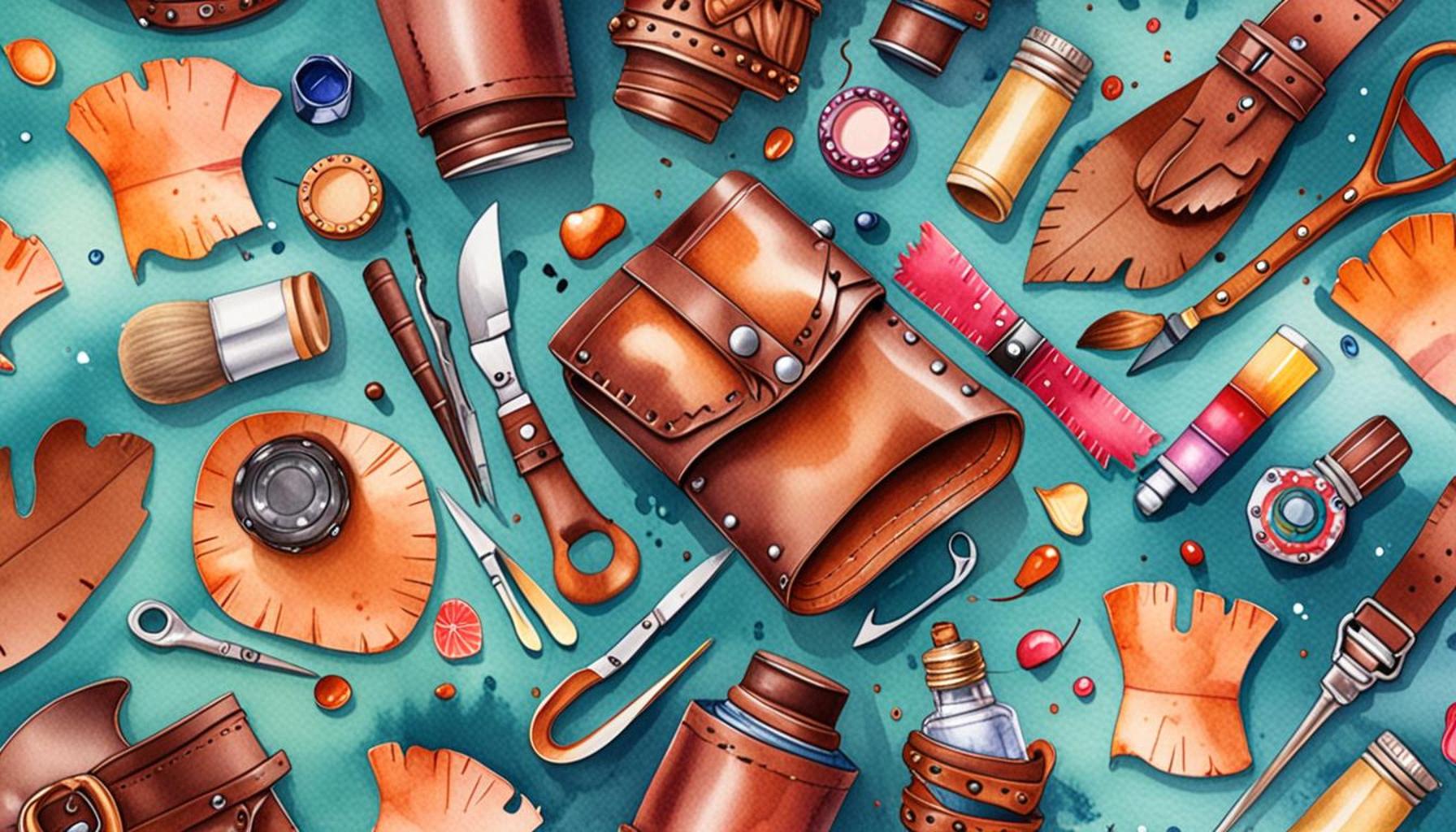
The implementation of effective design requires familiarity with various tools and techniques that not only aid in the crafting process but also enhance the overall look of the accessory. Key tools include:
- Edge Tools: Tools designed for finishing edges, such as edge bevelers and burnishing tools, help create clean transitions, enhancing the overall aesthetic appeal.
- Stitching Implementations: Hand-stitching, using techniques like saddle stitching, can elevate a product’s quality and craftsmanship. This technique not only provides robustness but also adds an artisanal touch that machine stitching might lack.
- Hardware Selection: Choosing the right hardware, from clasps to buckles, is critical. Designers can select metals that complement their chosen leather treatment, ensuring a cohesive look.
In the realm of leather crafting, the design phase reveals opportunities for creativity, functionality, and sustainability. The marriage of innovative treatment methods with thoughtful design strategies not only empowers artisans to produce unique custom accessories but also promotes a culture of craftsmanship that resonates with today’s consumers. By remaining attuned to market demands while valuing traditional skills, leather crafters can ensure their work stands the test of time.
DISCOVER MORE: Click here to dive into creative well-being crafts
Conclusion: The Evolving Art of Leather Craft
As we explore the multi-faceted world of leather crafting, it becomes clear that the synergy between treatment methods and design elements is what truly defines the success of custom accessories. Artisans today are not just crafters; they are innovators who understand the delicate balance between aesthetics and functionality, tailoring their creations to meet ever-changing consumer preferences. With increasing emphasis on sustainability and personalization, the landscape of leather accessories is evolving to reflect the values of modern consumers.
The intersection of advanced treatment techniques—ranging from eco-friendly methods to traditional finishes—and innovative design principles allows artisans to push the boundaries of creativity. Embracing this evolution requires a keen eye for detail, an understanding of market trends, and a commitment to quality craftsmanship. As a result, leather accessories are no longer merely functional objects; they have transformed into statements of style and individuality.
As the demand for customized, sustainable products continues to grow, leather artisans are presented with an exciting opportunity to showcase their skills and serve a more discerning clientele. By staying informed about consumer trends and adopting cutting-edge techniques, leather crafters can ensure their creations not only resonate with buyers but also hold enduring value in a crowded marketplace. In this vibrant field, the possibilities are limitless, inviting both artisans and consumers to engage in a timeless tradition that honors both innovation and heritage.