The Impact of Musical Improvisation on Self-Confidence and Social Skills
Understanding the Transformative Power of Music
Musical improvisation is often perceived simply as an art form, yet it extends far beyond creative expression. This unique practice serves as a transformative tool capable of significantly enhancing self-confidence and social skills in individuals of all ages. By engaging in the spontaneous nature of improvisation, participants can not only refine their musical abilities but also foster essential life skills that are crucial for personal development.
Enhancing Self-Esteem Through Musical Exploration
One remarkable benefit of musical improvisation is its ability to boost self-esteem. When individuals participate in improvisation, they step into a space where there is no right or wrong. This empowerment encourages artists to explore their musicality freely, paving the way for self-discovery. For instance, a shy teenager might find the confidence to express themselves through rhythm and melody, something they may not feel comfortable doing in a more structured learning environment. The joy of creating something unique promotes a sense of accomplishment and reinforces positive self-image.
Strengthening Communication Skills
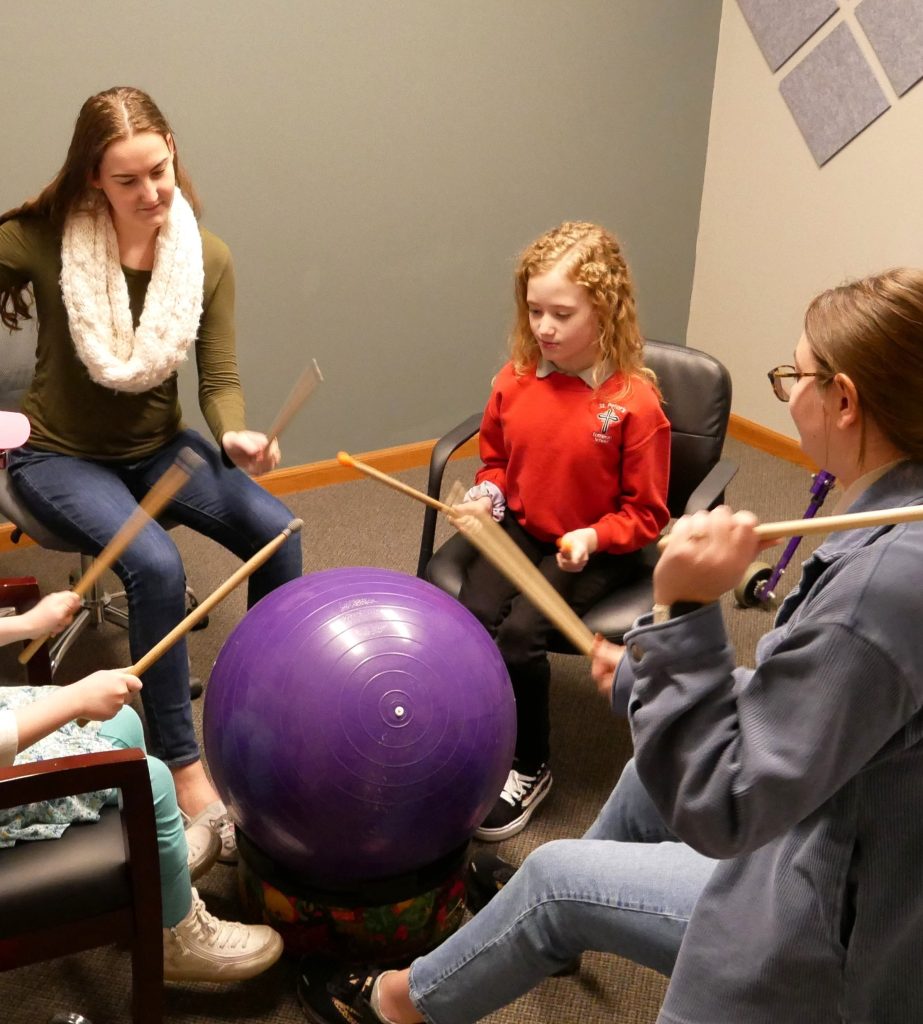
Moreover, musical improvisation fosters communication between participants, which is essential for building social connections. In collaborative settings, musicians must listen intently to each other and respond accordingly, thereby refining their verbal and non-verbal communication skills. For example, in a group improvisation session, one drummer might pick up on the cues given by a guitarist, leading to an engaging exchange of musical ideas. This interaction not only enhances teamwork but also nurtures empathy and understanding among participants.
Cultivating Resilience
Additionally, engaging with improvisation builds resilience. The nature of improvisational music involves experimentation, which can lead to moments of surprise or unexpected challenges. Learning to navigate these challenges is pivotal; as individuals encounter and overcome perceived mistakes in real time, they cultivate a growth mindset. For instance, a musician who misses a note might turn it into a new melodic line, thereby learning that failures can be turning points rather than ends. This resilience is a valuable life skill that extends well beyond music, impacting other areas such as academics or personal relationships.
Real-World Applications in the U.S.
In the United States, numerous programs leverage the power of musical improvisation across diverse settings, including schools, community centers, and music therapy programs. Places like the Little Kids Rock initiative empower students to express themselves and build their musical skills in a supportive environment. These programs have been shown to create a ripple effect, enriching not only the students’ musical journeys but also their personal growth. It’s a testament to how a simple instrument, be it a guitar or a keyboard, can serve as a key to unlocking profound personal transformation.
As we continue to explore the intricate relationship between musical improvisation, self-confidence, and social interaction, it becomes evident that sound is not merely art; it serves as a crucial vehicle for personal empowerment. Through the lens of music, individuals can navigate their emotions, enhance their communication abilities, and build resilience—offering profound insights into the ways we can connect and grow in an ever-evolving world.
DISCOVER MORE: Click here to dive into the art of upcycling
The Power of Spontaneity and Connection
Musical improvisation is more than just a creative outlet; it is a dynamic practice that profoundly affects self-confidence and social skills. By engaging in improvisational activities, individuals unlock a world of opportunities to express themselves freely while simultaneously building connections with others. This spontaneity nurtures a sense of ownership over one’s music-making journey, fostering an environment where mistakes are not only accepted but celebrated as part of the process.
Unleashing Creativity and Personal Expression
The first step in enhancing self-confidence through musical improvisation is the sheer act of creative expression. Improvisation empowers individuals to tap into their inner creativity in a supportive environment. This process is vital for nurturing individuality and self-acceptance. For example, across various music classrooms in the U.S., educators encourage students to explore their musical identities through free expression during improvisational sessions. When students can experiment and explore, they often experience a profound shift in their perception of their creative abilities. Rather than fearing judgment or failure, they learn to celebrate their unique contributions, significantly bolstering their self-esteem.
Building Trust and Social Bonds
In addition to personal growth, musical improvisation fosters trust and social bonding. In group improvisation settings, participants must work together harmoniously to create a piece of music. This encourages effective communication and collaboration, essential skills in any social setting. Improvisation requires individuals to be attentive, actively listen, and respond to the ideas shared by others. Here’s how this forms a strong foundation for social skills:
- Active Listening: Musicians learn to tune into their peers, understanding how to react and build upon shared ideas, which translates well into everyday communication.
- Non-Verbal Communication: This form of music encourages participants to express themselves beyond words, relying on body language and tone, enriching interactions beyond verbal exchanges.
- Conflict Resolution: When disagreements arise during improvisation, participants are often faced with the challenge of finding solutions. This collaborative problem-solving enhances interpersonal dynamics and fosters a sense of community.
Encouraging Group Cohesion
Additionally, musical improvisation can create a sense of belonging, which can be particularly impactful for those who may feel isolated or disconnected. Programs in after-school music clubs or community music workshops in cities across the United States provide safe spaces for individuals to connect through shared experiences. The act of creating music together not only solidifies friendships but also reinforces teamwork and shared enjoyment. As participants create music collaboratively, they build a support network, enhancing their social skills in a natural and enjoyable way.
The intersection of musical improvisation, self-confidence, and social skills reveals a richer understanding of human interactions and personal development. As individuals continue to exemplify their unique musical voices, they not only gain confidence but also cultivate valuable social connections, illustrating music’s powerful role in shaping lives.
| Aspect | Description |
|---|---|
| Enhanced Communication Skills | Engaging in musical improvisation nurtures active listening, allowing individuals to respond more effectively in social settings. |
| Improved Self-Expression | It empowers individuals to convey emotions creatively, leading to greater confidence in both personal and professional interactions. |
Musical improvisation is more than just spontaneous creativity; it serves as a powerful tool for personal development. One observable effect is the enhancement of communication skills. Through improvisation, participants learn to actively listen to one another, a crucial element of interaction. For instance, musicians often respond to their peers’ cues in real-time, fostering an environment where collaboration and understanding flourish. This practice translates to everyday conversations, helping individuals become better communicators.Moreover, improvisation fosters improved self-expression. It provides a platform for individuals to explore their emotions, thoughts, and ideas through music. This form of artistic communication significantly increases self-confidence, as individuals gain a sense of ownership over their creative outputs. As they express themselves freely, they become more comfortable in their skin, resulting in enhanced interpersonal relationships and a more profound impact on their social lives. By exploring these aspects of musical improvisation, one can unearth its potential to transform personal development.
DISCOVER MORE: Click here for insights on creative writing and mental health
The Role of Resilience in Musical Growth
Central to the impact of musical improvisation on self-confidence and social skills is the development of resilience. Whenever musicians engage in improvisational activities, they frequently confront the unpredictability of the creative process. Each note played or idea expressed can lead to unexpected challenges, yet these moments serve as crucial learning opportunities. This environment encourages individuals to bounce back from mistakes, fostering an understanding that failure is a stepping stone to growth rather than a detriment.
Empowering Individuals through Experience
For instance, numerous studies have shown that music education, including improvisation, significantly enhances one’s ability to manage setbacks in other areas of life. A report from the National Endowment for the Arts highlights that students involved in music programs demonstrate improved coping mechanisms. They learn to view each improvisation session as a chance for experimentation, cultivating a mindset that values progress over perfection. This newfound outlook can lead to increased self-assuredness in various social contexts, as these individuals become more willing to take risks and face uncertainties outside the musical realm.
Fostering Diverse Interactions
Moreover, musical improvisation actively cultivates a culture of inclusivity. Participants from various backgrounds come together to create harmonies and rhythms, leading to interactions that cross cultural boundaries. This diversity introduces individuals to new perspectives and ways of thinking, significantly enhancing their social skills. In communal settings, such as inclusive music festivals or workshops, musicians learn to appreciate not only their unique voice but also the beauty of collaboration with others. This shared experience fosters empathy and understanding, both of which are essential for cultivating strong interpersonal relationships.
- Diverse Perspectives: By collaborating with musicians from different genres or cultural backgrounds, participants can gain insights into unique musical styles and techniques, broadening their horizons.
- Shared Leadership: Leadership becomes a shared endeavor in improvisational ensembles, where individuals take turns guiding the group, promoting cooperation and mutual respect.
- Emotional Intelligence: Engaging with others in a musical context enhances emotional intelligence—an ability to recognize and manage one’s emotions and empathize with others, which is invaluable in both personal and professional spheres.
Creating Community through Music
The impact of musical improvisation goes beyond individual benefits and extends to the formation of communities. Group improvisation not only creates music but also nurtures friendships, as individuals bond over shared experiences and achievements. Communities built around improvisational music often provide ongoing support, encouragement, and collaboration, fostering environments where self-expression thrives. Participation in local jam sessions or community orchestras allows individuals to connect with like-minded peers, enhancing their sense of belonging and reinforcing their social skills in the process.
As the landscape of music continues to evolve, the role of improvisation remains pivotal in developing self-confidence and social skills within communities. By nurturing resilience, inclusivity, and collective experiences, musical improvisation plays a vital role in shaping not just musicians, but well-rounded individuals ready to navigate the complexities of social interactions in their everyday lives.
EXPLORE MORE: Click here to discover your writing voice
Conclusion: The Transformative Power of Musical Improvisation
In summary, the impact of musical improvisation on self-confidence and social skills is profound and multidimensional. Through engaging in the spontaneous and collaborative nature of improvisation, individuals learn to embrace their creative potential while developing essential life skills. This journey not only fosters resilience but also nurtures a spirit of experimentation and risk-taking that transcends the musical realm.
The social dynamics that arise during improvisational activities create a fertile ground for inclusivity and understanding. Musicians are encouraged to interact with diverse perspectives, honing their ability to communicate effectively and empathetically. These interactions serve as the backbone of strong community bonds, enhancing emotional intelligence and laying the foundation for lasting relationships.
Furthermore, as communities continue to evolve around musical improvisation, they offer a unique space for individuals to unite through shared experiences, fostering a sense of belonging. Engaging with peers in various settings—from local jam sessions to larger workshops—enables individuals to strengthen their social networks and continually refine their interpersonal skills.
Ultimately, the journey through musical improvisation extends far beyond the music itself. For those willing to explore this dynamic art form, the rewards manifest not just through heightened self-confidence and enhanced social capabilities, but also through richer, more meaningful connections in all aspects of life. As we continue to recognize and harness the transformative power of musical improvisation, we nurture not only better musicians but more vibrant, socially conscious individuals ready to engage with the world around them.