How Learning a Musical Instrument Can Increase Adults’ Creativity
The Transformative Power of Music in Creative Development
In a world that often prioritizes rapid results and productivity, many adults are seeking innovative ways to tap into their creative potential. One increasingly popular method is the practice of learning a musical instrument. Not only does music stir the soul, but it also serves as a potent vehicle for enhancing creativity and self-expression.
Numerous studies highlight the cognitive benefits associated with learning music. For instance, research from the National Association for Music Education indicates that individuals who engage in music training demonstrate significant improvements in cognitive abilities, such as enhanced memory and better problem-solving skills. For example, learning to play the violin requires the musician to manage reading notes, timing, and finger coordination—skills that correlate with improved academic performance in subjects like mathematics.
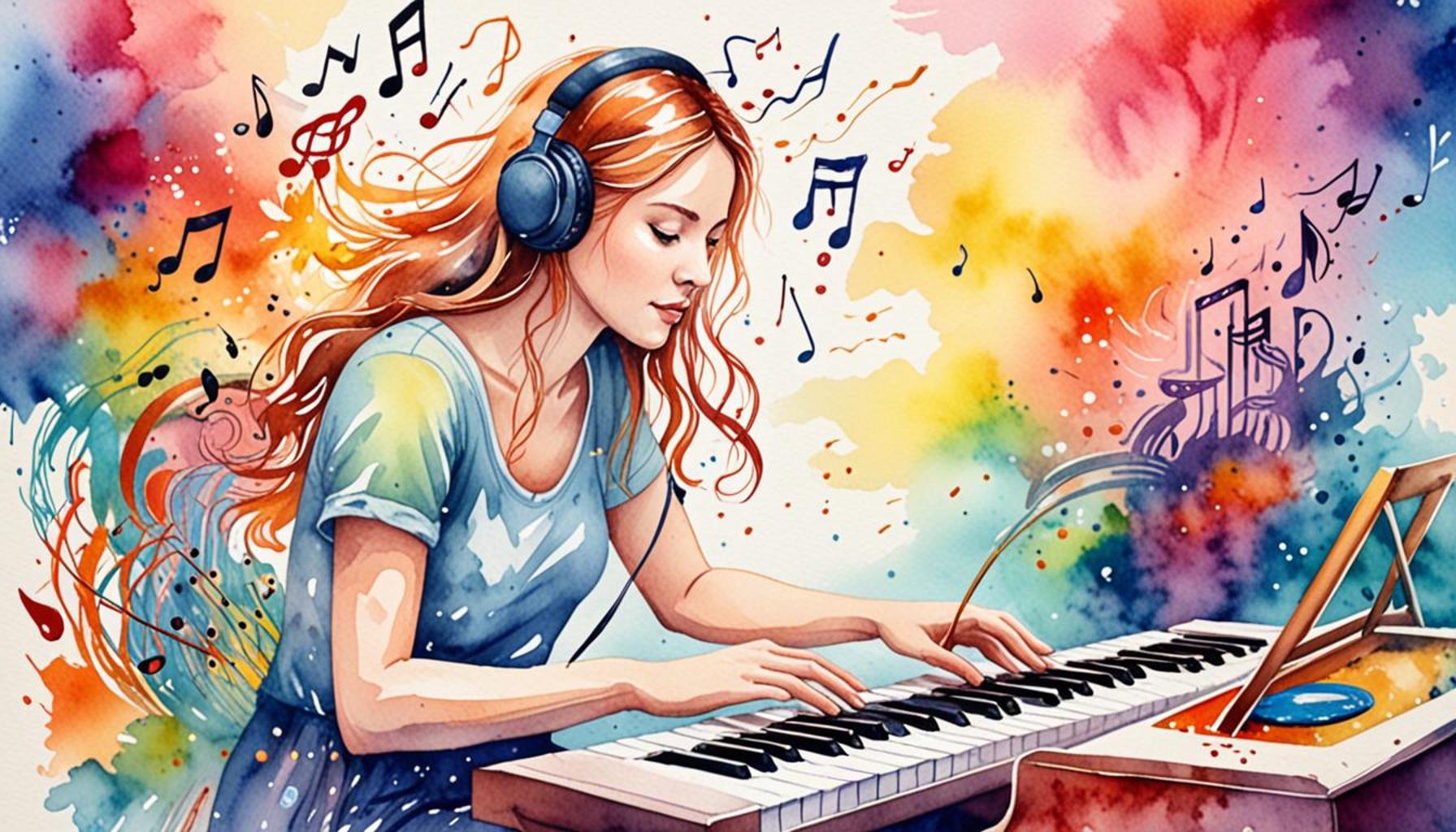
Another profound aspect of music is its ability to facilitate emotional expression. Many individuals find that music serves as an emotional outlet, enabling them to express feelings that are often hard to articulate in words. Whether it’s a cathartic release found in playing a somber melody on the piano or the exhilaration of strumming a cheerful tune on the guitar, the emotional journey provides a deeper layer of personal insight. Artists like Adele and John Mayer often channel their life experiences and emotions into their music, showcasing how powerful this medium can be for personal storytelling.
Collaboration and Community
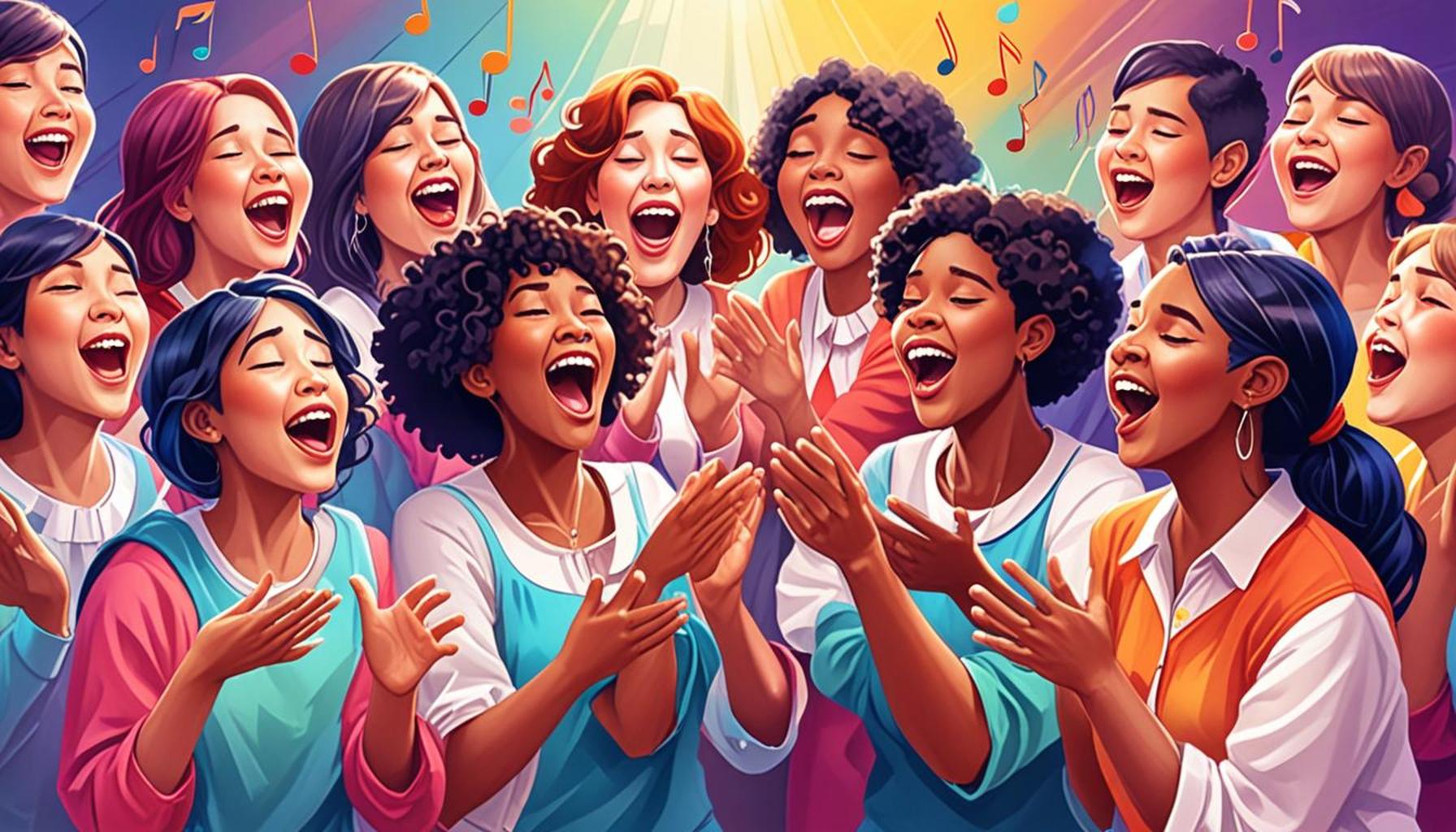
Moreover, engaging with music isn’t just a solitary pursuit. It offers considerable opportunities for collaboration. Whether playing in a band, joining a community orchestra, or participating in group jams, musicians must learn how to communicate and work alongside others. This teamwork can enhance interpersonal skills and foster a sense of belonging. For instance, various music camps and community groups across the U.S. invite participants to collaborate, providing a vibrant space for musical exploration and connection.
The personal journey of mastering an instrument goes beyond learning notes and rhythms. Adults who embark on this adventure often experience increased motivation to explore other creative outlets. Many find themselves drawn to activities like painting, writing, or even dance as they uncover new facets of their creativity. Additionally, a burgeoning interest in music can lead to a deeper appreciation for various art forms, broadening one’s cultural horizons and enriching life experiences.
Furthermore, individuals frequently report an improved sense of well-being associated with music. Engaging with an instrument can be incredibly fulfilling, leading to increased happiness and satisfaction. Studies have shown that regular musical practice can reduce stress, enhance mood, and even support mental health—highlighting how music can be a crucial element in maintaining emotional balance in the whirlwind of daily life.
In conclusion, the path of learning a musical instrument transcends mere entertainment; it is an enriching journey that fuels creative development. Embracing music can truly be a transformative experience, unlocking a treasure trove of creativity and self-discovery. So, whether it’s dusting off that old guitar or picking up the ukulele, diving into music might just be the spark to ignite your creative fire.
DIVE DEEPER: Click here to uncover more about literary genres
Unlocking Enhanced Cognitive Abilities Through Music
Learning to play a musical instrument is not just about hitting the right notes; it’s about unlocking a myriad of cognitive abilities that can spill over into everyday life. Research consistently shows that engaging with music can lead to better overall brain function. The benefits of music education are particularly pronounced in adults, who often find that the mental exercise of playing an instrument enhances various cognitive skills. This phenomenon occurs because learning music requires complex brain activity that bolsters neurological pathways.
One notable study conducted by the University of California, Irvine demonstrated that adults who began learning instruments later in life exhibited improved memory, attention, and problem-solving abilities when compared to their peers who did not participate in music training. This connection lies in the challenge of learning music, which requires a multifaceted approach involving auditory, visual, and kinesthetic skills. By having to integrate these different forms of information, musicians develop a heightened awareness of their surroundings, which can enhance creativity across all areas of life.
Engaging Different Learning Styles
Learning a musical instrument also promotes the incorporation of various learning styles, which can lead to greater overall creativity. Here’s how:
- Visual Learning: Sheet music and instructional videos facilitate visual learning. Musicians translate symbols into sounds, enhancing their ability to interpret complex ideas.
- Auditory Learning: Listening to music and recognizing pitch and rhythm helps develop auditory skills that sharpen listening abilities in everyday conversations.
- Kinesthetic Learning: The physical act of playing an instrument builds muscle memory, which can evoke creativity in other hands-on tasks.
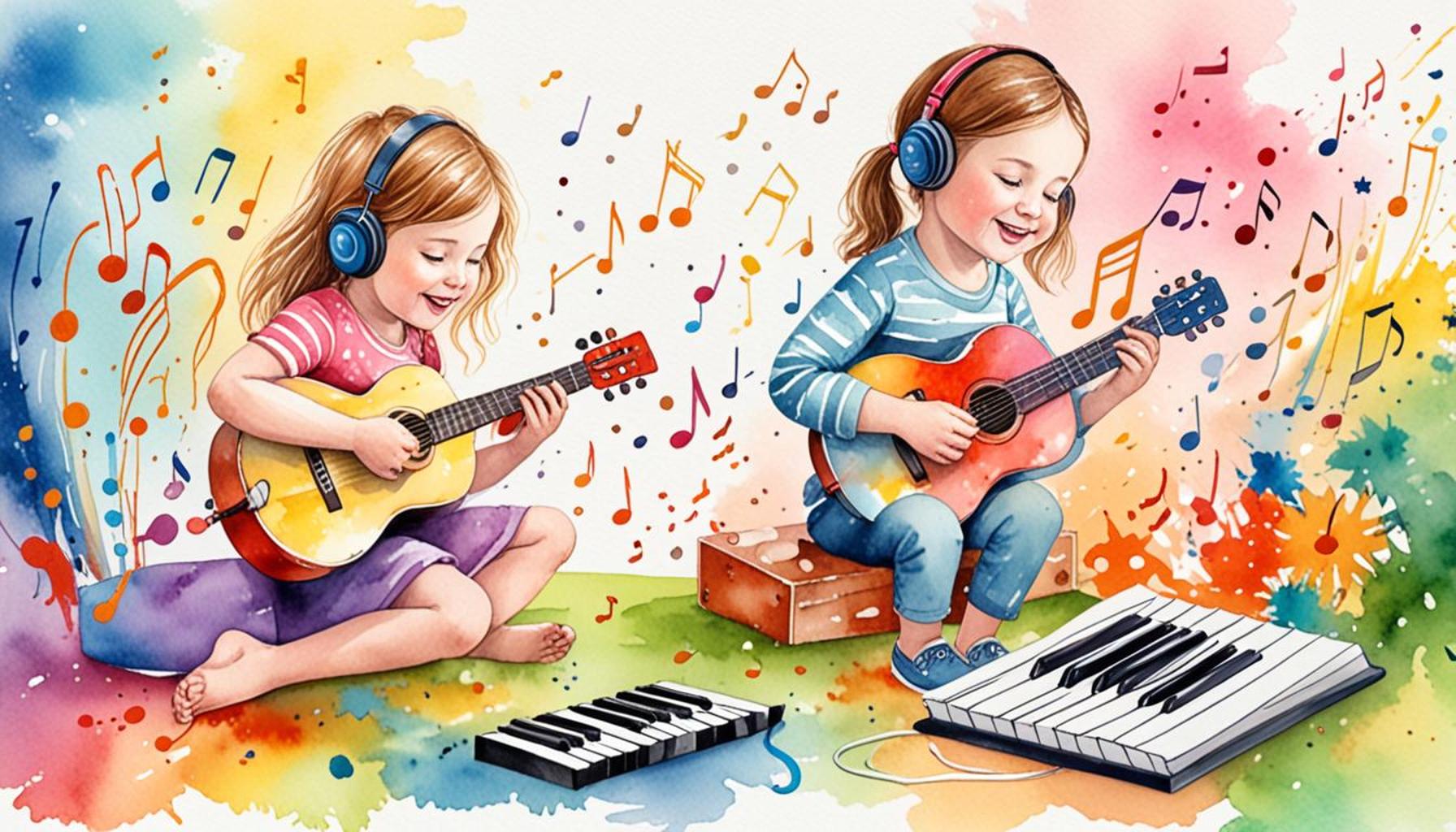
This amalgamation of learning techniques broadens an adult’s approach to tackling problems and expressing ideas. For instance, someone who plays the guitar may find that, after mastering chords and melodies, they become more adept at visualizing concepts in their professional field, leading to a surge in innovative thought. Simply put, the learning process associated with music serves as a muse, encouraging adults to think outside the box.
Additionally, the discipline cultivated through musical practice translates into improved focus and dedication. As adults learn to navigate the challenges of musical progression—such as mastering new scales or tackling complicated rhythms—they develop a more resilient mindset. This resilience often spills over into other creative endeavors, making it easier for individuals to push through creative blocks and explore new ideas.
In conclusion, delving into a musical instrument ignites a robust interplay of cognitive development, diverse learning styles, and enhanced focus that contribute to an enriching and creative adult experience. By embracing music, individuals unlock not just melodies, but also the pathways to greater creativity in their daily lives, ultimately cultivating a more vibrant and imaginative existence.
| Advantages | Details |
|---|---|
| Enhanced Problem-Solving Skills | Learning music requires critical thinking and innovative solutions when navigating complex pieces, fostering a more analytical mindset. |
| Increased Emotional Expression | Playing an instrument allows adults to convey emotions artistically, enhancing creativity and providing an outlet for self-expression that can enrich other areas of their lives. |
As adults delve deeper into the world of music, they often discover that the practice not only sharpens their technical skills but also fundamentally alters their approach to challenges in daily life. The process of learning an instrument presents a medley of cognitive tasks—from mastering finger positions to interpreting musical notation. This can significantly bolster one’s problem-solving abilities. As seasoned musicians attest, their experiences in deciphering complex compositions and improvising on the spot translate into enhanced analytical skills in professional and personal scenarios.Moreover, engaging with music fosters emotional intelligence. When adults learn to communicate through sound, they often find themselves tapping into deeper layers of creativity. This newfound ability to express complex feelings musically can also stimulate other forms of creative expression, such as writing and visual arts, making music not just a hobby but a catalyst for overall creativity enhancement. By embracing the journey of learning a musical instrument, adults can unlock doors to greater creativity, inviting a world where not only music flourishes but other creative pursuits thrive alongside it.
DISCOVER MORE: Click here to find out how music can elevate your confidence
Fostering Emotional Expression and Social Connection
In addition to enhancing cognitive abilities, learning a musical instrument plays a pivotal role in encouraging emotional expression and fostering social connections, both of which are essential components of creativity. The act of translating feelings into music not only provides an outlet for self-expression but also facilitates emotional understanding in various facets of life. As adults explore the contours of their emotions through the medium of music, they often become more attuned to their inner experiences and those of others around them.
Music as an Emotional Outlet
For many adults, playing a musical instrument becomes a powerful form of emotional catharsis. Studies have shown that music has the ability to evoke strong emotional responses, which can help individuals process complex feelings. Engaging in the creative process of music-making allows for an exploration of emotions that might otherwise be difficult to articulate. According to a study published in the Journal of Positive Psychology, individuals who engage in creative activities like music report higher levels of emotional well-being and overall life satisfaction. This emotional exploration serves to enhance creative thinking, as people learn to navigate their feelings and thoughts in new and innovative ways.
Building Community Through Collaboration
Beyond individual benefits, learning a musical instrument often opens doors to community and collaboration. Participating in group classes, ensembles, or local bands not only enhances musical skills but also fosters a sense of belonging. In these collaborative settings, creativity flourishes as individuals share ideas, techniques, and inspirations. For instance, a guitarist collaborating with a pianist may result in unique compositions that neither would have created independently.
Furthermore, studies indicate that participation in group music-making activities can improve social skills and interpersonal relationships. The interplay of different instruments and voices requires active listening and communication, allowing adults to develop better empathy and understanding within social contexts. Informal jam sessions or community orchestras serve as breeding grounds for creative exchange, inspiring participants to take risks and experiment musically. This sense of camaraderie not only enriches the learning experience but also serves to bolster creativity in broader realms of life.
The Therapeutic Nature of Music
Moreover, music’s therapeutic qualities cannot be overlooked when discussing its impact on creativity. Music therapy has gained traction in recent years as an effective method for trauma recovery and emotional healing. Research from the American Music Therapy Association highlights how musical engagement can reduce stress and anxiety, making room for creative thoughts to flourish. When adults engage with music therapeutically, they often find themselves liberated from mental barriers that may previously stifled their creativity. The combination of emotional release and communal support creates a fertile environment in which innovative ideas can take root.
Through these layers of emotional expression and social connectivity, learning a musical instrument stands as a multifaceted tool for enhancing creativity among adults. By channeling feelings into musical expression and collaborating with others, individuals not only explore their creativity but also build a deeper understanding of themselves and the world around them. As they immerse themselves in the vibrancy of music, the doors to creativity swing wide open.
DISCOVER MORE: Click here to dive into personalized home decor ideas
Conclusion: The Creative Symphony of Life
In summary, the journey of learning a musical instrument transcends beyond mere technical skill; it serves as a pivotal medium for enhancing creativity among adults. Through the act of musical expression, adults are afforded the unique opportunity to explore their emotions, fostering a deeper understanding of themselves and the world around them. The therapeutic attributes linked to musical engagement help in mitigating stress and anxiety, creating a nurturing ground for innovative ideas to flourish.
Moreover, the communal aspects of music-making—whether in ensembles or informal jam sessions—significantly enrich social interactions and collaborations. This not only stimulates creativity through shared experiences but also cultivates vital social skills such as empathy and active listening. As studies illustrate, the emotional and social rewards of learning an instrument promote not only individual well-being but also contribute to a vibrant creative community.
For adults looking to ignite their creativity and enrich their lives, picking up a musical instrument might just be the key. The fascinating world of music offers myriad possibilities for exploration and growth, encouraging adults to take risks, innovate, and connect with others. As we continue to understand the profound impact of music on our lives, it becomes evident that engaging with music is not solely an artistic endeavor but a vital pathway to a more creative and fulfilling existence.