The Benefits of Music Therapy in the Development of Social Skills in Children
Exploring the Impact of Music Therapy on Social Skills Development
In today’s fast-paced world, children are increasingly faced with challenges that may hinder their ability to develop essential social skills. Many young individuals encounter difficulties connecting with peers due to factors such as social anxiety, autism spectrum disorders, or learning disabilities. In light of these challenges, music therapy has emerged as a revolutionary and effective approach for nurturing these vital skills within young minds, enabling them to express themselves and interact more fully with others.
Why Music Therapy Matters
The significance of music therapy extends far beyond mere entertainment; it stands as a beacon of hope backed by scientific research. Studies have shown that engaging in music therapy can drastically affect a child’s social development. Among the most notable benefits are:
- Improved Communication: Music therapy facilitates a child’s ability to articulate their thoughts and feelings, both verbally and non-verbally. For instance, singing can help a child learn language patterns and pronunciation. Additionally, rhythm exercises may enhance their vocal delivery and speech clarity.
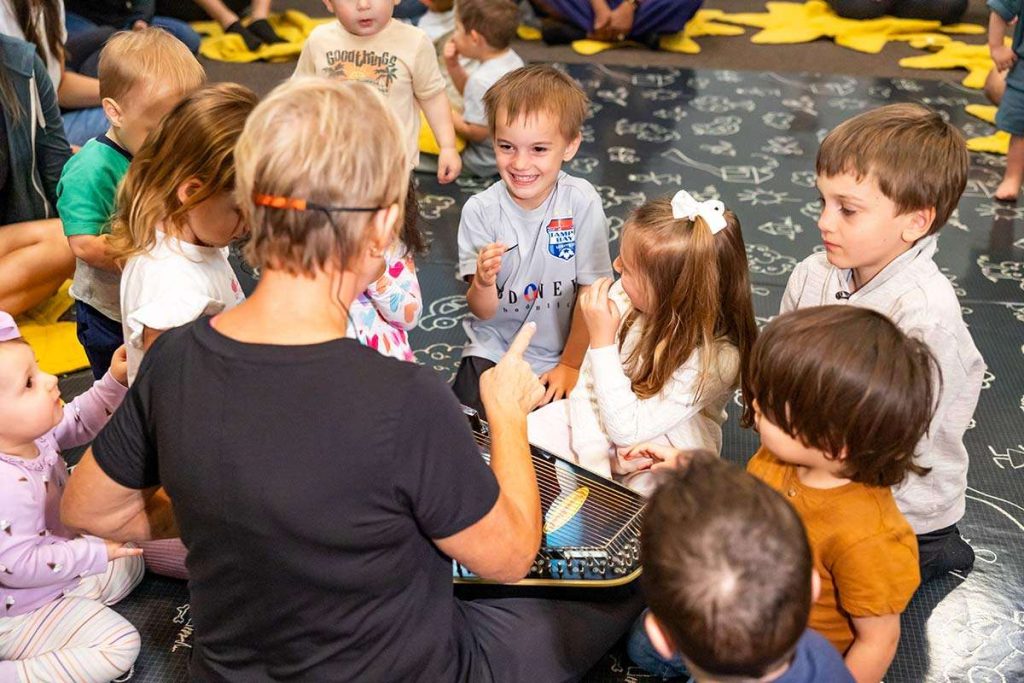
- Enhanced Social Interaction: Through group music sessions, children are not only encouraged to create music together but also to participate in cooperative play and teamwork. Activities like group drumming can foster a sense of unity and collaboration, helping children understand turn-taking and shared goals.
- Emotional Regulation: Music serves as a powerful tool for emotional expression. Songs can resonate with children’s feelings, allowing them to process complex emotions in a safe environment. For instance, using calming melodies can help a child learn relaxation techniques and effective ways to manage anger or stress.
These elements combine to create a supportive environment, which is crucial for children who might otherwise struggle to engage in traditional social settings. By providing a non-threatening medium for interaction, music allows children to practice critical skills and builds their confidence in a way that feels natural.
What’s Next?
The exploration of music therapy does not end here; upcoming discussions will delve deeper into specific techniques used by therapists, share compelling success stories, and feature insights from experts in the field. These narratives illustrate how music can unlock potential and pave the way for social and emotional growth in countless young individuals. By observing real-world applications and the positive transformations they cultivate, readers may gain a richer understanding of how the journey through sound and rhythm can lead to profound changes in children’s lives.
DISCOVER MORE: Click here to dive deeper into artistic expression
Unpacking the Mechanisms of Music Therapy
To truly appreciate the benefits of music therapy in the development of social skills in children, it is essential to understand the mechanisms underlying this therapeutic approach. Music therapy is not merely about listening to tunes; it involves active participation, emotional engagement, and structured activities designed to nurture children’s social capabilities. This multifaceted approach addresses children on cognitive, emotional, and behavioral levels, promoting a well-rounded development that traditional methods may overlook.
1. Fostering Communication through Musical Interaction
One of the most profound advantages of music therapy lies in its ability to foster communication. Activities such as song improvisation and lyric sharing encourage children to express their feelings and thoughts freely. These activities not only help children articulate themselves but also make them more aware of their peers’ emotions. In group settings, children learn to listen actively—a skill that’s vital for effective communication. This interaction can lead to:
- Increased Vocabulary: Engaging with music can expose children to new words and phrases, enhancing their language skills.
- Non-verbal Expression: Through rhythm and movement, children can communicate feelings that they find difficult to express verbally.
- Listening Skills: Children learn to wait for their turn to speak or perform, which cultivates patience and respect for others’ voices.
2. Empowering Teamwork and Collaboration
Music therapy promotes a sense of belonging, crucial for children learning to interact socially. Group music activities, such as ensemble performances or chorus singing, necessitate teamwork and collaboration. When children actively participate in creating music, they cultivate an awareness of each other’s role in achieving a common goal. This shared experience can lead to:
- Development of Trust: Building trust within a group is pivotal; music therapy creates a safe space for children to connect and support each other.
- Conflict Resolution Skills: Working through creative differences in music can teach children valuable lessons in compromise and collaboration.
- Sense of Achievement: Successfully creating music together fosters a sense of accomplishment and pride in working as part of a team.
The integration of these elements creates a dynamic communication and interaction platform for children. It invites them to practice social skills in a fun, engaging, and supportive environment. This kind of experiential learning significantly differs from traditional instructional methods, showing that engaging through music can lead to deeper emotional bonds and enhance social abilities.
3. Building Emotional Intelligence through Musical Experiences
Emotional intelligence is a critical component of social skills, and music therapy serves as a springboard for its development. Through various musical experiences, children learn to identify, understand, and express their emotions. Whether they are composing their songs or participating in guided improvisation, children can explore their feelings in a creative and structured way. This process enables them to:
- Recognize Emotions: By associating specific songs with feelings, children can develop a better understanding of their emotional states.
- Practice Empathy: Music often reflects universal themes of love, loss, and joy, inviting children to empathize with the experiences of others.
- Coping Mechanisms: Learning to express emotions through music can help children find constructive ways to cope with feelings such as frustration or sadness.
As we delve deeper into the realm of music therapy, it becomes apparent that its impact on social skills development is both profound and multifaceted. Understanding these mechanisms not only underscores the importance of music therapy but also highlights its potential as an invaluable resource for children navigating the complexities of social interactions.
| Advantage | Description |
|---|---|
| Enhanced Communication Skills | Music therapy encourages children to express themselves, fostering verbal and non-verbal communication abilities. |
| Improved Social Interaction | Group music activities can help children develop collaborative skills and learn to relate to peers in a supportive environment. |
Music therapy is not merely an artistic pursuit but a profound tool for enhancing social skills in children. It acts as a medium through which children learn to connect with others, understand emotions, and express their thoughts creatively. By participating in collective music-making experiences, children are likely to develop stronger interpersonal relationships, which is critical in their developmental journey. Through the rhythms and melodies, they engage with peers, fostering a sense of belonging and mutual support. As children explore different instruments or join in a chorus, they unknowingly practice the essential components of teamwork and empathy.
DIVE DEEPER: Click here to uncover the art of tapestry techniques
Enhancing Social Interaction through Music Therapy
Building on the previous discussions, it becomes clear that music therapy not only crafts a unique medium for communication but also significantly enhances social interaction among children. The dynamic nature of musical activities provides children with opportunities to engage with one another in diverse ways, promoting a sense of connection and shared experience. This is particularly crucial for children who may struggle with conventional social settings, such as those on the autism spectrum or with social anxiety.
1. Creating a Safe Space for Interaction
Music therapy often takes place in a structured and nurturing environment, designed to feel safe and welcoming. This safe space allows children to express themselves without fear of judgment. Activities, such as group drumming or creative movement, can help break down barriers that typically inhibit social interaction. Here’s how this safe environment can foster:
- Reduced Social Anxiety: Children can practice social skills like sharing and taking turns within the soothing context of music, lessening anxiety about social interactions.
- Encouragement of Initiative: A supportive atmosphere encourages shy children to initiate interactions, bolstering their confidence over time.
- Improved Body Language: Engaging in group music activities aids in recognizing and using body language effectively, which is integral to social communication.
2. Diversity in Musical Forms and Cultural Connection
Music therapy incorporates a wide range of musical styles, reflecting the rich tapestry of cultures present in the United States. This diversity not only enhances musical learning but also promotes cultural appreciation and awareness among children. Engaging with various musical forms enables children to:
- Develop Cultural Sensitivity: Understanding different genres fosters respect and appreciation for diverse backgrounds and traditions, enhancing children’s ability to social with peers from varied cultures.
- Build Shared Experiences: Singing popular songs or engaging with recognizable tunes allows children to bond over shared cultural references, enhancing camaraderie and connection.
- Encourage Collaboration: Different genres require collaboration, allowing children to blend their unique styles in therapeutic settings and learn from one another.
3. Facilitating Playful Engagement
At the core of music therapy lies an inherent element of playfulness that captivates children’s minds. This aspect of play is vital for healthy social development, as it allows children to experiment with roles and scenarios. Through playful activities—such as songwriting or rhythm games—children can:
- Enhance Creativity: Unleashing their creativity through music encourages children to think outside the box, fostering innovative social interactions and friendships.
- Practice Social Norms: Playful interaction permits children to navigate social contexts and cues, experimenting with behaviors that work, like sharing and cooperation.
- Experience Joyful Connection: Fun interactions rooted in music help strengthen bonds among peers, leading to more meaningful relationships as they find joy in shared experiences.
The experience of music therapy is inherently about more than just music; it serves as a vibrant catalyst for children to engage, connect, and grow socially. By exploring these varied dimensions of interaction fostered by music, we see how the power of rhythm and melody transcends the inherent challenges of socialization and nurtures children’s ability to forge meaningful relationships, ultimately paving the way for their social development.
DISCOVER MORE: Click here for inspiring DIY crafts
Conclusion: Unlocking Social Potential through Music Therapy
In summary, the integration of music therapy into the upbringing of children has proved to be a transformative approach in enhancing their social skills. As we have explored, music therapy offers a multifaceted platform for children to connect, engage, and communicate effectively. The security of a nurturing environment allows them to overcome social anxieties while cultivating initiatives through harmonious interaction. With this therapeutic approach, children not only find solace in melody but also learn to navigate the complexities of human connection through shared musical experiences.
Moreover, the rich diversity of musical genres introduces cultural awareness that resonates profoundly in today’s multicultural landscape. By facilitating exposure to various musical styles, children develop an appreciation for diversity, fostering social values such as empathy and understanding. Celebrating different rhythms and tunes becomes a conduit for building bridges across cultural divides, ultimately enriching their social repertoire.
The playful elements inherent in music therapy further stimulate creativity and cooperative engagement, enabling children to explore social norms in a low-pressure context. The joy derived from collective musical activities reinforces friendships and strengthens social bonds that are vital for emotional well-being.
As we recognize the significance of music therapy in the realm of social skill development, it becomes evident that the benefits extend far beyond mere melodies. It not only enhances interpersonal abilities but also prepares children to thrive in diverse social landscapes. Thus, investing in music therapy is not just an option; it is a vital step towards unlocking the full potential of our children, creating enriched, socially adept individuals ready to face the world.