How Musical Dance Practice Can Enrich Creative Experience and Motor Coordination
The Transformative Power of Dance
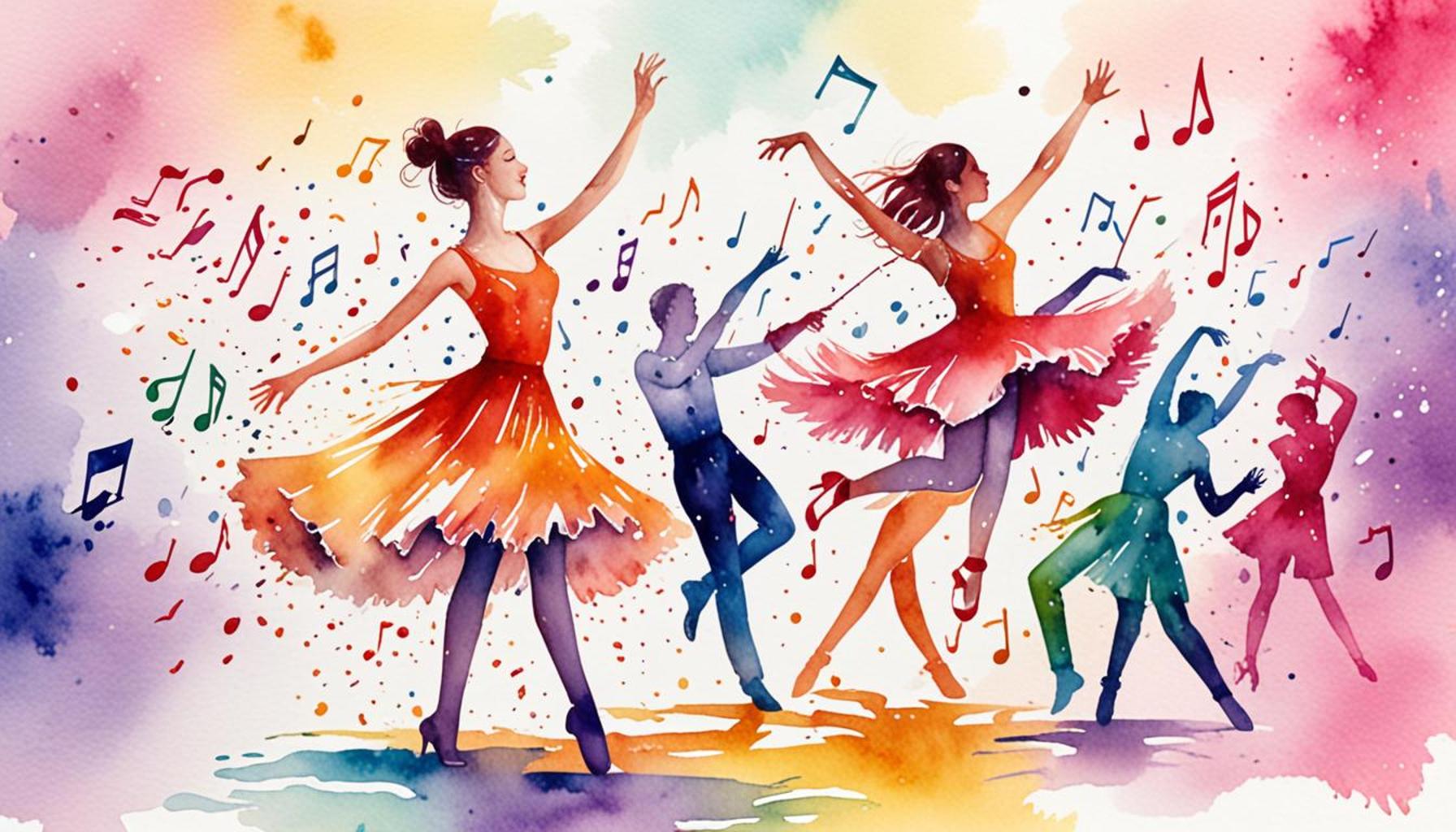
When we think of dance, we often envision a performance filled with joy and artistry, but its significance extends far beyond mere entertainment. Dance serves as a dynamic avenue for conveying emotions, telling stories, and connecting with others. It encompasses music, rhythm, and movement, transforming physical activity into a profound creative experience. Engaging in musical dance practice not only entertains but also facilitates personal growth, enhances motor coordination, and cultivates a sense of community.
The Benefits of Musical Dance Practice
Diving into the world of dance presents a myriad of benefits that can profoundly impact one’s life:
- Boosting Creativity: Dance allows individuals to express feelings and ideas uniquely, promoting innovative thinking as they explore different movements and styles. For example, a dancer might improvise a sequence inspired by a recent experience, thus channeling creativity through their body.
- Enhancing Motor Skills: Regular exposure to various dance forms significantly improves coordination, balance, and body awareness. This enhancement is particularly evident in young children who, through dance classes, develop better motor skills that can transfer to other activities, from sports to daily tasks.
- Cognitive Development: The memorization of choreography demands mental acuity, stimulating brain function and enhancing both memory retention and concentration. A study conducted by the University of California showed that dance learners exhibited improved spatial awareness and cognitive flexibility compared to those engaged in non-dance physical activities.
Beyond the individual benefits, dance also fosters social interaction. It serves as a gateway to breaking cultural barriers and building relationships among individuals from various backgrounds. The beauty of styles ranging from ballet to hip-hop is that they carry the legacy of their cultures, allowing dancers a chance to connect on multiple levels, whether through shared experiences or cultural exchange.
Exploring Diverse Styles
In the United States, dancers are blessed with a rich tapestry of styles to choose from, each offering distinct characteristics and contributing to the overall dance experience:
- Ballet: Known for its precise movements and formal techniques, ballet instills a sense of discipline and grace, often serving as a foundational style for aspiring dancers.
- Jazz: With its roots entwined in African-American culture, jazz dance encourages improvisation and promotes a free-spirited approach to movement. This style invites dancers to express themselves spontaneously, matching their energy to the lively rhythms.
- Hip-Hop: Emerging from urban street culture, hip-hop dances blend rhythmic beats with storytelling, serving as a powerful means of cultural expression and social commentary. Styles like breakdancing and locking showcase the creativity and athleticism inherent in this genre.
As we further explore the connection between dance, music, and creativity, it becomes increasingly evident that dedicating time to musical dance practice nurtures not only artistic development but also equips individuals with essential life skills, fostering both personal and social growth. Whether in a dance studio or informally in a community gathering, the rhythms of movement and the joy of self-expression create an enriching environment for all. So, step into the world of dance and unlock the myriad possibilities it offers for enhancing creativity and connection.
DIVE DEEPER: Click here to unlock your unique home decor ideas
The Synergy of Movement and Music
At the heart of musical dance practice lies a powerful synergy between movement and music, creating a unique environment that fosters creativity and enhances motor coordination. When dancers step onto the floor, they engage not only their bodies but also their minds and spirits. This multi-faceted experience provides opportunities for self-expression and artistic exploration, paving the way for enriched mental and physical well-being.
Creativity Unleashed Through Movement
Engaging with dance can serve as an extraordinary outlet for creativity. The act of moving to music challenges dancers to think outside the box—whether it’s improvising new combinations or interpreting music in personal ways. When dancers respond to various styles or rhythms, they unlock pathways for imaginative expression. Here are several ways in which musical dance practice enhances creativity:
- Improvisation: Many dance forms, such as jazz and contemporary, encourage improvisation, allowing dancers to create movement freely. This spontaneous expression not only fosters creativity but also helps dancers develop their unique voice within the art form.
- Storytelling: Dance can convey a narrative, and dancers often embody characters or themes through movement. This ability to interpret stories through their bodies helps unleash a deeper layer of creativity as they explore emotional ranges and personal connections.
- Collaboration: Group dance practices create a collaborative environment where ideas combine and flourish. Dancers working together can inspire one another by sharing movements or concepts, ultimately enriching the overall performance.
Beyond the artistic aspects, engaging in dance stimulates various cognitive processes. Dancers become adept at memorizing routines, improving mental agility and focus. This cognitive engagement complements physical action, as studies show that the brain’s response to movement and rhythm can bolster memory function. For instance, recent research published in the journal Cognitive Science indicates that dancers display enhanced neural connectivity, which may contribute to superior cognitive capabilities.
The Importance of Motor Coordination
One of the most tangible benefits of musical dance practice is the enhancement of motor coordination. Dance requires intricate body movements that demand coordination, balance, and control. These skills are not only vital in dance but also translate to everyday activities and other sports. Children, in particular, benefit significantly as their physical development is closely tied to their engagement with dance. Here’s how dance practice can improve motor skills:
- Refined Movements: The structured learning in dance classes helps students develop precise muscle control, resulting in more refined movements even outside the studio.
- Increased Balance: Many dance forms focus on maintaining stability during complex movements, which reinforces balance and body awareness.
- Enhanced Agility: The need to execute quick and fluid transitions in dance segments fosters agility, making it easier for dancers to adapt their movements in varied contexts.
As individuals engage in musical dance practice, they simultaneously cultivate essential qualities that enhance their overall physical health and contribute to their personal development. The continuous interplay of music, movement, and creativity fosters an atmosphere rich in opportunity, exploration, and connectivity, encouraging dancers to step confidently into their creative journeys.
Musical dance practice offers a myriad of benefits that extend beyond mere enjoyment, profoundly influencing both creativity and motor coordination. Engaging in rhythmic movement to music enhances the brain’s neuroplasticity, fostering the connections required for creativity and problem-solving. This practice ignites a spark in individuals, inspiring unique expressions through their art.Moreover, the interplay between rhythm and movement significantly improves motor skills. Through repetitive and dynamic dance movements, participants develop better hand-eye coordination, balance, and proprioception. These are essential attributes not only in dance but in daily life activities, leading to enhanced physical performance in various sports and recreational activities.One of the remarkable aspects of musical dance is its ability to cater to diverse age groups and skill levels. Whether a seasoned dancer or a beginner, engaging with music offers an accessible avenue for self-expression and growth. This universality extends the benefits of dance, allowing individuals from different backgrounds to partake in the enriching experience it provides.Furthermore, the social aspect of group dance practice fosters communication and connection among participants. This social interaction can enhance emotional well-being and contribute to a sense of belonging, which is particularly important in today’s fast-paced world. Incorporating dance into regular practice can serve as a powerful tool for personal development. Not only does it improve physical skills, but it also nurtures emotional intelligence. By tapping into one’s creative instincts through movement, individuals learn to communicate their feelings more effectively, leading to a well-rounded approach to interpersonal relationships. Ultimately, musical dance practice amalgamates physical activity with mental stimulation, creating a holistic approach to improving both creativity and motor coordination. Those who embrace this vibrant art form may find themselves more adept at expressing their creativity and navigating the complexities of movement, enriching their lives in countless ways.
| Advantages | Key Characteristics |
|---|---|
| Creativity Enhancement | Stimulates neuroplasticity and encourages innovative expressions. |
| Motor Skill Development | Improves coordination, balance, and proprioceptive skills crucial for movement. |
| Social Interaction | Fosters connection and communication among participants, enhancing emotional well-being. |
| Accessible Practice | Enjoyable for all ages and skill levels, promoting inclusivity in creative engagement. |
DIVE DEEPER: Click here to explore the diverse forms of artistic
The Role of Rhythm in Learning and Coordination
Beyond the structured movements and improvisational expressions, rhythm plays a pivotal role in enhancing both creativity and motor coordination in dance. Dance training often involves learning to move in time with music, developing an acute sense of timing that extends beyond the dance floor. This rhythmic awareness not only informs a dancer’s performance but also reinforces cognitive and physical skills applicable to many aspects of life.
Enhancing Cognitive Functioning through Rhythm
Research has shown that activities incorporating rhythm can significantly benefit cognitive functioning. In children, rhythmic activities have been linked to better reading skills, as both rely on the ability to discern patterns and sequences. According to a study published in the journal Frontiers in Psychology, engaging in musical activities such as dance can enhance children’s phonological awareness, a critical skill for reading development. This correlation highlights how musical dance practice serves as a tool for cognitive enrichment, intertwining motor skills with brain development.
Furthermore, studies have indicated that rhythmic activities can bolster memory and retention. The movement-music connection aids in the memorization of sequences, which researchers assert is linked to the way rhythm structures our thoughts. While dancers synchronize their movements to the beat, their brains simultaneously create mental scaffolds that facilitate memory recall. This phenomenon emphasizes how rhythmic engagement in dance can enhance the cognitive toolkit of individuals, fostering skills that transcend the art form itself.
Physical Benefits of Rhythmic Dance Practice
From a physical perspective, rhythmic dance practice offers substantial benefits for motor coordination. Experts agree that the brain’s ability to predict and respond to rhythmic patterns aids in refining neuromuscular control. As dancers learn to execute movements in time with music, their bodies develop a stronger connection between mind and motion. This connection allows for smoother transitions and more fluid movements, both vital in various aspects of physical activity.
- Improved Timing: The need to match body movements with musical beats trains dancers to exhibit precise timing, a skill crucial not only in dance but also in sports and physical fitness.
- Coordination of Extremities: Many dance styles require the coordination of arms, legs, and torso in complex ways, which can significantly enhance overall body coordination. This multi-limb coordination helps improve athletic performance across sports.
- Body Awareness: Continuous engagement in dance foster a heightened sense of body awareness. Dancers learn to understand their physical limitations and strengths, promoting a healthier relationship with their bodies.
As a result, the rhythm instilled during dance practice results in a dual benefit: improved cognitive function and enhanced motor coordination. By fostering an awareness of rhythm, musical dance practice encourages individuals to respond instinctively and adaptively, both in performance and day-to-day activities. This dynamic interplay between cognitive and physical growth exemplifies the profound impact that dance has in enriching one’s life, transforming the mere act of dance into a comprehensive developmental journey.
DISCOVER: Click here to unlock the secrets of music’s impact on creativity
Conclusion: The Transformative Power of Dance
In conclusion, the exploration of musical dance practice reveals its rich potential to enhance both creative experience and motor coordination. The interplay of rhythm and movement not only fosters artistic expression but also cultivates essential cognitive skills. As evident from research, engaging in dance encourages a deeper understanding of patterns, sequences, and timing, which are vital for intellectual growth and memory enhancement. This demonstrates that dance is not merely an art form; it serves as an educational tool, enriching the minds of individuals from childhood through adulthood.
Moreover, the physical benefits of rhythmic dance, such as improved timing, coordination of extremities, and heightened body awareness, illustrate how dance acts as a comprehensive exercise for the body and mind. Such skills are transferable across various activities and sports, positioning dance as a unique training ground for overall physical fitness.
As we further integrate dance into educational and recreational settings, it becomes increasingly clear that musical dance practice can profoundly influence growth and development. Individuals, regardless of age, can experience the transformative power of movement paired with music. By encouraging rhythmic engagement, we not only enrich lives creatively but also lay the foundation for enhanced motor skills that can lead to a lifetime of benefits. It is time to embrace the dance floor as a space for creativity, fitness, and holistic development—an arena where individuals can flourish in countless ways.