Transforming Recyclable Materials into Art: Sustainable DIY Projects
Unlocking Creativity Through Recyclable Materials
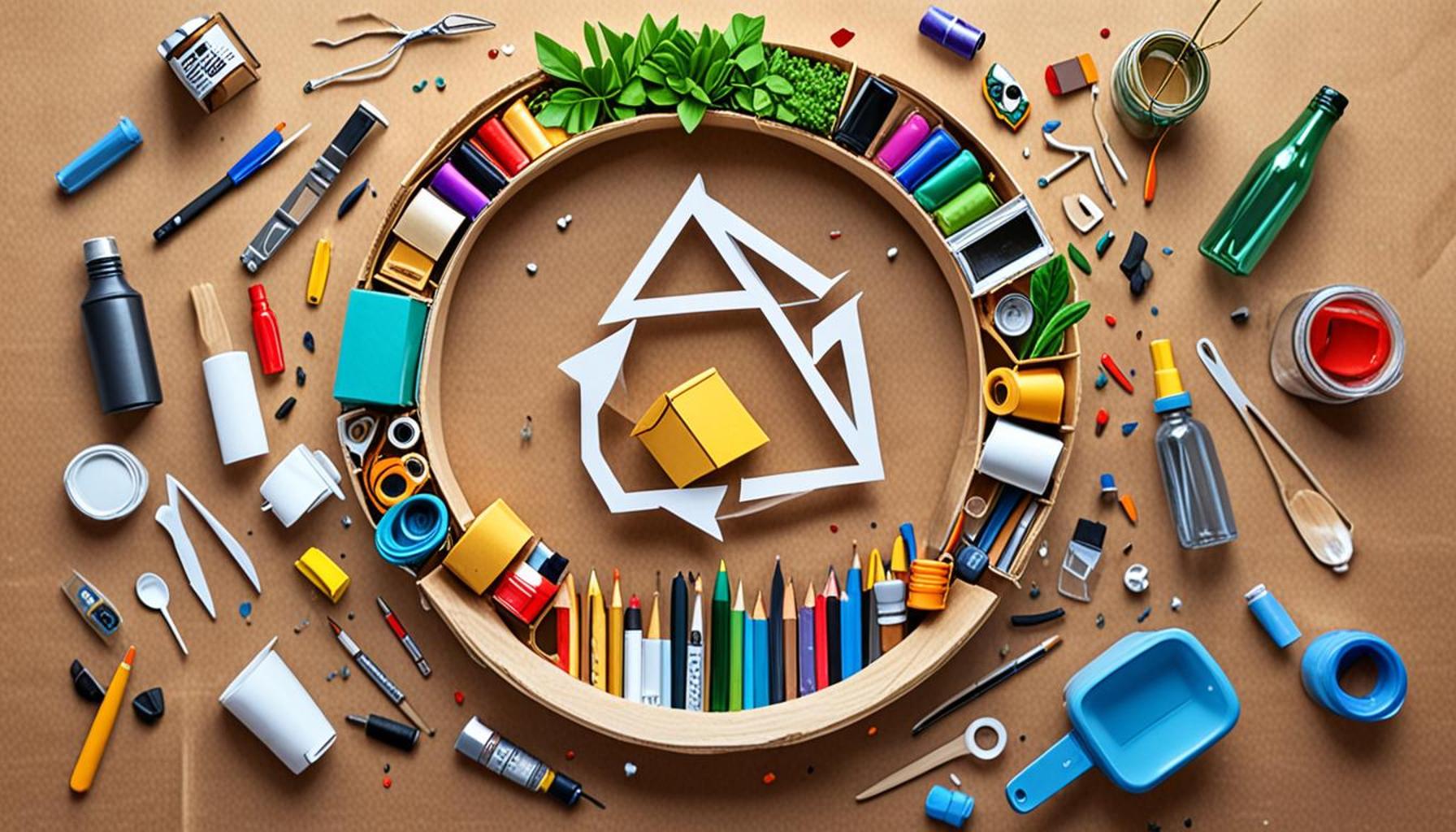
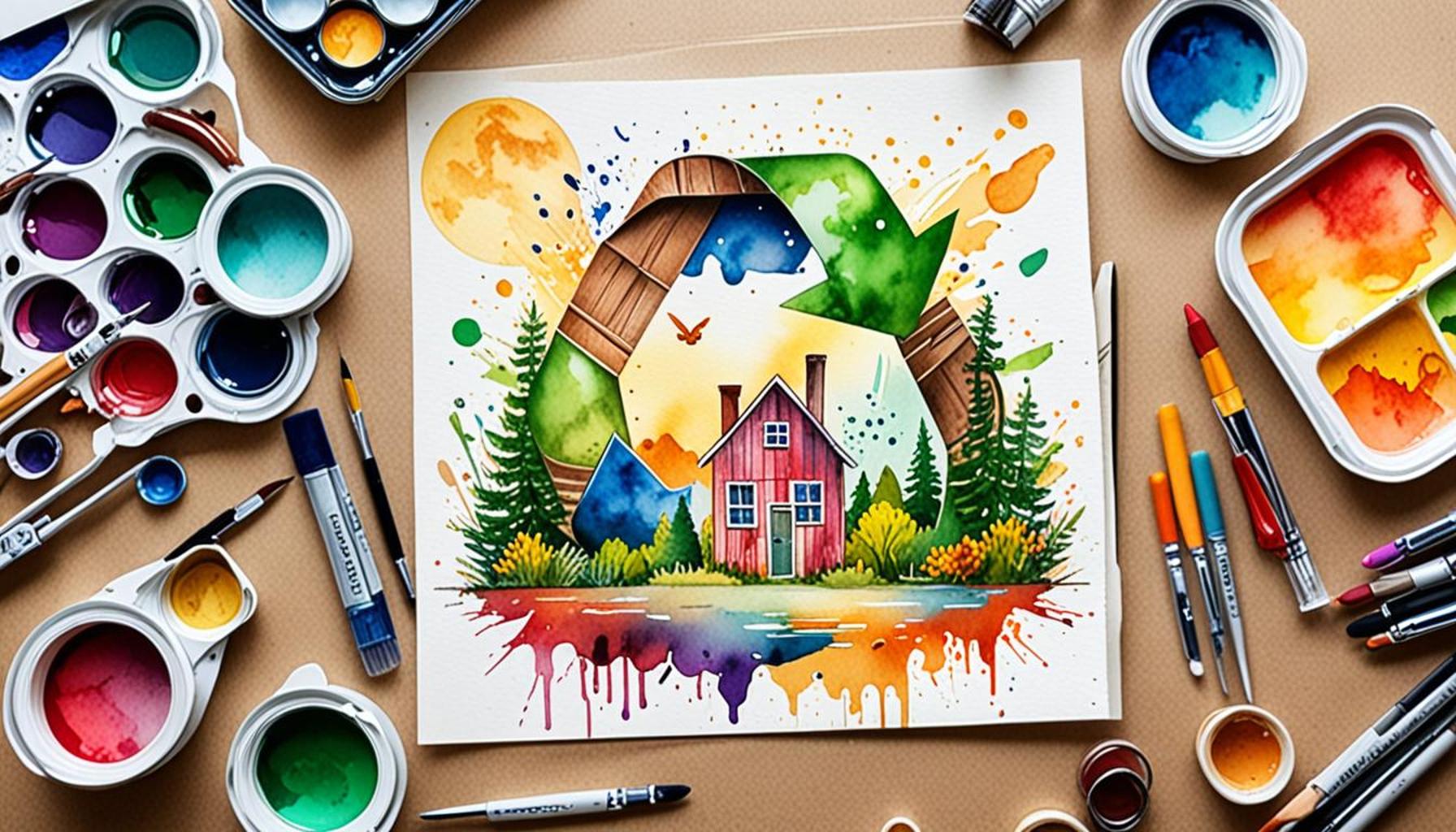
Art has an incredible ability to emerge from the most ordinary and unexpected sources. With a blend of creativity and environmental consciousness, common recyclable materials can be transformed into stunning works of art. This artistic movement not only nurtures individual expression but also champions sustainable practices that are crucial in today’s world.
Imagine the potential of turning everyday trash into treasure. For instance, plastic bottles can be repurposed in numerous ways. Artists have created impressive sculptures that mimic animals or human figures by cutting, bending, and painting these bottles. Beyond sculptures, they can also be used creatively as hanging garden planters, perfect for urban gardening initiatives, allowing city dwellers to cultivate herbs and flowers even in limited spaces.
Then there are cardboard boxes, widely available and often discarded. These versatile materials can be transformed into 3D art installations that showcase intricate designs. Some artists have even constructed life-size cardboard replicas of historical landmarks, engaging viewers with interactive art experiences. In addition, children and families use cardboard to create whimsical models of their dream homes or cities, stimulating imagination while keeping waste out of landfills.
Glass jars, too, hold untapped artistic potential. They can be converted into decorative lamps; when filled with string lights, they create a cozy, ambient glow perfect for intimate gatherings. Furthermore, these jars can serve as innovative storage solutions, where a splash of paint or embellishment can turn a simple jar into a stylish organizational piece for the kitchen or workspace.
The growing DIY culture in the United States plays a significant role in promoting these sustainable art endeavors. As individuals and communities embrace these projects, they aren’t just practicing resourcefulness; they are also making a statement about environmental awareness. Art made from recyclable materials is becoming a vital medium for raising consciousness regarding waste, showing that creativity can coexist alongside eco-responsibility.
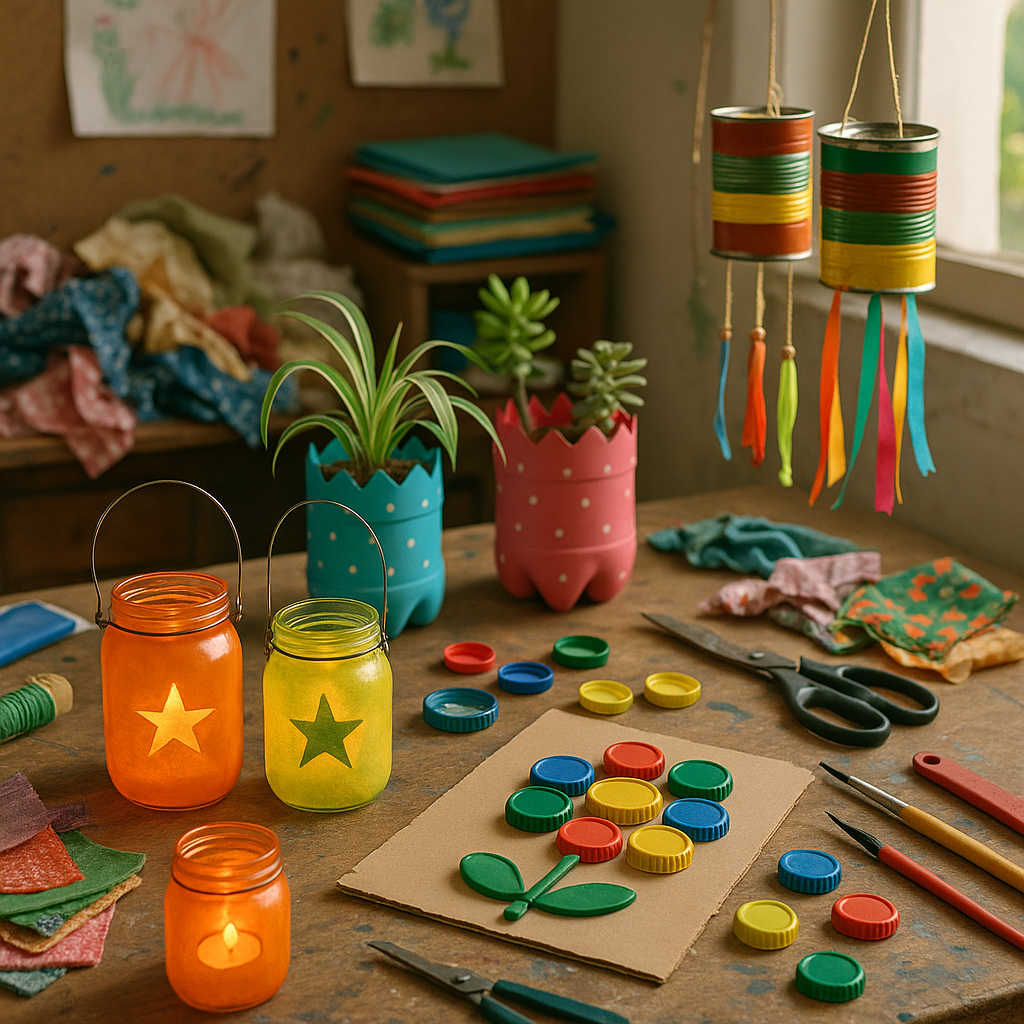
Community workshops, art fairs, and vibrant galleries across the country are now showcasing this trend, inviting participation and fostering discussions about sustainability and innovation. Events like local art shows often feature pieces made entirely from recycled goods, sparking conversations about waste reduction and encouraging attendees to think critically about the materials they use in their own lives.
By embracing the challenge of transforming simple materials into captivating masterpieces, individuals can inspire others while making a positive impact on the planet. Join the movement, delve into the world of recyclable art, and discover how creativity can effectively address some of today’s most pressing environmental issues.
DIVE DEEPER: Click here to discover personalized home decor ideas
Innovative Ideas for Recycled Art Projects
As more individuals turn towards eco-friendly lifestyles, the art world is also pivoting towards using recycled materials. Embracing the concept of sustainability, artists and DIY enthusiasts alike are discovering an array of innovative projects that breathe new life into everyday recyclable items. This artistic movement presents an opportunity to not only express personal creativity but also to contribute positively to the environment by reducing waste.
One popular medium among recyclable art creators is plastic bags. Instead of tossing them into the trash, numerous artists are weaving, knotting, or cutting them into strips to create colorful rugs, tote bags, or even intricate hanging wall art. These projects often showcase vibrant designs that can brighten up any living space while promoting the reuse of materials that would otherwise contribute to landfill overflow. Many community workshops and local craft shows have started to feature classes focused on transforming plastic bags, inviting participants to engage in the creation of thoughtful, sustainable art.
Another commonly overlooked material is the empty cereal box. These rectangular beauties can be easily cut, painted, and transformed into functional art pieces. Consider the potential of creating decorative picture frames, storage boxes, or even playful models of various individuals, animals, or objects. By teaching kids and families to recycle cereal boxes into imaginative crafts, parents can foster creativity and environmental responsibility in the younger generation.
Moreover, a popular yet intriguing project involves tin cans. After a quick wash and a few creative modifications, these cans can metamorphose into garden planters, bird feeders, or lanterns. With a dash of paint and the addition of some imaginative designs, tin cans can contribute to garden decor or serve as unique outdoor lighting, thus allowing individuals to connect sustainably with nature.
Top Benefits of Making Art from Recyclable Materials
- Environmental Impact: Reducing waste by giving new life to materials that would otherwise end up in landfills.
- Cost-Effective: Utilizing recyclable materials cuts down on cost and can lead to budget-friendly art projects.
- Community Engagement: DIY projects create opportunities for community bonding through workshops, classes, and local art fairs, encouraging collective participation in sustainability.
- Enhanced Creativity: Working with unconventional materials can boost creativity and innovation, pushing artists out of their comfort zones.
Taking part in these creative DIY projects fosters a sense of accomplishment while promoting eco-conscious values. Individuals can choose to address environmental challenges through their craft, demonstrating that art is not only about aesthetics but can also be a powerful vehicle for change. As the movement toward using recycled materials gains momentum, it’s evident that art can indeed be a catalyst for environmental awareness and personal expression.
| Category | Key Features/Characteristics |
|---|---|
| Creativity | Transforming discarded materials into art fosters creativity and innovation, allowing artists to express unique perspectives. |
| Environmental Benefits | This approach actively reduces waste, promotes sustainability, and raises awareness about recycling within the community. |
Delving deeper into the art of transforming recyclable materials into stunning DIY projects, one discovers a rhythm that harmonizes eco-consciousness with aesthetic expression. Each crafted piece tells a story of reimagined waste. Artists utilize a multitude of objects—old plastic bottles, tin cans, and scrap metal—infusing life into items that would otherwise end up in landfills. In addition to encouraging individual creativity, these projects serve as a communal activity, bringing together families and friends. Workshops focusing on sustainable practices are popping up in communities, allowing enthusiasts to collaborate on transforming trash into treasure. This not only nurtures creativity but also sparks conversations about environmental stewardship.Moreover, DIY art projects created from recyclable materials can significantly lower the carbon footprint associated with traditional art supplies. By opting for upcycled materials, artists actively contribute to a virtually zero-waste culture. The result is a multifaceted experience, where each piece symbolizes a commitment to sustainability while providing a powerful message of environmental responsibility. This urgency in art creation pushes for innovation, breaking conventional boundaries and inviting exploration. As the movement grows, so does the potential for educational approaches that incorporate lessons on sustainability into the arts, inspiring new generations to engage in eco-friendly practices.
DISCOVER MORE: Click here to uncover the art of tapestry techniques
Exploring Unique Materials for Artistic Expression
In the realm of sustainable DIY art projects, the range of materials available for transformation extends well beyond the typical plastics and paper products. Glass bottles, for instance, have become a favored canvas for many creative souls. Instead of discarding empty wine or soda bottles, artists are upcycling them into a variety of decorative pieces. With techniques such as glass etching or painting, these bottles become stunning vases, chandeliers, or even outdoor garden decor. Wrapping the necks with twine or adding LED fairy lights can bring a whimsical touch to backyard gatherings. As a popular trend, workshops specializing in glass art are popping up across the United States, encouraging community interaction and personal craftsmanship.
Moreover, old newspapers and magazines offer versatile options for art enthusiasts looking to dive into collage or paper mâché projects. These materials can be shredded, layered, and molded into dynamic sculptures, wall art, or functional art such as bowls and storage containers. An exciting subculture around paper art has emerged, showcasing intricate designs that not only highlight the beauty of recycled materials but also tell a story of their journey. For instance, using magazines focused on nature can create eye-catching pieces that celebrate the environment while fostering a deeper connection to sustainability.
Another captivating avenue for creative expression is the use of old clothing and fabric scraps. Fashion has seen a resurgence in upcycled textiles, with enthusiasts sewing tote bags, quilts, or even avant-garde clothing from discarded garments. The practice not only reduces textile waste — which is a significant contributor to landfill issues — but also allows individuals to curate their personal style in an eco-friendly manner. Local fabric swaps or clothing exchanges have become popular in various communities, further reinforcing the idea of sustainability connecting people.
The Role of Collaborations in Recycled Art
In addition to individual creativity, collaborations often enhance the impact of recycled art projects. Artists and organizations are joining forces to create large-scale installations that utilize vast quantities of recyclable materials. These projects typically aim to raise awareness about environmental issues, showcasing the stunning potential of waste. Examples can be seen in urban art exhibits where junk sculptures embody the phrase “one person’s trash is another’s treasure.” Such initiatives often draw crowds and encourage public dialogue around recycling and waste management.
Furthermore, schools and educational institutions are embracing the concept of art made from recycled materials as part of their curricula. Collaborative projects allow students to engage with sustainability while fostering teamwork and cooperation. Activities such as creating community murals or garden installations using found objects not only enhance school grounds but also cultivate a sense of pride among students and staff in their environmentally conscious efforts.
The transformation of recyclable materials into art is thus not merely an aesthetic endeavor; it reflects a broader societal movement towards recognizing the value of sustainability. As the creative community continues to explore diverse materials and concepts, the possibilities for innovative, eco-friendly projects become limitless. The journey towards sustainable DIY art promises to inspire individuals from all walks of life to turn their creative visions into tangible, environmentally responsible expressions. Understanding and embracing these innovative practices can ignite a broader cultural dialogue on the importance of waste reduction and environmental stewardship.
LEARN MORE: Click here to discover the art of upcycling
Conclusion: Art as a Catalyst for Sustainability
The transformation of recyclable materials into art is truly a celebration of creativity, ingenuity, and environmental consciousness. As explored throughout this article, the potential for upcycling common materials such as glass bottles, old newspapers and magazines, and fabric scraps not only leads to stunning artistic creations but also advocates for a more sustainable lifestyle. By repurposing items that would typically contribute to landfills, artists are making powerful statements about waste reduction and resourcefulness.
The rise of community-driven workshops and collaborative projects exemplifies the growing movement towards sustainable DIY initiatives, allowing individuals to connect while sharing ideas and methodologies. These endeavors foster not only artistic expression but also a deeper awareness of environmental issues. Schools and organizations embracing this narrative are helping to instill values of sustainability in future generations, ensuring that environmental stewardship becomes an integral part of culture.
As we confront pressing global challenges such as climate change and waste management, the craft of turning trash into treasure will only gain momentum. Individuals interested in the intersection of art and sustainability are urged to explore these avenues for expression. Whether engaging in a local art project, participating in workshops, or simply trying out DIY projects at home, everyone can play a part in this transformative journey. Together, we can cultivate a world where art not only beautifies our spaces but also contributes to creating a more sustainable future, igniting dialogue, and inspiring action across communities.