DIY Upcycling: Reimagining Old Objects into New Functional Pieces
The Transformative Power of Upcycling
In a world increasingly concerned with sustainability, DIY upcycling emerges as a creative solution to reduce waste while adding unique decor to your home. Why throw away old items when they can be transformed into functional pieces that tell a story? Upcycling not only helps you declutter but also empowers you to express your individuality through imaginative reuse. Noticing the trend, many individuals are repurposing items that were once destined for landfills, breathing new life into them.
Consider these exciting possibilities:
- Furniture revival: Give a thrifted dresser a fresh coat of paint and transform it into a chic nightstand. Adding hardware from an online marketplace can elevate your creation, turning a simple piece into a personalized treasure.
- Planter innovation: Repurpose old teacups or tin cans as charming plant holders. These unique planters can be decorated with twine or paint, making them a fantastic conversation starter for guests while showcasing your green thumb.
- Textile transformation: Turn worn-out jeans into stylish tote bags or quilts, preserving their nostalgia. Not only are you saving fabric from disposal, but you are also creating functional items that carry memories, perhaps from vacations or special events.
According to recent studies, the upcycling movement continues to gain traction across the United States, with countless tutorials available online. Platforms like Pinterest and Instagram have become hubs for enthusiasts to share their projects, tips, and techniques. From upcycled furniture to repurposed home goods, these resources not only inspire individuals but also foster connections with a global community of artisans and DIYers.
As you prepare to embark on your upcycling journey, it’s essential to look at ordinary objects with a fresh perspective. Each project serves as a reminder that creativity knows no bounds, allowing you to transform what may seem like junk into prized possessions. With every DIY endeavor, you help reduce waste and advocate for sustainable practices in your daily life, showcasing the beauty of reinvention.
Furthermore, participating in local workshops or online classes can enhance your skills and open new avenues for creativity. Many communities host upcycling events that bring like-minded individuals together, creating a supportive atmosphere to explore ideas and share results. The experience can be enlightening, as you see firsthand the incredible potential of everyday items.
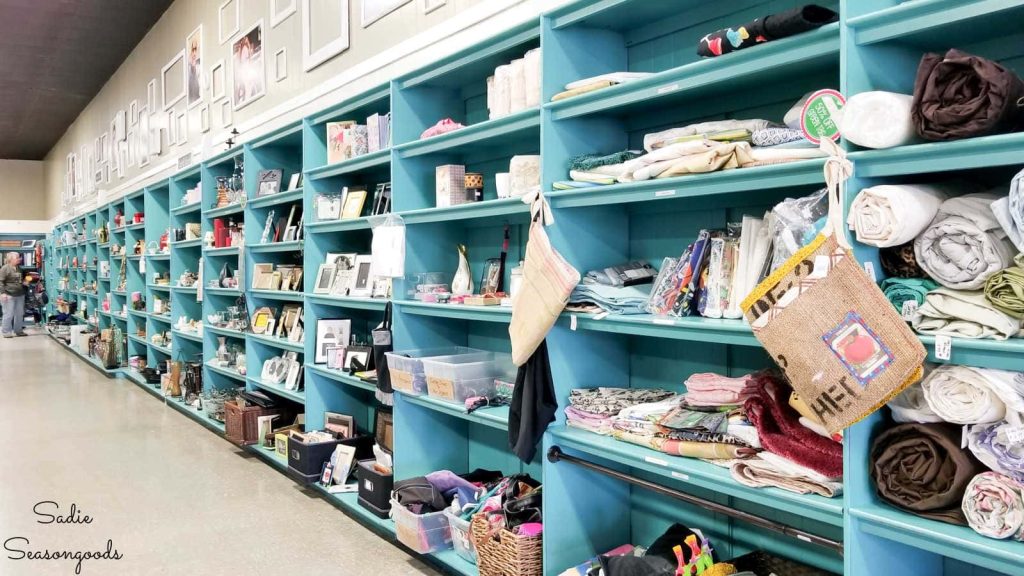
Let your imagination run wild! With every upcycled piece, you not only create a unique addition to your home but also contribute to a larger movement for environmental awareness and sustainability. Explore thrift stores, raid your garage, and revisit sentimental items; you may just uncover the perfect material for your next creative project.
DISCOVER MORE: Click here to learn about the importance of consistent practice
Finding Potential in Everyday Objects
When embarking on the DIY upcycling journey, it’s essential to view the world around you through a creative lens. What may seem like disposable items can possess immense potential for transformation. Trapped in a cycle of consumption, many people neglect ordinary objects around their homes, overlooking the vibrant possibilities they present. The key is to see beauty and function in what others might dismiss. By embracing this mindset, you can elevate simple objects into remarkable treasures that enhance your living space.
As you scour your home for inspiration, consider these categories of items that are ripe for upcycling:
- Glass jars: Instead of tossing out empty food jars, repurpose them into decorative storage solutions or pendant lights. A bit of paint, jute twine, or twinkling fairy lights can create stunning centerpieces or ambient lighting.
- Old wooden pallets: Often discarded, wooden pallets can be transformed into rustic coffee tables, garden planters, or even wall art. With a little sanding and creativity, they provide not only functionality but also a unique aesthetic.
- Picture frames: Don’t let unused photo frames gather dust. Instead, turn them into shadow boxes to display cherished trinkets, or paint the frames for a fresh take that complements your home’s decor style.
- Wine corks: Rather than tossing wine corks, gather them to create DIY bulletin boards, coasters, or even unique kitchen backsplashes. This charming element adds a rustic touch and showcases your personality.
It’s worth noting that the upcycling trend is not only environmentally friendly but also economical. With inflation impacting consumer prices, repurposing old items can save you a significant amount of money while allowing you to create personalized decor that reflects your style. Local thrift shops, garage sales, and flea markets serve as treasure troves for potential upcycling projects. Those accustomed to frequenting these venues often discover incredible deals that not only decrease waste but also ignite creativity.
Moreover, the act of upcycling isn’t limited to individual projects; it extends into community initiatives as well. Many organizations promote sustainable practices through workshops that encourage creativity and collaboration. Community upcycle events allow participants to work together, sharing materials and ideas to create functional art, all while fostering a sense of connection.
As you gather materials for your innovative projects, remember that the best upcycled creations often arise from experimentation and flexibility. Embrace the process, and don’t be afraid to take risks with your designs. Each piece you upcycle tells a story—not just about the materials themselves, but about your journey into creativity and sustainability. Through this practice, you can not only breathe new life into forgotten items but also champion a movement that values resourcefulness and environmental consciousness.
| Advantage | Explanation |
|---|---|
| Environmental Sustainability | By transforming old items, we reduce waste and resource consumption, contributing to a more sustainable planet. |
| Cost-Effectiveness | DIY upcycling often costs less than buying new, allowing individuals to create unique home décor while saving money. |
The theme of “DIY Upcycling: Reimagining Old Objects into New Functional Pieces” encourages creativity and resourcefulness. DIY upcycling not only promotes environmental sustainability but also offers a unique opportunity to personalize home spaces. Old furniture can be transformed into chic new pieces with just a little imagination and elbow grease. Taking seemingly useless objects and breathing new life into them is not only rewarding but also emphasizes the idea of reducing trash in landfills. This practice has sparked a global movement where more individuals are joining the trend.Moreover, embracing cost-effectiveness through this innovative approach enables people to craft one-of-a-kind items tailored to their tastes. It showcases individual styles while simultaneously being gentle on the wallet, making DIY upcycling a popular choice among budget-conscious creators. In this ever-evolving world, learning new skills and repurposing previous investments is revitalizing, leading to a more sustainable and economically sound lifestyle. The versatility of upcycled items allows for creative expression while also sparking interest in others to explore their own potential in repurposing objects.
DISCOVER MORE: Click here to delve into the power of creative writing
Transformative Techniques for Upcycling
Having identified which items around the house hold potential, the next step in DIY upcycling is mastering some transformative techniques. The process can be simple yet rewarding, allowing your creativity to blossom as you develop new functional pieces. Below are a few methods to consider that can help you turn ordinary objects into extraordinary creations.
Painting and Finishing
One of the easiest ways to breathe new life into an old object is through paint. With the right colors and finishes, you can dramatically alter the aesthetic of furniture or home décor items. For example, an outdated wooden chair can become a stylish accent piece by using bright, bold hues or elegant metallic finishes. When selecting paint, consider the purpose of the item; high-traffic items like tables may require more durable, washable finishes than decorative ones.
Additionally, techniques like distressing can add a vintage flair to any piece. Sanding down specific areas or using a dry brush technique can create a charming shabby-chic appearance. Remember, there are numerous resources online providing tutorials on various painting methods tailored to different materials, ensuring that even beginners can achieve great results.
Functional Design Innovations
Upcycling doesn’t just mean giving objects a cosmetic facelift; it also involves reimagining their functionality. A common trend is repurposing furniture into multi-functional designs. For instance, transforming old dressers into unique bathroom vanities not only enhances storage but also adds a conversation piece to your space. Moreover, with the rising popularity of tiny homes in the United States, utilizing compact and versatile furniture solutions has become essential, further emphasizing the need for creative upcycling.
The integration of technology into upcycled projects is another avenue worth exploring. Imagine an old suitcase turned into a stylish charging station, housing cords cleverly concealed within its compartment. This innovative approach not only pays homage to a bygone era but also meets modern-day needs—a perfect example of how upcycling can blend the past with the present.
Textiles and Fabric Transformations
Don’t underestimate the potential of old textiles. Outdated clothing or fabric remnants can be repurposed into new home textiles like throw pillows, quilts, or even wall hangings. The act of sewing or tufting doesn’t have to be intimidating; there are several online resources and communities where novices can learn the basics. Additionally, fabric dyeing techniques can unlock a whole new realm of color possibilities, allowing you to create a truly personalized item.
- Appliqué: This technique involves sewing or gluing layers of fabric on top of one another to create beautiful patterns, allowing a tired piece of fabric to metamorphose into an eye-catching art piece.
- Fringe Trimming: Adding fringe to a simple throw or cushion cover can infuse vibrancy and texture, taking an otherwise mundane piece to the next level.
Finally, consider incorporating unexpected elements into your upcycling projects. Elements like natural materials such as driftwood or stones can provide interesting textures and focal points, while contrasting modern elements like glass or metal can create striking visual tension. Using sustainable materials not only strengthens your commitment to eco-friendly practices but also gives your creations a unique identity that blends seamlessly into your personal aesthetic.
DISCOVER MORE: Click here to find out how music can enhance your creativity
Conclusion
In the world of DIY upcycling, the possibilities are as limitless as your creativity. By repurposing old objects into new functional pieces, you not only enhance your living space but also contribute to a more sustainable future. Embracing techniques such as painting, functional design innovations, and textile transformations allows you to transform the mundane into the magnificent. What begins as an old chair or discarded fabric can evolve into a statement piece that reflects your style and values.
Moreover, the emotional appeal of upcycling extends beyond aesthetic satisfaction; it fosters a sense of accomplishment and sparks joy in valuing the old. Each project carries a unique story, making your home a personal canvas built from memories and conscious choices. As upcycling continues to resonate across diverse communities in the United States, it encourages us to think differently about consumption and throwaway culture.
So, as you embark on your next upcycling adventure, remember to explore online resources and join communities that share your passion. Whether it’s revamping furniture for a cozy tiny home or transforming textiles into functional art, every step is an opportunity to uncover creativity while embracing sustainability. Dive into the world of DIY upcycling—where imagination meets innovation—and discover the joy of giving new life to the old.