Art as a Tool for Activism: The Role of Artistic Expression in the Struggle for Social Justice
The Power of Artistic Expression for Social Change
Art has always been a compelling force in shaping societal narratives, often reflecting the zeitgeist of its time. Through various art forms, creators challenge prevailing attitudes, communicate dissent, and advocate for transformative change. Each brushstroke, lyric, or performance can encapsulate profound emotions, urging viewers and listeners alike to reconsider their perspectives and engage in critical discourse.
The visual arts play a crucial role in this dialogue. Throughout history, iconic paintings, such as Diego Rivera’s murals, have vividly illustrated the struggles of the working class, while contemporary artists like Ai Weiwei use their works to comment on human rights violations. Street art, in particular, galvanizes communities by making powerful public statements; for instance, the murals in marginalized neighborhoods often blend cultural pride with an urgent demand for justice.
The performing arts are equally influential. Musical compositions and theatrical productions can move audiences on emotional and intellectual levels. During the civil rights era, protest songs like “We Shall Overcome” became anthems for change, uniting individuals under a common cause. Similarly, modern theatre often tackles themes such as race relations, gender equality, and climate change, prompting audiences to engage with these pressing issues more deeply.
Literature, from poignant poetry to compelling novels, serves as a mirror to society, highlighting struggles and celebrating resilience. Works like “The Hate U Give” by Angie Thomas delve into issues of race and identity, resonating with a generation seeking representation and understanding. Essays and journalistic pieces also contribute by laying bare the intricate dynamics of social justice movements, providing readers with a nuanced understanding of complex matters.
In the age of technology, digital media has emerged as a powerful platform for expression. Films and documentaries—like “13th,” directed by Ava DuVernay—examine systemic racism and its historical roots in America, aiming to inform viewers and inspire them to take action. Social media platforms, too, have redefined how artists communicate their messages, encouraging rapid sharing and amplifying voices that might otherwise go unheard.
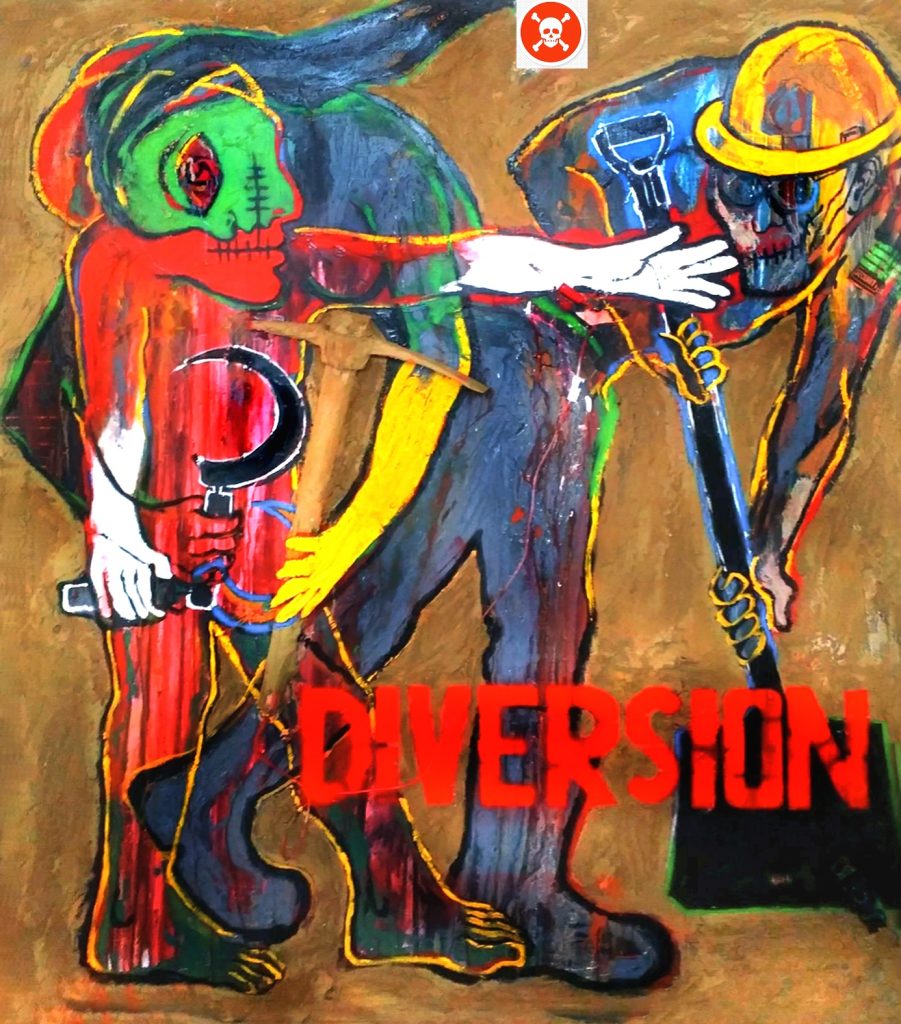
By illustrating the myriad ways art intersects with activism, we see a powerful synergy that informs and motivates communities. Creative expression becomes a rallying cry for those advocating for social justice, demonstrating its unparalleled ability to foster solidarity and inspire change. As we continue to explore this relationship, it is vital to acknowledge the impact that artistic endeavors have on shaping public consciousness and driving movements forward, urging us all to participate in the ongoing quest for equality and justice.
DIVE DEEPER: Click here to discover the transformative power of art
Artistic Mediums as Vehicles for Activism
The intersection of art and activism is a powerful alliance that has been pivotal in mobilizing movements and voices seeking social justice. Each artistic medium brings unique strengths to the fore, establishing a dynamic and multifaceted approach to advocacy. Understanding the specific roles these different forms of artistic expression play can deepen our appreciation for their societal impact.
The visual arts offer a potent means of commentary that transcends language barriers. Public installations, sculptures, and paintings serve as visual symbols resonating deeply within communities. In cities across the United States, funded initiatives and grassroots projects alike have harnessed the potential of street art to foster connections and provoke thought. For instance, the “Black Lives Matter” mural painted in Washington, D.C., not only celebrates the movement’s significance but also commanding global attention to systemic racism. The use of bright colors and bold letters transforms an ordinary street into a canvas of resistance, compelling passersby to engage with a crucial social issue.
- Public art projects, such as the “Art for Justice Fund,” engage artists in creating works that spotlight mass incarceration, inspiring a dialogue around reform.
- Photography has also played a vital role, with photojournalists capturing haunting images that illuminate injustices, like the plight of refugees or police brutality.
- Performance art, such as “The Vagina Monologues,” highlights women’s rights, turning personal stories into collective calls for change.
The performing arts breathe life into social issues, using rhythm and narrative to challenge audiences and spur action. Documentary films, like “When They See Us,” reveal the injustices faced by the Central Park Five, igniting conversations around race and judicial accountability in America. Music continues to be a powerful activist tool as well; genres such as hip-hop have become synonymous with social commentary, with artists like Kendrick Lamar using their platform to address racial inequality and police violence, embedding their messages within lyrics that resonate with younger audiences.
Furthermore, the literature of marginalized voices embodies the struggle for social justice through personal narratives and storytelling. The works of authors such as Ibram X. Kendi and Ta-Nehisi Coates offer crucial reflections on race in America, challenging readers to reflect and engage with uncomfortable truths. Poetry slams and spoken word performances have also gained popularity, with poets sharing their experiences, evoking empathy and sparking movements. This literature becomes more than mere words; it is a rallying cry that compels individuals to envision a more equitable society.
As we navigate an increasingly connected world, digital media has emerged as an essential platform for artistic activism. Social movements now utilize online spaces to disseminate videos, art, and commentary at unprecedented speeds. Notable projects like the “Women’s March on Washington,” which gained traction through social media, showcase how digital platforms can amplify voices and foster solidarity. Artistic expression, when shared widely through these channels, encourages engagement and advocacy, transforming public perception and inviting political action.
In embracing the complexity of these artistic mediums, we unlock a deeper understanding of how art serves as a foundational pillar of activism, illuminating the path toward social justice. Each form of artistic expression offers unique contributions, establishing a vibrant tapestry of resistance that continues to evolve and inspire.
Art plays a formidable role in the realm of activism, serving not only as a medium of expression but also as a powerful catalyst for social change. One of the most potent capabilities of art is its ability to transcend cultural and linguistic barriers, making complex issues more accessible to diverse audiences. From graffiti on city walls to poignant performances in theater, artistic methods can convey potent messages that spark dialogue and reflection among communities. The use of visual art in public spaces, for instance, enables artists to address pressing social issues with immediacy. Murals depicting struggles against inequality or violence can inspire local populations to engage with their surroundings actively. They not only beautify neighborhoods but also provide a platform for marginalized voices that might otherwise remain unheard. The visual aspects, coupled with compelling narratives, can instill a sense of urgency regarding social issues.Furthermore, performing arts—such as theater, dance, and music—have long been integral in movements for change. Music can unify people, rallying them under shared anthems that articulate their hopes and frustrations. During critical historical moments, choruses of song have played vital roles in movements such as the Civil Rights Movement in the United States, amplifying calls for justice and equality. Artists like Billie Holiday with “Strange Fruit” or Bob Marley with “Redemption Song” have wielded their art as both protest and healing. Additionally, the digital age has transformed how art is used in activism. Social media platforms allow artists to reach global audiences instantaneously. Viral videos, digital artwork, and online performances can stir emotional responses and mobilize movements across borders. Hashtags associated with art-driven campaigns have fueled awareness and solidarity, bringing attention to issues of systemic oppression, climate change, and human rights violations.In essence, the use of art for activism fosters connections between individuals and movements, allowing for both personal contemplation and collective action. As societies continue to confront deep-seated inequalities, the ongoing exploration of artistic expression’s role in activism remains vital. It serves not only as a tool for fighting injustice but as a beacon of hope for a more equitable future.
| Advantages of Art | Significance in Activism |
|---|---|
| Cultural Accessibility | Art transcends language and cultural barriers, making messages universally understood. |
| Mobilization of Communities | Art fosters community engagement by addressing local issues through relatable mediums. |
DIVE DEEPER: Click here to uncover the confidence-boosting benefits of music
The Transformative Power of Artistic Collaboration
As art continues to play a vital role in activism, collaborative projects emerge as a driving force that enhances the reach and impact of artistic expression in the struggle for social justice. These collective efforts allow artists to pool their talents and resources, creating works that amplify diverse voices and foster unity among marginalized communities. Notably, initiatives such as “The People’s Climate March” have called upon artists from various disciplines to contribute their creativity, resulting in powerful visual spectacles that underscore the urgency of addressing climate justice.
Collaboration can also take the form of community-based projects, where artists and activists join forces to engage local populations in discussions around pressing social issues. For example, the “Mural Arts Program” in Philadelphia has transformed cityscapes by using murals as a form of community storytelling, addressing themes such as gun violence and community resilience. These murals do not merely serve as decorations; they act as touchstones that spark dialogue and inspire community cohesion, illustrating the significant role of collective art-making in community empowerment.
Interdisciplinary approaches also augment the impact of artistic activism. By combining visual art with theatre, dance, and multimedia presentations, artists convey complex societal narratives. The “Immigrant Voices” project, which blends personal testimonies with visual storytelling, showcases the experiences of immigrants in the United States while challenging preconceived notions and stereotypes. This multimedia expression not only engages audiences on emotional levels but also aims to dismantle barriers that often isolate communities from one another.
Moreover, the integration of art in educational settings reveals its potential to shape the next generation of activists. Programs that incorporate art as a tool for social justice education cultivate awareness, empathy, and critical thinking. Schools integrating curricula that promote artistic expression around social issues, like the “Art & Social Justice” program in New York City, encourage students to explore their own identities while addressing societal injustices. These classrooms become incubators for young voices to craft narratives of their experiences, highlighting the transformative nature of art in fostering an activist mindset from a young age.
In the realm of technology, the rise of digital art movements has redefined how art can serve as a vehicle for activism. Using virtual platforms, artists can rapidly disseminate their work, engage broader audiences, and raise awareness about issues such as climate change, racial injustice, and economic disparity. Digital collages and interactive media projects often capture the temporal nature of contemporary struggles, encouraging instant engagement from viewers. Campaigns such as “Art4Justice” leverage social media to showcase powerful visual art aimed at igniting action against social issues, demonstrating the effectiveness of digital art in reaching global audiences.
As we analyze the diverse ways in which art collaborates with activism, it becomes clear that these alliances transcend mere aesthetics; they forge connections, inspire dialogues, and, ultimately, pave the way toward social reform. The multifaceted relationships that form between artists, communities, and activists illuminate the power of collective artistic expression as a formidable tool in the ongoing pursuit of justice.
DIVE DEEPER: Click here to start your creative writing journey
Conclusion
In closing, the examination of art as a tool for activism reveals its undeniable significance in the ongoing struggle for social justice. From collaborative projects that unite diverse communities to community-based initiatives that inspire dialogue, artistic expression serves as a powerful catalyst for change. The ability of art to confront societal issues—ranging from climate justice to immigration—underscores its role not just as a medium for personal expression, but as a collective voice advocating for transformation.
Moreover, the integration of art into educational settings paves the way for the next generation of advocates, cultivating critical thinking and empathy among young minds. This proactive approach ensures that the legacy of artistic activism will endure, influencing future movements that seek equity and justice. The rise of digital art movements further exemplifies the adaptability of art in the digital age, providing instant access to powerful messages that resonate globally.
As we reflect on these intersections, it becomes clear that art has the capacity to embolden communities, challenge entrenched narratives, and inspire action. The stories told through murals, performance pieces, and digital platforms not only highlight systemic inequities but also forge paths toward healing and understanding. By nurturing a culture that celebrates artistic activism, we foster a society where creativity and justice go hand in hand, ultimately shaping a future where every voice is heard and valued.
As we move forward, it is essential to recognize and support the innovative ways in which artists and activists collaborate. In doing so, we create a more inclusive dialogue that propels the fight for social justice into new realms of possibility.