The Influence of Art on Fashion: How Artistic Expression Redefines Styles and Identities
The Dynamic Relationship Between Art and Fashion
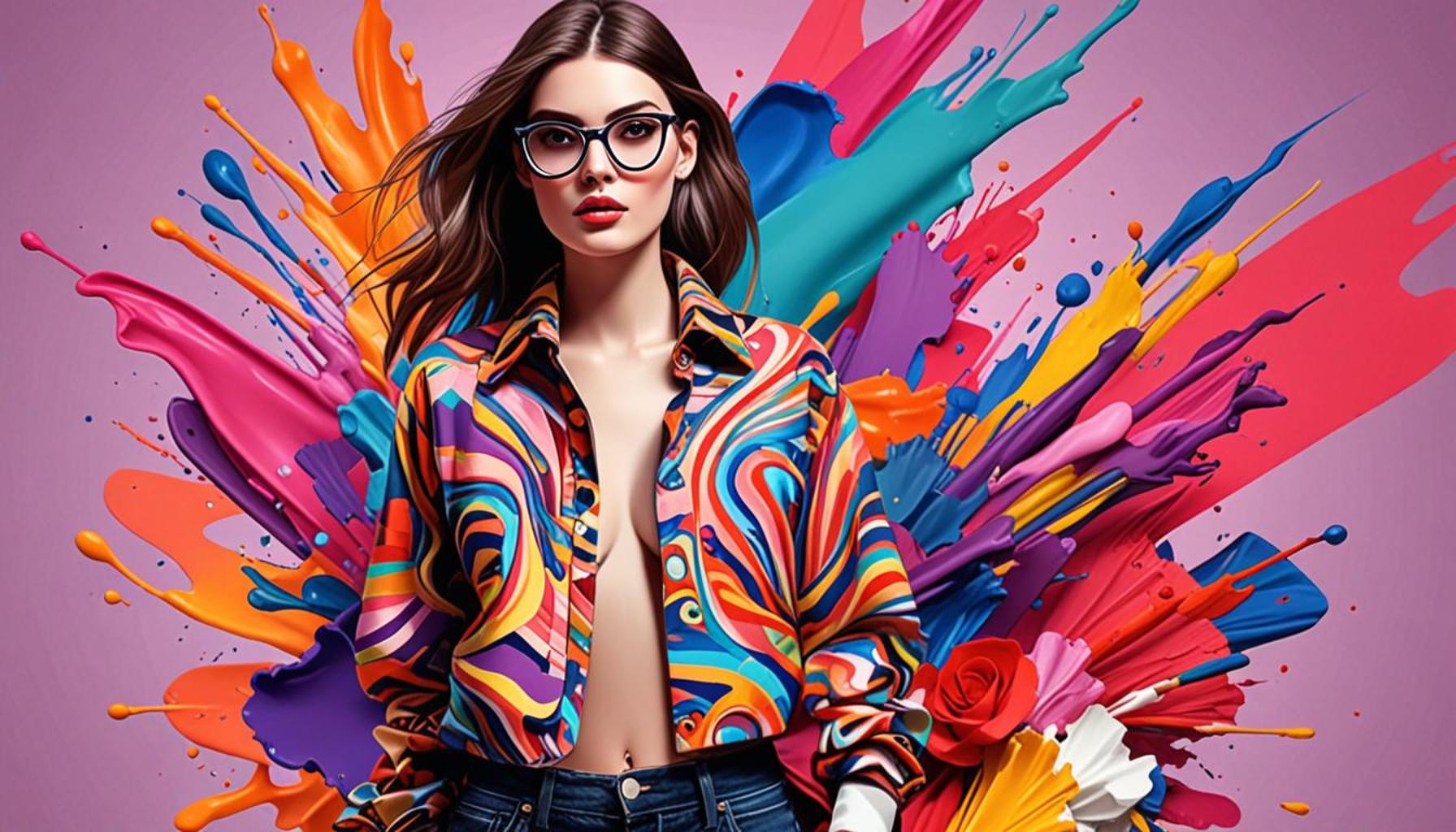
Art and fashion have a complex and evolving relationship that has continually redefined what it means to express oneself through clothing. This synergy not only challenges conventional boundaries but also ignites creativity across various spheres. The relationship between artistic movements and fashion trends serves as a lens through which we can examine cultural shifts, societal norms, and collective identities throughout history.
Key influences of art on fashion include:
- Colors and Patterns: Renowned artists such as Vincent Van Gogh and Claude Monet have left an indelible mark on textile designs and color palettes seen in clothing. For instance, Van Gogh’s swirling night skies capture the imagination, inspiring designers to incorporate such dynamic patterns into their collections. Similarly, the vibrant hues evident in Monet’s water lilies translate into bold fabric designs, as brands seek to encapsulate the essence of nature and emotion through their garments.
- Cultural Reflections: Fashion is often a mirror that reflects cultural movements of its time. The Harlem Renaissance, a pivotal moment in African American history during the 1920s, inspired a bold and vibrant style that celebrated African heritage. Designers and artists of the era embraced bright colors and extravagant fabrics, creating statements that conveyed social pride and aesthetic appreciation, which remain influential in contemporary fashion.
- Iconic Collaborations: One of the most notable examples of collaboration is Yves Saint Laurent’s tribute to Piet Mondrian. In 1965, Saint Laurent launched a collection featuring dresses designed to mimic Mondrian’s geometric paintings. This groundbreaking blend of visual art and haute couture not only redefined the boundaries of fashion design but also established an entirely new arena where clothing became a canvas for artistic expression.
As we explore how artistic expression can redefine styles and identities, it becomes evident that this connection is much more than an aesthetic; it is a vibrant dialogue that allows individuals to communicate their personal and cultural identities through clothing. The bold choices individuals make in fashion reflect their backgrounds, beliefs, and artistic inclinations, creating a diverse tapestry of styles that captures a wide range of human experiences.
In today’s fashion landscape, the influence of social media and digital art is further reshaping how we perceive and consume fashion. Platforms like Instagram and TikTok serve as galleries for emerging designers and artists, enabling them to showcase their work to a global audience instantly. This dynamic environment fosters collaboration between traditional artists and fashion designers, culminating in collections that resonate with current societal issues and aesthetic desires.
By examining these intricate connections, we gain a deeper understanding of the profound impact art has on fashion. This exploration not only highlights trends and shifts but also invites ongoing dialogue about identity, culture, and the role of creative expression in a rapidly changing world. With this in mind, the blending of art and fashion remains a fascinating subject that will continue to evolve, reflecting the complexities of our human experience.
DISCOVER MORE: Click here to learn how creativity can transform lives
Artistic Inspirations: Colors, Patterns, and Styles
The intersection of art and fashion is vividly illustrated through the innovative use of colors and patterns. Artists have long been a wellspring of inspiration for fashion designers, pushing boundaries and challenging norms. The influence of iconic artists is evident in countless wardrobes, with designs echoing the strokes of masterpieces. For example, the bold color palette of Pablo Picasso’s works, characterized by deep blues and vibrant pinks, has inspired fashion lines that encapsulate this emotional depth. Designers often draw from the essence of these colors to evoke sentiments that resonate with the wearer, translating complex emotions into wearable art.
Moreover, the connection between art movements and fashion can be traced throughout history, acting as markers of significant cultural reflections. The Art Deco movement of the 1920s, with its emphasis on geometric shapes and luxurious materials, propelled the fashion industry into an era of opulence. The angular designs and rich textures of this period can be seen in the sleek silhouettes and intricate details of modern couture. Similarly, the Pop Art movement, with its bright colors and playful imagery, inspired designers to create fun, eye-catching pieces that serve as conversation starters on the streets. Such styles not only afford individuality but also encapsulate historical narratives, providing insight into societal changes over time.
In recent years, the impact of iconic collaborations between artists and fashion designers has reached new heights. These partnerships allow for a fusion of creative expressions, where clothing emerges as a canvas for artistic ideas. A standout example is the collaboration between Virgil Abloh, founder of Off-White, and renowned artist Kaws, whose streetwear spectacles showcase art-infused designs that transcend traditional fashion norms. Such collaborations harness the power of both fields, resulting in collections that speak to contemporary issues while embracing artistic heritage.
Through these influential connections, it becomes clear that fashion is not merely a reflection of current trends; it serves as a platform for artistic expression and personal identity. Individuals express their uniqueness through curated styles, channeling their inspirations from various art forms, thereby creating a vibrant tapestry that reflects a wide array of human experiences. From street fashion to haute couture, every piece can tell a story of its cultural origins, allowing for the emergence of diverse identities.
As we navigate the evolving landscape of fashion today, it is important to acknowledge the role of technology and social media in amplifying artistic voices. Visual platforms such as Instagram and Pinterest have democratized access to fashion, allowing for the rapid exchange of ideas and influences that were once confined to artistic circles. Independent artists and designers now have the opportunity to share their vision with a global audience, leading to an unprecedented blend of styles and identities in contemporary fashion.
This dynamic relationship between art and fashion underscores a rich, ongoing dialogue that continues to reshape how we understand self-expression. The influence of art not only redefines style and identity but also invites individuals to engage with their cultural narratives. Ultimately, as we delve deeper into this fascinating intersection, we uncover the profound implications of artistic expression within the realm of fashion.
Throughout history, artistic movements have profoundly impacted fashion, demonstrating that style is not merely about fabric and form, but also about cultural expression. The emergence of Impressionism in the late 19th century, for instance, coincided with a shift towards lighter fabrics and more relaxed silhouettes in clothing, challenging the constraints of Victorian fashion. Designers began to draw inspiration from the colors and brushwork of famous artists, creating garments that mirrored the vibrancy of a painting.In contemporary times, artists continue to redefine fashion. Street art, for example, has transcended its roots and entered the world of high fashion, as seen in collaborations between renowned artists and luxury brands. These partnerships transcend traditional boundaries, allowing designers to use art as a canvas, making clothing and accessories that are not just wearable but also expressions of creativity and identity.Moreover, the intersection of art and fashion shines through annual art fairs, where fashion houses showcase collections inspired by current exhibitions. This trend emphasizes the importance of cultural identity in fashion, as styles evolve in response to societal changes and artistic innovations. The dynamic interplay between these two fields prompts individuals to explore their identity and express uniqueness through their style choices, illustrating that what we wear can tell intricate stories of our heritage and personal experiences.As cultural movements continue to evolve, they inspire designers to push the envelope further, taking risks that culminate in clothing that is not only visually striking but also profoundly meaningful. The ongoing dialogue between art and fashion invites consumers to engage with their clothing, transforming everyday wear into a reflection of their individuality and views on society. Fashion, influenced heavily by art, serves as a medium for social commentary and political expression, as seen in activist fashion statements that challenge norms and advocate for change. This fervent fusion underscores the importance of understanding artistic expression in approaching modern fashion, as it continually redefines styles and identities, inviting discussions on aesthetic and cultural appreciation in every stitch and design.
DISCOVER MORE: Click here to explore creative reuse techniques
Artists as Fashion Visionaries: The Role of Conceptual Design
Beyond the vibrant colors and patterns, the influence of art on fashion extends into the conceptual realm, where the boundaries of aesthetics and functionality are redefined. Fashion has embraced the ideologies of various artistic movements, leading to innovative interpretations and reimaginings of everyday attire. Conceptual artists such as Henri Matisse and Yayoi Kusama have pushed the limits of creative expression, prompting designers to explore themes that challenge conventional fashion narratives.
One striking example is Alexander McQueen, whose collections often blended theatrical artistry with high fashion, enabling a new narrative around clothing that transcended mere utility. His Plato’s Atlantis collection, which made waves in 2010, drew inspiration from evolutionary biology and a futuristic vision, resulting in garments that captured the essence of transformation and identity. These designs spoke not only to aesthetic appeal but also questioned the nature of self, reflecting societal anxieties and hopes for the future.
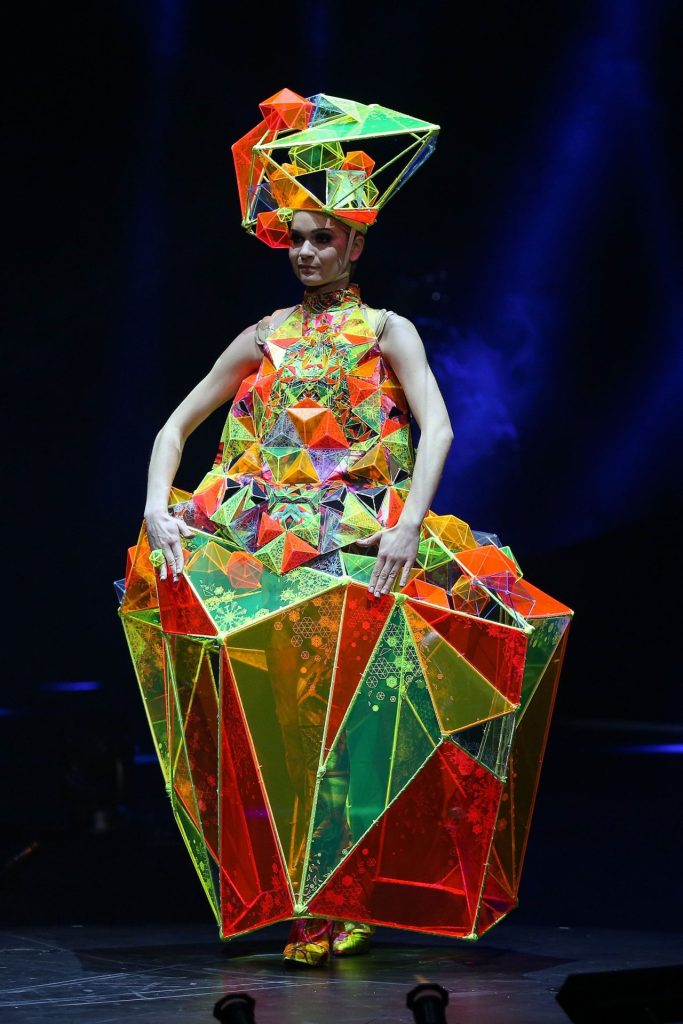
Additionally, the emergence of wearable art has blurred the lines between designer clothing and fine art. Fashion houses have begun showcasing garments that are crafted as museum-worthy pieces, complete with intricate detailing and unique craftsmanship. Brands such as Issey Miyake and Maison Margiela have taken this approach further, where every collection is a dialogue of art and fashion, allowing wearers to engage with their clothing on a conceptual plane.
Moreover, the role of artists in fashion is now taking on a more collaborative approach. With the rise of streetwear culture, artists are now becoming integral to the creation of limited edition releases and capsule collections, bringing fresh perspectives to the traditional fashion landscape. Collaborations between brands like Adidas and street artist Kaws exemplify this trend, merging the realms of athletic wear and street art in a way that resonates with diverse audiences. This synergy not only enhances visibility for the artists but also democratizes access to high art, making it more approachable through fashion.
Fashion as Political Expression: Art’s Role in Social Commentary
Art’s transformative power in fashion also extends into the realms of activism and political expression. Designers have increasingly utilized clothing as a medium to voice cultural commentary and influence societal perspectives. The Fashion for Peace initiative, for instance, was launched to challenge fashion’s impact on sustainability, reflecting a growing awareness among designers regarding ecological issues. Fashion shows have evolved into platforms for political statements, where garments can reflect the socio-political climates of the time.
Examples include Prabal Gurung, who used his New York Fashion Week runway to advocate for women’s rights, or designs that carry slogans addressing pressing issues such as climate change and racial equality. This trend is indicative of a broader movement where fashion becomes a vessel for cultural responsibility, revealing how deeply intertwined art is with social justice and individual identity. Each piece of clothing can thus act as an emblem of personal beliefs and collective movement, making statements that resonate far beyond the fabric itself.
The relationship between art and fashion is a thriving nexus of ideas, creativity, and cultural introspection. As artistic expressions continue to redefine styles and identities, fashion remains a powerful avenue for communicating personal narratives while engaging with broader societal dialogues. As such, art and fashion will undoubtedly remain intertwined, continually offering fresh perspectives and inspiring the generations that follow.
DISCOVER MORE: Click here to learn about the transformative power of art
Conclusion: The Ever-Evolving Intersection of Art and Fashion
The influence of art on fashion is an ever-evolving narrative that not only reshapes styles but also defines identities across the globe. From the conceptual designs of visionary artists to the potent political messages woven into fabric, the relationship between artistic expression and fashion is a dynamic dialogue that continually inspires and provokes thought. As we have explored, designers leverage art to create garments that transcend mere aesthetics, turning clothing into rich canvases for cultural commentary and personal identity.
This synergy encourages wearers to engage with their wardrobe as extension of their beliefs and values, allowing them to make statements that reflect their individuality and collective movements. The emergence of wearable art and collaborations between artists and fashion brands signify a democratization of high art, making it accessible and relevant to diverse audiences, especially in a multicultural society like that of the United States.
Moreover, as societal issues gain prominence, fashion’s role as a platform for activism fosters an environment where colors, patterns, and textiles serve a greater purpose, challenging traditional notions of fashion and prompting discourse on pressing social topics. The profound interplay between these two realms not only invigorates the fashion industry but also nurtures cultural growth, urging us to consider our attire as more than clothing – they are symbols of our beliefs, aspirations, and identities.
As history unfolds, one thing remains clear: the influence of art on fashion will persist, offering new perspectives and inspiring future generations to explore the vibrant tapestry that intertwines creativity, identity, and expression. This ongoing exploration is not merely an aesthetic journey; it is a reflection of our shared human experience.