The Intersection of Art and Nature: Exploring Sustainability Through Creative Expression
Exploring the Fusion of Art and Sustainability
The relationship between art and nature is profoundly intricate, offering an engaging perspective on sustainability. As global environmental challenges escalate, creative expression has emerged as a vital tool to stimulate awareness and encourage positive action. In various artistic disciplines, creators are harnessing natural elements, not merely as a backdrop but as integral components of their works. This engagement with the natural world serves to not only beautify lives but also to challenge audiences to think critically about their impact on the environment.
Eco-Art
One of the most prominent movements in this realm is Eco-Art. Artists involved in this genre utilize natural materials—such as soil, leaves, and twigs—to craft installations that raise awareness of pressing ecological issues. For example, renowned environmental artist Andy Goldsworthy is famous for his ephemeral sculptures made from ice, stones, and other organic materials found within nature. Goldsworthy’s work not only captivates the viewer’s eye but also emphasizes the transient nature of life and our connection to the environment. By utilizing the very elements that are at risk from climate change, these artists effectively convey their message of urgency and the need for preservation.
Public Art Projects
In urban areas, public art projects have gained momentum as a means of beautifying cities while fostering a sense of environmental responsibility among communities. Initiatives like the “Green City” program in San Francisco aim to integrate art and sustainability by engaging local artists to design eco-friendly murals, installations, and sculptures that reflect the city’s commitment to conservation. These projects not only enhance the aesthetic value of urban spaces but also serve as visual reminders for residents and visitors about the importance of sustainability and nature preservation.
Wildlife Conservation
Art plays a crucial role in wildlife conservation, acting as a catalyst for raising awareness about endangered species and the urgent need to protect biodiversity. An illustrative example can be found in the works of artists participating in the “Art for Conservation” movement. Artists create powerful imagery that showcases the beauty of endangered species, aiming to evoke emotional responses that spur action from viewers. Notable campaigns such as the “Elephant Parade,” which features life-sized elephant sculptures designed by various artists, not only celebrate the majestic creatures but also raise funds for elephant conservation efforts around the globe.
Through these artistic expressions, viewers are encouraged to engage in a deeper reflection about their relationship with the planet. Whether it’s a muralist transforming an urban landscape into a lively depiction of local ecosystems or a sculptor utilizing recycled materials in innovative ways, the creative community is essential in advancing the discourse on ecological responsibility. Furthermore, art has the power to inspire important lifestyle changes, highlighting the significance of living in harmony with our surroundings.
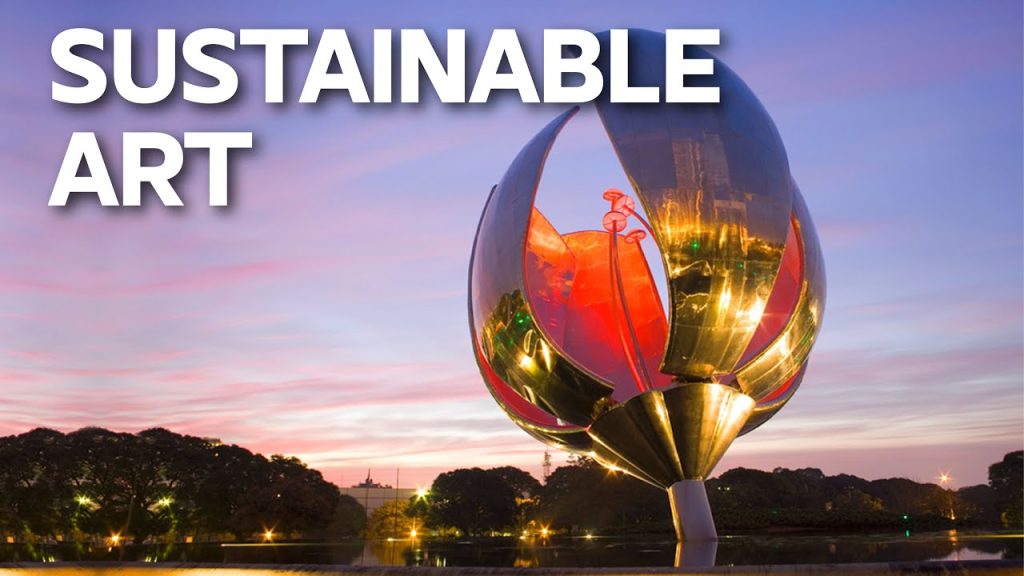
Ultimately, exploring the intersection of art and nature reveals that this fusion is not merely a source of aesthetic pleasure but carries a crucial message imbued with urgency and hope. The artistic endeavors that focus on sustainability provide meaningful insights and provoke thoughtful action, reminding us of our collective responsibility to nurture and preserve the environment for future generations.
DISCOVER MORE: Click here to learn how art can heal
The Role of Artistic Innovation in Environmental Awareness
Artistic innovation is reshaping the conversation around environmental sustainability, positioning creative expression as a powerful conduit for change. Across the United States, artists are increasingly recognizing their role as cultural influencers and are using their talents to reflect ecological concerns in their work. By merging the realms of art and environmental stewardship, they are inspiring audiences to engage with the pressing issues of our time.
Interactive Installations
One engaging aspect of this artistic movement is the rise of interactive installations. Artists are creating immersive experiences that invite the public to participate actively, often requiring the audience’s engagement to fully appreciate the message being conveyed. Projects like “The Ocean Cleanup,” initiated by a group of artists and engineers, showcase how creative design can tackle significant issues such as plastic pollution in our oceans. Through these installations, individuals can grasp the profound impact of their actions on marine ecosystems, prompting contemplative dialogue about their roles in sustainability.
Moreover, the interactive nature of these installations encourages visitors to become part of the solution. Some examples include:
- Seed Swap Events: Where locals exchange plant seeds to promote biodiversity and sustainable gardening.
- Live Sculpture Gardens: Featuring temporary sculptures that bloom and decay, addressing the cycles of nature and the impermanence of art.
- Soundscapes: Merging nature’s sounds with artistic interpretations to raise awareness about the importance of maintaining healthy ecosystems.
Art and Sustainable Practices
Another dimension of the intersection between art and sustainability lies in the use of eco-friendly materials and techniques. Many contemporary artists are consciously choosing to incorporate recycled or sustainably sourced materials in their work. By doing so, they challenge traditional notions of art as something inherently separate from nature. For instance, ceramic artist Ben Seeley utilizes reclaimed clay to craft exquisite pottery that is both functional and socially responsible. This practice not only reduces waste but also prompts a reassessment of value within the art community.
Organizations such as the Center for Sustainable Practice in the Arts are amplifying these efforts by providing artists with resources and support to embed sustainability into their creative processes. This innovative approach helps to create a dialogue within the art community that encourages the exploration of sustainable alternatives.
The fusion of creativity and eco-awareness does not solely reside within the confines of art galleries or cultural institutions; it has the potential to infiltrate every aspect of daily life, resonating with individuals on a personal level. By redefining how we perceive art and its relationship with nature, creators can inspire a generation of environmentally conscious citizens dedicated to fostering a sustainable future.
As this artistic movement continues to gain momentum, it becomes evident that the intersection of art and nature serves as a pivotal platform for addressing climate change and ecological degradation. Through innovative methods and conscious material choices, artists are not merely observers but active participants in the quest for a more sustainable world.
| Advantage | Explanation |
|---|---|
| Enhanced Community Engagement | Art initiatives encourage public interaction, fostering a sense of belonging and communal responsibility towards sustainability. |
| Promotion of Eco-Consciousness | By integrating natural elements into art, creators can highlight environmental issues, prompting audiences to reflect on nature conservation. |
Exploring the intersection of art and nature unveils a captivating dialogue that resonates in today’s world. Artists increasingly embrace sustainable practices, transforming discarded materials into stunning creative expressions, thereby challenging traditional notions of value and waste. Initiatives such as community gardens and mural projects not only beautify urban environments but also cultivate awareness about ecological responsibility through hands-on participation. Furthermore, engaging with nature through artistic creation often leads to profound reflections on one’s relationship with the ecosystem. Workshops that combine environmental education with creative expression empower individuals by equipping them with both the knowledge and skills to advocate for sustainability in their own communities. This interactive approach stimulates not only the imagination but also ignites a passion for preserving the environment, urging a collective move towards a more sustainable future. The relationship between artistic expression and environmental advocacy serves as a reminder of our duty to nurture the planet while celebrating its beauty. By participating in these creative endeavors, individuals can foster an appreciation for nature as both an inspiration and a resource worth protecting.
DISCOVER MORE: Click here to dive deeper
Environmental Activism Through Artistic Expression
Art has long been a vehicle for activism, and at the intersection of art and nature, this role is crucial in raising awareness about sustainability issues. Artists are not only creating works that reflect their environmental concerns, but they are also actively engaging with activist movements, using their creative talents to advocate for change. This synergy between art and activism empowers communities to take action in their own lives while amplifying broader movements aimed at preserving the planet.
Public Art Projects
A striking example of art-driven activism can be found in various public art projects that aim to draw attention to local environmental issues. In San Francisco, the “Living Shoreline” project transformed a neglected waterfront area into a vibrant habitat supporting local wildlife while also acting as an urban art installation. Artists collaborated with ecologists to create sculptures that function as oyster beds, fostering marine life while serving as an educational tool for visitors. Public art not only beautifies urban spaces but also serves a functional purpose and is a compelling mode for sparking conversation on sustainability.
Similarly, artists have taken to city streets and parks to create large-scale murals and installations that highlight the impact of climate change. For instance, in cities like New York and Detroit, murals depicting the effects of pollution or deforestation serve as a constant reminder to passersby. These works challenge individuals to reflect on their relationship with the environment early and often, encouraging a cultural shift toward more sustainable practices.
Collaborations with Environmental Organizations
The collaboration of artists with environmental organizations showcases another facet of this intersection. Programs such as Art for the Earth aim to pair artists with environmental groups to create impactful works that advocate for specific causes, from clean air initiatives to wildlife conservation. During events like the Earth Day Art Festival, visual artists, musicians, and performers come together to generate awareness and funds for local environmental projects, deepening the connection between artistry and ecological responsibility.
Additionally, initiatives like the Artists in Residence programs within national parks allow creators to immerse themselves in nature while developing art that communicates climate urgency. This connection to place and environmental stewardship emphasizes an artist’s responsibility to give voice to the landscapes they inhabit. By sharing personal narratives inspired by their natural surroundings, they foster a deeper appreciation among the audience for the importance of preserving such spaces.
The Role of Technology in Artistic Expression
The integration of technology into artistic practices also opens new avenues for exploring the relationship between art and nature. Artists are using digital media, virtual reality, and augmented reality to create experiences that immerse viewers in nature’s beauty or reality of climate change. For instance, projects utilizing virtual reality can simulate endangered ecosystems, allowing audiences to witness the fragility of these habitats firsthand. Such interactive experiences create an emotional connection that traditional forms of art may struggle to achieve.
This technological approach encourages a blending of disciplines, fostering collaboration between artists, scientists, and technologists to develop innovative solutions to environmental challenges. The use of data visualization in art has also surged, transforming complex environmental data into accessible, visually striking pieces that inform the public about pressing issues such as air quality or deforestation rates. In effect, this movement not only captivates audiences but also empowers them with knowledge crucial for fostering deeper ecological consciousness.
As artists harness their talents for activism and innovation, the intersection of art and nature continues to thrive. The creative sector’s role in environmental advocacy shapes public perception and engagement, leading to transformative actions for sustainable living. Through the compelling power of art, we are reminded of our shared responsibility to protect the precious resources upon which our planet depends.
DIVE DEEPER: Click here to uncover the power of creative writing
Conclusion: Art as a Catalyst for Environmental Awareness
In exploring the intersection of art and nature, we discover a profound synergy that fosters environmental awareness and action. Throughout history, artists have utilized their creativity not just to engage audiences, but to inspire them to reflect critically on environmental issues. The collaboration between artists and activists, paired with community initiatives, illustrates how art can inform and galvanize local and global movements centered on sustainable practices.
From public art projects that transform neglected spaces into vibrant ecological hubs to partnerships with environmental organizations aiming to advocate for clean air and wildlife conservation, the dynamic role of art in promoting sustainability cannot be overstated. It invites viewers to connect emotionally with the pressing realities of climate change through compelling visual narratives and immersive experiences. Moreover, with the rise of technology in artistic expression, artists are finding innovative ways to depict the delicate balance of our ecosystems and the urgent need for conservation efforts.
As we stand at a critical juncture in our relationship with the natural world, the creative sector offers a beacon of hope and a call to action. Artists remind us that the beauty of our environment is worth preserving and that we all share a responsibility to protect our planet’s precious resources. By continuing to harness creative expression for environmental advocacy, we can foster a culture of sustainability that resonates deeply within communities across the United States and beyond. This intersection of art and nature is not merely a dialogue; it is a movement towards a better, greener future.