Culture and Identity: The Importance of Artistic Expression in Diverse Communities
The Role of Artistic Expression in Shaping Community Identity
In an ever-evolving society, artistic expression plays a crucial role in shaping cultural narratives and personal identities. Beyond mere aesthetics, art reflects the diverse experiences of communities, highlighting their struggles, triumphs, and unique perspectives. As America thrives on diversity, understanding the impact of art can foster empathy and connection among different groups. The visual, musical, and literary expressions of varying cultures serve not only to entertain but also to educate and provoke thought, thereby inviting dialogue among disparate communities.
Here are several ways artistic expression influences communities:
- Promotes Understanding: Art serves as a bridge, encouraging dialogues about cultural differences. For instance, exhibitions like the “Crossing Borders” initiative have highlighted immigrant experiences through visual art, creating spaces for conversation and understanding.
- Preserves Heritage: Artistic traditions keep history alive, linking generations through shared experiences. Native American dance and storytelling practices not only celebrate culture but also educate younger generations about their historical significance and resilience.
- Empowers Marginalized Voices: Art provides a platform for underrepresented communities to share their stories. Projects like “The Moth” showcase personal narratives that often go unheard, amplifying the voices of those who face systemic barriers.
Consider the range of artistic forms and their significance:
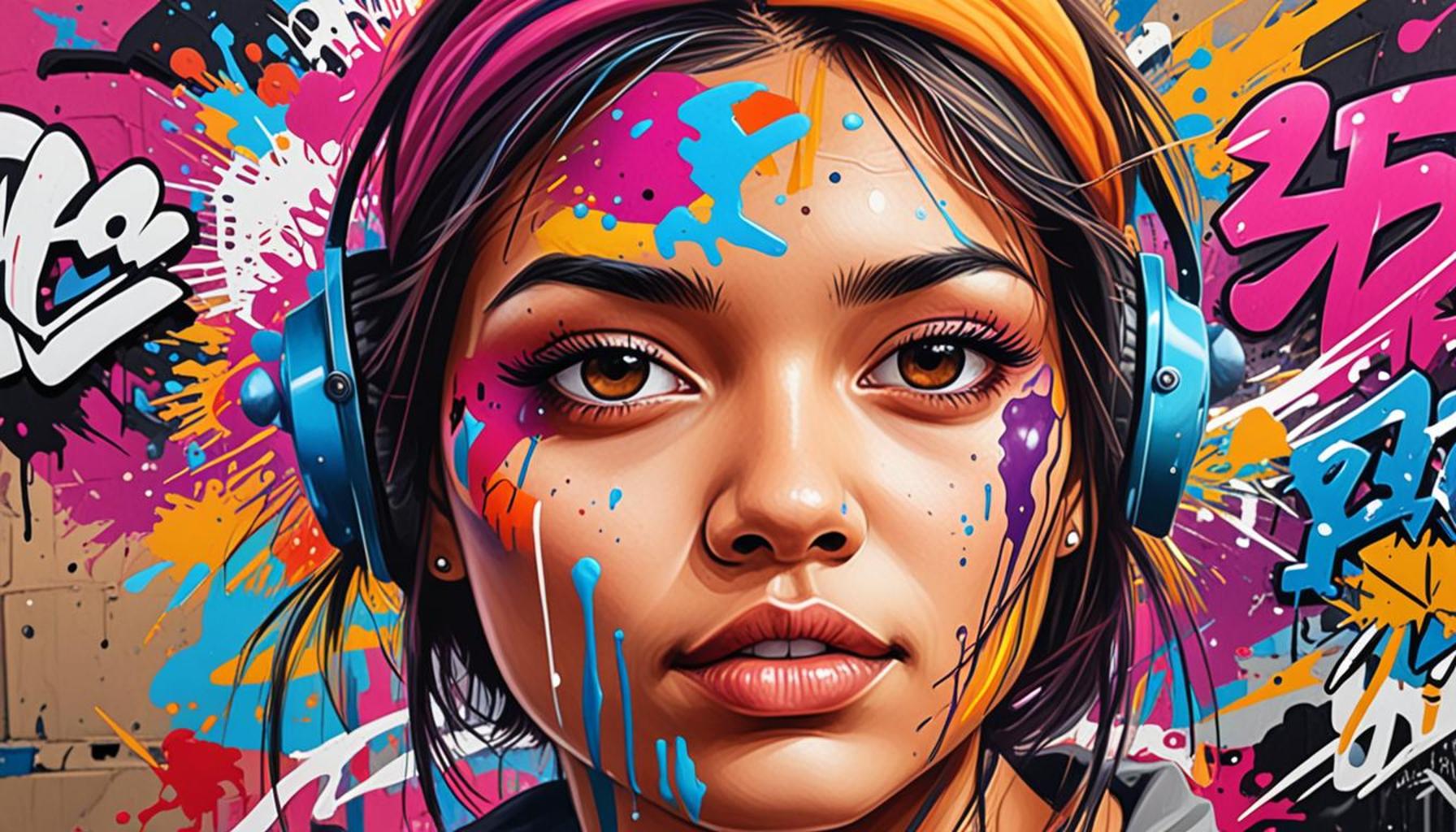
- Visual Arts: Murals and installations often reflect local histories and advocate for social change. The mural movement in cities like Los Angeles has transformed urban landscapes while addressing themes of racial injustice and community solidarity.
- Performing Arts: Theater and music festivals embrace cultural diversity, allowing personal narratives to resonate widely. Events like the “National Black Theatre Festival” in North Carolina present stories that capture the African American experience and influence the broader American cultural landscape.
- Literature: Written works offer insights into the lives of various cultural groups, enriching the American literary landscape. Authors like Sandra Cisneros and Jhumpa Lahiri use their narratives to bridge cultural divides, exploring themes of identity, belonging, and the immigrant experience.
As we delve deeper into the importance of artistic expression within diverse communities, we uncover its power to shape identity and foster connection. This exploration reveals how art acts not only as a mirror reflecting societal complexities but also as a catalyst for societal evolution. In embracing artistic expression, communities can cultivate a more inclusive society, emphasizing the shared humanity that binds us all.
DISCOVER MORE: Click here to learn how music can enhance your creative pursuits
Art as a Reflection of Community Diversity
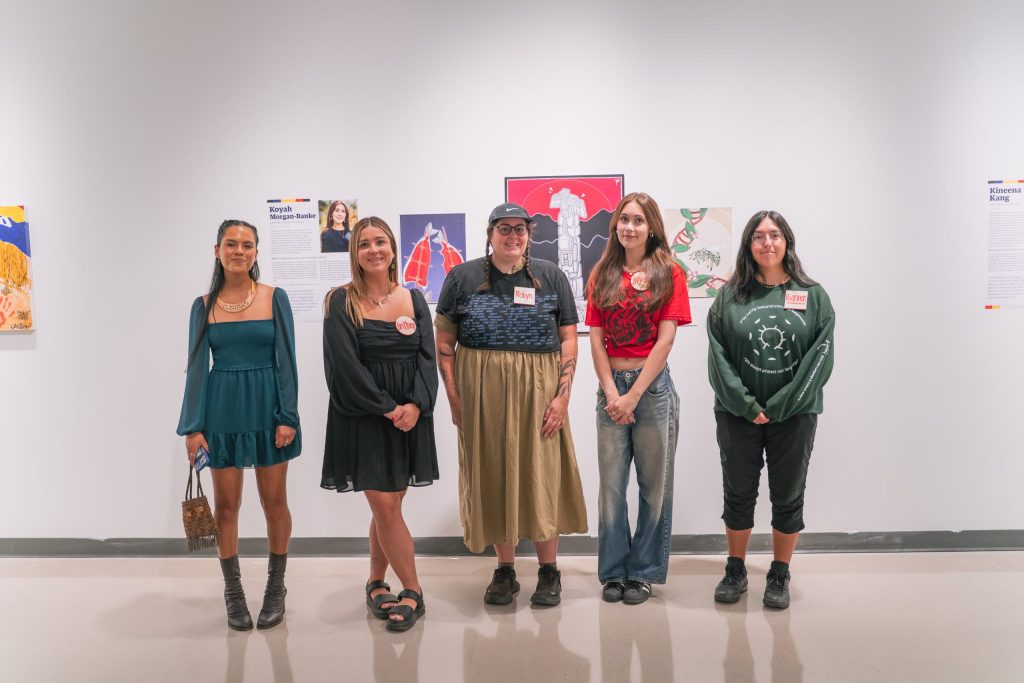
The significance of artistic expression in shaping community identity extends beyond its immediate visual or auditory appeal; it serves as a powerful lens through which we can understand the complexities of diverse cultures. Artistic forms provide space for reflection, enabling individuals to articulate their personal and communal experiences within the broader narrative of society. This is particularly relevant in the United States, where an array of cultural backgrounds converges, creating vibrant expressions of identity.
One of the primary functions of art in diverse communities is its ability to bridge cultural divides. Art can foster empathy and understanding by portraying the lived experiences of different groups. For example, community art projects aimed at celebrating local histories often yield insights into the challenges faced by marginalized populations. The “Mural Movement” across cities like Chicago showcases how public art can ignite conversations about race, identity, and social justice while providing a sense of belonging to residents who may otherwise feel excluded.
Moreover, artistic practices also preserve cultural heritage, allowing communities to keep their unique traditions alive. Festivals celebrating indigenous art forms, for instance, not only entertain but also educate participants and audiences alike on the history and significance of these traditions. In places like Santa Fe, New Mexico, the annual Indian Market invites Native American artists to showcase their crafts, illustrating the importance of maintaining cultural legacies and providing opportunities for younger generations to learn about their roots.
In addition to fostering dialogue and preserving heritage, artistic expression plays a crucial role in empowering marginalized voices. For many underrepresented groups, art becomes a form of activism—a tool to challenge stereotypes and share stories that often go untold. Initiatives like “StoryCorps” promote the sharing of personal narratives, allowing individuals from diverse backgrounds to connect on a human level. These stories, rich with emotion and individuality, often highlight common struggles, thereby reinforcing the bonds between communities.
When examining the various artistic endeavors that emerge in diverse communities, the breadth of expression is both expansive and enlightening:
- Visual Arts: Art galleries and public installations often challenge societal norms and address pressing issues. The “Art Against Hate” initiative, for example, features diverse artists whose works confront intolerance while promoting themes of unity and acceptance.
- Performing Arts: Festivals like the “New York City Dance Festival” celebrate the multifaceted nature of dance, showcasing styles that represent various cultural heritages and providing performers a platform to share their unique stories through movement.
- Literature: Diverse writers contribute to an enriched literary tapestry that reflects the experiences of immigrant and minority communities. Notable authors like Chris Abani and Ocean Vuong employ their narratives to explore themes of displacement, identity, and belonging, inviting readers into their worlds.
As we explore the intricate relationship between artistic expression and community identity, we uncover how creativity not only embodies cultural diversity but also plays a transformative role in society. Understanding the vital importance of art encourages a deeper appreciation for the rich mosaic of identities that characterize our communities—a reminder that every brush stroke, note, or written word contributes to a larger collective narrative.
| Advantage | Impact on Communities |
|---|---|
| Cultural Preservation | Artistic pursuits help to retain cultural heritage, ensuring that traditional practices and stories are conveyed to future generations. |
| Social Cohesion | Art can bridge gaps between diverse groups, promoting understanding and empathy, leading to more cohesive community relations. |
| Economic Opportunities | Cultural events attract tourism, creating job opportunities and supporting local artists and craftspeople. |
| Educational Value | Artistic programs can be pivotal in educating communities about cultural diversity and social issues, fostering informed citizenship. |
Artistic expression is intertwined with cultural identity, serving as a vital means by which communities articulate their narratives and values. In diverse societies, this expression becomes crucial in highlighting unique experiences and fostering dialogue among varied groups. Interactions through art can create platforms for marginalized voices, giving them visibility and validation within a larger societal framework. This inherent power of art facilitates a dialogue that goes beyond mere storytelling, leading to meaningful exchanges that enrich the communal tapestry. Moreover, public artworks—murals, installations, and performances—can dramatically alter the perception of a neighborhood, nurturing a sense of pride and ownership among residents. Engaging in artistic expression through workshops and community projects results in shared experiences that are critical to the community’s growth and connection. The multifaceted benefits of embracing artistic expression ultimately pave the way for greater inclusivity and cultural richness, allowing for a fuller appreciation of the diverse identities that coexist within any given community.
DIVE DEEPER: Click here to uncover the art of transforming emotions into words
The Role of Art in Social Change and Community Dialogue
As communities navigate complex social landscapes, artistic expression serves as a vital tool for catalyzing social change and sparking important dialogues. In an era marked by issues such as inequality, discrimination, and environmental challenges, creative endeavors are increasingly recognized for their ability to inspire action and mobilize communities towards collective solutions. Art often challenges the status quo, providing a platform for advocating social justice and encouraging civic engagement.
For instance, the “Black Lives Matter” movement has seen an explosion of creative responses through graffiti, murals, and performance art that encapsulate the urgency of the fight against racial injustice. Renowned artist Kehinde Wiley, known for his striking portraits of African American subjects, brought attention to these themes in public spaces, elevating discussions around race, power, and history in ways that are visually arresting. Such artworks not only communicate pressing societal issues but also invite viewers to reflect deeply on their own roles within these dialogues.
Furthermore, the influence of community art initiatives cannot be understated. Local organizations often partner with artists to create public artworks that reflect the unique histories and identities of their neighborhoods. Projects like the “Hispanic Heritage Month Mural Project” in Los Angeles engage young artists in creating murals that celebrate their cultural backgrounds while fostering connections between community members. When people see their stories depicted in familiar spaces, it reinforces both a sense of pride in their heritage and a mutual understanding among residents of diverse backgrounds.
In addition to promoting dialogue and social justice, art within diverse communities often acts as a means of economic empowerment. Cultural events such as craft fairs and art exhibitions not only showcase local talent but also create opportunities for artists to sell their work and sustain their livelihoods. Programs like the “Collective Arts Project” in Detroit focus on entrepreneurship in the arts, providing emerging artists with resources to develop their businesses. By investing in their creative abilities, these artists contribute to their local economies while simultaneously enriching the community’s cultural landscape.
Moreover, art therapy has emerged as a significant tool in mental health care, particularly in marginalized communities where access to traditional therapeutic practices may be limited. Organizations like “The Story Studio” in New York utilize storytelling and creative writing as a means of helping individuals process trauma and build resilience. By providing a structured environment for expression, participants learn to articulate their experiences, ultimately fostering healing through creativity.
The technological landscape has also transformed the way in which art is experienced and shared. Digital platforms provide artists from diverse communities with unprecedented access to audiences worldwide. Social media campaigns like “#ArtForChange” promote artists tackling social issues ranging from climate change to systemic inequality, allowing individuals to participate in global conversations from their local perspectives. This accessibility rejuvenates the notion that art is not confined to galleries or theaters but is alive in everyday interactions.
- Collaborative Projects: Initiatives such as “The Crossroads Project,” which unites artists and activists to address local urban issues through collaborative works, can result in art that serves the community while pushing for tangible change.
- Interactive Installations: Events like “The Museum of Social Justice” offer immersive experiences that invite participants to engage with social causes actively, transforming passive observers into engaged advocates for change.
- Diverse Mediums: Contemporary artists like Ai Weiwei use installations that invite public interaction, challenging audiences to confront difficult truths about migration and human rights, reinforcing art’s role in activism.
Through these multifaceted roles, artistic expression remains a crucial element in shaping the narratives of diverse communities, highlighting the need for continued support and investment in arts initiatives. As communities grow and evolve, their collective identity is defined, in part, by the innovative ways in which they express their stories, visions, and aspirations. Each piece of art contributes to a continually unfolding tapestry of culture and identity, illustrating the power of creativity in the face of diversity.
DIVE DEEPER: Click here to uncover more tips on upcycling
Conclusion
Artistic expression stands as a powerful anchor in the ever-evolving tapestry of culture and identity within diverse communities. It serves not only as a reflection of the multifaceted experiences that shape groups but also as a catalyst for social change and community cohesion. From the vibrant murals of urban neighborhoods to the poignant performances that capture the essence of individual stories, art has the unique ability to address societal challenges while celebrating distinct identities.
In light of pressing issues such as inequality and environmental degradation, the role of art in fostering dialogue and healing becomes paramount. Community art initiatives and projects amplify the voices of underrepresented groups, creating spaces that promote understanding and resilience. Moreover, technology has revolutionized the ways in which these voices can be heard, connecting artists with global audiences and offering new platforms for advocacy.
As we cultivate an appreciation for the arts, it is essential to recognize its potential for economic empowerment and mental health support within marginalized communities. The diverse experiences expressed through various artistic mediums not only enrich our cultural landscape but also reinforce the shared narratives that unify us all.
In conclusion, embracing artistic expression in diverse communities is not merely about preserving culture; it’s about empowering individuals, igniting change, and fostering a society that values every story. As we move forward, let us champion the importance of creative endeavors, ensuring they remain integral to our collective identity and the future of our communities.