The Role of Art in Education: How Creative Expression Enriches Learning
The Multifaceted Role of Art in Education
Art has historically been relegated to a peripheral role in education, often perceived as an ancillary activity rather than a core component. However, its intrinsic value transcends simple aesthetics, revealing a powerful catalyst for deepening students’ learning experiences across various disciplines. By integrating creative expression into the curriculum, educators can unlock innovative pathways for engagement, understanding, and personal growth among students.
Enhancing Critical Thinking Skills
One of the remarkable benefits of incorporating art into the educational framework is its ability to promote critical thinking. Artistic endeavors encourage students to analyze, interpret, and critique, thereby fostering essential problem-solving abilities. For example, when students are tasked with creating their own pieces of art, they must consider elements like composition, color theory, and symbolism. Through this process, they engage in a form of analysis akin to mathematical or scientific inquiry, where evaluating different perspectives and alternative solutions becomes key to their artistic success.
Fostering Collaboration and Communication
Artistic projects are often collaborative, which can enhance students’ social skills and build their capacity for teamwork. Whether working on a theater production, a group painting project, or a dance performance, students learn to communicate effectively, share responsibilities, and negotiate ideas. This collaborative effort not only strengthens interpersonal relationships but also mirrors real-world work environments, preparing students for future professional scenarios where teamwork is critical.
Building Self-Esteem Through Expression
Another significant facet of art in education is its ability to boost students’ self-esteem. Engaging in creative activities allows students to express their unique ideas and perspectives, empowering them to feel more confident in their capabilities. For instance, students who may struggle in traditional academic subjects often find solace and success in artistic endeavors, where their talents can shine. Celebrating their creative output can leave a lasting positive impact on their self-worth and motivation.
Academics and Art: A Correlation
Moreover, numerous studies have indicated that exposure to art is correlated with improved academic performance in subjects traditionally viewed as unrelated, such as math and science. Schools that have adopted arts-infused curricula often witness:
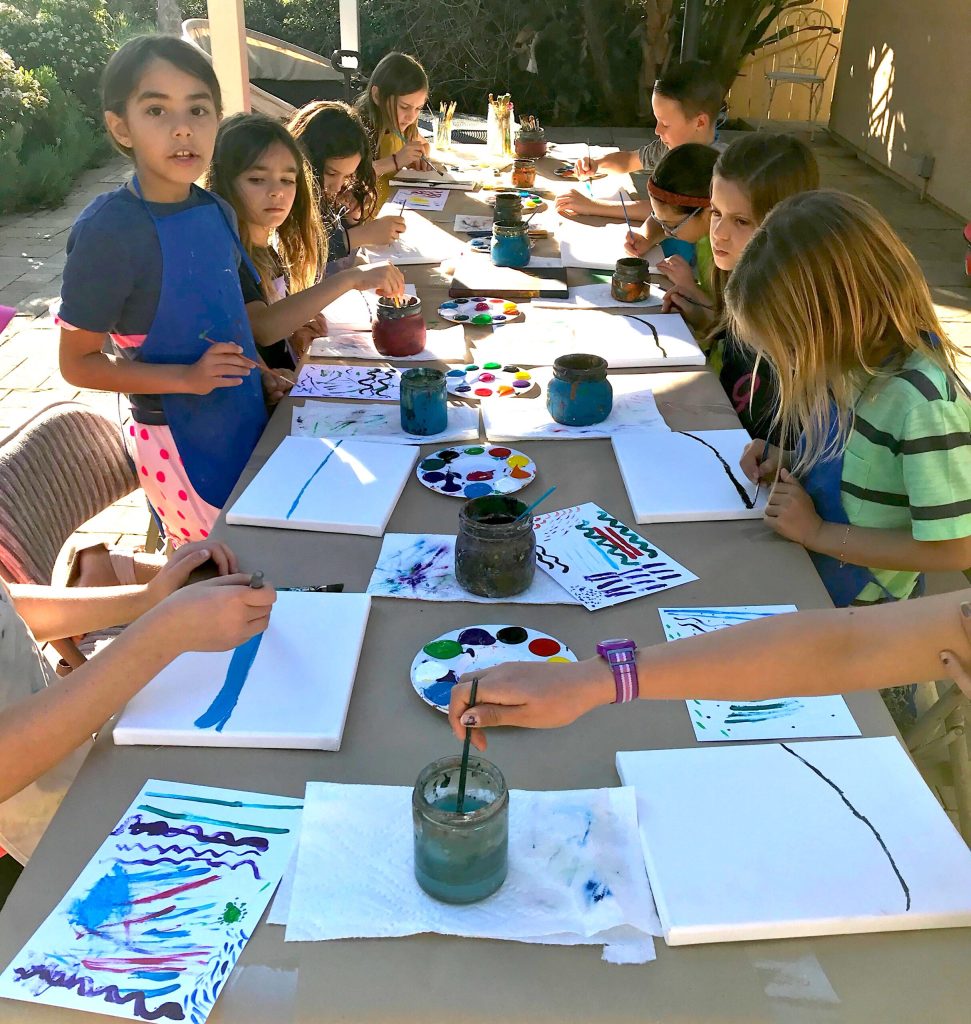
- Increased student engagement: Innovative arts-based lessons keep students captivated and motivated to learn.
- Better retention of information: Hands-on experiences and artistic expression can solidify students’ understanding of complex concepts, making them more memorable.
- A greater appreciation for diversity: Art serves as a medium to explore and celebrate different cultures and perspectives, fostering empathy and understanding among students.
The Ongoing Impact of Arts Integration
Exploring avenues for integrating art in education reveals that its benefits extend far beyond the classroom. Whether through music, visual arts, or theater, the interactive nature of artistic expression enriches the educational landscape, equipping students with the tools they need to thrive in an increasingly complex world. As we further investigate these interconnections, we stand poised to redefine the boundaries of learning and discover how art can serve as a transformative force that prepares students not just for academic success, but for life itself.
DISCOVER MORE: Click here to delve into the world of artistic expression
Art as a Vehicle for Emotional and Social Development
Art is much more than just a form of entertainment; it serves as an essential vehicle for emotional and social development in students. Engaging in creative expression allows individuals to explore their feelings and thoughts, providing a safe outlet for emotions that can often be difficult to articulate. This emotional exploration can lead to enhanced empathy and better emotional intelligence, traits that are increasingly vital in today’s interconnected world. The process of creating art encourages students to delve into their inner lives, helping them better understand themselves and others.
Art and Emotional Resilience
Participating in artistic endeavors can also foster emotional resilience. Students who face challenges in their lives often find art as a refuge, enabling them to channel their struggles into a creative outlet. Research has shown that schools that prioritize arts education see reductions in anxiety and behavioral issues among students. Engaging in creative activities not only provides an escape but also allows individuals to cultivate coping mechanisms that can help them navigate adversities.
Addressing Real-World Issues Through Art
Art can also serve as a means for students to address real-world issues, from social justice to environmental sustainability. Through projects that involve community engagement, students are prompted to use art as a platform for advocacy and dialogue. For instance, students collaborating on a mural that addresses food scarcity or climate change can harness their creativity to promote awareness and inspire action. This not only enriches their understanding of societal challenges but also instills a sense of responsibility toward their communities.
The Importance of Arts Education in School Curricula
There is a critical need for schools in the United States to recognize and implement arts education as a fundamental aspect of their curricula. Several studies demonstrate that when arts programs are integrated into typical education, students show considerable improvements in areas such as:
- Academic performance: Schools with robust arts programs often see students achieving higher test scores in core subjects like reading and math.
- Attendance rates: Students are more likely to attend school when they are involved in engaging arts activities, as these programs contribute positively to their overall school experience.
- Creativity and innovation: By fostering an environment where creativity is valued, students become better equipped to think outside the box, a skill that is directly translatable to future workplace situations.
Breaking Down Barriers Through Artistic Collaboration
Another dimension of art in education is its unparalleled ability to break down barriers, creating a shared platform for students from diverse backgrounds to collaborate. When students come together to express themselves through artistic projects, they develop a stronger sense of community and appreciation for one another’s differences. In this respect, art functions as a binding thread, weaving a tapestry of cultural understanding and collective identity that enriches the educational landscape.
As we examine these multifaceted roles of art in education, it becomes increasingly clear that creative expression is not merely an extra-curricular afterthought but a pivotal element in shaping well-rounded, informed, and socially responsible individuals. This ongoing engagement with art not only prepares students for academic success but nurtures life skills that are essential in today’s ever-evolving world.
Art in education serves as a catalyst for enhancing critical thinking and problem-solving skills among students. When learners engage with various forms of art, they are not merely creating; they are navigating complex ideas and expressing personal interpretations. This process fosters a deeper understanding of diverse perspectives and promotes intellectual curiosity.Additionally, the arts have been shown to boost emotional intelligence. Through activities such as painting, theater, and music, students explore their emotions and learn to empathize with others. Such experiences are essential for developing social skills, allowing students to connect and collaborate with their peers more effectively. Not only do these activities encourage self-expression, but they also provide a safe space for students to confront and process their feelings, laying the groundwork for mental well-being.Moreover, integrating art into the curriculum can enhance cognitive development. Educational research indicates that involvement in the arts improves memory and concentration. For instance, students studying music have demonstrated enhanced abilities in mathematics due to the discipline and focus required to learn an instrument. This overlap between artistic practice and academic performance illustrates the multifaceted benefits of incorporating creativity into learning.Incorporating art into education also enriches cultural literacy and appreciation. Through the exploration of various artistic traditions, students gain insights into the values, beliefs, and histories of different cultures. This exposure not only broadens their worldview but also cultivates a sense of respect and appreciation for diversity.Ultimately, the fusion of art and education not only enhances learning outcomes but also nurtures well-rounded individuals prepared to navigate the complexities of life. As we recognize the profound impact of creative expression in education, it becomes increasingly vital to advocate for a curriculum that includes the arts as a fundamental element in shaping future generations.
DON’T MISS: Click here to enhance your musical journey
Art as a Catalyst for Cognitive Development
Beyond its emotional and social contributions, art plays a significant role in cognitive development. Studies have consistently shown that engaging with the arts stimulates critical thinking, problem-solving, and analytical skills. This comprehensive cognitive engagement is essential for students, as it encourages them to perceive problems from multiple angles and develop innovative solutions. The unique nature of artistic processes—where there are often no right or wrong answers—promotes open-mindedness and flexibility of thought, traits increasingly required in the modern workforce.
Enhancing Memory and Concentration
Moreover, involvement in arts education has been linked to enhanced memory and concentration abilities. When students engage in music, dance, or visual arts, they are often required to recall specific techniques or elements of their craft, thereby exercising their memory. Research from the Arts Education Partnership has suggested that arts-based learning activities can significantly improve brain function, making it easier for students to focus and retain information in their academic subjects, such as mathematics and science. For instance, students who participate in music lessons demonstrate improved spatial-temporal skills, which are crucial not only for artistic endeavors but also for mastering complex math concepts.
Incorporating Art into STEM Education
The integration of arts within the framework of STEM (Science, Technology, Engineering, Mathematics) has given birth to the term STEAM, emphasizing the critical intersection between creative and analytical thinking. Programs that adopt this approach reveal substantial benefits in learning outcomes. For instance, a study conducted by the University of California showed that students who engaged in STEAM-oriented projects exhibited a 30% improvement in problem-solving abilities compared to their peers who did not participate in such programs. By marrying creativity with scientific inquiry, students learn to approach challenges with both artistic flair and systematic precision.
The Global Perspective: Learning Through Art
In a world that is becoming increasingly globalized, art offers a unique way for students to engage with and understand different cultures and perspectives. Exposure to various artistic traditions enriches students’ worldviews, enabling them to appreciate the diversity of human expression. Schools that emphasize multicultural arts education encourage students to explore not only their own cultural heritage but also the cultural narratives of others. This fosters a sense of global citizenship, where artistic exchange can serve as a platform for dialogue and understanding. Programs featuring international art collaborations often result in enhanced cultural competence among students, a crucial skill in today’s transferable job market.
Digital Art and the Future of Learning
Furthermore, the rise of digital technology has greatly impacted the role of art in education. With tools ranging from graphic design software to virtual reality platforms, students can explore new modes of creativity that were previously unimaginable. This shift toward digital art education not only prepares students for careers in increasingly digital job markets but also invites them into a wider world of artistic exploration. Schools integrating digital arts often report a rejuvenated interest in creative subjects among students who might have previously felt alienated from traditional art forms.
The evolving landscape of art in education highlights its capacity not only to enrich academic experiences but to shape the future of learning itself. As societal needs grow and change, the integration of the arts will undoubtedly continue to play a pivotal role in educating adaptable, innovative, and culturally aware individuals.
DISCOVER MORE: Click here to delve into the significance of music education
Conclusion: The Transformative Power of Art in Education
In summary, the role of art in education transcends mere creative expression; it is a vital component that enriches learning across multiple dimensions. As we have explored, the integration of the arts fosters critical thinking and enhances cognitive development, preparing students to address complex issues with innovative solutions. The evidence supporting the impact of arts education on memory, concentration, and problem-solving capacities is compelling, reinforcing the argument for a curriculum that embraces artistic disciplines alongside traditional academic subjects.
Moreover, the rise of STEAM education illustrates the profound connection between creativity and science, cultivating a new generation of thinkers who are both analytical and imaginative. This melding of arts with STEM not only aligns educational practices with the demands of the contemporary job market but also encourages a global perspective that is increasingly vital in our interconnected world.
As we look to the future, the incorporation of digital art opens up a myriad of opportunities for youth, making creativity accessible and engaging in new, exciting ways. With technology reshaping the landscape, students are empowered to explore diverse forms of artistic expression that resonate with them personally, promoting a lasting love for the arts.
It is crucial for educators, policymakers, and communities to advocate for and invest in comprehensive arts education programs. By recognizing and harnessing the transformative power of art in education, we can foster not only innovative thinkers but also compassionate and culturally aware individuals. In doing so, we prepare students not just for academic success, but for a vibrant and fulfilling future in a diverse and rapidly evolving world.