Art and Technology: The Convergence of Sensory and Digital Experiences in Creative Expression
The Fusion of Creativity and Technology
The integration of modern technology into the realm of art is not just a trend; it is a pivotal shift in how creativity is expressed and experienced. As artists increasingly adopt digital platforms, they are breaking free from conventional forms, enabling innovative ways to explore and engage with their artworks. This synergy between art and technology is redefining creativity and audience interaction, making it more immersive and multifaceted.
Innovative Platforms Reshaping Artistic Expression
Several groundbreaking innovations are currently transforming the artistic landscape, offering tools that enhance the way we perceive and create art:
- Virtual Reality (VR): This technology takes viewers beyond the canvas, allowing them to fully immerse themselves in intricate virtual environments that artists meticulously craft. For example, a VR installation may invite users to float through a kaleidoscopic forest or explore the depths of an imagined ocean, providing a sensory adventure that stimulates both sight and sound.
- Augmented Reality (AR): By merging digital elements with the real world, AR enriches physical art displays with interactive features. A renowned application is the “Artivive” app which lets users point their smartphones at a painting and see animation that narrates the story behind the artwork, thereby deepening their understanding and appreciation.
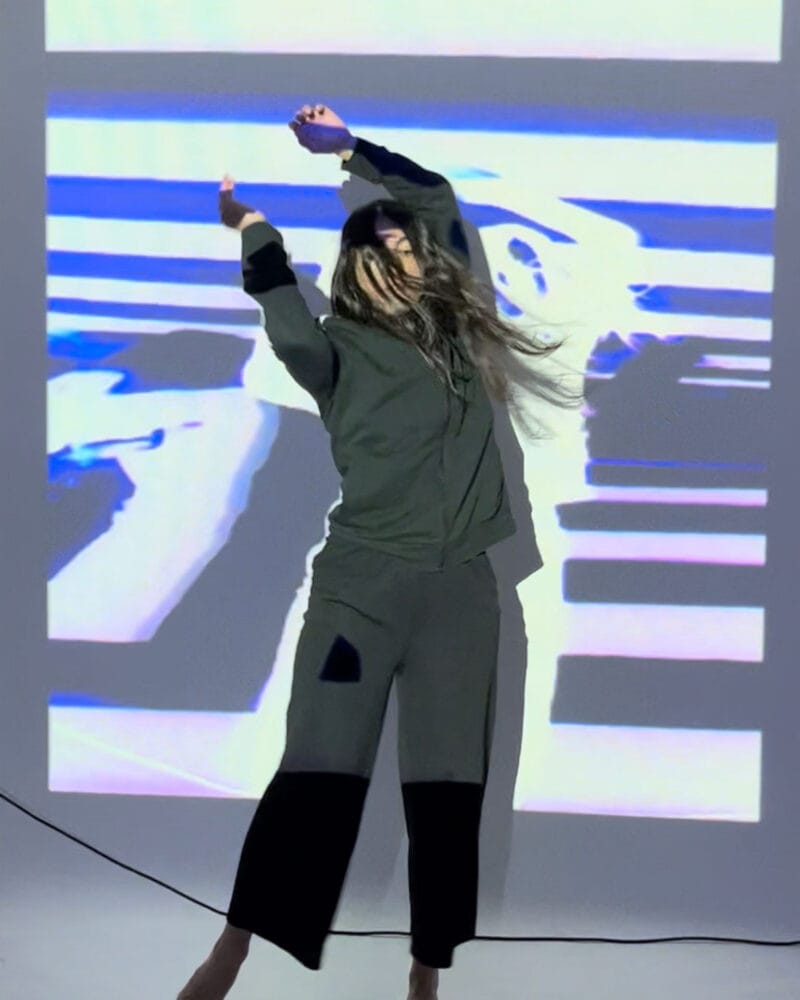
- Interactive Installations: These setups challenge passive viewing by encouraging active engagement. An example can be seen in installations at galleries and museums where visitors can manipulate elements of the artwork through touch or movement, creating a personal connection to the piece and allowing for a unique, individualized experience.
The New Frontier of Art Forms
As technology continues to advance, artists are no longer limited to traditional materials and methods. Novel techniques allow them to push the boundaries of creativity:
- Generative Art: Using algorithms and data sets, artists can create variable pieces that change and evolve. For instance, a generative artist may design a program that produces different visual compositions based on real-time weather data, combining aesthetics with analytics.
- 3D Printing: This technology empowers artists to sculpt with unprecedented accuracy and complexity. Beyond prototyping, sculptors can create intricate designs that would be impossible to craft by hand, leading to astonishing three-dimensional artworks that captivate viewers.
- Digital Platforms: Online galleries and social media have transformed the way art can be shared. Websites such as Behance and Instagram enable artists to showcase their creations to global audiences, reaching potential collectors and enthusiasts without the limitations of physical exhibitions.
Pondering the Impact of Technology on Art
With each technological advancement, contemporary art confronts critical questions surrounding authorship, authenticity, and the very essence of the artistic experience. For example, when an artwork is generated through an algorithm, who owns the rights to the creation? As audiences interact with digital art in immersive ways, the line between creator and consumer blurs, leading to an evolving dialogue about the nature of creativity.
Ultimately, this ever-evolving relationship between art and technology promises exciting future developments that could transform not only the way art is made but also how it is perceived and valued. The journey ahead invites curiosity and exploration, offering endless opportunities for artists and audiences to redefine and enrich the creative landscape.
DIVE DEEPER: Click here to uncover the art of tapestry techniques
Bridging the Gap: The Role of Technology in Art Innovation
The emergence of technology in the art world has redefined the very nature of creation and experience. Artists today are finding unique pathways to express their thoughts, emotions, and visions through a blend of traditional techniques and cutting-edge innovations. The ongoing dialogue that unfolds between art and technology has given rise to hybrid forms that challenge our perceptions and invite deeper exploration.
The Transformation of Audience Engagement
As technology advances, so does the relationship between an artwork and its audience. Contemporary artists harness these advancements to create experiences that are not only visually stunning but also intellectually stimulating:
- Social Media Integration: Platforms like Instagram and TikTok have become essential tools for artists to showcase their portfolios. Artists can leverage their online presence not just to democratize art but to create a dialogue that interacts with audience feedback in real-time. This direct engagement allows for a unique criticism and appreciation model that contrasts with traditional gallery settings.
- Interactive Web Art: Varying from participatory websites to reactive animations, web art invites users to become co-creators. Websites can feature dynamic visuals that change according to user interaction, blurring the line between the viewer and creator. This approach attracts individuals who may be hesitant to engage with traditional art forms, inviting a more diverse audience.
- Digital Curating: With the rise of virtual galleries, the concept of curation has expanded significantly. Art institutions like The Museum of Modern Art (MoMA) have embraced this trend by showcasing online exhibitions that visit multiple cultural narratives from around the globe. This approach grants artists exposure while offering users curated content that is accessible from the comfort of their homes.
The Impact of Effectiveness vs. Experience
As artists navigate this unfamiliar terrain of digital creativity, the implications of their work reach far beyond aesthetic appeal. The great debate now lies in evaluating effectiveness versus experience. While tactile experiences in traditional art continue to hold emotional value, digital art forms challenge our understanding of what constitutes true creativity.
On one hand, the immediacy and accessibility of digital art can inspire rapid shifts in cultural discourse. Artists launching provocative narratives through viral content can influence public opinion almost instantaneously. On the other hand, the sensory experiences offered in physical artworks create intimate connections that evoke emotional responses. This dichotomy highlights a fundamental question: can the ephemeral experience of digital art rival the lasting impact of a favorite painting hanging on your wall?
The holistic transformation brought about by technology invites us to question our preconceived notions of both art and the audience’s role in its manifestation. This momentum towards integrative experiences urges us to rethink the future of creativity itself, prompting new avenues for artistic exploration and engagement.
| Category | Description |
|---|---|
| Immersive Art Installations | Experience a blend of physical and digital environments that engage multiple senses. |
| Interactive Technology | Enhances audience participation by allowing them to directly influence the artistic outcome. |
The flow of creativity in the realm of Art and Technology opens up new horizons for artists and audiences alike, allowing for a deeper connection with the art form. Immersive art installations that utilize, for example, augmented reality (AR) and virtual reality (VR), create an environment where viewers are not mere spectators but active participants. As they walk through spaces that shift based on their movement, they become integral to the art itself, merging sensory stimuli with digital innovation.Moreover, the role of interactive technology cannot be overstated. By integrating interactive elements, such as motion sensors and touch interfaces, artists empower audiences to navigate and reshape their artistic experiences. This convergence fosters a rich dialogue between creator and consumer, blurring the lines between different mediums and inviting a more dynamic exploration of creative expression.This synergy of art and technology not only showcases modern advancements but also challenges traditional perceptions of artistry, encouraging a deeper understanding of how we relate to the world around us. Enthusiasts and creators alike are urged to explore this fascinating field, where every interaction can lead to inspiring revelations in the art landscape.
DISCOVER MORE: Click here for inspiring DIY crafts
Redefining Mediums: The Evolution of Art Forms
As the lines between art and technology blur, we witness the emergence of new mediums that reflect the digital age’s complexities. From virtual reality (VR) to augmented reality (AR), artists are reimagining how we perceive space, form, and interaction. These innovations redefine the canvas, transforming traditional artistic expressions into immersive experiences that captivate senses and challenge viewers’ understanding of presence.
The Rise of Immersive Experiences
Immersive art installations offer a profound shift in how audiences engage with creativity. With the integration of VR and AR technologies, artists create environments that envelop participants, allowing them to step inside their work. Notable examples include:
- Yayoi Kusama’s Infinity Rooms: These installations utilize mirrors and digital projections to create infinite perspectives. By walking through these spaces, viewers experience a blurring of boundaries between the self and the artwork, inducing an almost meditative state.
- TeamLab’s Digital Art Installations: This Tokyo-based art collective merges technology and nature, creating interactive experiences where viewers influence digital landscapes through their movements. The sensation of being part of the art fosters a sense of connection, uniting individual experiences with collective participation.
Such works exemplify how immersive experiences can evoke emotional responses while reinforcing the role of the audience as active participants in the artistic narrative.
Algorithmic Artistry: The Intersection of Creativity and Machine Learning
The development of machine learning and artificial intelligence (AI) has paved the way for algorithmic artistry, where computers assist in the creative process. Algorithms can analyze vast datasets, generating artwork that combines human and machine creativity. This raises fascinating questions about authorship and originality in the art world:
- AI-Generated Art: Platforms like OpenAI’s DALL-E and DeepArt have created intricate works by analyzing existing styles and visualizing them through unique lenses. The result is artwork that blurs the line between human creativity and algorithmic output.
- Collaborative Projects: Artists are beginning to leverage AI as creative partners rather than replacements. For instance, the artist Mario Klingemann experiments with neural networks to create pieces co-produced by the machine, engaging in a dialogue with the technology itself.
These developments indicate a significant shift: the collaboration between human intention and computational processes enhances artistic exploration and motivates a re-evaluation of artistry’s essence.
The Role of Art in Technology Critique
Finally, the convergence of art and technology invites cultural commentary. Artists use their platforms to critique the very technologies that enable their work, fostering discussions around issues like surveillance, data privacy, and the digital divide:
- Art as Social Commentary: Artists such as Heather Dewey-Hagborg use genetic technology to explore themes surrounding identity, privacy, and ethics, challenging society to grapple with the implications of technological advancements.
- Participatory Art Projects: Initiatives like “The People’s Archive of Sinking Cities” merge art and data collection to address climate change’s impact on urban environments, engaging communities in dialogue and action.
Through these artistic interventions, creators provoke critical conversations, reaffirming art’s role as a vital vehicle for societal reflection and transformation.
DISCOVER MORE: Click here for an artistic journey
Conclusion: Embracing the Fusion of Art and Technology
The convergence of art and technology marks a transformative era in creative expression, where the boundaries of traditional mediums are continually expanding. Artists leverage immersive experiences to engage audiences in profound ways, using VR and AR to redefine our relationship with art. As we traverse these digital landscapes, we not only experience art but also interact with it, fostering a sense of connection and community.
Moreover, the emergence of algorithmic artistry challenges our perceptions of authorship and creativity, inviting us to reconsider what it means to be an artist in the digital age. With AI as a collaborator, artists explore new realms of creativity, demonstrating that the partnership between humanity and technology can yield imaginative possibilities beyond our comprehension. Projects that integrate technological critique remind us that art serves not just as a reflection of culture, but also as a catalyst for dialogue and social change.
As we stand at the intersection of sensory and digital experiences, the journey is just beginning. This evolving landscape urges us to explore further the dynamic interplay between creativity, technology, and society. For those intrigued by the excitement of this fusion, the opportunity awaits to engage with innovative works and contribute to the ongoing conversation about the future of artistic expression in a technological world. The essence of art remains unchanged: to evoke emotions, provoke thoughts, and inspire connections, albeit through an ever-evolving digital lens.