The Role of Art in Building Communities: Strengthening Bonds Through Creative Expression
The Transformative Power of Art in Communities
Art serves as a vital catalyst in crafting community identity and fostering meaningful connections among individuals. By transcending language and cultural barriers, it provides a platform for dialogue and mutual understanding. When people participate in artistic endeavors, they are not merely engaging in creative expression; they are joining forces to cultivate a shared narrative and collective purpose.
Shared Experiences
Local art events such as street fairs, theater performances, and gallery exhibitions bring people together in a celebration of creativity. Such occasions offer a space for diverse populations to engage in conversations and share their experiences. For instance, the Chicago Arts Festival not only showcases local talent but also creates a venue for food vendors, musicians, and visual artists to interact with the community. The result is a vibrant environment where attendees come together, exchanging stories and building connections that transcend their individual backgrounds.
Empowerment
Art initiatives often play a pivotal role in empowering marginalized communities. Through programs aimed at underrepresented groups, individuals gain the opportunity to voice their unique narratives. For instance, Bronx-based organizations have implemented programs like “Art for Social Change,” which engages youth in creating visual art that reflects their concerns and experiences. By allowing participants to share their stories, these initiatives foster a sense of pride and community ownership, facilitating opportunities for dialogue about relevant social issues, from systemic inequalities to environmental concerns.
Collaboration
Collaboration between artists and community members can lead to innovative public art projects that resonate with the local identity. Programs like “Art in the Loop” in Chicago invite artists to collaborate with residents to create installations that reflect community stories. This process not only enhances the final piece but also strengthens interpersonal relationships among participants. As local residents contribute their ideas, the resulting artwork serves as a representation of collective creativity, reinforcing community bonds and enhancing pride in local identity.
The impact of art is tangible; public murals, sculptures, and performances can transform urban landscapes into vibrant expressions of community spirit. Research indicates that neighborhoods rich in artistic expression experience greater social cohesion, lower crime rates, and improved overall quality of life. For example, an evaluation of the Mural Arts Program in Philadelphia found a substantial increase in community engagement and a decrease in graffiti vandalism following the installation of murals.
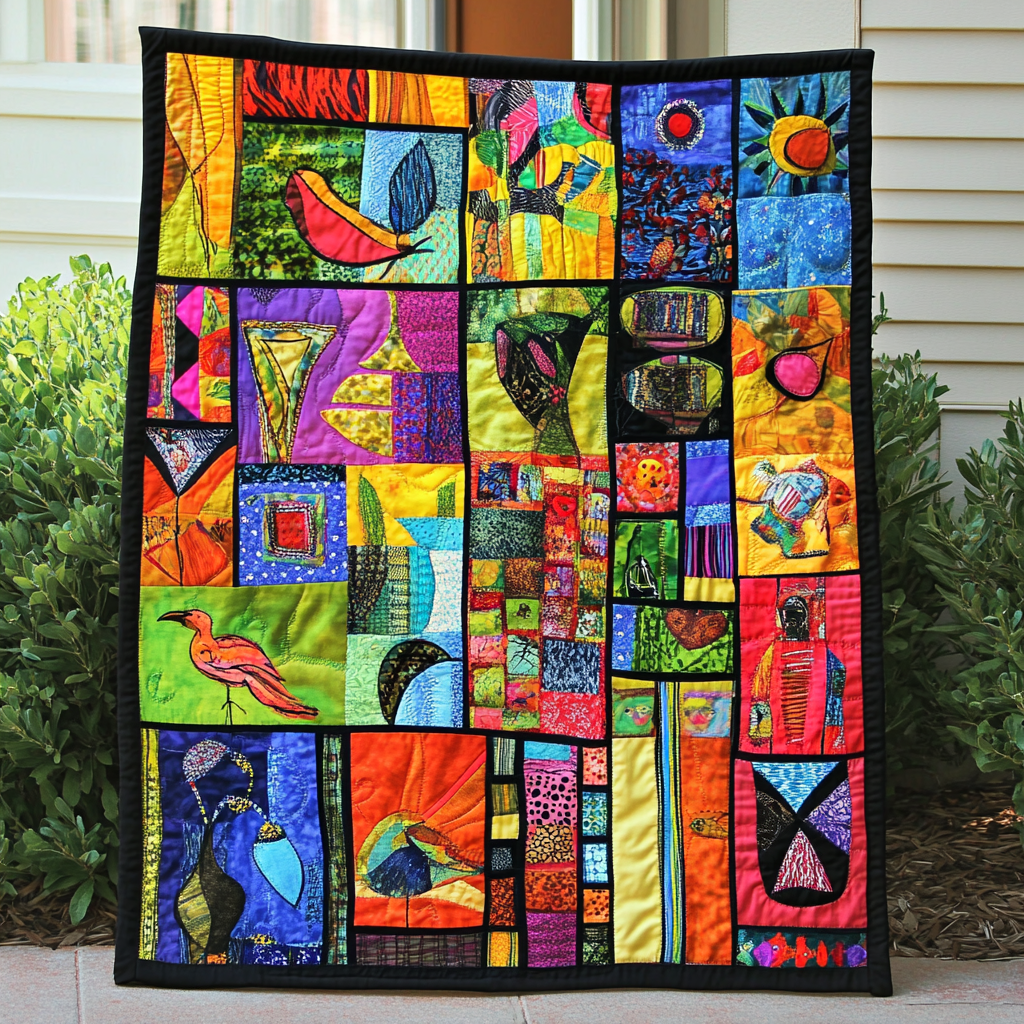
As we continue exploring the role of art in community building, it becomes evident that artistic endeavors are not just about aesthetics; they are critical to fostering a thriving society. From neighborhood art projects to collaborative workshops, the ways in which art weaves individuals together are profound and essential. Strengthening community ties through art paves the way for a more interconnected and compassionate society.
DISCOVER MORE: Click here to dive into creative wellness
The Heart of Connection: How Art Brings Communities Together
Art serves as a powerful vehicle for connection, bridging divides and creating a sense of belonging amongst diverse individuals. Within any community, the presence of art can ignite passion and inspire collaboration, turning a collection of individuals into a united group with a common purpose. This sense of togetherness is often initiated through various community art initiatives that engage and inspire residents to take part in their local culture.
Art as a Unifier
Art has the remarkable ability to bring people from different backgrounds together, often fostering an environment of acceptance and inclusivity. For example, community murals painted in urban neighborhoods not only beautify the surroundings but also embody the stories of the local residents. In cities such as Los Angeles, murals reflect the diverse cultures and histories of the community, encouraging dialogue between various ethnic groups and creating a shared public space that everyone can relate to.
Cultural Exchange Through Artistic Platforms
Artistic events provide platforms for cultural exchange, allowing individuals to share their heritage and experiences. Events like the “National Hispanic Heritage Month” celebrations across the United States showcase art exhibitions, dance performances, and spoken word poetry that highlight Latinx culture. Such interactions not only educate attendees about cultural practices but also cultivate empathy and understanding, leading to richer community relationships. These events serve as opportunities for shared experiences, enriching the collective consciousness of those involved.
The Impact of Creative Expression on Youth
Targeting young minds through arts education can produce significant changes in community dynamics. Programs such as “Young Audiences,” which supports arts education in schools, focus on creative skills that not only enhance academic performance but also instill a sense of teamwork and collaboration. Through classes in visual arts, music, and theater, young people learn the importance of expressing themselves while participating in community-building activities. This engagement helps foster resilience and empowers youth to take leadership roles in their neighborhoods.
- Public Art Installations: Temporary and permanent public art installations can foster engagement and dialogue among locals, acting as a canvas for shared experiences.
- Community Workshops: These hands-on experiences promote collaboration and spark creativity, allowing participants to connect with one another through art-making.
- Art Festivals: Large-scale events, like the annual Seattle Arts Festival, celebrate creativity and community, offering various artistic workshops and performances.
Research demonstrates that neighborhoods with active art scenes experience greater social cohesion and enhanced overall wellbeing. For instance, a study conducted by the National Endowment for the Arts found that arts engagement is linked to increased civic engagement and social connectedness among community members. This evidence further underscores the intrinsic value of art in nurturing communal relationships.
In examining the multifaceted role of art within communities, it becomes clear that creative expression is not just a means of personal satisfaction, but a substantial cornerstone for building stronger bonds among individuals. As communities embrace art as a vehicle for expression and connection, they lay the groundwork for a more united and culturally enriched society.
Art serves as a powerful vehicle for social change, engaging communities and fostering collaboration among diverse groups. Through various forms, including visual arts, music, theater, and dance, communities can convey their collective stories, challenges, and aspirations. Art creates a platform for dialogue, breaking down barriers and enabling individuals to express their emotions and ideas freely.Local art initiatives, such as mural projects or community performances, encourage participation across age groups and backgrounds. These projects not only beautify neighborhoods but also instill a sense of pride among residents. When individuals unite to create something meaningful, they strengthen their bonds and build shared identities. Such creative expression transcends language and cultural differences, providing a universal medium through which individuals can communicate.Moreover, art workshops and community classes often attract participants who may otherwise feel isolated. These settings promote inclusivity and collaboration, where people learn from each other. Educational programs centered around art in community centers or schools can also inspire younger generations to appreciate their cultural heritage while fostering creative thinking.Additionally, arts-based initiatives contribute to local economies. They attract tourists, stimulate business growth, and create jobs. Vibrant art scenes can transform neighborhoods, making them attractive destinations for visitors and potential residents alike. Thus, the role of art extends beyond mere aesthetic appreciation; it becomes a catalyst for economic development and social cohesion.As communities increasingly recognize the importance of art in their development, the collaboration between artists, local governments, and citizens signifies a shift towards a more engaged and creative future. The impact of art on community building is profound — it nurtures relationships, inspires change, and enriches lives. The ongoing investment in cultural projects not only honors the past but also envisions a unified community where every individual can contribute their voice.
DISCOVER MORE: Click here to enhance your creativity
Transforming Spaces: The Physical Influence of Art on Communities
While the emotional and social impacts of art are significant, the physical transformation of community spaces through artistic expression holds equal importance. Public art not only enhances the aesthetic appeal of neighborhoods but also acts as a catalyst for community engagement and economic development. As cities increasingly recognize this potential, they integrate art into urban planning, facilitating a more livable and connected environment.
Urban Renewal Through Artistic Endeavors
Art plays a critical role in urban renewal projects, transforming abandoned spaces into vibrant community hubs. In areas like Detroit, initiatives such as the “Detroit Mural Project” have revitalized crumbling neighborhoods by commissioning local artists to create large-scale murals that reflect the community’s identity and aspirations. This not only beautifies the area but also draws visitors, encourages local businesses, and instills a renewed sense of pride amongst residents.
Art as an Economic Driver
Economies that thrive on creativity and cultural engagement often see tangible benefits. A comprehensive report by the U.S. Bureau of Economic Analysis indicates that the arts contribute over $877 billion to the national economy, underscoring the financial impact of creative sectors. Moreover, towns that host art festivals attract tourism, generate revenue, and provide a boost to local businesses. Events like the “Cooperstown Art Festival” in New York exemplify how art can create economic opportunities while simultaneously fostering community spirit.
Encouraging Civic Participation
Art encourages civic participation by inviting community members to influence their environment actively. Initiatives like the “Neighborhood Arts Initiative” empower locals to vocalize their desires and preferences through collaborative art projects, such as creating public sculptures or participating in garden murals. These projects make individuals feel vested in their community, motivating them to take ownership of shared spaces and engage in better stewardship. As a result, social ties strengthen, fostering a supportive ecosystem where residents take pride in their surroundings.
- Interactive Art Installations: Projects like “The Ocean Blue,” in which community members create a collaborative art piece using recycled materials, encourage engagement and sustainable practices.
- Artist Residencies: Neighborhoods that host residencies attract artists to collaborate with local artisans and schools, creating a cross-pollination of ideas and enriching the creative landscape.
- Art and Health Programs: Collaborations between artists and healthcare providers, such as art therapy programs in New York City, illustrate how art fosters mental well-being while connecting individuals.
The implications of such artistic initiatives are profound. Research from the “Art in the Public Interest” organization shows that communities engaged in artistic endeavors are more likely to report higher levels of social satisfaction and decreased levels of crime. By transforming once-neglected areas into welcoming spaces of creativity, art cultivates an environment where individuals can thrive together.
Consideration of art’s role extends beyond simple beautification; it intertwines with the fabric of community life by enhancing social interactions, empowering individuals, and rejuvenating entire neighborhoods. As art continues to play a pivotal role in urban and community development, it will undoubtedly serve as the backbone of collective identity and connectivity.
EXPLORE MORE: Click here to discover your creative voice
Conclusion
The intersection of art and community is a powerful testament to the human spirit’s enduring quest for connection and expression. Through various initiatives, ranging from vibrant murals to innovative art programs, the role of art transcends mere aesthetics; it becomes a vital framework for strengthening community bonds and fostering civic engagement. With a growing recognition of artists as catalysts for change, communities are increasingly investing in artistic endeavors that enhance not just visual appeal but also social cohesion.
Moreover, as demonstrated by examples like the “Detroit Mural Project” and the “Cooperstown Art Festival,” art possesses the unique ability to transform neglected spaces into bustling centers of creativity and economic vitality. This reimagining not only improves the landscape but also invigorates local businesses and attracts tourism, thus serving as a substantial economic driver. Communities that actively embrace art seem to experience a ripple effect, where higher social satisfaction and lower crime rates coincide with vibrant cultural expressions.
As we move forward, it is essential to continue exploring and facilitating creative avenues that empower residents and encourage collaboration. By championing local artists and integrating art into community planning, we can cultivate spaces that reflect shared identities, promote positive social interactions, and inspire a sense of belonging. In doing so, we reaffirm that art is not just a luxury; it is, fundamentally, a necessity for social connectedness and community resilience.
As we bring this discussion to a close, let us remain curious and invested in how creative expression can further our communities, inviting everyone to participate in shaping their cultural landscape. The enduring bond between art and community presents a compelling narrative that will continue to evolve, driving collective growth and unity for generations to come.