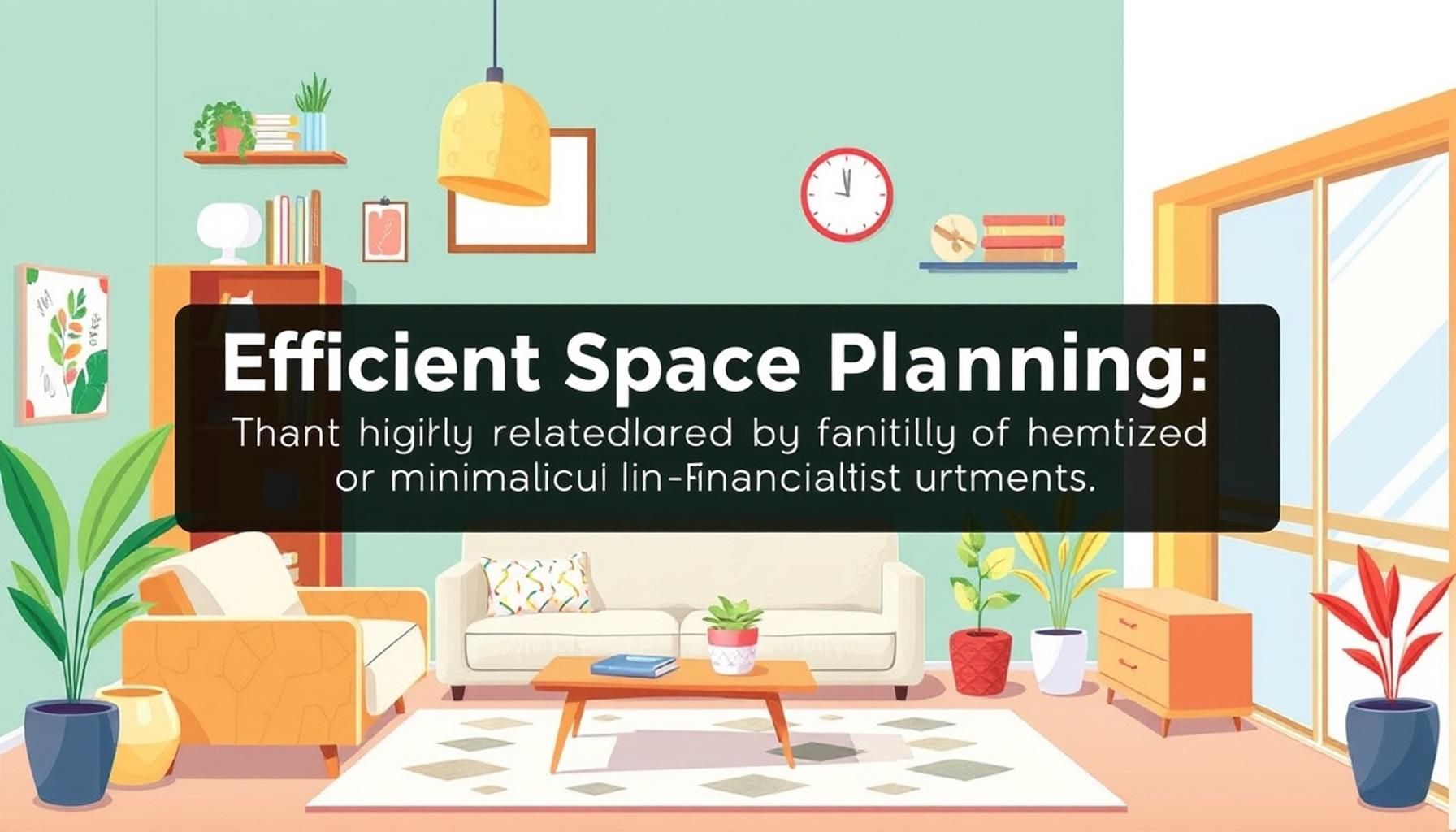
Minimalist Design Principles: Transforming Your Environment for Enhanced Productivity

Understanding the Core Principles of Minimalism
In today’s fast-paced digital age, it is easy to become overwhelmed by constant notifications, visual clutter, and an overstimulating environment. This is where minimalist design principles come into play, offering a pathway to a balanced, more focused lifestyle. By eliminating the excess, we can create spaces that promote creativity, enhance concentration, and ultimately lead us to a greater sense of well-being.
One of the fundamental tenets of minimalist design is simplicity. This principle revolves around the idea that a clean aesthetic can significantly reduce mental clutter. Consider how a workspace devoid of unnecessary decorations may help you maintain focus on the task at hand. For instance, many successful entrepreneurs, like tech giant Apple’s co-founder Steve Jobs, have embraced minimalism in their offices, believing that simplicity fosters clear thinking and innovation.
Another crucial aspect of minimalism is functionality. Every item in a minimalist space should serve a specific purpose, whether it is functional or decorative. The Danish concept of “hygge” embodies this principle by promoting items that bring comfort and joy while being practical. Think of furniture that is not only stylish but doubles as storage; this ability to seamlessly blend function with aesthetic contributes to a clutter-free environment where efficiency thrives.
Open spaces are yet another critical component of minimalist design. Maximizing natural light through unobstructed windows and using airy furniture creates an invigorating atmosphere that can uplift moods and stimulate productivity. An office featuring large windows can incorporate plants that add a touch of nature while improving indoor air quality. Research from the University of California suggests that such well-designed spaces can help lower stress levels, making it easier to concentrate on our professional and personal tasks.
Importantly, adopting minimalist principles does not involve sacrificing style or personality. Instead, it introduces a sense of serenity and intentionality into our daily lives. Picture entering a home where every item resonates with personal values and aspirations, a space where clarity reigns instead of chaos. Minimalism allows for thoughtful choices, transforming not just physical spaces but also mental and emotional states.
This exploration into minimalism holds the promise of redefining various environments, from home offices optimized for telecommuting to creative studios that stimulate innovation. By embracing these principles, anyone can elevate their surroundings and significantly boost productivity. Minimalism invites us to investigate our relationship with our possessions and consider how they enhance or hinder our lives. It beckons us to create spaces that reflect who we are, facilitating a journey toward greater efficiency and tranquility.
Embracing Minimalism: A Roadmap to Productive Spaces
Minimalist design principles are not just aesthetic choices; they represent a fundamental shift in how we engage with our environments. In a society often driven by consumerism, adopting a minimalist approach can seemingly counteract the chaos of endless options and distractions. This lifestyle encourages individuals to strip back their spaces to the essentials, ultimately nurturing a sense of clarity and focus that is invaluable for boosting productivity.
One way to make the transition to a minimalist environment is by implementing the principle of intentionality. Every aspect of your space—whether at home or in the office—should be curated with purpose in mind. This starts with conducting an inventory of your belongings. Ask yourself questions such as:
- Does this item serve a functional purpose?
- Does it evoke joy or inspiration?
- How often do I use this item?
Items that don’t meet these criteria can be considered for donation, recycling, or simply discarding. By intentionally selecting what remains in your space, you open up room for creativity and productivity. Studies have shown that environments filled with clutter can lead to heightened stress levels, making it difficult to concentrate on tasks. In contrast, when you cultivate a space that reflects your values and needs, the mind can function with greater clarity.
Another vital principle is the right balance between style and utility. In minimalist design, aesthetics do not have to be compromised for functionality. Rather, they coexist in harmony. Consider furniture that is not only visually pleasing but serves multiple functions, such as a coffee table that offers storage or a desk that can adjust from sitting to standing. Such designs foster a dynamic environment that encourages productivity while allowing for personal expression. Moreover, when items are designed to be both stylish and functional, they contribute to a more enjoyable atmosphere that can positively impact mood and engagement.
Additionally, color psychology plays a critical role in minimalist design, as colors can influence our emotions and productivity levels. Soft, neutral tones such as whites, creams, and light blues promote calmness and focus, while pops of color can be strategically used to inspire creativity. A well-thought-out color palette not only enhances the aesthetic appeal of a space but can also act as a catalyst for creative thought and problem solving.
In sum, embracing minimalism is about more than just aesthetic choices; it is about creating an environment conducive to productivity, clarity, and well-being. By consciously choosing what to keep, ensuring functional beauty, and applying color strategically, individuals can transform their surroundings into supportive spaces that empower them to achieve their goals. In the subsequent sections, we will delve deeper into how these principles manifest in specific environments and how they can be tailored to suit personal and professional needs.
| Category | Key Features |
|---|---|
| Clarity | Minimized visual clutter enhances focus. |
| Functional Spaces | Each area serves a specific purpose, enhancing workflow. |
| Intentional Design | Design elements selected for their utility promote productivity. |
| Serene Color Palettes | Soft colors reduce stress and distraction. |
Incorporating minimalist design principles into your environment can lead to enhanced productivity by creating spaces that are not only visually appealing but also functionally effective. For instance, reducing visual clutter allows for greater focus, as distractions are minimized. Furthermore, each area within a workspace can be designed with a specific purpose in mind, leading to a natural flow that enhances productivity.The choice of a serene color palette plays a crucial role as well, as soft, muted colors have been shown to reduce stress and promote a calm atmosphere conducive to concentration. Additionally, with intentional design, every element chosen serves a functional purpose, eliminating unnecessary items and ensuring that the workspace remains organized and efficient. Adopting these principles not only transforms physical spaces but also positively influences mental clarity and efficiency, making minimalist design a valuable approach in the pursuit of enhanced productivity.
Streamlining Spaces: The Power of Decluttering and Organization
Moving deeper into the minimalist ethos, another crucial aspect involves decluttering and organizational strategies that can create a more productive environment. Decluttering transcends mere tidiness; it is an ongoing process that promotes mental well-being and efficiency. Research has indicated that clutter not only distracts individuals but can also impede memory and decision-making abilities. Therefore, taking the time to consistently evaluate the items in your space is essential for maintaining a productive atmosphere.
One practical method to implement decluttering is the renowned KonMari Method, popularized by Marie Kondo. This approach encourages individuals to ask themselves whether an item “sparks joy.” Should the answer be no, the item can be relinquished without guilt. This philosophy is particularly effective because it engages emotional attachment, making the decision-making process more profound and meaningful. Adopting such methods can fundamentally alter one’s relationship with material possessions, leading to greater psychological freedom and enhanced productivity.
The concept of zoning your workspace is another design principle that complements minimalism effectively. Zone your environment by assigning areas for specific activities such as work, relaxation, and creativity. For example, if you work from home, consider having a dedicated desk for professional tasks, separate from spaces for leisure or social interaction. This physical separation can create a psychological barrier that fosters focus and concentration. By establishing clearly defined zones, you can facilitate an easier transition between different activities, which ultimately helps regulate workflow and improve productivity.
Moreover, the importance of natural elements in minimalist design cannot be overlooked. Integrating plants, natural light, and organic materials can enhance the overall ambiance of a space. Studies have shown that exposure to nature has a calming effect and can significantly reduce stress levels, contributing to heightened productivity. For instance, placing a succulent on your desk or investing in large windows that invite natural light can create a more invigorating environment, encouraging the mind to think expansively.
Additionally, utilizing technology wisely is a crucial component of contemporary minimalist spaces. In this digital age, our physical and digital environments often become cluttered due to an overload of information and notifications. Tools such as project management applications, note-taking software, and automated reminders can be extraordinarily effective in streamlining tasks and reducing mental clutter. However, it’s crucial to establish boundaries with technology; minimizing unnecessary alerts and opting for focused work sessions can enhance concentration and collaborative efforts.
Finally, the notion of adaptability is intrinsic to the minimalist design framework. As our needs and goals evolve, so too should our environments. Regularly reassessing your space can lead to the discovery of more efficient layouts or alternative design elements that better align with your current objectives. Whether it’s rearranging furniture for optimal workflow or integrating new decor that aligns more closely with your personal or professional aspirations, a commitment to adaptability allows for continuous improvement in your environment.
As we explore these advanced principles, it becomes clear that minimalism is not a static doctrine but a dynamic methodology aimed at enhancing productivity by transforming spaces into habitats tailored for growth, creativity, and focus. Through effective decluttering, smart zoning, natural integration, judicious use of technology, and adaptability, individuals can harness the profound benefits of minimalist design in their daily lives.
Conclusion
In exploring the transformative power of minimalist design principles, it’s clear that our environments significantly influence our productivity and mental clarity. By embracing decluttering and adopting organizational strategies such as the KonMari Method, we not only clear our physical spaces but also free our minds from distractions. The intentional zoning of workspaces further heightens efficiency by fostering a better focus, allowing individuals to transition seamlessly between tasks.
Integrating natural elements, like plants and adequate lighting, is another essential aspect that promotes a soothing atmosphere, which research has shown can enhance overall productivity and well-being. In an era dominated by technology, striking a balance and using digital tools judiciously can streamline our workflows while mitigating information overload. It’s crucial to establish boundaries, ensuring our tech serves us, rather than overwhelms us.
Finally, the principle of adaptability in minimalist design cannot be overstated. As life and work conditions evolve, so should our environments. Regular assessments and adjustments lead to more efficient spaces tailored to our needs, enhancing our capacity for innovation and focus. By adopting these minimalist principles, we can create environments that not only support productivity but also nurture our personal growth.
As you consider integrating minimalism into your own space, remember that the journey is not just about aesthetics; it’s a commitment to a lifestyle that values efficiency, clarity, and peace of mind. The next steps lie within your reach—take the plunge into minimalism and enjoy the benefits of a more productive, harmonious environment.
Related posts:
Smart Storage Solutions: Innovative Ideas for Efficient Minimalist Spaces
Maximizing Small Spaces: Creative Solutions for Minimalist Living
Utilizing Vertical Space: Innovative Storage Solutions for Small Areas
Digital Minimalism: Organizing Your Virtual Space for Maximum Efficiency
The Psychology of Minimalism: Enhancing Productivity in an Efficient Environment
Eco-Friendly Minimalism: Creating Efficient Spaces with Sustainable Practices

Beatriz Johnson is a seasoned minimalist and writer with a passion for simplifying the complexities of personal organization and decluttering. With over a decade of experience in the field, she specializes in topics like minimalist living, efficient organization strategies, and creating intentional spaces. Through her work, Beatriz empowers readers to make mindful decisions about their belongings, streamline their lives, and embrace a more organized and fulfilling lifestyle.