The Art of Decluttering: How to Create an Efficient Space in Your Home
Embrace a Clutter-Free Lifestyle
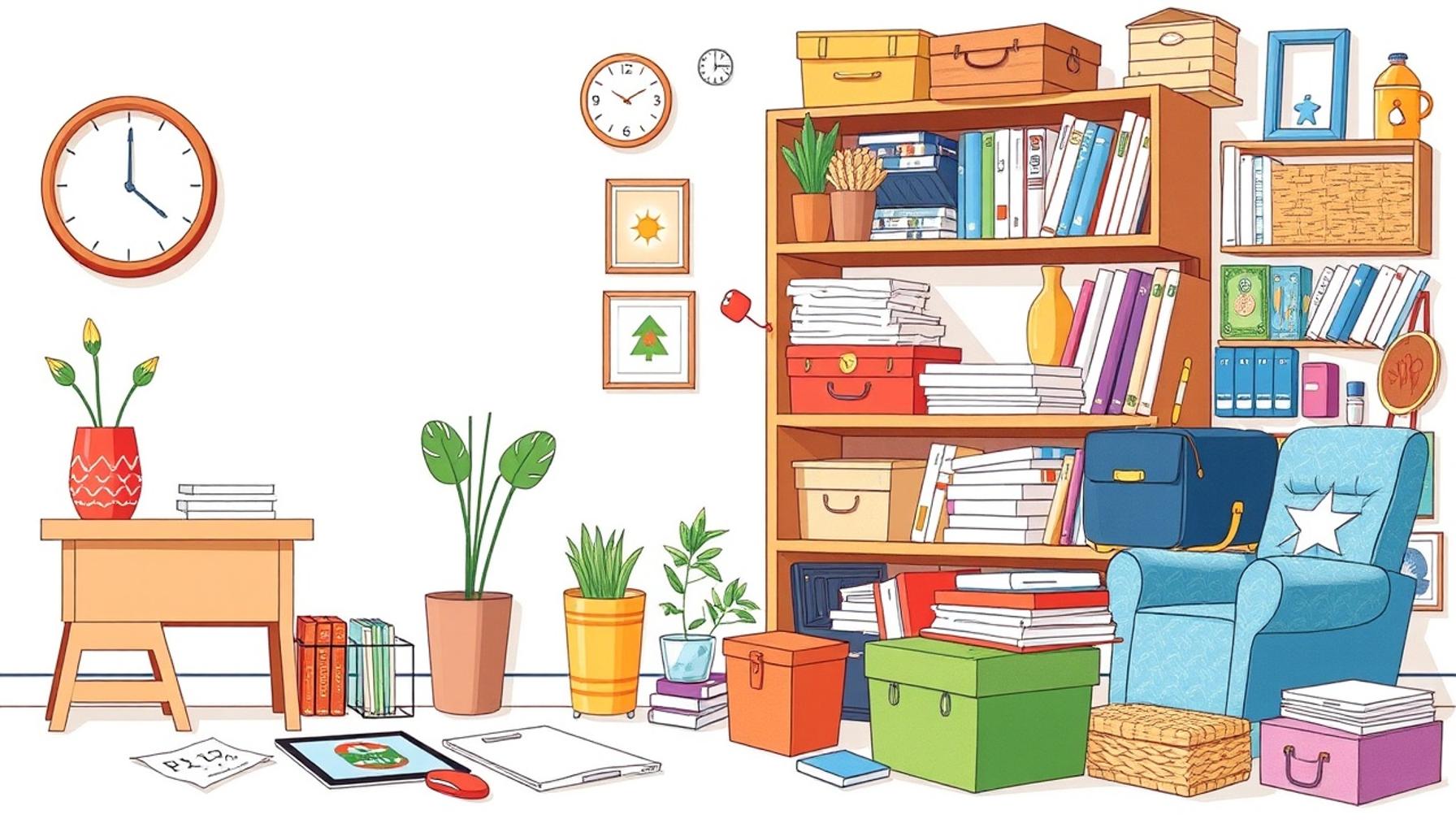
Living in a crowded space can feel overwhelming and stressful. Decluttering is not just about tidying up; it’s an art that transforms your home into an efficient sanctuary. Whether you’re feeling the weight of accumulated belongings or simply want a fresh start, this guide will illuminate your path to a more organized life.
Why Declutter?
- Improved Focus: A clean space enhances your ability to think clearly. Research suggests that 75% of Americans report feeling more productive when their environment is organized. This heightened efficiency can lead to greater creativity and decision-making capacity.
- Increased Productivity: Fewer distractions lead to higher efficiency. Studies have shown that clutter can hinder our ability to concentrate, diverting attention from the task at hand. By eliminating unnecessary items, you can create a streamlined work environment that fosters productivity.
- Stress Reduction: A tidy environment promotes a sense of calm. Multiple psychological studies indicate that individuals living in cluttered spaces often experience higher levels of anxiety; conversely, a well-organized space can evoke feelings of tranquility and control.
When you decide to declutter, you embark on a journey filled with discoveries. It’s a chance to reassess what possessions truly add value to your life and which simply take up space. Consider the emotional attachments we often have to items—sometimes, letting go can be liberating and provides an opportunity for personal growth.
Key Steps in Decluttering
- Evaluate: Take stock of your belongings and identify what is essential. Don’t be afraid to ask yourself tough questions about what you truly need. For instance, if you haven’t used an item in over a year, it might be time to say goodbye.
- Set Goals: Establish clear objectives for your decluttering process. Are you aiming for a minimalist lifestyle or just a more organized living space? Setting tangible goals can help keep you motivated and focused on the task ahead.
- Start Small: Focus on one area at a time to avoid feeling overwhelmed. Begin with a drawer or a single room to create momentum. This approach not only makes the process manageable but also allows you to celebrate small victories along the way.
This transformative process doesn’t just clear your space; it also clears your mind. Individuals often find that after decluttering, they experience a renewed sense of purpose and clarity. Join us as we delve deeper into the art of decluttering and learn how to create a space that works for you. From understanding storage solutions to exploring the philosophy of minimalism, embracing a clutter-free lifestyle truly opens the door to a more fulfilling existence.
DIVE DEEPER: Click here to discover more about creating healthy living spaces
Understanding the Emotional Attachments
Before diving into the practical aspects of decluttering, it is essential to understand the emotional attachments we form with our belongings. Each item in our home often tells a story and holds memories, making it difficult to part with them. However, recognizing that these items no longer serve a purpose in our lives can be the breakthrough you need to initiate the decluttering process. A study by psychologists has shown that our possessions can become linked to our self-identity, creating a psychological barrier when it comes to letting go. This connection can make the decluttering process less about what to toss and more about understanding oneself.
Developing a Decluttering Mindset
The journey to an efficient home begins with cultivating a decluttering mindset. Here are some essential principles to adopt:
- Mindfulness: Encourage mindfulness during the decluttering process. Take a moment to assess how each item makes you feel. Does it spark joy or weigh you down?
- Intentionality: Every item you decide to keep should serve a purpose or bring you happiness. Adopt a policy of intentionality, ensuring that your space reflects who you are and what you value.
- Appreciation: Instead of viewing decluttering as a sacrifice, approach it with appreciation. Thank the items for their service before letting them go. This acknowledgment can make parting easier.
Common Decluttering Strategies
Now that you’ve developed the right mindset, it’s time to put strategies into action to achieve a clutter-free environment. Here are several effective methodologies:
- The KonMari Method: Popularized by Marie Kondo, this technique focuses on keeping items that “spark joy.” Start with categories instead of rooms, which can help streamline the process.
- The 4-Box Method: Prepare four boxes labeled as “Keep,” “Donate,” “Sell,” and “Trash.” As you declutter, sort your items accordingly. This method provides a clear framework for decision-making.
- The One-In, One-Out Rule: To maintain a clutter-free space, commit to getting rid of one item for every new item that enters your home. This approach balances acquisition and decluttering, preventing accumulation.
Each of these strategies can be molded to fit your personal preferences and needs. They are not one-size-fits-all solutions; instead, consider experimenting with them to find a blend that resonates with your lifestyle. Remember, the goal is not merely to clear out physical space but to create an environment that reflects your aspirations, values, and style.
The art of decluttering prepares you not just for a more organized home, but for a life filled with purpose and clarity. By understanding your emotional attachments and utilizing effective strategies, you are already on the path to creating an efficient and harmonious living space.
The Art of Decluttering: How to Create an Efficient Space in Your Home
In the journey towards creating an efficient space in your home, understanding the importance of organization cannot be overstated. By adopting effective decluttering methods, homeowners can transform their living spaces into harmonious environments that reflect personal peace and functionality. Let’s delve into some key strategies to bring order to the chaos.
Identifying Clutter Hotspots
The first step in your decluttering journey is to pinpoint areas of your home that tend to accumulate clutter. These hotspots often include kitchens, living rooms, and bedrooms. Walk through your home and take note of spaces that cause stress or seem unmanageable. Once identified, dedicating time to tackle these zones one at a time can make the process more manageable and less overwhelming.
Establishing a Decluttering Schedule
Creating a decluttering schedule is essential for maintaining consistency. Break down tasks by room or category and assign specific timeframes for each. For example, dedicate a Saturday morning to clearing out your closet and another afternoon to sorting through the garage. Consistency develops a habit, ensuring your space remains organized well beyond your initial effort.
Sorting and Categorizing Items
Once you’ve begun the decluttering process, sorting items into specific categories is critical. Use the widely recognized “Four-Box Method”: Keep, Donate, Trash, or Relocate. This method not only streamlines your decision-making process, but it also provides a clear pathway for moving unwanted items out of your space and into their proper places.
Benefits of a Clutter-Free Environment
Decluttering offers numerous advantages that extend beyond mere aesthetics. Research indicates that a clear environment positively impacts mental health by reducing anxiety and enhancing focus. With fewer distractions, individuals can concentrate better on daily tasks, leading to increased productivity and overall satisfaction with their homes.
| Advantage | Details |
|---|---|
| Increased Productivity | A clutter-free space enhances focus and efficiency, allowing for smoother daily routines. |
| Improved Mental Clarity | A tidy environment contributes to a calm mindset, reducing anxiety and promoting relaxation. |
As you proceed with decluttering, remember that the goal is not just to eliminate items, but to cultivate a space that serves you best. Every small step forward leads to a more organized home and a better quality of life.
DISCOVER MORE: Click here for tips on creating your ideal home office
Creating Efficient Spaces: Practical Tips for Decluttering
After embracing the emotional aspects and developing a decluttering mindset, the next step involves specific actions that can transform your space into an efficient and functional environment. The approach to decluttering varies depending on personal preference and lifestyle, but certain practical tips can yield significant results in creating an organized home.
Room-by-Room Approach
One effective strategy is to tackle the decluttering process room by room. This method allows for concentrated focus, making it easier to see progress and manage motivation. Start with a room that feels most overwhelming, or perhaps the one you use most, as this can provide quick wins and maintain your momentum. Prioritize key spaces such as the kitchen, living room, and bedroom, where clutter tends to accumulate the fastest.
Decluttering in Short Bursts
Consider setting aside just 15-30 minutes each day for decluttering. This practice can prevent burnout and makes the task seem less daunting. Use a timer and concentrate solely on decluttering during this time. By breaking the task into smaller chunks, you’re more likely to maintain your progress and feel accomplished without becoming overwhelmed. This can also be a sustainable habit, allowing for gradual growth in your decluttering efforts.
Implementing Smart Storage Solutions
Once you’ve sifted through your items, the next challenge is finding suitable storage. Utilize smart storage solutions that maximize space and keep your belongings organized. Opt for multi-functional furniture like ottomans that double as storage or beds with drawers underneath. Consider wall-mounted shelves to display your favorite items while keeping surfaces clutter-free. In closets, clear bins can help categorize and declutter; labeling these bins aids in easy retrieval of items, reducing time spent searching.
Digital Decluttering
In a digital age, physical clutter is often paralleled by digital clutter. Take the time to declutter your digital space by organizing emails, deleting files, and setting up folders on your devices. Establish a routine for managing your digital assets, as a clutter-free computer or phone can bring as much peace as a decluttered living room.
Seeking Help and Resources
Don’t hesitate to call in help if needed. Family members or friends can offer new perspectives and support when making tough decisions about what to keep or toss. If the task feels too overwhelming, consider consulting a professional organizer who specializes in decluttering. These experts can provide tailored guidance and techniques suited to your personal style and needs, ensuring you stay engaged throughout the process.
It’s also worth exploring external resources for inspiration. Books, blogs, and online communities focused on decluttering can provide fresh ideas, motivation, and a sense of camaraderie with others who are on a similar journey towards simplicity.
Embracing these practical strategies allows you not only to clear physical clutter but also to cultivate a lifestyle that prioritizes efficiency and organization. With each step taken towards decluttering, you are inching closer to a space that aligns with your identity, fostering a refreshing sense of calm and creativity.
DIVE DEEPER: Click here to learn how to create an efficient virtual space
Conclusion: Embracing the Art of Decluttering
In conclusion, the art of decluttering is not merely about tossing items aside; it is a transformative journey toward creating a home that invigorates your life and enhances your well-being. By implementing a room-by-room strategy, allocating short bursts of time for organization, and utilizing smart storage solutions, anyone can achieve a streamlined living space. Moreover, the significance of addressing digital clutter cannot be overlooked, as our lives become increasingly intertwined with technology. A clutter-free environment—both physical and digital—fosters clarity and tranquility, allowing you to focus on what truly matters.
Remember, decluttering is a personalized process that reflects your unique style and needs. Don’t shy away from seeking help, whether from friends, family, or professional organizers, to navigate this journey. There are countless resources out there—books, blogs, and online forums—that can offer guidance and community support, bringing you further along your path to simplicity.
As you embrace these strategies, you are not just clearing out unwanted items; you are making space for new opportunities, creativity, and peace of mind. Let your decluttering journey be a catalyst for a lifestyle that prioritizes efficiency, intentionality, and joy in every facet of your home. Explore these avenues, and you may discover that your newly organized space holds the potential to elevate your everyday living experience, setting the stage for a more fulfilling and enriched life.
Related posts:
The Art of Decluttering: Creating an Efficient Space with Minimalism
Digital Minimalism: Creating an Efficient Virtual Space for Better Organization
Creating a Capsule Wardrobe: Streamlining Your Closet for Efficient Space Use
Embracing the Minimalist Kitchen: Strategies for Efficient Space Utilization and Organization
Utilizing Vertical Space: Innovative Storage Solutions for Small Areas
The Psychology of Minimalism: Enhancing Productivity in an Efficient Environment

Beatriz Johnson is a seasoned minimalist and writer with a passion for simplifying the complexities of personal organization and decluttering. With over a decade of experience in the field, she specializes in topics like minimalist living, efficient organization strategies, and creating intentional spaces. Through her work, Beatriz empowers readers to make mindful decisions about their belongings, streamline their lives, and embrace a more organized and fulfilling lifestyle.