Impact of Conscious Consumption on Mental Health and Well-Being in a Minimalist Lifestyle
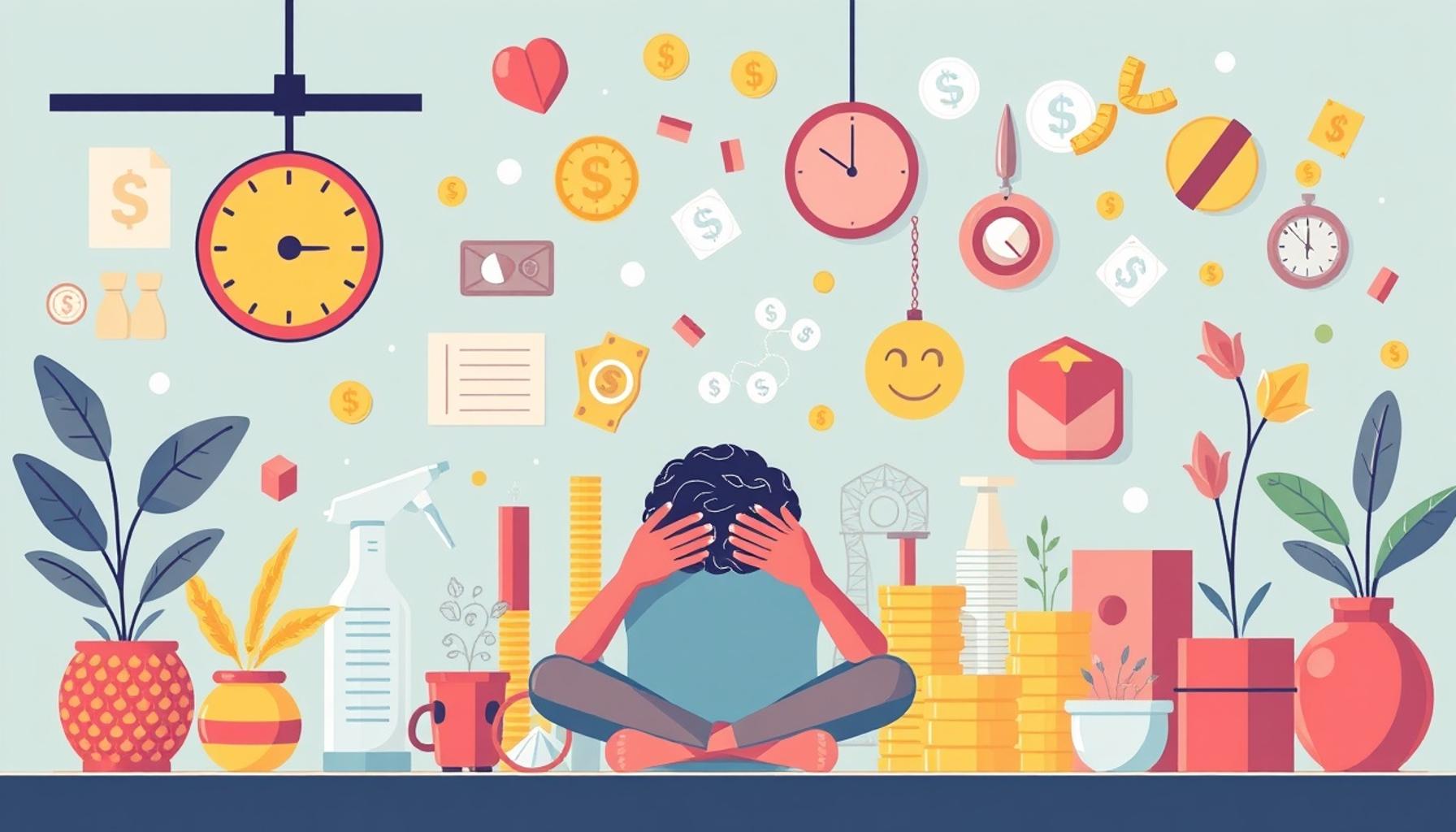
Understanding the Impact of Conscious Choices on Daily Life
In a landscape overwhelmed by consumerism—where advertisements beckon from every corner and shopping sprees are a common pastime—the idea of conscious consumption offers a crucial alternative. This paradigm encourages individuals to think critically about their purchases, aligning them with their core values and fostering a greater sense of purpose in their lives. As people seek simplicity and intentionality, the trend of embracing a minimalist lifestyle gains traction. This movement aims not just at decluttering physical environments but also at enhancing mental clarity and emotional wellness.
- Intentional Spending: This principle emphasizes considering how each purchase aligns with personal values. For instance, one might choose to buy from local artisans rather than mass-produced goods, supporting community economies while enhancing their personal connection to the items they acquire.
- Emotional Benefits: Studies have shown that accumulating fewer possessions can significantly reduce feelings of anxiety and stress. A minimalist home can provide a serene sanctuary that allows individuals to feel relaxed and focused, rather than overwhelmed by clutter and distractions.
- Environmental Awareness: Conscious consumption often leads to more sustainable choices. For example, opting for eco-friendly products or second-hand goods not only lessens one’s carbon footprint but also fosters a sense of satisfaction knowing that they are contributing to the planet’s wellbeing.
The direct relationship between consumption habits and emotional health is becoming clearer through various studies. The act of simplifying one’s surroundings has been linked to improved focus and enhanced emotional stability. By weaving together the principles of minimalism with conscious consumption, individuals can chart a clearer path toward personal well-being, one choice at a time.
What to Expect?
This exploration into conscious consumption aims to highlight how even small adjustments in buying habits can lead to significant improvements in quality of life. Reducing the overwhelming presence of clutter in one’s environment not only fosters a more organized space but also promotes feelings of accomplishment and ease. Moreover, embracing a conscious consumption approach can elevate personal fulfillment, as individuals find joy in valuing experiences and relationships over material possessions.
Join us as we delve deeper into practical strategies that can help you embark on this transformative journey. Whether it’s implementing new shopping habits, engaging in sustainable practices, or learning to appreciate what you already own, each step leads to a richer, more intentional mental landscape, ultimately enhancing both your mental health and overall sense of well-being.
DON’T MISS: Click here to discover minimalist design principles
Embracing Minimalism: The Link Between Consumption and Emotional Health
As the journey towards a minimalist lifestyle unfolds, individuals often discover that their mental health is intricately connected to their consumption habits. The conscious effort to align one’s purchasing decisions with personal values fosters a more intentional way of living, creating ripples that can positively affect emotional well-being. By understanding the impact of these choices, one can cultivate an environment that enhances clarity, peace, and ultimately, happiness.
Individuals who engage in conscious consumption report a heightened sense of control over their lives and decision-making processes. This control emerges when each purchase is carefully considered, taking into account how it contributes to or detracts from one’s overall happiness and quality of life. Engaging in mindfulness while shopping—being present in the moment and acknowledging the motivations behind each purchase—leads to greater satisfaction with fewer possessions. As a result, the act of purchasing evolves from a mindless routine into a meaningful part of one’s personal narrative.
- Decluttering for Clarity: Removing excess possessions from one’s life does not merely create a visually pleasing space; it fosters mental clarity. Research has shown that environments cluttered with items can lead to increased stress and anxiety. By simplifying surroundings, individuals often experience a sense of liberation, allowing them to focus on what truly matters in their lives.
- Building Connections: Conscious consumption encourages deeper relationships with the products we own. By investing in quality goods from local artisans or sustainable sources, individuals find fulfillment in knowing their purchases support ethical practices. This connection enhances their emotional bond with these items, eventually morphing into a more meaningful relationship with their environment.
- Mindfulness and Gratitude: The practice of conscious consumption can cultivate a sense of mindfulness and gratitude. By acknowledging the effort that goes into produce and products, individuals become more appreciative of what they own. This gratitude can contribute to a more positive outlook on life and reduce feelings of loneliness and dissatisfaction.
The psychological benefits of aligning spending habits with personal values extend beyond individual consumers. As people engage more consciously in their purchasing decisions, they also influence societal trends, shifting demand towards sustainable and ethically-sourced products. This collective movement towards conscious consumption can create a stronger sense of community and shared values, reinforcing social bonds essential for emotional well-being.
Furthermore, studies indicate that those who embrace a minimalist lifestyle often report feelings of contentment and fulfillment that surpass traditional markers of success, such as wealth and possessions. By fostering a mindset focused on quality over quantity, individuals can experience heightened mental clarity and emotional stability, leading to improved overall well-being.
As we transition into the next part of this exploration, we will uncover practical strategies for individuals looking to implement conscious consumption practices into their daily lives. From mindful shopping techniques to sustainable practices, each strategy contributes to a broader understanding of how our choices impact not just our personal well-being but also the communities we inhabit.
| Category | Impact Description |
|---|---|
| Emotional Clarity | Conscious consumption fosters a clearer understanding of personal values and emotional needs, leading to enhanced mental clarity. |
| Stress Reduction | Minimalism promotes a decluttered environment, which is linked to lower stress levels and improved focus, paving the way for better mental health. |
| Eco-Friendly Choices | Being mindful of consumption leads to sustainable choices that nurture a connection to the environment, enhancing emotional well-being through a sense of purpose. |
Conscious consumption and a minimalist lifestyle significantly contribute to an individual’s mental health, as these practices encourage individuals to make intentional and thoughtful decisions about their purchases and lifestyle choices. By focusing on quality over quantity, individuals can create an environment that reflects their true desires and values, thus promoting a sense of fulfillment and vision.As more people adopt this mindset, they may experience unexpected benefits such as improved relationships and enhanced self-esteem. The shift towards minimalism challenges societal standards of consumerism, allowing individuals to prioritize what genuinely brings them joy. This emerging trend of valuing experiences over possessions could lead to a more enriched and satisfying lifestyle, as it invites individuals to explore deeper connections both with themselves and with others.
DISCOVER MORE: Click here to learn about creating a mindful living space
Transforming Daily Routines: Practical Steps Towards Conscious Consumption
Incorporating conscious consumption into daily routines requires a thoughtful approach, where individuals can assess how their habits align with their minimalist goals. By implementing tangible strategies, consumers can further enhance their mental health and emotional well-being while building a more sustainable lifestyle. The following practical steps can guide personal transformation towards a minimalist mindset.
- Practice Mindful Shopping: Before making a purchase, individuals can adopt the “24-hour rule,” which encourages waiting a day before buying anything non-essential. This practice allows time to consider whether the item truly adds value to their lives or supports their minimalist principles. Additionally, developing a shopping list before going out can minimize impulse buys and ensure that only necessary and meaningful items are acquired.
- Engage in the “One In, One Out” Principle: To maintain the minimalist ethos, individuals can commit to removing one item from their possession for every new item acquired. This practice not only manages clutter effectively but also instills a sense of intentionality regarding what is brought into one’s living space. Over time, this approach can lead to a more curated collection of belongings, fostering a deeper appreciation for the items that remain.
- Support Local and Sustainable Brands: By choosing to invest in products from local artisans or companies with sustainable practices, individuals can reinforce their commitment to ethical consumerism. This not only promotes environmental well-being but also nurtures a connection to community, enhancing one’s sense of belonging and purpose.
- Digital Detox: The digital realm often contributes to feelings of overwhelm and comparison. By applying the principles of conscious consumption to technology usage, individuals can limit screen time and engage more mindfully with digital content. Curating social media feeds to reflect positivity and inspiration can significantly improve mental health, leading to a more peaceful and focused mindset.
Moreover, integrating conscious consumption into meal planning and dietary choices can yield significant benefits. Emphasizing whole foods, locally sourced ingredients, and minimizing food waste not only nourishes the body but also aligns with minimalist values. Such mindful eating practices can foster a deeper connection to food, enhancing appreciation for meals, and consequently elevating overall well-being.
Additional research has uncovered the mental health benefits associated with minimalism. According to a study published in the Journal of Environmental Psychology, individuals who practice minimalism report increased happiness levels and lower stress reactions when their environments reflect their values. This reaffirmation of personal beliefs through conscious consumption nudges individuals towards a lifestyle that celebrates simplicity, thereby enhancing emotional resilience.
As this journey continues, it becomes evident that embracing conscious consumption involves much more than merely reducing material possessions; it encompasses a holistic approach to life itself. Each choice, whether related to purchases or daily habits, serves as an opportunity to reinforce one’s commitment to a more intentional and fulfilling lifestyle. By taking these steps, individuals can pave the way for improved mental health and a fortified sense of well-being, transforming their relationship with the world around them.
DISCOVER MORE: Click here to learn how simplified living can transform your retirement
Conclusion
In summary, the exploration of the impact of conscious consumption on mental health and well-being within a minimalist lifestyle reveals a transformative pathway towards a more fulfilling existence. By prioritizing intentional choices, individuals can cultivate a deeper appreciation for their surroundings while simultaneously reducing stress and enhancing emotional resilience. The synergy between conscious consumption and minimalism lays the foundation for a lifestyle that values quality over quantity, evoking a sense of purpose and clarity that many modern consumers find lacking.
Implementing practical strategies, such as mindful shopping, the “one in, one out” principle, and supporting local sustainable brands, enables consumers to align their acquisitions with their personal values. This not only paves the way for improved mental health but also fosters relationships with community and environment, nurturing a sense of belonging that is often overlooked in the fast-paced digital age. Moreover, a digital detox and conscious eating habits encourage individuals to engage mindfully with themselves and their surroundings, further enhancing mental clarity and overall well-being.
As more people embrace minimalist approaches, it is crucial to recognize the profound effects that conscious consumption can have on mental health. Research supports that a simplified lifestyle can lead to increased happiness and reduced anxiety, underscoring the need for continued exploration of these practices. Ultimately, the journey towards conscious consumption is not merely about decluttering spaces; it is about enriching lives and nurturing a thriving mindset, underscoring the importance of making informed choices that resonate with one’s core values.
Related posts:
Mindful Consumption and the Importance of Quality over Quantity in Daily Life
Mindful Consumption and the Practice of Gratitude: How Appreciation and Conscious Consumption Can Co...
Mindful Consumption Practices to Organize Your Minimalist Life
Mindful Consumption: Transforming Consumption into a Personal Growth Experience
Mindful Consumption and the Importance of Quality over Quantity: How Conscious Choices Can Improve O...
How Conscious Consumption Can Increase Creativity in a Minimalist Lifestyle

Beatriz Johnson is a seasoned minimalist and writer with a passion for simplifying the complexities of personal organization and decluttering. With over a decade of experience in the field, she specializes in topics like minimalist living, efficient organization strategies, and creating intentional spaces. Through her work, Beatriz empowers readers to make mindful decisions about their belongings, streamline their lives, and embrace a more organized and fulfilling lifestyle.