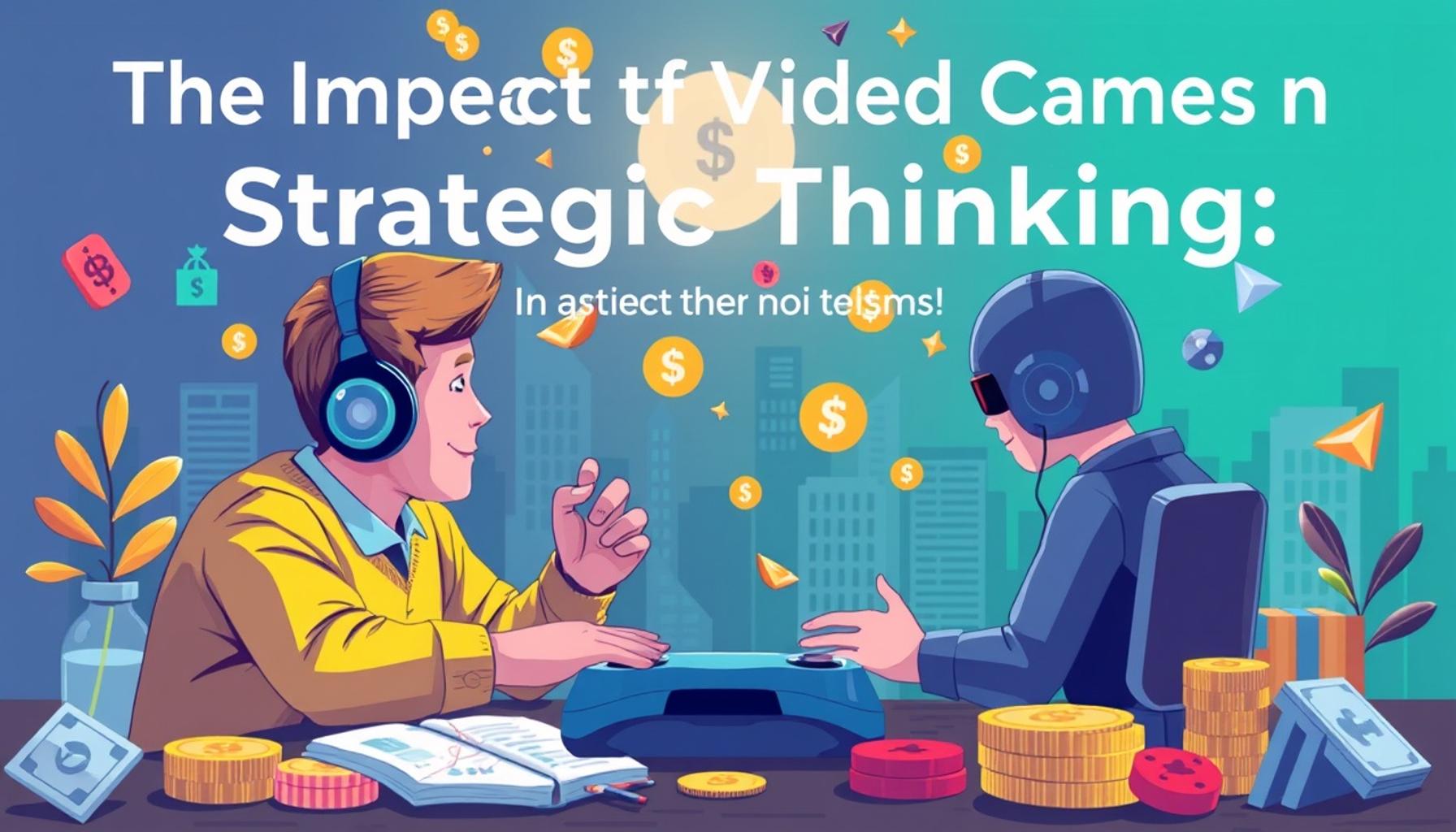
The Impact of Video Games on Strategic Thinking: Lessons from Competitive Play
The Impact of Gaming on Cognitive Skills
Video games have transcended mere entertainment; they are now recognized as tools for enhancing strategic thinking. Competitive play challenges gamers to apply critical thinking skills in fast-paced and often unpredictable environments, serving as a unique training ground for these essential abilities. As technology continues to evolve, so too does the complexity and potential of video game mechanics, drawing in players from diverse backgrounds and fostering a new breed of strategic thinkers.
Through various genres, players experience invaluable lessons that extend beyond the confines of virtual landscapes. Here are a few key areas where gaming demonstrates its capacity to sharpen strategic acumen:
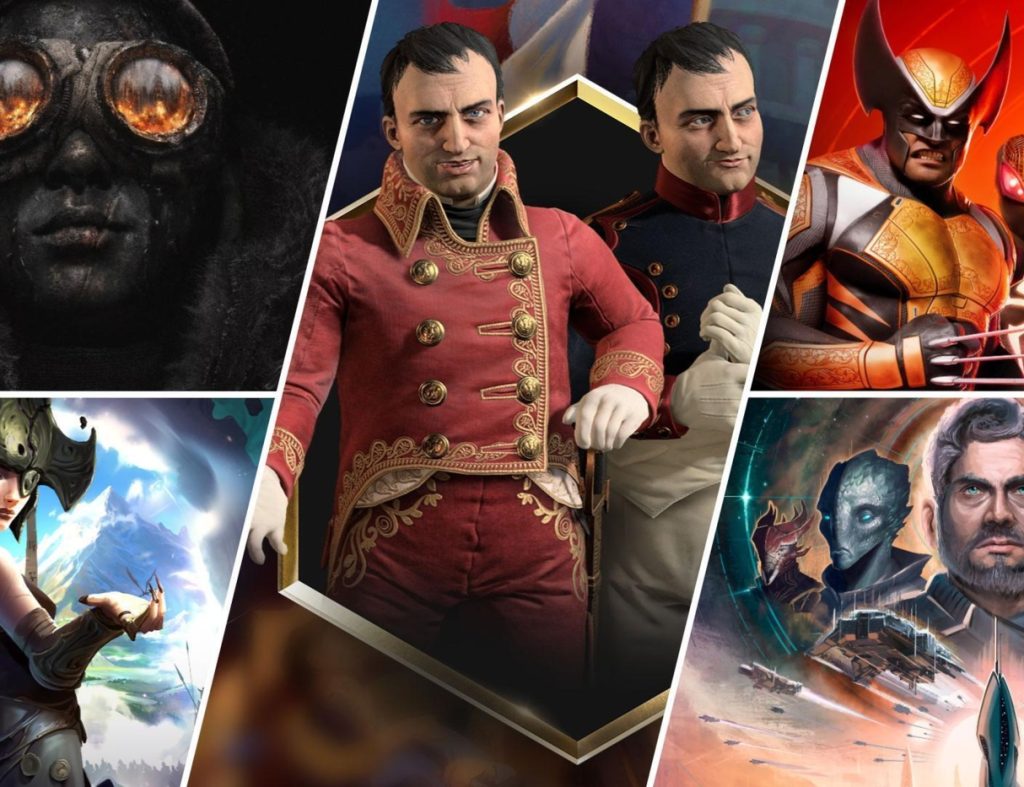
- Resource Management: Games like *StarCraft* and *Civilization* demand efficient use of resources to build an empire and outsmart opponents. Players learn to make decisions based on limited information, strategizing their economic and military power in real-time. This mirrors scenarios in business where resource allocation can determine the success or failure of an initiative.
- Situational Awareness: Titles such as *Fortnite* and *PUBG* teach players to adapt and respond to ever-changing battlegrounds. Gamers must quickly assess their surroundings, anticipate enemy movements, and adjust tactics on the fly. This skill translates into high-pressure environments like emergency response or military operations, where situational awareness can mean the difference between success and failure.
- Team Coordination: Multiplayer experiences in games like *League of Legends* emphasize the importance of collaboration and communication among team members. Players must understand their own roles and how they relate to others, developing strategies that require seamless teamwork. This cooperative spirit is essential for success in myriad team-based workplaces, illustrating the principles of collaboration vital in today’s corporate and social landscapes.
Recent studies have highlighted the cognitive benefits derived from these gaming experiences. For instance, a study from the University of Essex indicates that playing strategy games can improve problem-solving abilities by up to 30%. Furthermore, research from the American Psychological Association suggests that regular gaming can enhance cognitive flexibility, enabling players to switch between tasks efficiently and solve problems more creatively.
As competitive gaming continues to grow in the United States, with the rise of esports and professional tournaments, researchers are increasingly curious about its cognitive benefits. Landmarks like the *League of Legends Championship Series* not only showcase elite gaming talent but also provide a relevant case study in strategic thinking under pressure.
This article delves into the profound impact of video games on strategic thinking, offering insights into the lessons learned from competitive play. By exploring these interactive digital experiences, we can better understand their role in shaping the next generation of thinkers and problem-solvers, poised to tackle the challenges of tomorrow.
EXPLORE MORE: Click here to dive deeper
Strategic Insights from Competitive Gaming
The competitive gaming landscape is more than just pixels on a screen; it is an arena where strategic thinking comes to life. In this digital battleground, players are not merely playing—they are engaging in a dance of intellect, resourcefulness, and teamwork that translates directly into real-world applications. By dissecting the strategic elements inherent in video games, we can uncover valuable insights that can be applied to various fields, including education, business, and even personal development.
At the heart of this strategic play lies the concept of adaptive problem-solving. Gamers are frequently faced with intricate challenges that require quick thinking and adaptability. This necessitates a mental flexibility that is crucial in a world characterized by rapid change and fluctuating circumstances. For instance, in games like *Dota 2*, players must rapidly alter their strategies based on the evolving dynamics of the game, such as the strengths and weaknesses of their opponents. This mirrors real-life situations where professionals must pivot and adjust their plans in response to new information or unexpected challenges.
Another compelling aspect of competitive gaming is the emphasis on long-term strategy versus immediate outcomes. Many games often juxtapose short-term gains with long-term objectives. Players in *Civilization VI*, for example, must balance immediate tactical victories against their overarching goals of empire-building and resource expansion. This duality teaches players the importance of foresight and strategic planning, highlighting how decisions made today can shape future outcomes—a lesson that resonates strongly in business strategy and project management.
To further understand the cognitive impacts of gaming, we can consider the following critical skills that players develop through competitive play:
- Critical Thinking: Engaging in strategic games demands high-level critical thinking capabilities, as players assess options and predict the consequences of their actions.
- Decision-Making Under Pressure: Tournaments like *Overwatch League* require players to make split-second decisions in high-stakes situations, cultivating a sense of decisiveness that can be invaluable in fast-paced careers.
- Analytical Skills: Players often analyze their own gameplay and that of others to identify patterns and improve their strategies, sharpening their analytical skills along the way.
- Inhibition Control: Many competitive games reward strategic restraint—encouraging players to hold off on aggressive maneuvers until the opportune moment arises, a skill directly applicable in negotiation settings.
As video games continue to grow in complexity, the lessons extracted from these experiences become increasingly relevant. The cognitive skills honed in competitive gameplay not only enhance players’ strategic thinking abilities but also equip them with the mental tools necessary to navigate the challenges that exist beyond gaming. With the substantial investment made in the $1 billion esports industry, the importance of cultivating strategic thinkers through gaming experiences cannot be overstated. As we delve deeper into the effects of these virtual contests, we reveal how they might shape the minds of future leaders and innovators.
| Category | Key Features |
|---|---|
| Problem-Solving Skills | Video games require players to navigate complex challenges, enhancing their ability to think critically and devise strategic solutions. |
| Team Collaboration | Many competitive games promote teamwork, teaching players to communicate effectively and coordinate strategies with their peers. |
| Adaptability | In dynamic gaming environments, players must quickly adjust their strategies based on opponents’ actions, fostering flexibility in thinking. |
| Resource Management | Through the allocation of resources in games, players learn to make effective decisions under pressure, optimizing outcomes based on available assets. |
Engaging in competitive video games goes beyond mere entertainment; it is an interactive arena that exercises and hones various cognitive skills. Each session in a multiplayer match not only demands quick reflexes but also the ability to forge and execute complex strategies, leading to amplified strategic thinking. Players find themselves in situations where they must anticipate opponents’ moves, analyze their own positions, and adapt strategies accordingly. Moreover, the social aspect of many competitive games fosters collaboration and communication skills, which are crucial for success not just in gaming but in real-world scenarios as well. The lessons learned through these engagements form a unique blend of skill sets that can be leveraged in various professional contexts, ultimately demonstrating that the impact of video games extends well into personal and professional development outside the virtual realm. The convergence of technology and cognitive advancement through video gaming heralds a shift in how we perceive learning and strategic thought processes in the modern age. It’s an area ripe for exploration and greater understanding.
DISCOVER MORE: Click here to dive deeper
Translating Game Theory into Real-World Applications
As we delve deeper into the phenomenon of competitive gaming, it’s essential to recognize how the skills acquired through intense play can translate into various real-world scenarios. While many may view gaming as a mere pastime, research suggests that its cognitive benefits extend far beyond the screen, impacting educational frameworks and workplace dynamics alike.
The gaming environment fosters collaboration and communication skills, vital elements in many professional settings. Multiplayer games such as *League of Legends* require players to work together towards a common goal, often deploying complex strategies that necessitate clear communication and delegation of tasks. Such experiences empower players to articulate their thoughts effectively, leading often to improved performance in team-based projects in corporate environments. In fact, companies are increasingly recognizing the potential of gaming skills, with some employers even evaluating candidates based on their success in competitive gaming.
Additionally, competitive gaming showcases the importance of risk assessment and management. Players are often faced with high-stakes decisions that can dictate the outcome of a match. For instance, in a tight match within *StarCraft II*, a decision to launch an assault onto an opponent’s base must be weighed against the potential repercussions of exposing one’s own vulnerabilities. This concept of strategic risk management is directly applicable in industries such as finance and project management, where assessing risk is paramount to successful decision-making.
Moreover, the iterative nature of gaming pushes players toward a mindset of continuous learning and improvement. The feedback loop established through competition—where players refine their strategies based on performance—mirrors practices encouraged in modern educational paradigms. Gamification in learning environments utilizes these principles to create engagement and motivation among students. For example, educational platforms that incorporate game-like elements see enhanced participation and can lead to greater retention of knowledge, thus extending the impact of strategic gaming into classrooms across the nation.
As the competitive gaming scene proliferates, we also witness an emerging fascination with data analytics. Professional players rely heavily on statistical analysis to scrutinize their gameplay and gauge their performance against others. Tools such as replays and performance metrics inform players on areas requiring enhancement. This data-driven approach is increasingly being mirrored in business contexts, where data analytics plays a pivotal role in shaping marketing strategies and consumer behavior assessments.
Research substantiates these connections, revealing that individuals who engage in strategic video gaming exhibit improved executive functioning—such as working memory, cognitive flexibility, and impulse control. For instance, a study conducted by researchers at *The University of California, Irvine* found that gamers display superior multitasking abilities compared to non-gamers. This characteristic proves beneficial in high-pressure work environments where multitasking is not just advantageous but often necessary for survival.
The evidence speaks volumes about the potential for strategic video games to mold not just players but future leaders and innovators. As the lines between gaming and educational outcomes blur, the evolution of strategic thinking through competitive play must be acknowledged and embraced in discussions surrounding cognitive development and professional preparedness.
DISCOVER MORE: Click here to dive deeper
Conclusion
In a world increasingly driven by technology and innovation, the lessons emerging from competitive video gaming are profound and transformative. The impact of video games on strategic thinking extends far beyond entertainment; it shapes essential skills that are invaluable in both educational and professional spheres. Through the lens of competitive play, we uncover a rich tapestry of strategic insights, where players not only learn to collaborate and communicate effectively but also become adept at assessing risks and making quick, informed decisions under pressure.
Moreover, the iterative learning model derived from gameplay fosters a culture of continuous improvement and adaptability, qualities that are highly sought after in today’s fast-paced work environments. As businesses begin to recognize the potential of gaming experiences, they are increasingly leveraging data analytics to enhance decision-making processes, allowing the valuable skills cultivated in gaming to spill over into real-world applications.
For educators, integrating gaming principles into curricula can bolster engagement and retention of knowledge, paving the way for a new generation of critical thinkers. The evidence is clear: those who engage in strategic video gaming not only hone their cognitive abilities but also prepare themselves for leadership roles in an unpredictable landscape.
As societal perceptions of gaming continue to evolve, it is critical that we acknowledge these significant benefits and explore how they can be harnessed to foster innovative approaches in learning and professional development. The realm of competitive gaming is not just about competition; it is a powerful catalyst for the strategic thinkers of tomorrow.
Related posts:
Decoding the Mind: How Riddles Foster Advanced Strategic Thinking
The Role of Strategic Thinking in Solving Complex Puzzles
Mind Games: Enhancing Strategic Thinking Through Chess and Board Games
The Power of Sudoku: Developing Strategic Thinking Through Number Puzzles
Crosswords and Strategy: Building Cognitive Skills Through Word Puzzles
Collaborative Strategy: How Team-Based Puzzles Foster Group Strategic Thinking

Linda Carter is a writer and puzzle expert specializing in mind games, brain teasers, and cognitive challenges. With extensive experience helping individuals enhance their problem-solving skills and think critically, Linda shares her knowledge on our platform. Her goal is to empower readers with practical advice, engaging puzzles, and strategies to sharpen their minds and achieve success in the captivating world of mind games and puzzles.