The Emotional Impact of Conscious Consumption: Connecting Minimalism and Personal Well-Being
Exploring the Intersection of Minimalism and Emotional Well-Being
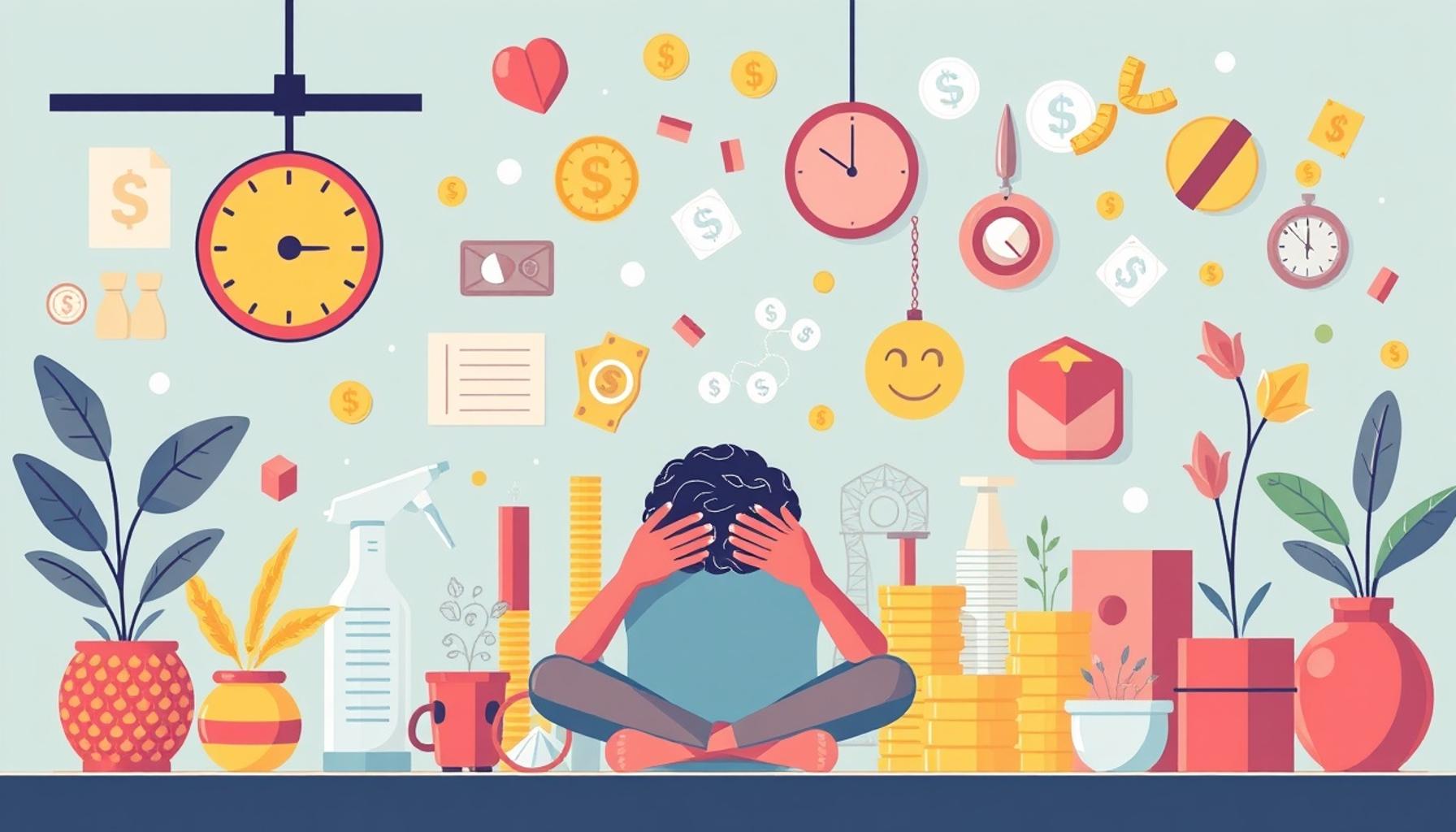
In today’s fast-paced world, the choices we make about consumption impact not just our environment but also our emotional health. An increasing number of people are turning to conscious consumption as a way to improve their lives. This shift leads to a more profound exploration of how reducing material clutter can enhance personal well-being. With the rise of social media and advertising, individuals are bombarded with messages encouraging excessive consumption, often leading to feelings of anxiety and dissatisfaction.
What is Conscious Consumption?
- Being deliberate about the products we choose.
- Prioritizing quality over quantity.
- Understanding the environmental and social impacts of our purchases.
Embracing this mindset often aligns with the principles of minimalism, which encourages individuals to strip away excess and focus on what truly matters. For instance, instead of buying a new trendy outfit every month, one might opt for a few high-quality pieces that can be styled in multiple ways. This thoughtful approach not only enhances our wardrobe but also reduces waste and supports ethical brands, thus reducing our carbon footprint.
The connection between conscious consumption and minimalism opens up a pathway to emotional resilience, characterized by:
- Increased mindfulness and awareness, allowing individuals to live more fully in each moment. This can be as simple as savoring a home-cooked meal instead of hastily eating fast food.
- The ability to foster deeper relationships, as consumers learn to value experiences over possessions, investing time in creating memories with loved ones instead of accumulating goods.
- Enhanced sense of freedom from materialism, leading to reduced stress and a clearer mind, as the individual’s space and mental load are both simplified.
Understanding the emotional impact of these practices can lead to transformative changes in our daily lives. For example, studies have shown that decluttering one’s living space can significantly reduce stress levels, giving rise to a more serene environment in which to thrive. As more individuals in the United States reflect on their consumption habits, the quest for personal fulfillment becomes intertwined with intentional living. This movement toward minimalism offers a powerful antidote to the consumer-driven culture prevalent in many parts of society.
This article invites you to delve into the fascinating relationship between minimalism and personal well-being, uncovering the profound benefits of living with less. By embracing these principles, one may discover not just a more organized home, but a more satisfying, connected, and purposeful life.
DISCOVER MORE: Click here to simplify your space
Redefining Values: The Psychological Benefits of Minimalism
The practice of conscious consumption extends far beyond mere financial prudence; it serves as a catalyst for profound emotional growth and self-discovery. As individuals adopt a minimalist lifestyle, they begin to reevaluate their values and priorities, aligning their consumption patterns with what genuinely contributes to their well-being. This is particularly significant in a culture that often equates happiness with material accumulation. Instead of seeking fulfillment through possessions, minimalism encourages a deeper connection with oneself and the world around us.
One of the core advantages of embracing minimalist principles is stress reduction. Numerous studies have highlighted a direct correlation between cluttered environments and increased anxiety levels. When individuals declutter their homes—discarding items that no longer serve a purpose—they often report feeling a greater sense of control in their lives. This newfound clarity can lead to a more peaceful mental state, making room for creativity, productivity, and personal connections.
Moreover, the shift towards conscious consumption fosters a sense of gratitude. By thoughtfully selecting only those items that enhance one’s quality of life, individuals can cultivate an appreciation for what they already possess. This shift in mindset helps combat the relentless cycle of wanting more, fostering a sense of contentment with the present moment. The act of consciously choosing products, whether it’s local organic food or ethically produced clothing, allows individuals to feel empowered by their decisions, reinforcing personal values that resonate with their identities.
- Mindfulness: Engaging in conscious consumption encourages mindfulness, where individuals become more aware of their choices and the motivations behind them.
- Emotional Resilience: Minimalism supports resilience in the face of life’s challenges, allowing individuals to navigate stressors without succumbing to material distractions.
- Connection to Community: Supporting local businesses and ethical brands not only nurtures a sense of belonging but also strengthens community ties and shared values.
This evolving relationship with material goods also extends to personal relationships. As the focus shifts from acquiring more possessions to fostering meaningful experiences, people tend to invest time and energy in relationships that matter most. This prioritization enhances emotional bonds with family and friends, promoting a support network that significantly contributes to overall well-being. Studies indicate that people who nurture strong social ties report higher levels of happiness—a clear indication that minimalism’s lifestyle choices can indeed yield emotional benefits.
The compelling idea behind minimalism is that by letting go of excess, individuals can invite abundance in other facets of life that matter most. For many, this journey is not merely about downsizing possessions but about enriching life experiences and emotional well-being. As more individuals in the United States begin to embrace this transformative approach, the movement is undeniably gaining momentum, helping to redefine what a fulfilling life entails.
| Advantages | Emotional Well-Being |
|---|---|
| Enhanced Clarity | Minimalism helps reduce clutter and distractions, leading to a greater focus on what truly matters. |
| Reduced Anxiety | Conscious consumption fosters a sense of control by encouraging mindful purchasing, reflecting personal values. |
| Emotional Resilience | Less attachment to material possessions promotes flexibility in facing life’s challenges. |
| Improved Satisfaction | Choosing quality over quantity leads to deeper fulfillment from experiences rather than possessions. |
As we explore the emotional impact of conscious consumption, particularly through the lens of minimalism, it becomes clear that this lifestyle choice is not merely about reducing possessions; it’s about enhancing personal well-being and forging a meaningful connection with our lives. By intentionally selecting products and experiences that resonate with our core values, we cultivate a lifestyle that prioritizes mental clarity over material accumulation. Research indicates that individuals who adopt a minimalist approach often report elevated levels of happiness and lower instances of stress. The act of simplifying our surroundings and decisions can create a profound sense of peace and stability, underscoring the notion that less can indeed be more. With conscious consumption, there lies an opportunity to direct our energies towards sustainable practices that not only benefit us but also bring value to the larger community and the environment.This holistic approach encourages examining our emotional ties with possessions and expands our understanding of what constitutes true wealth in life. Embracing this perspective invites a transformative journey towards realizing our personal potential in a world often overwhelmed by excess.
DISCOVER MORE: Click here for insights on letting go
The Ripple Effect of Conscious Choices on Mental Health
As the practice of conscious consumption continues to grow, society is witnessing a paradigm shift in how individuals perceive personal fulfillment. This shift doesn’t just alter the landscape of material culture; it fundamentally affects individuals’ mental and emotional health. By embracing minimalism, individuals begin to dismantle the preconceptions surrounding consumerism, sparking discussions that lead to greater awareness and understanding of the mechanics of their own emotions.
At the forefront of this mental health renaissance is the role of intentional living. When individuals make purposeful choices regarding what they consume, they are not just curbing excess but are also actively participating in a richer, more authentic existence. Research indicates that when people engage in intentionality, they report greater levels of satisfaction and joy. This is largely due to the alignment of their spending habits with their core values, fostering a sense of harmony in their lives.
A significant aspect of this aligned lifestyle is the pursuit of experiential consumption as opposed to material acquisition. Numerous studies have highlighted that experiences—like travel, workshops, or quality time spent with loved ones—lead to more enduring happiness compared to the fleeting joy derived from material possessions. Embracing minimalism encourages individuals to allocate their resources towards experiences that promote emotional growth and well-being, rather than temporary satisfaction from material goods.
- Identity and Self-Expression: Conscious consumption allows individuals to express their beliefs and values through their choices, leading to a deeper sense of identity and self-worth.
- Transformative Learning: Engaging with products and services that resonate with one’s values fosters a climate for transformative learning, where people gain insights about their consumption habits and their impacts on their lives and the environment.
- Environmental Considerations: Many who adopt a minimalist approach find themselves more attuned to their ecological responsibilities, leading to empowerment through reducing their carbon footprint and contributing to a sustainable future.
The emotional benefits of minimalism extend beyond the individual and into interpersonal dynamics. As people choose to surround themselves with meaningful relationships and community engagements, they find an emotional support network that enriches their lives. The act of sharing experiences with others—whether through cooperative living arrangements, community gardening, or engaging in local activism—fosters connection and resilience. In fact, studies suggest that a supportive social network is one of the most significant predictors of emotional well-being and longevity.
In the United States, movements supporting conscious consumption and minimalism, such as the Simplicity Movement and The Minimalists, have proliferated, leading to an extensive conversation about how these lifestyles can enhance emotional well-being. Their rise reflects an increasing acknowledgment of the emotional ramifications tied to consumer habits and mental health, encouraging individuals to look beyond the superficiality of materialism. This growing dialogue not only promotes individual mental health but also paves the way for collective change towards a more thoughtful society.
As the community surrounding minimalism expands, it becomes clear that conscious consumption is more than a trend; it represents a profound emotional evolution. A commitment to this lifestyle is a commitment to enhancing personal well-being, enriching experiences, and ultimately, redefining the foundations of happiness in modern life.
DIVE DEEPER: Click here to explore how digital minimalism can enhance your time management
Embracing the Mindful Journey: A Path to Emotional Fulfillment
In conclusion, the emotional impact of conscious consumption and its link to personal well-being can’t be overstated. As the allure of materialism wanes, individuals who adopt a minimalist approach discover the profound joy tied to intentional living. This shift not only enhances mental health by fostering a deeper connection with oneself but also serves to enrich relationships and community ties.
The transformative power of experiential consumption amplifies the notion that happiness stems from memories and connections rather than ownership. By prioritizing experiences over possessions, individuals report increased satisfaction and emotional resilience. Furthermore, conscious choices empower individuals to become more mindful of their environmental footprints, instilling a sense of responsibility that contributes to a larger. sustainable future.
As movements advocating for conscious consumption gain momentum across the United States, they challenge the deep-rooted narratives surrounding fulfillment and happiness. These discussions pave the way for a collective evolution, encouraging us to redefine our perceptions of success, value, and connection. The journey towards minimalism is not merely about reduction; it is a call to reclaim our emotional landscapes and nurture our mental health through intentional living.
Ultimately, embracing the principles of conscious consumption can lead to a more fulfilling life, rich with purpose and genuine happiness. It invites us to actively engage with our choices, fostering a community that values well-being over wealth, and urging us to seek a more meaningful existence, both individually and collectively.
Related posts:
Cultivating Awareness in the Purchase of Sustainable Products: The Role of Minimalism
How Conscious Consumption Can Increase Creativity in a Minimalist Lifestyle
Mindful Consumption and the Importance of Quality over Quantity in Daily Life
Mindful Consumption: Transforming Consumption into a Personal Growth Experience
Mindful Consumption Practices to Organize Your Minimalist Life
The Connection between Conscious Consumption and Minimalism: How Less Can Be More

Beatriz Johnson is a seasoned minimalist and writer with a passion for simplifying the complexities of personal organization and decluttering. With over a decade of experience in the field, she specializes in topics like minimalist living, efficient organization strategies, and creating intentional spaces. Through her work, Beatriz empowers readers to make mindful decisions about their belongings, streamline their lives, and embrace a more organized and fulfilling lifestyle.