Artistic Expression as a Form of Resilience: Stories of Overcoming Through Creativity
The Transformative Role of Artistic Expression
Throughout history, individuals have harnessed the power of artistic expression to navigate life’s challenges. From the strokes of a painter’s brush to the rhythmic beats of a dancer’s movement, creativity serves not only as a medium of expression but also as a catalyst for healing and resilience. In both personal and cultural contexts, the arts allow individuals to articulate emotions and experiences that may be difficult to convey through conventional means.
Visual Arts
Many find solace in painting or sculpture, transforming pain into beauty. Take, for instance, the renowned artist Vincent van Gogh, whose turbulent emotions and mental health battles profoundly influenced his work. His painting “Starry Night” expresses the tumultuous feelings he experienced during his stay at an asylum, appealing to viewers’ emotions and illustrating how visual arts can provide a therapeutic outlet. Local art therapy programs in the United States have also shown similar results, allowing participants to convert trauma into tangible art forms. Whether through painting, drawing, or sculpting, these creative acts foster emotional healing and self-reflection.
Performing Arts
In the realm of performing arts, dance and theater allow performers to convey their struggles, often moving audiences to tears. A powerful example can be found in the works of playwright Lin-Manuel Miranda, whose musical “Hamilton” relates themes of struggle, identity, and resilience in a contemporary setting while drawing upon historical narratives. Theater companies across the country, such as The Public Theater in New York City, delve into pressing societal issues through drama, offering community members a chance to resonate with stories that reflect their experiences. This connection serves to validate their feelings while showcasing the power of performance as both a personal and communal healing process.
Literature
Writing, whether through novels, poetry, or journaling, offers a therapeutic outlet for emotions, shared universally through stories. Many authors have turned to the written word as a way to cope with personal struggles. For instance, writers like Maya Angelou have documented their experiences with racism and trauma in profound literary works that resonate with many, providing both solace and strength to readers facing their own challenges. Community writing workshops in the United States further encourage personal storytelling, allowing individuals to articulate their journeys and foster connections with one another.
Research indicates that artistic activities can significantly impact mental health. They often serve as coping mechanisms, enhancing one’s ability to deal with stress and adversity. Studies show that individuals engaging in creative activities report lower levels of anxiety and depression, revealing the importance of integrating the arts into mental health support. Through personal stories and shared experiences, individuals demonstrate how creativity can foster resilience, illuminating a path toward healing.
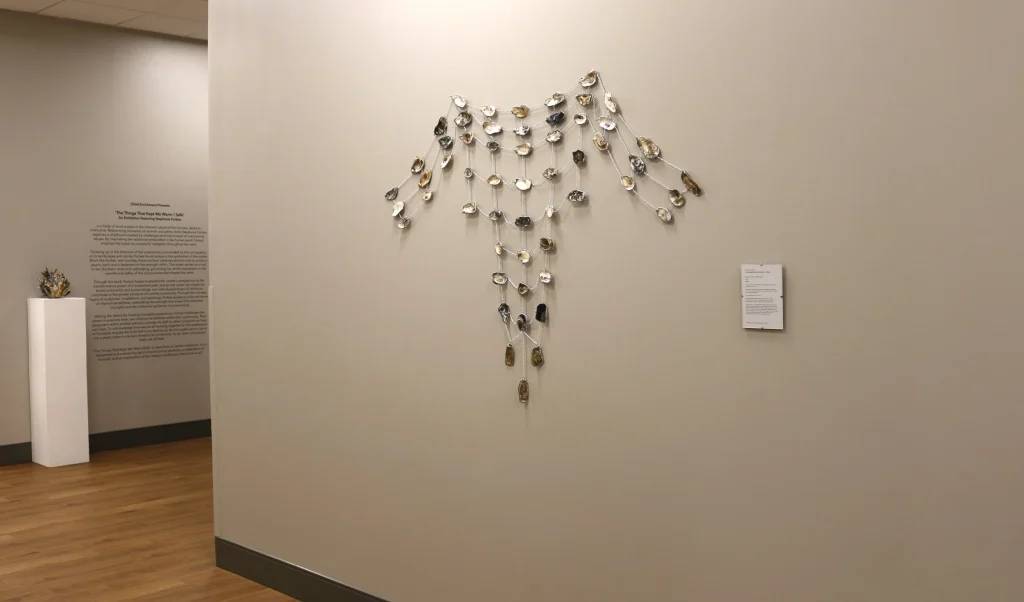
In this article, we will explore profound narratives of individuals who have turned to artistic expression during tough times. By delving into their journeys, we uncover the transformative power of creativity and its role as a beacon of hope and healing. As we examine these stories, readers will discover that creativity is not merely an artistic endeavor but a vital resource for resilience in the face of life’s challenges.
DISCOVER MORE: Click here to uncover how music fuels creativity
The Healing Power of Artistic Expression
Artistic expression transcends mere creation; it is a fundamental aspect of human experience that provides individuals with a voice, especially in times of adversity. This creative outlet not only reflects personal and collective struggles but also contributes significantly to resilience. Mental health research highlights that engaging in the arts can lead individuals to find relief from emotional turmoil, allowing for personal growth and healing. Whether through music, painting, or literary pursuits, the act of creating allows individuals to reclaim their narratives in profound ways.
Music: The Universal Language of Healing
Music stands as a powerful testament to the ability of artistic expression to foster resilience. It can evoke a wide range of emotions, and many find solace in songwriting or playing instruments as a way to process their experiences. For instance, singer-songwriter Taylor Swift has used her platform to address personal struggles, transforming heartbreak and loss into relatable tracks that resonate with millions. Research shows that music therapy is effective in improving mental health, indicating that the act of making or listening to music can serve as a therapeutic intervention for stress, anxiety, and depression.
Dance: Movement as Expression
Dance encompasses not only physical expression but also emotional release. Groups such as the Alvin Ailey American Dance Theater use movement to tackle themes of struggle, resilience, and community. The elegance of dance allows individuals to narrate their stories through movement, creating a dialogue that transcends spoken language. Programs that focus on dance therapy have emerged across the United States, offering participants a safe space for emotional exploration and resilience-building through the rhythm of their own bodies.
Community Art Initiatives
Many communities across the country have begun to recognize the therapeutic benefits of the arts, leading to the rise of community art initiatives. These programs often bridge gaps between individuals from varied backgrounds, allowing for collaborative projects that foster understanding and healing. Examples of such initiatives include:
- The Mural Project in Chicago, which encourages local artists to transform city spaces into inspiring murals while addressing social issues.
- Poetry Out Loud, a national competition that engages high school students in the performance of poetry, offering a platform for young voices to express their personal experiences.
- Creative Aging Programs, which utilize art activities to engage seniors in cognitive and emotional expression, enhancing their overall well-being.
These community art initiatives not only serve as healing outlets but create a sense of belonging and collective empowerment among participants. They showcase how artistic expression can emerge as a critical tool for resilience, providing people with a means to come together, share their stories, and begin to heal.
As we delve deeper into the myriad ways people have turned to artistic expression for solace, it’s clear that creativity is much more than a pastime; it is a vital resource for resilience and healing during trying times. Through exploring various forms of artistic expression, we begin to understand the profound connection between creativity and the human experience of overcoming adversity.
Artistic Expression as a Pathway to Healing
Artistic expression often serves as a crucial outlet for individuals facing adversity. Through various mediums—be it painting, writing, music, or dance—creativity allows people to transform their experiences into something tangible and meaningful. For many, engaging in artistic activities becomes a form of therapy that promotes mental well-being. This process can significantly aid in coping with trauma, grief, and stress, as it encourages one to explore and articulate complex emotions.In communities affected by challenges such as war or natural disasters, art initiatives have emerged as vibrant forms of resilience. These programs facilitate collaboration and encourage participants to share their stories through creativity. As they engage with art, individuals often find a sense of belonging and support, fostering connections that are vital for emotional recovery. Additionally, the act of creating art can bring about a sense of purpose. Artists and creators often discover that their work resonates with others, creating a platform for shared experiences and collective healing. The power of storytelling through creative outlets not only empowers the individual but can also serve as a catalyst for social change by raising awareness about important issues.Exploring these narratives of overcoming through creativity, we see how artists harness their personal struggles to inspire others. Many choose to share their stories publicly, showcasing how creativity can lead not only to personal transformation but also provoke essential conversations about resilience and recovery within society. Artistic expression serves as a bridge connecting individuals to their inner strength while providing a voice to those often unrepresented, thereby illuminating the profound ways people can overcome challenges through creativity.
| Category | Benefits |
|---|---|
| Therapeutic Outlet | Allows individuals to express complex emotions, leading to healing. |
| Community Connection | Fosters collaborations, offering support and understanding among peers. |
These stories shine a light on how vulnerabilities can be transformed into powerful narratives of creativity, encouraging others to embrace their artistic journeys as a form of resilience.
DISCOVER MORE: Click here to dive into DIY art projects
Visual Arts: Painting Resilience with Every Stroke
The visual arts serve as a vibrant canvas for resilience, allowing individuals to express complex emotions through color, form, and texture. Drawing, painting, and sculpting have been utilized by many to confront their adversities head-on. One poignant example is the work of Frida Kahlo, whose art vividly conveyed her personal struggles, including chronic pain and identity challenges. Kahlo’s use of self-portraiture reflects the healing process, where art becomes a tool for introspection and transformation. Many contemporary artists continue to follow in her footsteps, using their work to comment on issues such as mental health, grief, and societal injustices.
Art Therapy: Transforming Lives through Creativity
Art therapy has emerged as a significant therapeutic practice in the United States, illustrating the connection between the artistic process and psychological well-being. By engaging individuals in creative activities, art therapy allows them to explore their emotions in a non-verbal manner, which can be particularly beneficial for those who struggle to articulate their feelings. Studies show that art therapy can decrease symptoms of anxiety, improve mood, and enhance self-esteem, making it a powerful tool for recovery. Programs in hospitals, community centers, and schools provide individuals with the opportunity to heal through the creative process, creating a safe space to express themselves.
Literary Arts: Writing as a Path to Self-Discovery
Writing, be it poetry, fiction, or nonfiction, offers a profound avenue for individuals to articulate their experiences, providing a voice to the often unspoken battles they face. Naomi Klein, a renowned writer and social activist, uses her literary prowess to shed light on socio-political issues while chronicling her personal struggles, ultimately encouraging others to find their own narratives. Creative writing workshops, such as those offered by Gotham Writers Workshop, foster environments where people can not only hone their craft but also share their stories, with the potential for profound emotional healing.
Digital Arts: Innovation and Expression in Modern Times
The advent of technology has transformed artistic expression, with digital arts allowing for creativity to flourish in new and innovative ways. Platforms like Instagram and TikTok have enabled artists to share their works with global audiences, breaking down geographical barriers and inviting diverse interpretations of personal experiences. Digital storytelling combines visual elements with narrative, enabling a multi-layered approach to expressing resilience. Moreover, initiatives like Human Library invite individuals to share their stories through social media, amplifying voices that resonate with resilience and transformation.
Art and Activism: A Catalyst for Change
The intersection of art and activism further embodies resilience in the face of adversity. Artists such as Banksy have used their art to critique societal norms and confront injustices, illustrating how creativity can become a catalyst for social change. Community murals, street performances, and visual installations often serve as platforms for raising awareness around critical issues, mobilizing support, and fostering community solidarity. These artistic forms empower individuals to reclaim their space and assert their narratives, demonstrating resilience not only at a personal level but also within the broader societal context.
By exploring the diverse mediums of artistic expression, it becomes evident that creativity is not merely an escape but a powerful conduit for personal and collective resilience. As communities continue to embrace the arts, the stories of those who have overcome adversities through creativity will inspire others to explore their own transformative journeys. These narratives of resilience remind us that artistic expression is fundamental to the human experience, offering hope, healing, and a renewed sense of purpose even in the darkest times.
DIVE DEEPER: Click here to discover the various forms of artistic
Conclusion: The Enduring Power of Artistic Expression
In examining the profound relationship between artistic expression and resilience, it becomes clear that creativity serves as not only a refuge but also a powerful means of transformation and healing. Across diverse forms—including visual arts, literature, digital mediums, and activism—individuals share stories that transcend personal hardships, offering windows into their resilience. Artistic expression fosters connection, inviting others to witness and even participate in the process of overcoming adversity.
The testimonies of renowned figures like Frida Kahlo remind us of art’s ability to illuminate depths of human experience while simultaneously serving as a vehicle for healing. Through structured practices such as art therapy, we see tangible evidence of creativity’s impact on mental health, nurturing self-understanding and emotional release. Furthermore, in the digital age, platforms allow budding artists to amplify their voices and reach global audiences, demonstrating that resilience knows no boundaries.
As communities continue to embrace and promote art as a vital tool for change, the stories crafted through these mediums become essential narratives of empowerment and solidarity. Each brushstroke, word, or digital creation enhances our collective tapestry—one that celebrates survival and inspires hope. Ultimately, artistic expression is not just a form of resilience; it is a testament to the enduring human spirit, encouraging us all to harness our creativity as we navigate life’s challenges. The journey through adversity can be beautifully redefined through creativity, offering lessons in perseverance and hope that resonate universally.