Menu

How Group Singing Practice Can Strengthen Community and Create Social Bonds

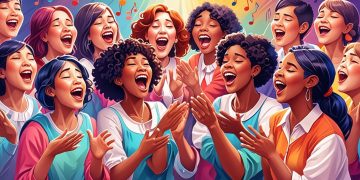
Group singing fosters community by enhancing social bonds and emotional connections among participants. This inclusive activity promotes collaboration, cultural exchange, and resilience, creating a sense of belonging. Ultimately, collective singing serves as a powerful tool for building trust and facilitating deeper relationships within diverse communities.

The Role of Music in Stimulating Creativity in Professionals from Various Fields

Music acts as a key driver in enhancing creativity across diverse professional fields. By elevating mood, boosting concentration, and reducing stress, tailored music environments foster innovation and collaboration, ultimately unlocking professionals' creative potential. Understanding individual musical preferences can further amplify workplace productivity and engagement.

The Role of Musical Skills in Promoting Social Inclusion and Diversity

Music acts as a powerful catalyst for social inclusion and diversity, enabling individuals from different backgrounds to connect emotionally and collaboratively. By fostering empathy, promoting cultural exchange, and enhancing self-esteem, musical skills create safe spaces for expression, ultimately strengthening community bonds and celebrating diverse identities.

How Musical Dance Practice Can Enrich Creative Experience and Motor Coordination

Musical dance practice enriches creative experiences and enhances motor coordination through a dynamic blend of rhythm, movement, and social interaction. This engaging art form promotes cognitive development, boosts creativity, and improves physical skills, fostering personal growth and connection among individuals across various backgrounds and age groups.

The Influence of Musical Practice on the Cognitive Development of Children

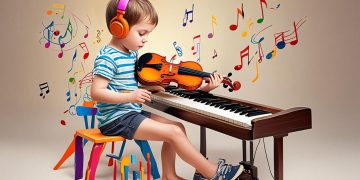
Research highlights the vital role of musical practice in enhancing children's cognitive development, improving memory, language abilities, and mathematical skills. Additionally, music fosters social skills and emotional intelligence, aiding personal growth. Integrating music education into curricula can significantly boost children's overall academic performance and emotional well-being.

The Relationship between Musical Skills and Improvement of Discipline and Focus in Students

Music education significantly enhances students' discipline and focus, fostering essential academic skills. Research shows that musical training improves concentration, time management, and emotional regulation, while promoting cognitive abilities like problem-solving. Integrating music into curricula cultivates well-rounded learners equipped to navigate academic challenges successfully.

The Importance of Music Education in the Formation of Cultural Identity

Music education plays a crucial role in shaping cultural identity by preserving heritage, promoting community engagement, and enhancing personal expression. Through diverse musical exposure, students develop empathy, understanding, and social skills, ultimately fostering a more inclusive society that celebrates cultural diversity and enriches individual and collective identities.

How Family Music Practice Can Strengthen Bonds and Improve Communication

Family music practice fosters emotional connections and improves communication by creating shared experiences that nurture understanding and teamwork. Engaging in musical activities helps families bond, develop open dialogue, and enhance learning opportunities, ultimately enriching relationships and cultivating a harmonious home life filled with joy and creativity.

The Influence of Music on the Improvement of Interpersonal Communication Skills

Music profoundly influences interpersonal communication skills by enhancing emotional expression, active listening, and social connectivity. Engaging in musical activities fosters teamwork and empathy, creating deeper connections among individuals. This universal language improves dialogue and understanding, demonstrating music's vital role in enhancing effective human interaction.

The Importance of Musical Improvisation in Stimulating Critical Thinking and Problem Solving

Musical improvisation enhances critical thinking and problem-solving skills by fostering creativity, adaptability, and collaboration. Engaging in spontaneous music creation sharpens cognitive abilities and encourages flexible decision-making, making it an invaluable tool in education and professional environments to develop innovative solutions and effective teamwork.