Cement Craftsmanship: Exploring Molds and Creative Finishes
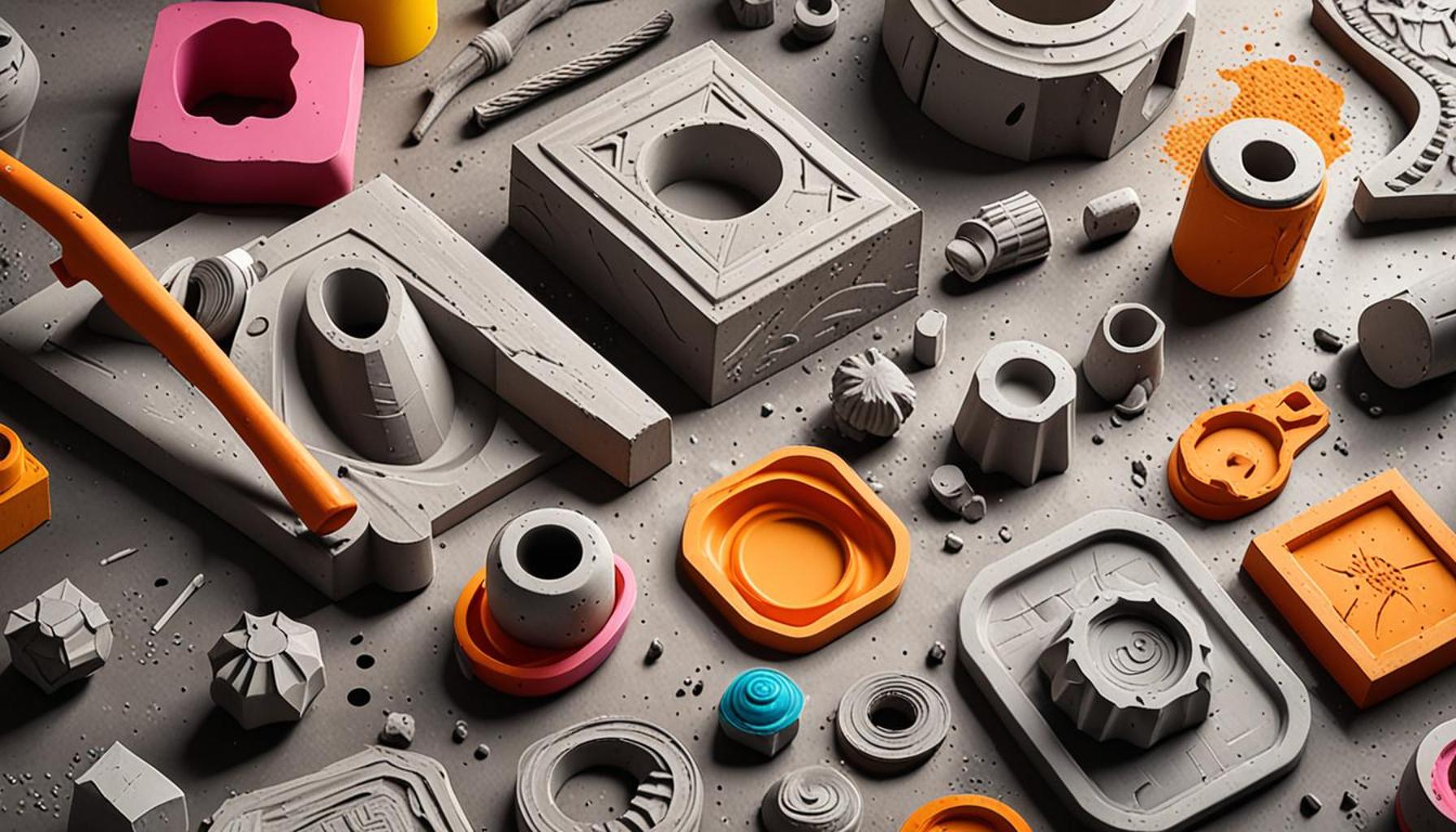
The Allure of Cement Craftsmanship
Cement artistry has burgeoned into a fascinating blend of engineering and creativity, enabling individuals to transform mundane, grey slabs into vibrant, interactive pieces of art. This evolution has captivated both professional artists and enthusiastic hobbyists who have discovered the boundless potential of this material. From chic home decor to elaborate outdoor installations, cement can serve as a versatile medium for creative expression.
One of the primary facets of cement craftsmanship is its versatility. The adaptability of cement allows for a wide array of shapes, textures, and finishes. For instance, artists can create everything from smooth sculptures to textured planters with intricate designs. The ability to experiment with different cement mixtures—like adding pigments to change color or incorporating various aggregates—further expands the creative canvas. Consider how some artists have taken the minimalist approach by using polished concrete to create sleek coffee tables or avant-garde benches that become conversation starters in any space.
Another advantage lies in the accessibility of the tools and materials required for cement crafting. In the United States, local hardware stores and craft shops frequently stock cement, molds, and basic tools, making it easy for anyone to dive into the world of cement art. Online resources, including tutorials and videos, provide additional support for beginners eager to learn the ropes. Imagine joining a weekend workshop at a community center where you can learn to make cement garden ornaments or participate in collaborative installations.
The durability of cement is yet another compelling reason to explore this medium. Properly cured cement pieces can endure harsh weather conditions and resist wear and tear, making them ideal for both indoor and outdoor applications. Sculptures displayed in gardens, for instance, can last for decades, retaining their allure far longer than traditional floral arrangements. With the right mix and sealing methods, artists can create durable works that maintain their aesthetic appeal through seasons.
Innovative Techniques and Community Resources
The scope of cement art isn’t confined to traditional forms; innovative techniques such as mold making, layering, and creative finishing methods have reshaped the landscape of cement craftsmanship. Mold making, for example, allows creators to replicate unique designs, whether it’s a lifelike bust or an elegant planter. Those interested in making large-scale installations can utilize silicone or fiberglass molds to realize their artistic visions more rapidly.
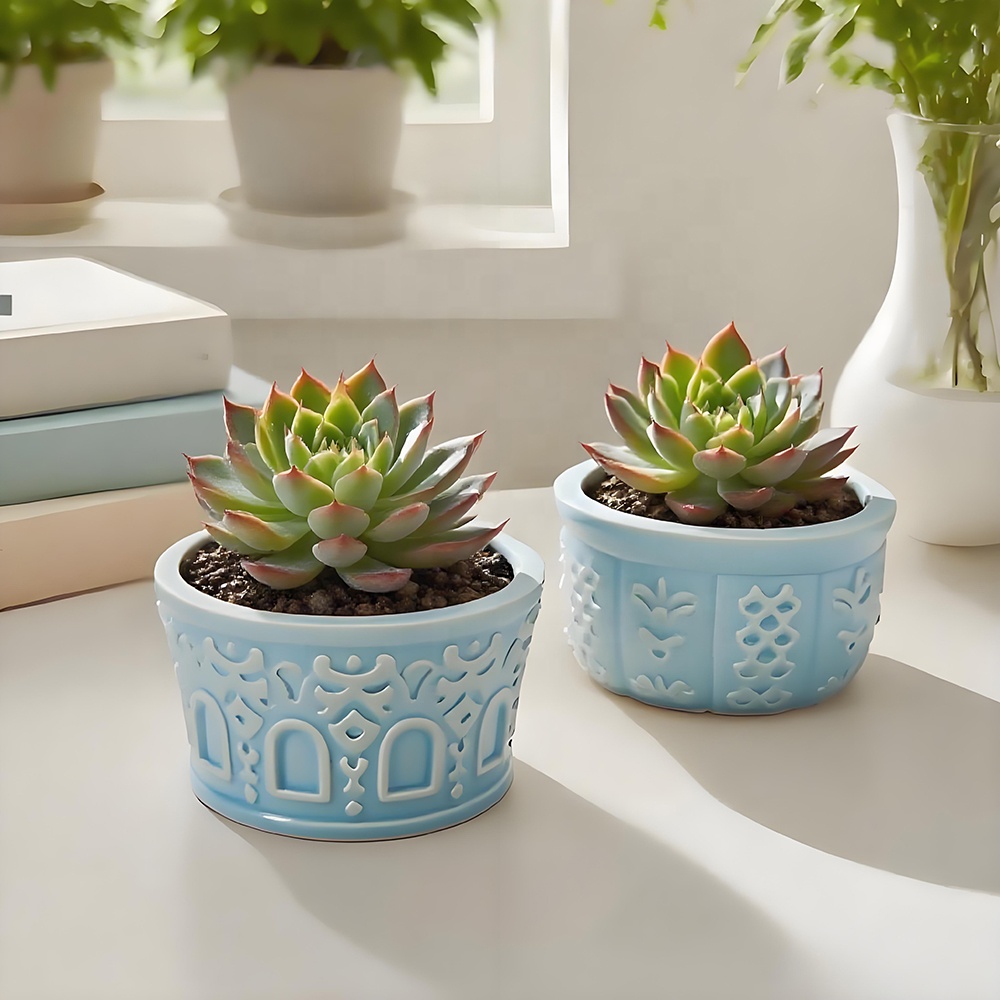
Furthermore, the potential for customization opens a door for personal expression and artistry. From embedding stones, shells, or glass shards into poured cement to painting finished pieces with vibrant colors, the only limit is one’s imagination. Many cement artists share their creations via social media platforms, where they inspire others and foster a sense of community around this creative endeavor.
As you embark on this journey into cement craftsmanship, you may find yourself part of a vibrant community, abundant with ideas and inspiration. The fusion of creativity and functionality makes cement not only a practical choice but also an exciting medium ripe for exploration. So gather your tools, connect with fellow creators, and let your imagination guide you as you dive into this dynamic world.
DON’T MISS: Click here to uncover the secret to mastering your musical skills
Unleashing Creativity Through Molds
At the heart of cement craftsmanship lies the art of mold making. This technique not only facilitates the creation of consistent forms but also empowers artists to explore unprecedented designs. The process of creating molds can be as artful as the finished product; from handcrafted wooden frames to advanced silicone sunken molds, the options are vast. The allure of cement is further amplified when paired with high-quality molds that can capture intricate details and elevate standard sculptures into showstoppers.
When approaching mold making, artists typically follow a series of steps that include:
- Design: Conceptualizing the piece and sketching the design is the first step. Whether it’s an abstract form or a functional item like a birdbath, having a clear vision is crucial.
- Material Selection: Choosing the right material for the mold is essential. Options range from pliable latex to durable fiberglass, each offering distinct advantages.
- Mold Creation: The process involves pouring the mold material over the original design, allowing it to set and form a negative impression.
- Pouring Cement: Once the mold has cured, artists can pour the cement mixture into the mold, ensuring the compound fills every nook and cranny for a polished finish.
- Finishing Touches: After the cement has set, the final product can be demolded and finished with paints, sealants, or embellishments, fully realizing the artist’s vision.
In recent years, DIY culture has thrived in the United States, and cement art has become particularly popularized through platforms like Instagram and Pinterest. Many artists share their unique mold-making techniques, inspiring a new wave of creators to experiment with this medium. For example, artists may opt for reclaimed materials, such as broken pottery or discarded items, as inclusions inside their molds, adding unique character and texture to their creations.
The Power of Creative Finishes
The finishing techniques applied to cement pieces can dramatically influence the overall aesthetic and tactile experience of the artwork. Cement craftsmanship transcends the traditional perception of drab, grey blocks by introducing myriad finishing options that breathe life into flourished designs. Some popular finishing methods include:
- Pigmentation: The incorporation of pigments not only adds color but also allows artists to achieve a range of hues, from earthy tones to vibrant shades that can shift depending on the light.
- Texturing: Artists can create various textures using brushes, stamps, or even textured molds, resulting in surfaces that are visually striking and engaging to the touch.
- Sealing: Applying a protective sealant is crucial for outdoor pieces exposed to weather elements. Sealants enhance durability while providing a glossy or matte finish that can elevate the artwork’s overall appeal.
- Inlaid Elements: Embedding items like stones, glass, or metals into the cement not only creates visual intrigue but also showcases the artist’s imagination and resourcefulness.
Engaging with creative finishes opens a new realm of possibilities within cement art. Each piece becomes an authentic representation of the artist’s creativity, encouraging exploration beyond conventional boundaries. As you delve deeper into the world of cement craftsmanship, remember that the journey is just as important as the destination, leading to enchanting results that enrich both your space and creativity.
Cement Craftsmanship Techniques
In the captivating world of Cement Craftsmanship, the art of creating unique designs largely hinges on the mastery of molds and finishes. Craftsmen utilize an array of techniques that not only highlight the versatility of cement but also enhance its aesthetic appeal.
Molds act as the foundation of many creative projects, allowing artists to form intricate shapes that can cater to specific design requirements. These molds, which can be made from various materials such as silicone, rubber, or plastic, enable the reproduction of complex designs with remarkable precision. By exploring custom molds, artisans can bring imagination to life, crafting everything from elegant sculptures to functional outdoor furniture.
Moreover, the finishing techniques applied to cement reveal opportunities for personalization. Various finishing methods such as staining, polishing, and engraving can dramatically transform the appearance of a simple cement piece. For instance, a polished concrete surface can emulate the look of natural stone or marble, adding a touch of sophistication to any installation. Engraved patterns can also provide a distinctive texture, setting pieces apart in a world where uniformity often reigns.
As the popularity of cement in design continues to rise, sustainability plays a crucial role. Many artisans are now incorporating eco-friendly practices, such as using recycled materials for molds and finishes, ensuring that their craft not only beautifies spaces but also respects the environment. This harmonious blend of creativity and responsibility is redefining how we perceive and use cement in our daily lives.
| Category | Details |
|---|---|
| Molds | Facilitate intricate designs with precision and customization. |
| Finishing Techniques | Transform cement’s look with polishing, staining, and engraving. |
With such innovative methods and an eco-conscious approach, the field of Cement Craftsmanship is continually evolving, inviting enthusiasts and creators to explore the myriad possibilities this medium offers. Designers already grasp the importance of adaptability in styles and finishes, making cement not just a building material, but a vehicle for creativity and expression in interior and landscape design.
DON’T MISS: Click here to discover the importance of consistent practice
Enhancing Durability and Functionality
One of the pillars of cement craftsmanship is the ability to enhance the durability and functionality of cement pieces. This aspect is particularly important for creators looking to produce items that not only serve aesthetic purposes but also withstand the test of time and environmental factors. Understanding the interplay between cement properties and finishing techniques can elevate a creator’s work from mere artistic expression to practical innovation.
To achieve remarkable durability, artists must familiarize themselves with several factors that contribute to the strength and longevity of their concrete pieces:
- Mix Ratios: Mastering cement mix ratios is fundamental. The right combination of cement, sand, aggregate, and water ensures that the structure is resilient. Artists often experiment to find unique mixes tailored to their projects, enhancing both visual appeal and structural integrity.
- Additives: Incorporating additives such as admixtures can significantly improve performance. For instance, waterproofing agents protect against moisture-related damage, while plasticizers enhance workability, allowing for smoother finishes and intricate details.
- Curing Techniques: Proper curing of cement is essential for preventing cracks and ensuring optimal strength. Techniques such as misting, covering with wet burlap, or employing curing compounds help retain moisture during the setting process, contributing to a more robust final piece.
These elements are particularly appreciated in outdoor projects, where cement art can face extreme weather conditions. Bird baths, garden sculptures, and patio furniture are just a few examples where enhanced durability is a game changer. By making informed decisions about these critical variables, artists differentiate their work in a competitive landscape and offer clients pieces that are as functional as they are creative.
Exploring Innovative Techniques and Trends
Cement craftsmanship continues to evolve thanks to an influx of innovative techniques that redefine traditional practices. Artists are rethinking how cement can be utilized, merging it with other mediums to create hybrid masterpieces that challenge perceptions.
For example, the trend of incorporating fiber reinforcement—such as glass or synthetic fibers—improves tensile strength and reduces the risk of cracking. This advancement allows artists to explore thinner and more delicate designs, proving that cement can be both robust and intricate.
Another exciting trend is the use of 3D printing technology in creating molds and even directly printing cement structures. This approach opens up a realm of design possibilities, enabling artists to craft elaborate shapes that may be difficult or impossible to achieve with traditional methods. The ability to easily experiment with shapes and details not only enhances creative expression but also encourages faster prototyping, allowing artists to develop unique works at an unprecedented pace.
Moreover, the eco-friendly movement is gaining traction within the cement art community. Many artists are now focusing on the sustainability aspect of their materials, experimenting with alternative mixes that reduce carbon footprints, such as integrating recycled materials into their creations. This conscious approach extends beyond aesthetic values, tapping into a growing consumer demand for responsible artistry.
By continually pushing the boundaries of traditional practices and embracing new technologies and methodologies, artists within the cement craftsmanship community remain at the forefront of innovation. This drive promotes a vibrant culture that inspires newcomers and seasoned creators alike to explore the endless potential of cement as a medium for art and functional design.
EXPLORE MORE: Click here to find your creative writing voice
Conclusion: The Future of Cement Craftsmanship
In the realm of cement craftsmanship, the intersection of durability and creativity paves the way for groundbreaking artistic expressions. As discussed, artists are not only refining their technique by mastering mix ratios and additives, but are also adopting innovative trends that redefine the medium itself. The incorporation of fiber reinforcement and the advent of 3D printing technology are revolutionizing how cement can be shaped and perceived, allowing for designs that mimic fluidity and detail previously thought impossible.
Furthermore, the growing emphasis on sustainable practices demonstrates a conscientious shift in the artistry of cement. Artists are integrating recycled materials and focusing on eco-friendly mixes, addressing both aesthetic and environmental concerns. This trend resonates well with a society increasingly aware of its ecological impact, offering consumers art pieces that reflect not only individuality but also responsibility.
As we look to the future of cement craftsmanship, it becomes evident that this art form is far more than mere concrete sculptures. It embodies a fusion of science and creativity that unlocks infinite potential. Whether through the quest for innovative designs, the pursuit of enhanced durability, or the commitment to sustainable artistry, cement craftsmanship is poised to capture the imagination of artists and audiences alike. For those intrigued by the art of cement, the journey doesn’t end here; it invites exploration into a world where creativity knows no bounds. We encourage you to delve deeper, experiment, and discover for yourself the endless opportunities that await in exploring molds and creative finishes.