Clay Modeling Techniques: From Basic to Advanced for Sculptors
Unlocking the World of Clay Modeling
Clay modeling is an art form that blends creativity and technique, transcending mere hobby to become a profound means of personal expression. This multifaceted medium has captivated sculptors for centuries, from ancient civilizations crafting intricate pottery to modern artists creating contemporary masterpieces. With an understanding of various clay modeling techniques, both beginners and seasoned artists alike can truly unleash their imagination.
Types of Techniques
For aspiring sculptors, familiarizing oneself with various techniques can serve as a powerful tool for creative exploration. Here are several techniques to dive into:
- Pinch Pot Method: This fundamental technique is often the first introduction to clay for many artists. By pinching and shaping the clay with your fingers, you can create small pots, animals, or abstract forms, making it particularly accessible for children.
- Coiling: This method involves rolling out long strands of clay, which you then coil to form larger sculptures, like vases or even figurines. This technique not only allows for greater height but also opens up possibilities for intricate design patterns, making it a favorite among those looking to push their creative limits.
- Slabs: Perfect for producing flat pieces, the slab technique involves rolling out sheets of clay that can be cut and assembled into boxes, platters, or wall hangings. This method offers an excellent way to explore geometric shapes and patterns.
- Carving: Once the clay is dry or leather-hard, artists can utilize carving tools to create detailed textures and designs, enhancing the surface quality of the piece. This advanced technique is ideal for those looking to add a unique flair or storytelling element to their sculptures.
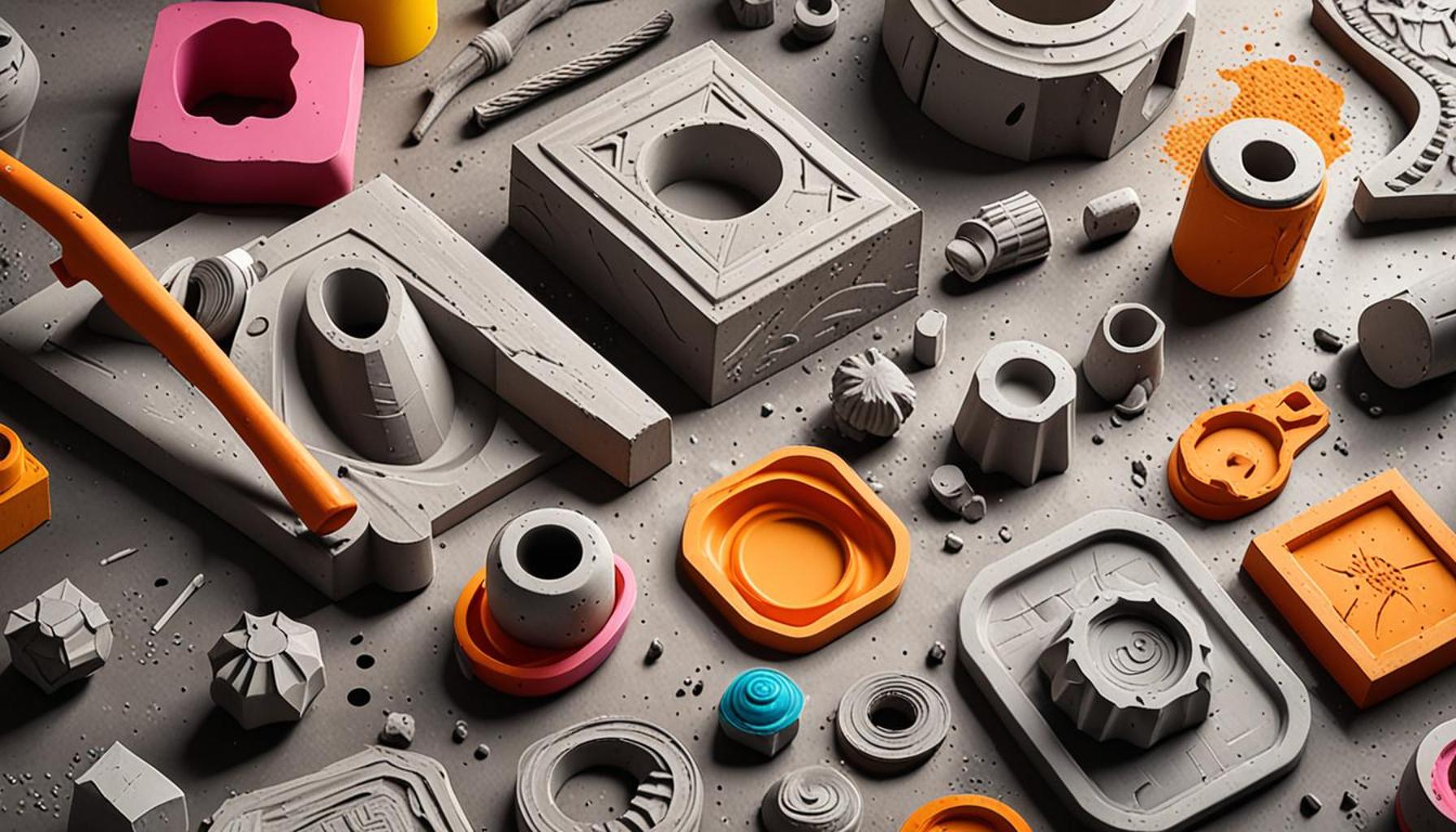
- Molding: For artists aiming to reproduce a design multiple times, molding is an excellent technique. By creating a mold of an original sculpted piece, you can cast several copies, allowing for precision and consistency in your work.
Each technique offers distinct advantages tailored to different artistic projects. By experimenting and mastering these methods, you’ll learn to manipulate form and texture, paving the way to create stunning and evocative sculptures.
The Journey from Basic to Advanced
Progressing from simple pinch pots to complex figurative works unveils a remarkable artistic journey. Understanding clay properties—such as moisture content, firing temperature, and shrinkage—is crucial for sculptors seeking to refine their skills. Moreover, mastering various tools like knives, ribs, and wire cutters is essential for elevating your craftsmanship.
Sharing this journey with fellow artists can enrich the creative experience. Engaging in workshops, art classes, or local pottery clubs can provide valuable opportunities to inspire new ideas and techniques, creating a vibrant community of learners and artists. Collaborations and exhibitions can further broaden one’s artistic perspective, showcasing the diverse interpretations of clay.
With a harmonious blend of essential knowledge and unbound creativity, sculptors are well-equipped to transcend conventional boundaries. Each technique offers a new realm of exploration, transforming your artistic expression into a dynamic and rewarding practice. As you delve deeper into the world of clay, the possibilities are endless!
DISCOVER MORE: Click here to unlock creative potential
Exploring the Foundations of Clay Modeling
Before diving into the intricate world of sculpture, it is essential for artists to grasp the foundational clay modeling techniques that form the backbone of this creative pursuit. Mastering the basics can pave the way for the development of more advanced skills and unique artistic expression. This understanding can significantly enhance your comfort and proficiency in working with clay, making it an incredibly rewarding medium.
The Importance of Basic Techniques
In the realm of clay sculpture, beginners often find themselves intimidated by the thought of creating complex pieces. However, starting with foundational techniques can instill confidence and foster creativity. Here are some crucial aspects to consider:
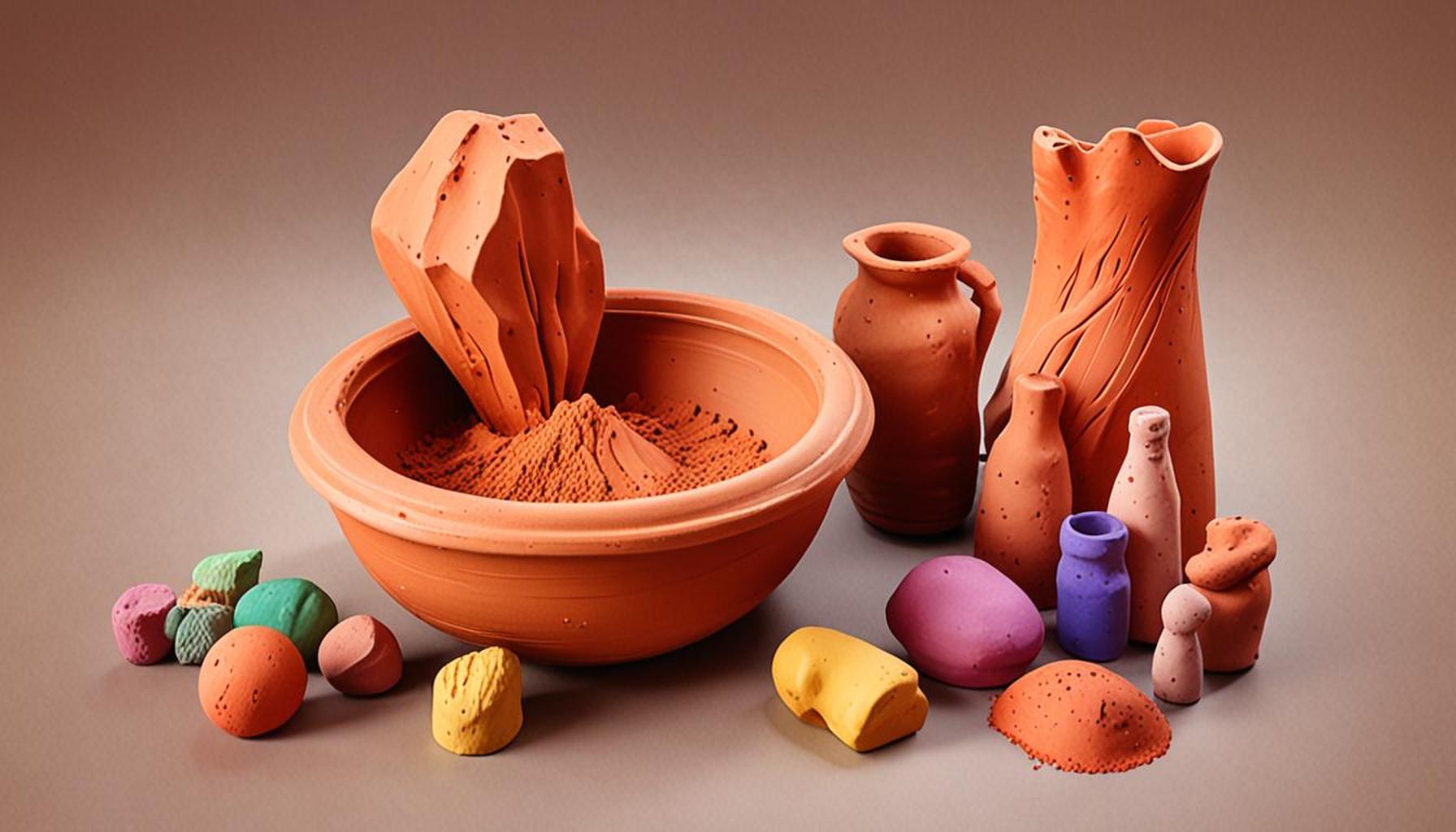
- Understanding Clay Types: Not all clay is created equal. While earthenware is great for beginners due to its low firing temperature, stoneware offers durability for experienced artists seeking to create functional pottery. Porcelain, known for its fine quality and translucence, may be more suited for advanced sculptors.
- Getting Comfortable with Handbuilding: Before reaching for tools, getting hands-on with the clay through handbuilding techniques such as pinch pots, coils, and slabs lays a good foundation. This direct contact enables sculptors to develop a strong tactile familiarity with the medium, enhancing their ability to manipulate it into desired forms.
- Exploring Texture and Form: Learning how to create varied textures—such as smooth, rough, or patterned surfaces—can enrich the overall impact of a sculpture. Using simple tools or even household items to imprint textures into the clay can elevate your work tremendously.
Transitioning from basic methods to advanced techniques can feel like an exhilarating leap into a new world of creativity. Understanding the properties of clay is essential because it directly influences how a piece will turn out once fired. Factors such as moisture retention, shrinkage rates, and firing temperatures can redefine the approach an artist takes towards their work.
Tools of the Trade
As sculptors progress in their journey, they often accumulate an array of tools designed to refine their craft. Each tool serves a unique purpose, enhancing the creation process. Here’s a brief overview of essential tools that can elevate your clay modeling experience:
- Loop Tools: Ideal for removing clay and hollowing out forms. They come in various shapes and sizes, giving artists the ability to create intricate details.
- Rib Tools: These are used for smoothing and shaping the surface of the clay, making them indispensable for finishing touches.
- Wire Cutters: Useful not only for cutting blocks of clay but also for slicing and shaping work in progress.
By incorporating these tools into your practice, you open up new avenues for creative exploration and skill enhancement. As you become proficient with basic techniques and tools, you will find the transition to advanced methods not only manageable but exciting. The journey of mastering clay modeling is as vast as it is rewarding, and each step opens the door to a world of artistic possibilities.
Exploring Clay Modeling Techniques for Sculptors
Clay modeling is an ancient art form that has evolved through the ages, and today, it stands at a vibrant intersection of tradition and innovation. Sculptors engage with clay to create stunning artworks, ranging from simple figures to complex installations. Understanding the various clay modeling techniques available is crucial for artists seeking to enhance their skill set and explore new creative avenues.
One fundamental technique is hand-building, which involves manually shaping the clay without the need for tools or machinery. This method encourages a hands-on approach, allowing for spontaneous creation and experimentation. Hand-building can be broken down into several sub-techniques, including pinch pots, coil building, and slab construction, each offering unique advantages that cater to different artistic styles and themes.
For those interested in more precision and detail, wheel throwing is a vital skill. This technique requires the use of a potter’s wheel where the sculptor centers a lump of clay and forms it through a combination of speed and hand movements. Mastering wheel throwing dramatically expands the sculptor’s possibilities, enabling intricate designs that are difficult to achieve with hand-building alone.
As sculptors progress, they may wish to experiment with advanced techniques, such as additive and subtractive sculpting. Additive sculpting involves building up layers of clay to create forms, while subtractive sculpting entails carving away material to reveal the intended shape. Both methods allow for heightened creativity and expression, enabling artists to create pieces that are not only visually appealing but also emotionally resonant.
To delve deeper into the world of clay modeling, it is essential to incorporate various tools and materials. From sculpting knives to rib tools, the right instruments can enhance the sculpting experience, making it more dynamic and streamlined. Additionally, the choice of clay type—earthenware, stoneware, or porcelain—can significantly impact the final result, offering different textures and finishes.
| Technique | Description |
|---|---|
| Hand-Building | An intuitive method allowing for creative freedom using methods like pinch pots and coils. |
| Wheel Throwing | A precision technique to create symmetrical forms with intricate designs. |
| Additive Sculpting | Building forms by layering clay, enhancing dimensionality in sculptures. |
| Subtractive Sculpting | Carving away material to reveal intricate shapes and details. |
By understanding and mastering these techniques, sculptors not only amplify their artistic abilities but also gain deeper insight into the rich processes of clay modeling, paving the way for a truly fulfilling creative journey.
DIVE DEEPER: Click here to discover your creative writing voice
Advancing Your Skills: Techniques for Intermediate and Advanced Sculptors
As sculptors grow more comfortable with the foundational clay modeling techniques, they often seek to push the boundaries of their creativity and explore more complex methods. Transitioning from basic skills to advanced sculptural techniques not only enhances an artist’s proficiency but also deepens their understanding of the medium. Here, we delve into some of the key strategies and approaches that can elevate your clay modeling to the next level.
Exploring Advanced Sculpting Techniques
Once sculptors have mastered the basics, the next step involves delving into a series of advanced techniques that allow for greater detail and nuance in their work. Here are a few to consider:
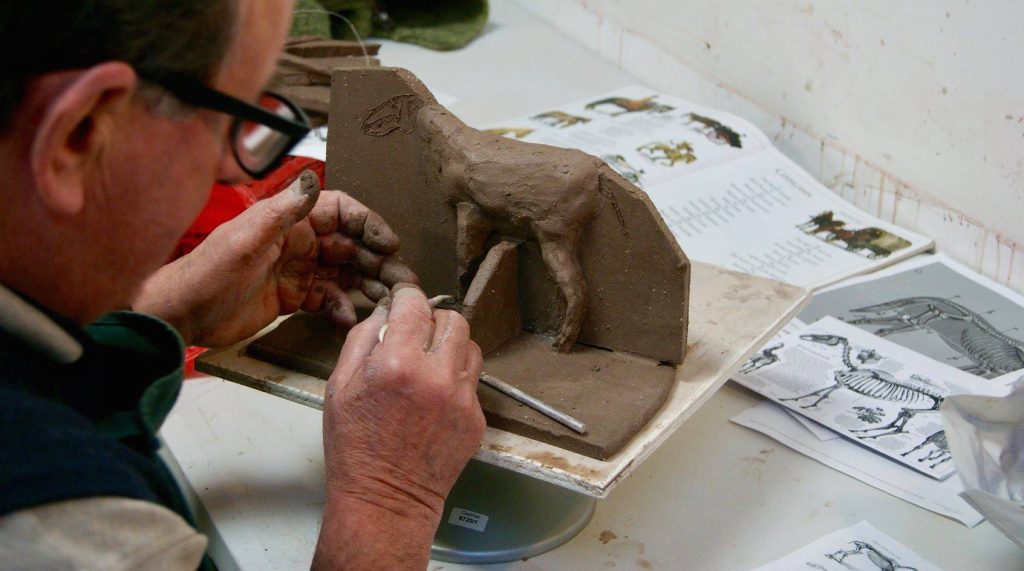
- Armature Construction: For larger pieces, incorporating a strong armature—a supportive framework—is essential. This structure, typically made from materials like wire or wood, serves as the backbone of the sculpture, helping to maintain stability and form while adding dimensionality to the work. This technique is especially useful when creating human figures or large abstract forms.
- Hollowing and Thinning: As sculptures develop, it is important to create an appropriate wall thickness. Techniques for hollowing and thinning the clay help reduce weight and prevent cracking during drying and firing. Many artists use tools to systematically remove material from the inside of the piece, ensuring structural integrity without compromising artistic detail.
- Firing Techniques: Understanding various firing techniques also plays a crucial role in advancing one’s skill. Techniques such as raku firing, pit firing, and electric kilns each produce unique results and finishes. Artists may experiment with these different methods to achieve the desired surface quality and effects, enhancing the visual and tactile appeal of their sculptures.
Incorporating Mixed Media
As artists begin to grasp the intricacies of clay, they may realize that the integration of mixed media can enhance their creative expressions. Whether it’s incorporating found objects, metal, glass, or other materials, mixed media provides a platform for innovative exploration. Here’s how sculptors can effectively utilize mixed media:
- Combining Textures: By blending clay with other materials, artists can create dynamic contrasts in texture, elevating the complexity of their work. For instance, embedding metal pieces within clay can add a modern twist to traditional forms.
- Layering Techniques: Coating sketches with additional clay layers or using slip (liquid clay) to apply intricate surface designs allows sculptors to express their ideas in multi-dimensional ways. Layering introduces depth, breaking away from the monochromatic look that clay often presents.
- Color Exploration: Utilizing underglazes, glazes, and paint can transform a clay piece entirely. Mastery of color application can lead to striking works of art that draw a viewer’s attention not just to form, but also to hue and finish.
As sculptors navigate the realm of advanced clay modeling techniques, they will find that the evolution of their skills not only enhances their craftsmanship but also their personal style. The exploration of diverse methods and the integration of other artistic elements opens new avenues for self-expression. Engaging with various techniques turns each work into a unique narrative, enticing art lovers to take a closer look at the subtle intricacies of sculptural art.
DIVE DEEPER: Click here to uncover the art of tapestry techniques
Conclusion: The Journey of Clay Modeling
In exploring clay modeling techniques, from the fundamental methods to the more sophisticated approaches, sculptors embark on a transformative journey that significantly enriches their artistic expression. The transition from basic skills to intermediate and advanced techniques, including armature construction, hollowing, and the incorporation of mixed media, empowers artists to push their creative boundaries. As they experiment with various firing techniques and color applications, the opportunities for innovation become limitless.
Additionally, the integration of mixed media not only allows for a fusion of textures and forms but also opens doors to new artistic narratives that capture the imagination of audiences. By developing a keen understanding of material properties and experimenting with unconventional combinations, sculptors can create one-of-a-kind pieces that resonate on multiple levels.
As artists refine their skills and explore diverse techniques, they cultivate their unique styles, transforming clay into a medium rich with personal meaning and emotive power. Ultimately, the journey through clay modeling is not just about mastering techniques; it is a profound exploration of artistic identity and expression that continues to evolve. Therefore, sculptors are encouraged to embrace the learning process with curiosity and courage, inviting others to witness the intricate stories that their clay creations tell. Whether you are just starting or reaching advanced levels, the world of clay modeling is an ever-expanding canvas that invites you to create, innovate, and inspire.