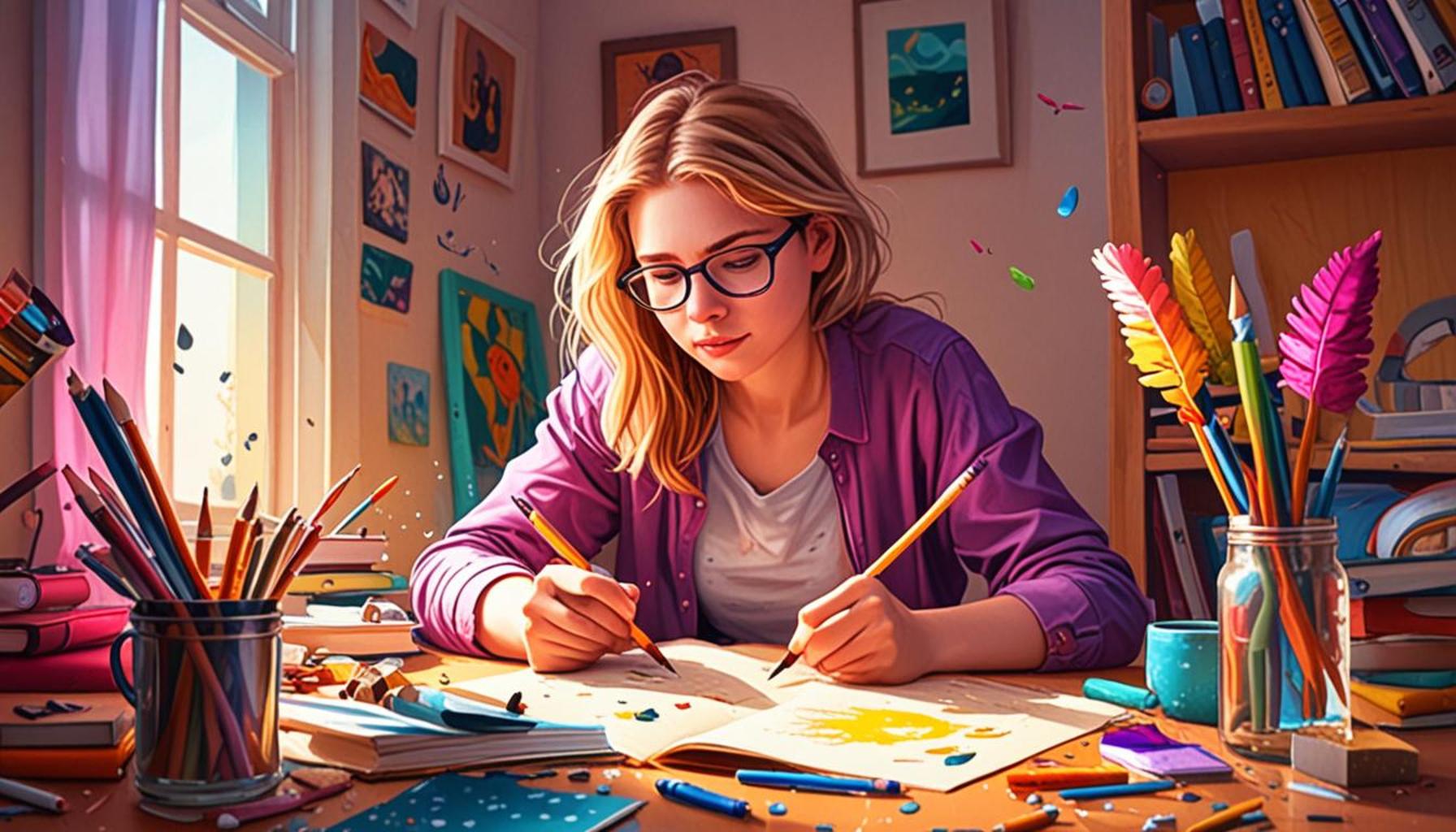
Collaborative Creative Writing: Building Stories in Groups

The Power of Creative Collaboration
Have you ever stopped to consider how the art of storytelling can flourish when multiple voices come together? Collaborative creative writing is an enchanting process in which individuals unite, merging an array of diverse perspectives and imaginative ideas to construct engaging narratives. This approach not only enriches the storytelling experience but also fosters a vibrant community among participants, making the act of writing a truly shared endeavor.
In the realm of collaborative writing, every contributor brings a unique voice and creative flair to the table. This collective effort leads to the emergence of multifaceted stories that can transcend the limitations of a single author’s imagination. Consider a neighborhood writing group where each member contributes their life experiences, cultural backgrounds, and individual writing styles. The resulting stories might weave together vivid character arcs and intricate plots, enriched by a tapestry of life’s experiences.
Benefits of Collaborative Writing
Here are some notable features that highlight the benefits of this creative process:
- Diverse Perspectives: Each writer’s unique viewpoint provides depth to character development, allowing for richer personalities and interactions. For instance, a collaboration might include perspectives from a young adult, a retiree, and a teacher, leading to a more nuanced exploration of themes like youth or shared wisdom.
- Shared Responsibility: By distributing the workload of writing, participants can alleviate the pressure often associated with the creative process. This is particularly beneficial in combating writer’s block, as the ideas and energy of fellow writers can spark new inspiration.
- Feedback and Growth: Engaging in this form of writing exposes individuals to constructive criticism from peers, leading to enhanced writing skills and increased confidence. By receiving input from various viewpoints, writers can learn to refine their craft more effectively than when working in isolation.
Where to Collaborate
Successful examples of collaborative writing span various formats and platforms. Online spaces such as Wattpad, where countless writers gather to share and co-create stories, exemplify this trend. Fan fiction communities also thrive on collaboration, with groups crafting alternative endings to beloved series or integrating original characters into existing universes. Additionally, local workshops and writing circles across the United States often host events encouraging group storytelling, offering participants opportunities to connect, innovate, and enhance their craft.
Moreover, educational institutions increasingly recognize the value of collaborative writing. Schools and community centers frequently organize events where students and community members join forces to write scripts, anthologies, or poems, fostering creativity and camaraderie among diverse age groups.
As we delve deeper into the art of group storytelling, we unearth the techniques and advantages that make collaborative writing a fulfilling experience for writers of all skill levels, from seasoned authors to enthusiastic novices. Discovering this rich tapestry of creativity offers endless opportunities for personal growth and artistic exploration.
DIVE DEEPER: Click here to uncover the power of creative writing
Unlocking the Creative Process
Collaborative creative writing opens the door to a vast expanse of creativity, where writers can harness their collective imaginations to enhance the storytelling process. Unlike traditional writing, where an author navigates their vision in solitude, this group dynamic allows for an exhilarating exchange of ideas, paving the way for innovative narratives that might otherwise remain unexplored. The essence of collaborative writing lies in its ability to spark conversations and inspire storytellers to stretch their creative boundaries.
One of the most compelling aspects of collaborative writing is the concept of co-creation. Participants can delve into a variety of creative exercises that encourage brainstorming and spontaneous contributions. These activities range from prompt-based sessions where writers respond to specific themes or images, to improvisational storytelling, where each person contributes a sentence or paragraph that builds upon the last. This fluid interchange helps to create layers within the story, enriching characters and plotlines in ways that might not occur in solo writing.
Techniques to Enhance Collaboration
To fully embrace the potential of collaborative writing, consider the following techniques aimed at enhancing participation and creativity in group settings:
- Brainstorming Sessions: Start with an informal gathering where participants can throw out ideas without fear of judgment. Utilizing tools like mind maps can help visualize connections and spark further inspiration.
- Role Rotation: Assign different roles within the group, such as a plot designer, character developer, or dialogue specialist. This approach encourages participants to step outside of their comfort zones and contribute in new ways.
- Writing Retreats: Organize dedicated time where writers can retreat from their daily lives and focus solely on collaborative writing. This uninterrupted period can lead to intense brainstorming and refinement of ideas.
Engaging in these techniques not only fosters creativity, but also builds strong relationships among participants. Sharing vulnerabilities in writing can lead to powerful connections, as individuals feel more comfortable exploring sensitive themes or personal stories within a supportive environment. As trust develops, the quality of the narrative is likely to improve, as group members become more willing to explore unconventional ideas.
Furthermore, incorporating technology into collaborative writing has never been easier. Platforms like Google Docs allow real-time editing and feedback, enabling writers to contribute asynchronously. Online forums and social media groups provide an additional layer of connectivity, allowing writers from different locations to collaborate on projects without the constraints of geography. This flexibility makes collaborative creative writing accessible to an even broader audience, ensuring that diverse voices are amplified in the narrative landscape.
As we explore the importance of preparation and technique in collaborative writing, it becomes evident that this form of storytelling is not just about the final product but the enriching experience that unfolds through the process itself. By embracing collaborative efforts, writers can cultivate not only enhanced storytelling capabilities but also lasting friendships and a communal passion for creative expression.
| Category | Description |
|---|---|
| Enhanced Creativity | Collaborating with others brings diverse perspectives and ideas, greatly elevating the creative process. |
| Community Building | Participating in group writing fosters connections among writers, creating supportive networks that inspire and motivate. |
The theme of Collaborative Creative Writing offers an engaging platform where writers come together to co-create narratives. This communal approach not only enhances the quality of storytelling through the sharing of unique ideas but also builds a vibrant community. Writers gain access to a supportive network, providing feedback and encouragement that can be crucial in the often solitary journey of writing. Furthermore, the collaborative nature allows for a dynamic exploration of themes and characters, pushing boundaries far beyond solitary efforts. By drawing from each other’s strengths and experiences, participants can unlock new skills and insights. This rich interplay of creativity not just hones individual talents but shapes compelling stories that resonate with wider audiences. Join fellow writers in this exciting endeavor and watch authentic connections transform into striking literary works.
DISCOVER MORE: Click here to delve into the art of creative writing
Embracing Diverse Perspectives
At the heart of collaborative creative writing lies the exchange of diverse perspectives, which can dramatically enhance the richness and depth of storytelling. When individuals from varied backgrounds come together to share their unique experiences, they create a tapestry of ideas that can elevate a simple narrative into an intricate work of art. This fusion of voices not only broadens the range of creativity but also ensures that the stories being told resonate with a wider audience.
Incorporating varied perspectives can lead to more authentic characters and plots that reflect the complexities of real life. For example, a group consisting of writers from different ethnicities, genders, and life experiences will inevitably contribute contrasting viewpoints which can help avoid stereotypes and clichés that often plague solo writing projects. The interplay of these perspectives can serve as a foundation for compelling dialogue, creating characters that are relatable and multidimensional.
Cultivating Inclusivity in Creative Spaces
Building an inclusive environment is essential for maximizing the benefits of collaborative writing. Here are some strategies to cultivate inclusivity within writing groups:
- Establish Ground Rules: Create a safe space for all participants by establishing clear guidelines. These can involve respecting differing opinions, providing constructive feedback, and honoring confidentiality, allowing writers to express themselves freely.
- Encourage Individual Voices: While collaboration is key, it is important to ensure that every writer’s voice is heard and valued. Designate moments during group discussions for individuals to share their personal stories or insights that could enrich the narrative.
- Celebrate Differences: Rather than shying away from topics that may be sensitive or controversial, embrace them as opportunities to deepen the story. Discussing personal experiences related to these themes can lead to groundbreaking ideas and foster connections among writers.
Additionally, collaborative writing can serve as a bridge for communities to come together and facilitate understanding. For instance, community-based writing projects that engage various groups can offer valuable insights into social issues, explore cultural narratives, and promote empathy. By allowing individuals to share their experiences authentically, group storytelling can stimulate crucial conversations around themes such as identity, trauma, and resilience.
Diving into collaborative projects also offers writers the chance to experiment with genres and styles they might not have typically pursued alone. Exploring hybrid genres or alternative narrative forms, such as combining poetry with prose or integrating multimedia elements, can awaken new inspirations. Writers are encouraged to challenge traditional narrative structures and experiment with nonlinear storytelling, leading to innovative and diverse works.
Research has shown that groups dedicated to shared creative pursuits can lead to not only increased production but also greater satisfaction among participants. According to a study by the American Psychological Association, engaging in group creativity can foster higher levels of motivation and enjoyment, thus enriching the overall writing experience.
As collaborative creative writing continues to gain traction, writers are encouraged to embrace the diverse pool of talent surrounding them. The collective storytelling journey allows for a treasure trove of insights and innovation, paving the way for narratives that are not just stories, but shared experiences woven together through the power of collaboration. These connections reinforce the idea that creativity is not a solitary endeavor but a communal exploration that can leave a lasting impact on both the creators and their audience.
DISCOVER MORE: Click here to learn how music can elevate your confidence
Conclusion: The Synergy of Collaborative Creativity
In today’s rapidly evolving literary landscape, the art of collaborative creative writing offers a refreshing approach to storytelling. By fostering an exchange of diverse perspectives, writers can enrich their narratives with multifaceted characters and plots that resonate with authenticity. Inclusivity serves as a cornerstone for this collaborative environment, enabling each participant to contribute their unique voice while actively listening to others, ultimately leading to a cohesive story that reflects a collective experience.
Engaging in group storytelling not only enhances creativity but also builds community. Those involved in collaborative writing projects can find a shared purpose, often leading to meaningful connections that transcend the initial aim of mere narrative construction. As writers navigate through different genres and styles, they unlock new avenues of expression, breaking free from conventional boundaries while exploring themes relevant to contemporary society.
Moreover, research highlights the psychological benefits of communal creativity, suggesting that collaboration boosts motivation and satisfaction among writers. These findings underscore the idea that collaboration can transform writing into a dynamic and rewarding process. By embracing the power of collaboration, writers can breathe new life into their creative endeavors, producing stories that not only entertain but also provoke thought and inspire dialogue.
As the literary world continues to evolve, writers are encouraged to explore the vast potential of collaborative creative writing. By leveraging shared insights and experiences, they can craft narratives that speak to the hearts of many, creating a lasting impact that reverberates far beyond the pages. The future of storytelling lies in the hands of those willing to embark on this journey of collaboration, unlocking doors to innovation, connection, and profound creative fulfillment.