Coloring Mandalas: A Creative Approach to Stress Reduction Through Puzzles
Unlocking Creativity and Calm
In today’s fast-paced world, stress has become a common foe. From work-related pressures to personal commitments, it can feel overwhelming. Interestingly, a simple yet effective tool for relaxation lies within the realm of coloring mandalas.
What Are Mandalas?
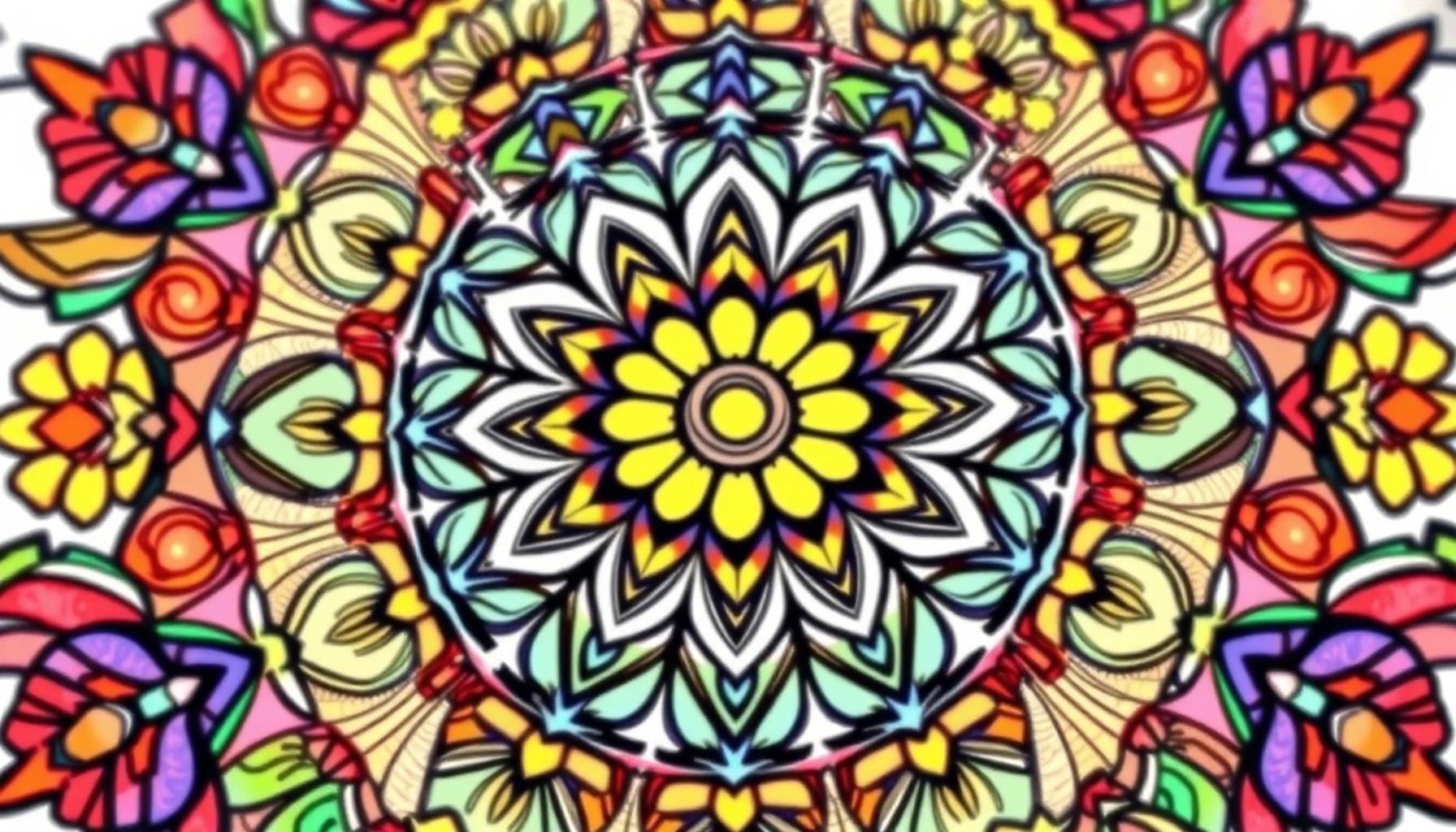
Mandalas are intricate geometric designs, often circular, that have been used across cultures for centuries, notably in Hinduism and Buddhism. These visually captivating patterns symbolize the universe and serve various purposes, ranging from spiritual practice to artistic expression. For those seeking innovative ways to unwind, coloring mandalas can be a transformative experience. Here are some benefits of engaging with mandalas:
- Enhances focus: The repetitive nature of coloring can bring your mind into a meditative state. This focused activity can create a serene mental space, enabling individuals to disconnect from the chaos of daily life.
- Boosts creativity: Choosing colors and patterns fosters artistic exploration. This activity ignites the imagination and encourages personal interpretation, making it a beautiful fusion of art and introspection.
- Reduces anxiety: The rhythmic motion of coloring can calm racing thoughts. Studies have shown that engaging in such creative processes can lower heart rates and promote relaxation.
Why Coloring?
Coloring, particularly mandalas, offers more than mere entertainment. It’s a creative outlet that allows individuals to:
- Express emotions: Use colors to convey feelings that may be hard to articulate. For example, cool colors like blues and greens can signify calmness, while warmer shades of red and orange might reflect energy or passion.
- Practice mindfulness: Engage fully in the present moment, fostering mental clarity. This focus on the present can help individuals break free from the cycle of stress-induced thinking.
- Gain therapeutic benefits: Many therapists recommend coloring as a relaxation technique. Art therapy has gained recognition in psychological circles, demonstrating how creative outlets can contribute to emotional well-being.
As we delve deeper into this captivating approach to stress reduction, consider how integrating mandalas into your routine can transform your mental well-being. You don’t need to be an artist to reap the benefits; coloring books specifically designed for adults have become popular in bookstores and online platforms alike. With resources increasingly accessible, your path to tranquility and self-discovery is just a color away.
In communities across the United States, workshops and classes centered around mandala coloring have sprung up, creating spaces for individuals to gather and connect. Whether it’s a local library hosting a coloring night or dedicated online groups sharing their completed works, the mandala movement is igniting a sense of communal calm that is worth exploring. From students to professionals, anyone can find solace in this art form, making it a universally accessible tool for relaxation.
DISCOVER MORE: Click here to learn about the impact of puzzle apps on your memory
Exploring the Therapeutic Landscape of Coloring
The resurgence of interest in coloring mandalas can be attributed to the multitude of therapeutic benefits they offer. Beyond mere relaxation, these intricate patterns serve as a powerful tool for emotional and mental wellness. In recent years, a variety of studies have emerged, supporting the idea that engaging with these designs can enhance both psychological and physiological health. This innovative approach to stress reduction goes beyond simple play; it intertwines creativity with emotional exploration.
Bridging Art and Mental Health
Art therapy has long been used as a treatment modality, where creative processes provide individuals an avenue for self-expression and healing. The mandala, a form of circular art, represents wholeness and unity, which resonates deeply with those seeking inner peace. When participants immerse themselves in the act of coloring mandalas, they often experience:
- Emotional Release: Utilizing colors to fill these geometric shapes allows individuals to unearth and express emotions they may struggle to articulate. This engagement can lead to insights about oneself and promote emotional literacy.
- Cognitive Reset: Focusing on the symmetry and design of mandalas encourages a mental break from the rigid routines of daily life. This cognitive escape fosters new perspectives and insights that can aid in problem-solving.
- Social Connections: Participating in group coloring sessions or online forums can promote feelings of belonging. Sharing one’s creations becomes a source of support, nurturing community bonds through creativity.
These profound impacts can lead to not just individual benefits, but also a ripple effect that extends to relationships and environments. The incorporation of mandalas into therapy settings is on the rise, with psychologists and counselors recommending them for their capacity to facilitate healing conversations.
Access and Popularity
The accessibility of mandala coloring has contributed significantly to its popularity in the United States. Many bookstores now showcase adult coloring books specifically featuring mandalas, while online platforms offer a plethora of printable options. Mobile applications focused on digital coloring are also gaining traction, catering to tech-savvy individuals who prefer to unwind through their smartphones or tablets. The options are nearly limitless, allowing anyone interested to easily find resources that suit their taste and needs.
In addition, social media platforms have played a role in the mandala movement, with countless users sharing their finished works and supporting one another in the creative process. This digital community serves as both inspiration and motivation, encouraging participants to explore further into this relaxing hobby.
As more individuals recognize the myriad benefits associated with coloring mandalas—be it for self-care, stress management, or even social connection—the practice becomes a valuable part of a holistic approach to mental wellness. The exploration of this colorful landscape illustrates how even the simplest activities can yield profound dividends in cultivating a serene mind.
| Category | Key Features |
|---|---|
| Enhancement of Focus | Engaging in coloring mandalas helps improve concentration and focus by allowing individuals to immerse themselves in a rhythmic and repetitive task. |
| Therapeutic Benefits | Coloring mandalas acts as a form of mindfulness therapy, reducing anxiety and promoting relaxation through the calming patterns. |
| Creative Expression | Participants can express their emotions and artistic preferences, making each mandala uniquely theirs and enhancing personal creativity. |
| Social Interaction | Group coloring sessions foster community bonds, providing a shared experience that enhances social skills and reduces feelings of isolation. |
Incorporating mandala coloring into one’s routine not only stimulates creativity but also promotes a sense of tranquility amidst the chaos of modern life. The art form encourages individuals to slow down and focus on the present moment, leading to a profound reduction in stress levels. This multifaceted approach to stress relief showcases the power of creative activities in enhancing mental health and emotional well-being. Combined with the benefits listed above, exploring the practice of coloring mandalas becomes an invaluable tool for anyone looking to enhance their personal wellness journey.
DISCOVER MORE: Click here to learn about the benefits of riddles
The Science Behind Coloring and Relaxation
As interest in coloring mandalas grows, so does the scientific inquiry into the mechanisms that make this practice so beneficial. Research suggests that the act of coloring activates different areas of the brain associated with focus, creativity, and emotional regulation. For instance, a notable study published in the journal Art Therapy revealed that spending just 30 minutes coloring intricate designs significantly reduced anxiety levels among participants. The structured yet creative outlet provided participants a form of mindfulness that has increasingly become recognized as effective in stress management.
The Connection to Mindfulness
Mindfulness is a state of active, open attention to the present moment, an approach that promotes mental clarity and emotional wellness. When individuals color mandalas, they engage in a form of mindfulness that captures their focus, detaching them from the chaotic thoughts often experienced in daily life. This immersion leads to a state of flow—where one loses track of time—as the repetitive motion of coloring can lead to a meditative effect. Many practitioners note that this mental state mirrors established mindfulness techniques such as meditation and yoga.
Moreover, studies highlight that incorporating mindfulness through activities like coloring can stimulate the parasympathetic nervous system, often referred to as the body’s “rest and digest” system. This activation lowers heart rates and reduces stress hormones, contributing to overall mental and physical well-being.
The Role of Color Psychology
Another fascinating element to consider is color psychology, the study of how colors impact human emotions and behaviors. Each color can evoke a range of feelings, and when used in mandalas, individuals can subconsciously channel their emotions through their color choices. For example:
- Blue: Often associated with tranquility and calmness, individuals may choose blue tones to promote relaxation.
- Yellow: This color may convey feelings of happiness and positivity, often uplifting the mood during the coloring process.
- Green: Linked to nature and restoration, green can provide emotional balance and a sense of peace.
The act of intentionally selecting colors facilitates conscious emotional exploration, enabling individuals to address feelings they may not experience in ordinary circumstances. This creative process encourages a deeper understanding of oneself and can lead to greater emotional resilience.
Integrating Mandalas into Therapy and Daily Life
Incorporating mandalas into therapy sessions signifies a trend toward holistic treatment approaches in mental health. Therapists are increasingly using mandala coloring as a tool for helping clients articulate feelings and confront issues they find challenging. Furthermore, schools and workplaces are also beginning to embrace this colorful method by organizing group coloring events which promote team bonding and stress relief.
As the understanding of mental health continues to evolve, the emphasis on integrating art therapies like mandalas into daily routines is expected to grow. Simple tools and resources are readily available—be it through a local bookstore, community center, or online platforms—which allow anyone to explore the therapeutic benefits of coloring. Whether taken up as a casual hobby or integrated into comprehensive wellness programs, coloring mandalas undeniably presents a satisfying means of relaxation, emotional exploration, and personal expression.
DISCOVER MORE: Click here to dive deeper
Conclusion
In a world increasingly marked by stress and overwhelming demands, coloring mandalas emerges not only as a creative outlet but also as a powerful tool for stress reduction. The integration of art therapy into daily practices aligns meticulously with contemporary mental health understanding, proving that simple yet purposeful activities like coloring can yield profound psychological benefits. As explored, the scientific backing—the activation of specific brain regions and the stimulation of the relaxation response—calls attention to the intricate relationship between creativity and mental health.
The concept of mindfulness through coloring allows individuals to immerse themselves in the present, fostering a state of flow that diverts their minds from anxiety, making way for clarity and emotional healing. Furthermore, the allure of color psychology offers a unique dimension to this practice, as each hue encourages introspection and emotional release tailored to personal experiences. As more professionals within therapeutic and educational settings embrace mandalas, their value as a collective bonding activity boosts morale and enhances well-being in communal environments.
Ultimately, the act of coloring mandalas can be as straightforward or as transformative as one chooses, serving not only as a passionate pursuit of art but an accessible method for achieving self-awareness and emotional balance. As individuals navigate their stressors, integrating this vibrant activity into their everyday lives might just be the colorful escape they need. Whether it is through expert-guided sessions, community workshops, or personal leisure time, coloring mandalas signifies a bright pathway to mental wellness, inviting everyone to rediscover the joy of creativity and the therapeutic power it holds.
Related posts:
The Soothing Effects of Puzzle Games on Mental Well-being: Exploring Their Role in Stress Relief
Harnessing the Power of Escape Room Games for Stress Reduction and Team Building
Mindfulness and Jigsaw Puzzles: How Assembling Pieces Can Enhance Relaxation
How Word Search Puzzles Provide a Calming Escape from Daily Stressors
Mindfulness and Meditation: How Jigsaw Puzzles Promote Relaxation
Using Rubik's Cube as a Mind Game for Stress Relief and Cognitive Engagement

Linda Carter is a writer and puzzle expert specializing in mind games, brain teasers, and cognitive challenges. With extensive experience helping individuals enhance their problem-solving skills and think critically, Linda shares her knowledge on our platform. Her goal is to empower readers with practical advice, engaging puzzles, and strategies to sharpen their minds and achieve success in the captivating world of mind games and puzzles.