Creating Handmade Jewelry: Assembly Techniques and Custom Design
Understanding the Art and Craft of Handmade Jewelry
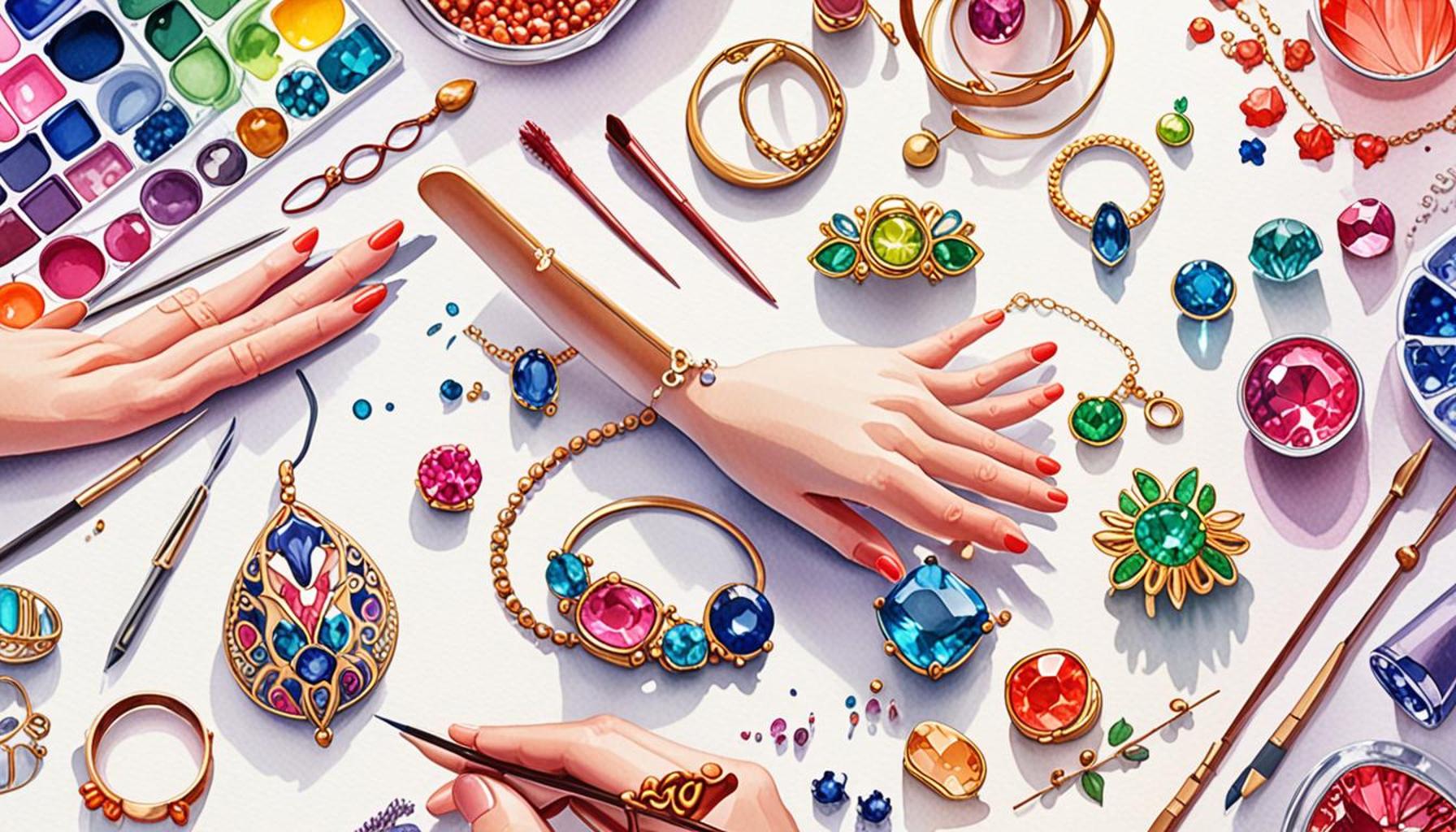
Handmade jewelry is a captivating amalgamation of artistry, style, and personal flair that transcends mere fashion. Unlike mass-produced items that often lack character and individuality, each handcrafted piece serves as a narrative of creativity and personal expression. The allure of handmade jewelry lies in its ability to resonate with the wearer, showcasing their unique personality and taste.
Assembly Techniques play a crucial role in this craft. Techniques such as wire wrapping, beading, and metal smithing are just a few examples that unleash a flood of creativity. Wire wrapping, for instance, allows artists to create intricate designs by twisting and turning wire around stones and other materials, resulting in stunning focal pieces that catch the eye. Beading, on the other hand, offers vast possibilities with the endless combinations of colors, shapes, and sizes available today, enabling artisans to express their aesthetic vision. Metal smithing, which involves forging and molding metal, provides a chance to create everything from delicate pendants to robust statement pieces. These techniques invite both seasoned makers and curious beginners to experiment and find their signature styles.
- Custom Design: Tailoring designs to meet the specific preferences of an individual means that every piece is not just an accessory; it is a story waiting to be shared. For example, someone might choose to incorporate a gemstone that holds personal significance—be it a birthstone or a stone representative of a meaningful life event—further deepening the sentimental value of their jewelry.
- Material Choices: The exploration of various materials is another vital aspect. Artisans can select from an impressive array, including exquisite gemstones, vibrant glass, or even sustainable options like recycled metals. This emphasis on sustainability is particularly appealing in today’s environmentally conscious market, where consumers are increasingly drawn to eco-friendly practices.
Diving into the craft of handmade jewelry not only enhances your skills but also fosters a profound sense of accomplishment as you watch raw materials transform into beautiful artworks. Whether you are a novice eager to explore or an experienced artisan fine-tuning your craft, understanding the right techniques is essential. With a balanced combination of exploration and practice, one can elevate their jewelry-making capabilities, potentially leading to the creation of standout pieces that can be treasured for years.
This article promises to illuminate essential assembly methods and provide insightful steps to bring your custom designs to life. So, gather your materials and tools, and let’s embark on this creative journey together, discovering the remarkable world of handmade jewelry!
DIVE DEEPER: Click here to discover more about artistic expressions</
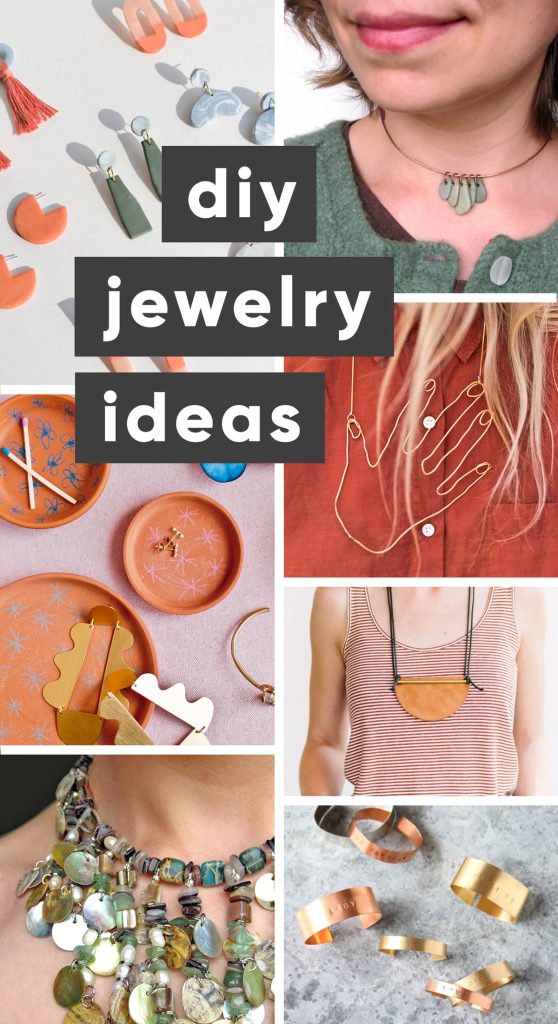
Essential Assembly Techniques for Handmade Jewelry
Creating handmade jewelry begins with a solid understanding of various assembly techniques, which are fundamental to bringing your vision to life. Each method has its own unique charm and offers distinct possibilities for creativity. Let’s delve into some popular approaches that can serve as a springboard for your artistic journey.
Wire Wrapping
Wire wrapping is an engaging technique that enables artisans to manipulate wire into intricate shapes and patterns. This method can be utilized to secure stones, create decorative elements, or even fashion entire pieces of jewelry. The beauty of wire wrapping lies in its flexibility; you can use different types of wire, ranging from copper and silver to gold-filled materials, depending on the desired effect and aesthetic. Various tools, such as pliers and cutters, allow for precision and control, and with practice, you can produce stunning wire-wrapped pendants, rings, and earrings that dazzle.
Beading
Another versatile technique is beading, which involves stringing together beads using materials like thread, wire, or cord. The possibilities with beading are virtually limitless, offering opportunities to mix and match various types of beads, including glass, stone, and wood, to create unique designs. Color combinations, patterns, and textures can be explored to make your jewelry truly one-of-a-kind. Tools such as needles and beading mats can aid in the design process, and beginners might start with simple patterns to build confidence before moving on to more complex designs.
Metal Smithing
Metal smithing is a more advanced technique that involves manipulating metal through techniques such as soldering, cutting, and hammering. This craft allows for the creation of durable, personalized pieces that can range from delicate bracelets to bold statement necklaces. Understanding the properties of different metals, like silver, brass, or gold, is essential, as each material behaves uniquely under various tools and techniques. With metal smithing, one can create intricate designs that not only showcase artistry but also encompass functionality.
Combination Techniques
Many artisans find that combining multiple techniques can yield exceptional results. For instance, integrating wire wrapping with beading can create a focal statement piece that captures attention while displaying individual creativity. Additionally, one might incorporate metal elements alongside beads, resulting in a striking contrast that draws the eye. The key is to experiment and find a harmonious balance that represents your personal style.
- Beginner-Friendly Techniques: For those just starting, wire wrapping and simple beading projects can build foundational skills.
- Advanced Techniques: As you gain confidence, exploring metal smithing can elevate your craftsmanship to a professional level.
- Creative Fusion: Consider merging different techniques for innovative designs that stand apart in both craftsmanship and style.
By mastering these assembly techniques, you not only develop your technical skills but also discover your unique artistic voice. Each technique offers different pathways for creativity, leading to jewelry that is not only beautiful but rich in personal meaning.
| Advantages of Assembly Techniques | Custom Design Benefits |
|---|---|
| Versatility | Personal Expression |
| Assembly techniques allow artists to combine various materials and styles, leading to unique creations. | Custom designs enable the maker to personalize jewelry, ensuring it resonates with the buyer’s taste. |
| Efficiency | Market Differentiation |
| Techniques streamline the manufacturing process, allowing for quicker production without sacrificing quality. | Unique custom pieces stand out in a crowded market, attracting customers seeking one-of-a-kind jewelry. |
The advantages of employing specific assembly techniques and embracing custom design can elevate the art of creating handmade jewelry. Not only do these practices provide versatility and efficiency, but they also enhance personal expression and market differentiation. Creative assembly enables artisans to experiment with materials, forming distinctive styles and enhancing their offerings. This method not only speeds up the production process but also maintains exceptional quality, crucial for gems that catch the eye. Furthermore, the allure of personalized jewelry taps into buyers’ desires for individual expression, setting these creations apart in a competitive landscape filled with mass-produced items. Thus, understanding these core elements can be vital for anyone looking to thrive in this artistic venture.
DISCOVER MORE: Click here to uncover creative DIY projects
Innovative Design Strategies for Custom Jewelry
While mastering assembly techniques is essential for creating handmade jewelry, developing a unique and custom design is equally important in establishing your artistic identity. Implementing distinctive design strategies can further elevate your creations and attract the attention of jewelry enthusiasts. Let’s explore several innovative approaches that can inspire you to infuse your style into your handmade pieces.
Nature-Inspired Design
One popular trend in handmade jewelry is drawing inspiration from nature. Utilizing organic shapes, colors, and textures can evoke emotions and create a connection between the wearer and the environment. For example, consider mimicking the curves of a leaf or the jagged edges of a rock in your designs. Using natural stones can also enhance this theme, as each stone tells its own story with distinctive patterns and hues. Incorporating elements like wood, shells, or gemstones not only adds depth to your designs but also emphasizes the beauty of the natural world.
Personal Symbolism
Custom jewelry often carries personal significance, serving as a reflection of individual stories or milestones. Consider integrating symbols that represent key aspects of your life or the lives of those you create for. This could include birthstones, initials, or motifs that have special meaning to the wearer. For instance, creating a necklace with each family member’s birthstone can celebrate familial bonds while adding a personal touch to the piece. Emphasizing personal connections can transform a simple accessory into a cherished keepsake.
Minimalist vs. Maximalist Aesthetics
The design philosophy you choose can greatly influence the appeal of your handmade jewelry. Minimalist aesthetics focus on clean lines, simple shapes, and a “less is more” mentality, making pieces versatile and easy to style. For instance, a delicate gold chain with a single pendant can make a statement without overwhelming the outfit. On the other hand, maximalist aesthetics embrace bold colors, intricate patterns, and layered elements, encouraging wearers to express their individuality and creativity. For example, a stack of colorful beaded bracelets can add vibrant energy to any look. Understanding your target audience’s preferences can guide your design choices in either direction.
Functional Design
Incorporating functionality into your jewelry designs can set your work apart. Consider creating pieces that serve a dual purpose, such as necklaces that can transform into bracelets or earrings that double as pendants. Functional design not only enhances the utility of the jewelry but also attracts a broader customer base who appreciates practicality in their accessories. Additionally, exploring adjustable components—like chains with multiple lengths—can allow wearers to tailor the fit and style to suit different occasions.
- Embrace Nature: Use organic shapes and colors to celebrate the beauty of the environment.
- Add Personal Touch: Incorporate symbols or initials to create meaningful connections through your designs.
- Know Your Aesthetic: Decide between minimalist and maximalist approaches to cater to your audience’s preferences.
- Functionality Matters: Create pieces that serve multiple purposes while maintaining style.
By exploring these innovative design strategies, you can develop a distinctive style that not only showcases your craftsmanship but also resonates with the sentiment of those who wear your work. Jewelry is more than just adornment; it is an expression of identity, emotion, and personal history.
DISCOVER MORE: Click here to dive into the world of literary genres
Conclusion
Creating handmade jewelry is a journey that beautifully intertwines assembly techniques with the essence of custom design. Mastery of various techniques gives artisans the foundation needed to bring their creative visions to life, but it is the unique design elements that truly define their work. Whether drawing inspiration from the richness of nature or embedding personal symbolism, every piece of jewelry becomes a poignant narrative waiting to be worn.
As you explore different aesthetics—be it minimalist elegance or maximalist vibrancy—remember that understanding your audience is crucial. Each piece crafted holds the potential to resonate with wearers, enhancing their personal style and daily experiences. Moreover, functional designs can elevate the value of your creations, merging utility and artistry to appeal to a broader market.
Ultimately, the world of handmade jewelry goes beyond mere craftsmanship; it is an opportunity for self-expression, creativity, and forging connections through meaningful designs. By embracing innovative strategies and continuously refining your techniques, you position yourself as not just a creator but as a storyteller through your jewelry. This evolving art form invites both makers and wearers to celebrate individuality, making each piece a unique reflection of identity and emotion.
As you embark on or continue your journey in the handmade jewelry space, stay curious, experiment boldly, and allow your creativity to shine. There is no limit to what can be created when passion and techniques come together in harmonious design.