DIY Beauty Projects: How to Make Natural Personal Care Products at Home
Exploring the World of DIY Beauty
In recent years, the rise of DIY beauty projects has revolutionized personal care, with enthusiasts turning their kitchens into vibrant apothecaries. This trend highlights a growing interest in creating natural personal care products at home, driven by a desire for sustainability, personalization, and transparency in beauty practices. With many consumers becoming increasingly aware of the ingredients in commercial products, the ability to control what goes onto one’s skin is not just appealing—it’s empowering.
Engaging in DIY beauty offers some remarkable advantages. For starters, it is undeniably cost-effective. By producing your own items, you can save a considerable amount of money—luxurious creams and serums often come with hefty price tags, while basic ingredients like coconut oil, aloe vera, and essential oils are relatively inexpensive. For example, purchasing a small jar of shea butter from a local market can cost under $10, while a comparable cream from a leading brand might set you back over $50.
The eco-friendly aspect of DIY beauty cannot be overstated. As consumers increasingly prioritize the environment, creating products from natural ingredients not only helps reduce chemical exposure, but it also minimizes packaging waste. Opting for reusable containers, such as glass jars or recycled plastic bottles, further enhances the sustainability factor. In a world battling plastic pollution, this small shift can have significant effects.
The beauty of DIY beauty projects is in their personalization. Each individual has unique skin types and preferences. Whether you have sensitive skin, oily skin, or something in between, creating customized formulas ensures optimal results. For example, a simple honey and oatmeal face scrub can be tailored for sensitive skin by adjusting the honey to oatmeal ratio, making it a gentle exfoliant that nourishes the skin.
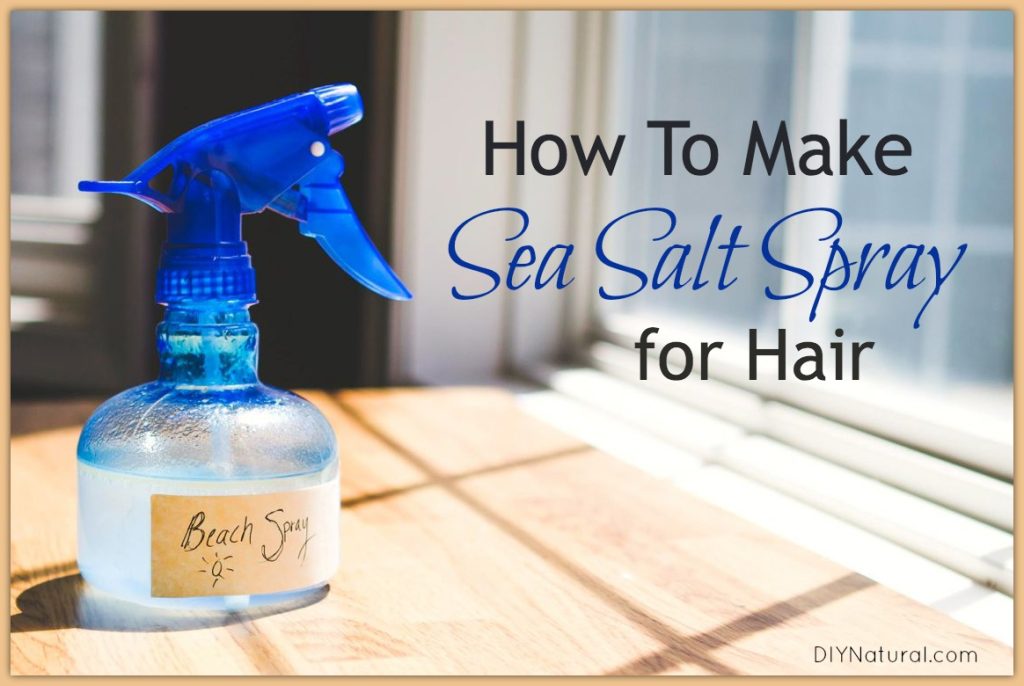
Popular DIY projects abound, ranging from soothing face masks to invigorating body scrubs. Here are a few ideas to spark your creativity:
- Coconut oil lip balm: Only a few ingredients, such as coconut oil and beeswax, create a nourishing balm that hydrates your lips naturally.
- Honey face scrub: Combine raw honey with sugar for an exfoliating scrub that cleanses while retaining moisture.
- Avocado hair mask: Blending ripe avocado, olive oil, and honey hydrates dry hair, promoting shine and softness.
No matter if you are a seasoned DIY enthusiast or stepping into this vibrant world for the first time, crafting your own natural products in the comfort of your kitchen is not only accessible but also immensely rewarding. The joy of creating personal care products is not limited to the outcome—a beautiful facial oil or a fragrant body butter. It also lies in the journey of exploration and connection with the ingredients you choose to celebrate your beauty.
With countless resources available online, including tutorials and ingredient breakdowns, the adventure into DIY beauty is just a click away. So, why not take the plunge and experiment with your very own beauty concoctions? You may just uncover a new passion along the way.
DISCOVER MORE: Click here to dive into sustainable creativity
Getting Started with DIY Beauty Projects
Before diving into the world of DIY beauty, it’s essential to understand the foundational elements that will help you create safe and effective natural personal care products at home. Knowledge of basic ingredients, their benefits, and how to blend them effectively can set you on the right path. With a myriad of options available, knowing which ingredients suit your skin type and needs is crucial to ensure the best results.
To embark on your DIY journey, begin with a few key ingredients often found in most kitchens or easily sourced at local health food stores. For example, coconut oil is a versatile staple known for its moisturizing properties. It’s an excellent base for lip balms or body butters while also serving as a gentle makeup remover. Similarly, aloe vera is famed for its soothing and healing characteristics, making it perfect for treating sunburn or as a hydrating ingredient in face masks.
Another essential category to explore is essential oils. These aromatic, concentrated oils not only imbue your creations with delightful scents but also offer therapeutic benefits. Popular options include lavender for relaxation, tea tree oil for its antibacterial properties, and peppermint for a refreshing sensory experience. When selecting essential oils, it’s vital to choose high-quality, therapeutic-grade products to ensure safety and efficacy.
Moreover, safety should always be your priority when engaging in DIY beauty projects. Performing a patch test before applying any new product to your skin can prevent unwanted reactions. Simply apply a small amount of your concoction to a discreet area and wait 24 hours to assess any sensitivity or irritation. This simple practice can save you from potential skincare mishaps.
As you gather your materials and acquire knowledge of essential ingredients, consider the multitude of projects you can undertake. A few popular and simple DIY beauty recipes include:
- Homemade Facial Toner: Combine equal parts witch hazel and rose water for a refreshing facial toner that minimizes pores and balances skin.
- DIY Sugar Body Scrub: Mix sugar, olive oil, and a few drops of essential oil to create a rejuvenating body scrub that exfoliates and moisturizes the skin.
- Nourishing Hand Cream: Blend shea butter, coconut oil, and vitamin E oil for a rich hand cream that combats dryness during colder months.
The beauty of these projects lies not only in their simplicity but also in the thrill of experimentation. Over time, you can adjust your recipes by adding or substituting ingredients based on your preferences, skin concerns, and available resources. Creating your own beauty concoctions allows for a unique journey filled with exploration and self-discovery.
In a world where consumerism often dictates choices, choosing the path of DIY beauty not only enhances your self-care routine but also deepens your understanding of what you put on your skin. By fostering creativity and resourcefulness, you’re empowered to redefine beauty standards with products that reflect your values and individual style.
Discovering the Benefits of Homemade Beauty Products
Creating your own natural personal care products at home not only sparks creativity but also places you in full control of what goes onto your skin. Below, we delve into some compelling advantages of engaging in DIY beauty projects.
| Advantage | Description |
|---|---|
| Cost-Effective | Homemade products can save you money compared to store-bought beauty items. By using simple ingredients from your kitchen, you reduce costs significantly. |
| Natural Ingredients | Customizing your products means you avoid synthetic chemicals often found in commercial cosmetics, allowing for healthier choices. |
Engaging in DIY beauty projects additionally has the potential to enhance your skin’s health and overall well-being. With complete transparency over ingredients, you ensure that only nourishing elements are used. Explore further and start your journey into the world of natural personal care products today!
DIVE DEEPER: Click here to discover the creative impact of artistic expression
Exploring Advanced DIY Beauty Projects
Once you’ve mastered the basics of DIY beauty projects, you may want to dive deeper into more advanced techniques and product formulations. This journey into the art of creating natural personal care products can elevate your routines while allowing you to customize solutions tailored to your specific skin needs.
As you progress, it’s vital to understand the role of emulsifiers and preservatives. These components are crucial for maintaining the texture and longevity of your products, especially if you’re making creams or lotions that combine oil and water. Natural emulsifiers like beeswax or candelilla wax help blend these two components effectively, while natural preservatives, such as vitamin E or grapefruit seed extract, can shield against microbial growth. Researching effective usage rates based on your product type can significantly impact the quality and safety of your creations.
Another exciting area to explore is customizing your fragrances. While essential oils provide a wonderful aroma, the art of crafting unique scent profiles can set your products apart. Experiment with layering different essential oils to create a signature scent. For instance, combining sweet orange with ylang-ylang delivers a refreshing and floral fragrance perfect for body oils. Remember to consider the therapeutic properties of each essential oil, enhancing your selfcare while enjoying captivating aromas.
When delving into advanced formulations, consider creating serums or facial oils. These lightweight concoctions effectively deliver active ingredients to your skin. A simple recipe for a facial serum combines jojoba oil, which closely resembles the skin’s natural sebum, with rosehip seed oil, rich in antioxidants and vitamins A and C. Add a few drops of essential oil, like frankincense for its rejuvenating qualities, to enhance the serum’s efficacy.
For enthusiast explorers, consider diving into DIY soap-making. While it may seem daunting at first, the rewards are well worth the effort. Utilizing a melt-and-pour base, you can incorporate natural colorants, like spirulina or beetroot powder, and stimulating essential oils for an aromatic experience. With the vast range of options, you’re empowered to create personalized soaps that cater to different skin types and preferences.
A popular trend is making solid beauty bars, which are eco-friendly alternatives to traditional lotions. These versatile bars can be tailored to provide deep hydration or sun protection. A basic recipe may include a blend of shea butter, coconut butter, and essential oils for fragrance and efficacy. The resulting bar can be used to moisturize dry skin or soothe irritated areas.
Don’t overlook the importance of packaging either. Thoughtful packaging not only elevates the aesthetics of your creations but also reflects your commitment to sustainability. Consider using recyclable or biodegradable materials to align your beauty projects with environmentally-friendly practices.
With countless resources available online, from tutorials to community forums, you can continuously expand your DIY beauty repertoire. Engaging with community members who share your interest can lead to new discoveries and valuable feedback, enhancing your skin journey while building a supportive network. The landscape of DIY beauty is expansive and ever-evolving, allowing individuals to experiment and innovate within the realm of natural personal care.
DISCOVER MORE: Click here to learn the secrets of upcycling
Conclusion: Embrace Your DIY Beauty Journey
In conclusion, venturing into the world of DIY beauty projects offers a unique opportunity to not only express your creativity but also to take control of your personal care regimen. By learning how to create natural personal care products at home, you empower yourself with knowledge about what goes onto your skin, allowing for a healthier and more eco-conscious lifestyle.
As you advance beyond the initial steps of formulation, remember that understanding the functions of emulsifiers and preservatives will enhance your creations and ensure their safety and longevity. Moreover, the ability to customize scents with essential oils and create tailored products like serums and soaps will enrich your self-care routine and provide personalized experiences that store-bought items simply cannot replicate.
Furthermore, engaging with the DIY beauty community can open doors to constant learning, innovative techniques, and shared experiences that deepen your understanding and enjoyment of these projects. By continuously exploring new recipes and methods, you foster an environment of creativity that can be immensely satisfying and rewarding.
As beauty practices shift towards sustainability and natural ingredients, the DIY movement aligns perfectly with these principles. By committing to environmentally friendly practices in your production and packaging, you’re contributing positively to both your personal health and the planet’s well-being.
So gather your ingredients, get creative, and embark on this fulfilling journey of making natural personal care products at home. Your skin—and the environment—will thank you for it!