DIY Children’s Furniture Projects: Creating Unique and Safe Pieces for Kids
Discover the Joy of DIY Children’s Furniture
Creating furniture for children can be a fulfilling experience. Instead of settling for generic options, why not craft unique and safe pieces tailored to your child’s personality and needs? DIY projects not only add a personal touch but also enhance your child’s play space with creativity. By engaging in this hands-on process, you also create tangible memories that can last a lifetime.
One of the most compelling attractions of DIY children’s furniture is the potential for customization. Every child is different, and by designing furniture that reflects their favorite colors, themes, or beloved characters—from princesses to dinosaurs—you can create a space that truly feels like theirs. For example, imagine building a small table with a superhero theme, complete with comic book designs and colors that pop. Such bespoke creations transform not just their spaces, but also their activities, encouraging them to engage more deeply in play.
When it comes to safety, working on DIY projects allows you to select non-toxic materials and employ safe construction techniques. For instance, opting for water-based, eco-friendly paints and rounded edges ensures that your homemade furniture is suitable for active play. Parents can easily find resources or tutorials online that guide them in building cribs or chairs that meet stringent safety standards, giving them peace of mind while their children explore their environment.
- Cost-Effectiveness: DIY furniture can also be financially savvy. Many projects can be made using repurposed materials, such as old pallets or leftover plywood, making it easier to build stylish yet affordable pieces. Plus, participating in community swap events can provide even more opportunities to gather materials without breaking the bank.
- Skill Development: Engaging in DIY projects is not just beneficial for children. As a parent, this is an excellent opportunity to develop your own DIY skills, learn woodworking basics, or explore painting techniques while also inspiring imagination and creativity in your little ones.
From cozy reading nooks filled with their favorite books to adventurous playtables that double as art stations, the possibilities for DIY projects are endless. Families across the United States are embracing the charm of handmade furniture, blending style with safety in fascinating ways. Picture a whimsical chair designed to resemble a dinosaur or a multifunctional storage bench shaped like a cloud that organizes toys while unleashing creativity during playtime!
Joining the DIY furniture movement not only enriches your home but also fosters a unique bond with your children. The time spent building together can lead to meaningful conversations and shared laughter, reinforcing family connections. Let’s explore some exciting projects that will transform your child’s space into a creative haven filled with imagination and fun! With every crafted piece, you are not just furnishing a room; you are nurturing a child’s creativity and building a lifetime of cherished memories.
DISCOVER MORE: Click here to dive deeper
Exciting DIY Projects to Inspire Your Creativity
When embarking on DIY children’s furniture projects, the variety of creative possibilities can be overwhelming. From imaginative beds to vibrant storage solutions, each project presents an opportunity to design furniture that not only looks great but also caters to the needs of a growing child. Here are some inspiring ideas to get you started:
- Play Tables: A multifunctional play table can be the centerpiece of your child’s play area. Consider building a table with an integrated LEGO base or a chalkboard surface. This way, it serves as a creative hub open to endless possibilities, from arts and crafts to building adventures. Using non-toxic finishes will ensure a safe play experience.
- Bookshelves: Encourage a love for reading by constructing a bookshelf that is accessible and fun. For example, floating shelves shaped like books can give a whimsical touch to the room. Adding stencils of your child’s favorite characters or animals can transform these shelves into a visual delight and make storytime even more magical.
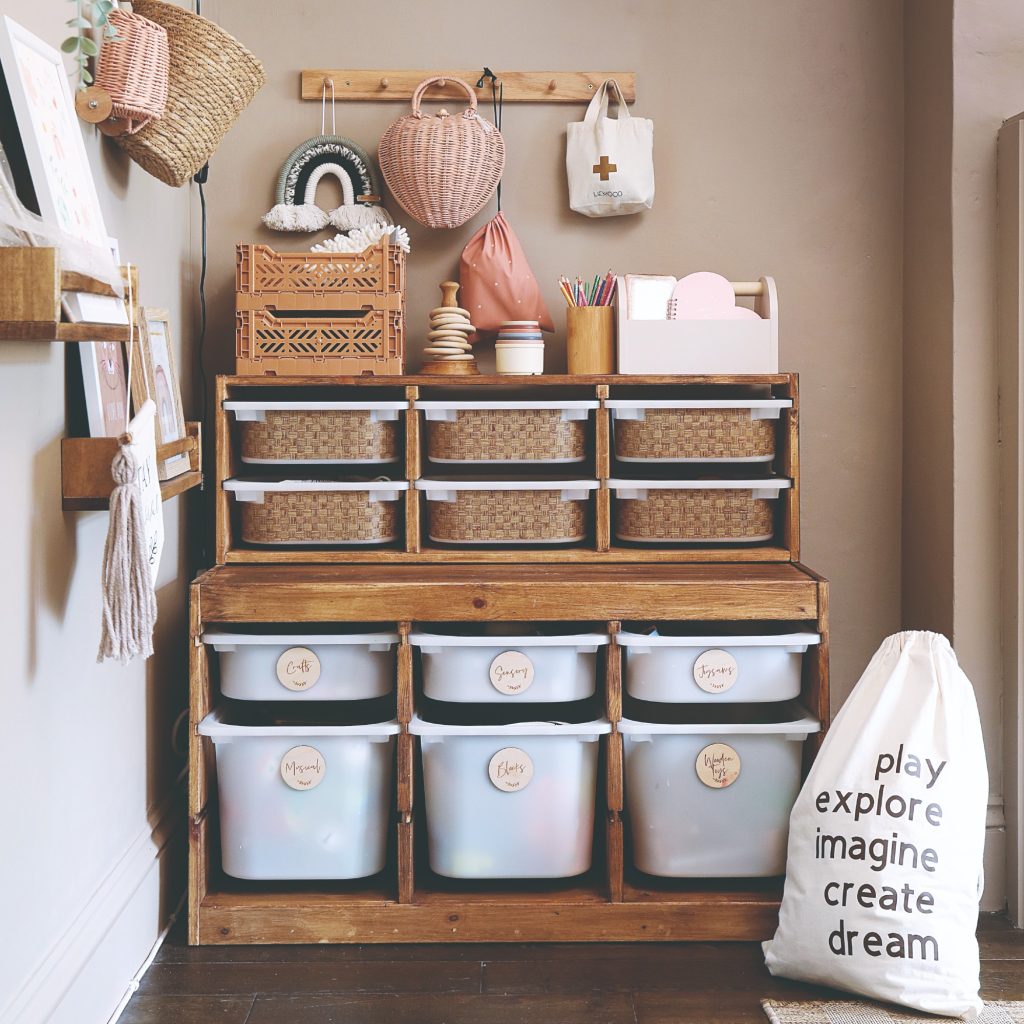
- Storage Solutions: Toys can quickly take over a child’s space, but creative storage solutions can help manage the clutter. Consider creating a toy chest that doubles as a colorful bench. You can personalize it with your child’s artwork or favorite color schemes to build excitement and ownership.
- Beds and Sleep Spaces: Building a custom bed can be particularly rewarding. Whether it’s a loft bed to free up space or a low bed with built-in storage drawers underneath, your choices can reflect your child’s personality. Adding elements like fairy lights or a cozy canopy can enhance their sleeping area, turning it into a delightful nighttime retreat.
Before beginning any project, it’s paramount to carefully plan and gather all necessary tools and materials. Some essential items might include:
- Hand saws or power tools for cutting wood
- A level to ensure structures are stable
- Sandpaper for smooth, safe edges
- Non-toxic paints and seals to complete the look
Each of these DIY projects encourages participation and interaction with your child throughout the building process. This not only teaches them vital skills but educates them about taking care of their environment by using safe and sustainable materials.
As you embark on these exciting projects, remember that the finished product is a reflection of both your creativity and your child’s interests. Engaging them in the decision-making and design phases fosters a sense of pride and accomplishment. Soon, you will have a beautiful, safe, and unique space that resonates with joy, creativity, and exploration, making both of your imaginations shine.
| Advantages | Key Features |
|---|---|
| Cost-Effective Solutions | DIY projects often require fewer resources compared to purchasing commercially made furniture. |
| Customizable Designs | You can tailor each piece to fit your child’s specific needs, preferences, and room decor. |
| Safety Considerations | By choosing non-toxic materials and sturdy construction techniques, you’ll create safe furniture for children. |
| Durability | Custom made pieces can be designed for longevity, using materials that stand the test of time. |
Creating DIY children’s furniture not only fosters creativity but also allows parents to design and craft pieces that reflect their child’s personality and needs. By leveraging simple tools and materials, you can make unique items like bookshelves or play tables that are both functional and aesthetically pleasing. The hands-on experience serves as an opportunity for bonding and skill-building, teaching kids the value of craftsmanship while ensuring their safety with customized designs. Moreover, this process encourages environmental consciousness by using repurposed materials, adding an eco-friendly angle to your child’s living space. As you embark on these projects, discovering key techniques and innovative ideas keeps the process intriguing and fulfilling. Engage with our detailed guides and unlock the potential of DIY children’s furniture.
DISCOVER MORE: Click here to learn how music enhances creativity
Crafting Furniture with Functionality and Safety in Mind
Creating furniture for children involves more than just aesthetics—it requires a strong focus on functionality and safety. Parents and guardians should prioritize these elements to ensure that DIY projects provide both visually appealing designs and secure use for little ones. Here are some key considerations and inventive furniture ideas that capitalize on both safety and functionality:
- Sturdy Materials: When selecting wood or other materials for children’s furniture, opt for solid hardwoods like oak or maple, which provide durability and longevity. Avoid materials that can easily splinter or break, like particle board. Always verify that any materials are free of harmful chemicals and comply with safety standards.
- Rounded Edges: As children grow and explore, sharp edges can pose a significant risk. Incorporating rounded edges into designs can help mitigate this risk. Use sanding tools to smooth down corners and ensure a seamless finish. Some DIY projects even incorporate soft padding on edges for enhanced safety.
- Adjustable Height Configurations: Consider building furniture with adjustable features that can grow with your child. For instance, height-adjustable desks allow for comfortable use as kids grow, promoting good posture and ergonomics. A changing table can be modified into a desk as the child transitions out of the nursery, showcasing sustainability in design.
- Multi-Purpose Furniture: Space-saving furniture is essential in children’s rooms, and DIY projects can creatively accommodate this need. Bunk beds with an integrated desk or shelves underneath maximize floor space while promoting organization. Additionally, ottomans with hidden storage can serve as seating while keeping toys out of sight.
- Crafty Seating Solutions: Bean bag chairs or floor cushions made from durable, washable fabric provide comfortable seating that can be moved around easily. Collaborate with your child to choose fun colors and patterns, allowing them to personalize their space while ensuring the furniture is both user-friendly and practical.
Moreover, as you engage in DIY children’s furniture projects, consider involving your child in selecting colors, patterns, and themes. This involvement not only enhances their sense of ownership but can also make the furniture more appealing to them. Studies have shown that children who feel connected to their environment are more likely to cultivate creativity and imagination.
To increase engagement, parents might organize themed projects that align with seasons or holidays, such as creating holiday-themed decorations for bookshelves or toy chests. This approach offers a fun twist on traditional woodworking projects, turning them into memorable family events.
As part of your preparation, maintain open communication about the potential hazards associated with tools and materials. It’s essential to create a safe workspace and to educate children on proper handling of equipment. A DIY project can serve as a practical lesson about responsibility and safety, fostering skills that will last a lifetime.
Ultimately, the joy and satisfaction derived from designing and constructing custom furniture pieces for children extend beyond mere functionality. It’s about creating an environment that inspires children, encourages play, and reflects their unique personalities, all while maintaining the utmost standards of safety and durability.
DIVE DEEPER: Click here to discover the art of tapestry techniques
Conclusion: Embracing Creativity and Safety in DIY Projects
In conclusion, engaging in DIY children’s furniture projects is an enriching endeavor that fosters creativity, responsibility, and personalization in children’s spaces. The art of designing and building safe and functional furniture not only provides practical solutions for modern family living but also enhances your child’s environment, serving as a canvas for their imagination to flourish. By prioritizing safety through sturdy materials, rounded edges, and adjustable features, parents can create spaces that are both aesthetically pleasing and secure.
Moreover, the value of multi-purpose furniture and adaptable designs cannot be underestimated, as they efficiently cater to limited space while growing with your child. The ability to involve children in selecting styles and colors further instills a sense of ownership and sparks their creative instincts. Family-oriented projects encourage bonding and offer memorable experiences that transcend mere construction.
As you venture into the world of DIY furniture, remember that the process should be just as rewarding as the final product. Open communication about tool safety, material choices, and responsibilities will not only ensure a safe working environment but also empower children with essential life skills. Through these creative projects, families not only craft unique furniture pieces but also lay the groundwork for a nurturing and vibrant atmosphere that reflects their values, lifestyles, and visions.
Ultimately, the adventure in DIY furniture creation leads to personalized spaces that allow children to thrive, play, and grow, illustrating that a safe, well-designed environment is fundamental to fostering creativity and individuality in our young ones.