DIY Technology: Assembling Unique Gadgets and Accessories with Affordable Components
Empowering Individual Innovation
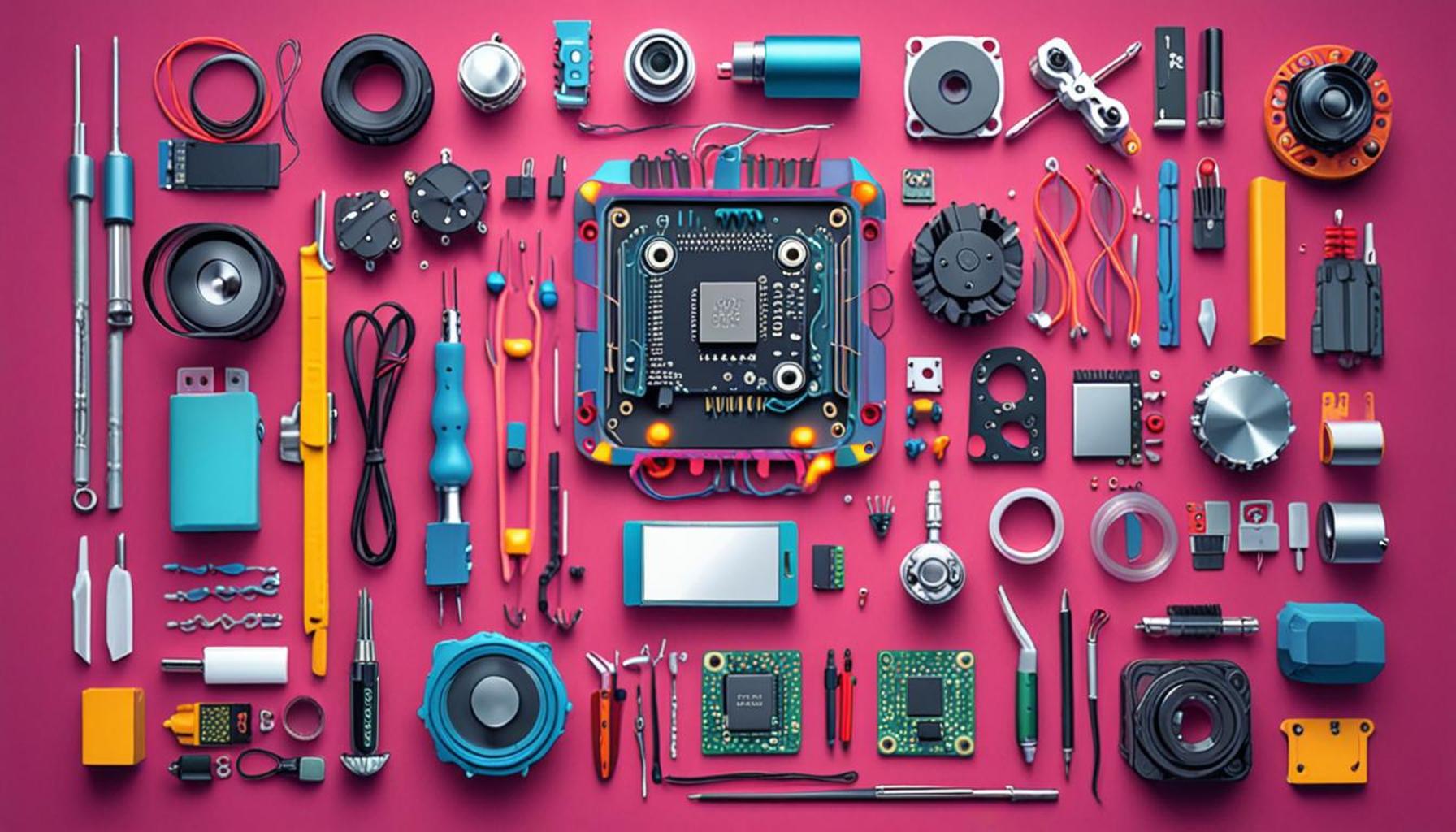
In a rapidly advancing technological landscape, the rise of DIY technology offers exciting opportunities for individuals to express their creativity by designing and building their own gadgets and accessories. This hands-on mentality not only fosters innovation but also presents a cost-effective alternative to off-the-shelf products. With an expanding range of tools and resources, anyone with a spark of curiosity can embark on a journey of creative exploration.
Cost-Effective Solutions
One of the most compelling aspects of DIY technology is its affordability. By sourcing components from local electronics stores or online platforms like Amazon or eBay, tech enthusiasts can significantly slash expenses. For instance, a basic microcontroller such as an Arduino can often be purchased for under $30, allowing creators to build everything from simple sensors to complex robotics at a fraction of the cost of commercial products.
Customizable Designs
Another major advantage of DIY projects is the ability to create customizable designs. This means you can tailor gadgets to meet your specific needs and reflect your personal style. Whether it’s designing a unique phone case that matches your favorite sports team or building a smart mirror with personalized features, the creative possibilities are virtually limitless. For example, makers can install a Raspberry Pi into a frame and create a mirror that displays weather updates, time, and news headlines—all designed to their liking.
Skill Development
Engaging in the DIY technology movement leads to significant skill development, enhancing your problem-solving abilities and technical knowledge. By tackling real-world challenges—such as troubleshooting a malfunctioning circuit or optimizing code—individuals not only gain confidence but also acquire valuable skills sought after in today’s job market. Maker spaces and community workshops often offer classes on electronics and programming, creating an environment where ongoing education is both accessible and enjoyable.
Exciting Possibilities
The potential for innovation is ever-growing, with DIY projects ranging from smart home devices that efficiently manage energy consumption to imaginative gaming accessories that amplify the user experience. Enthusiasts across the country share inspiring projects, such as:

- A DIY smart irrigation system that uses moisture sensors to optimize water usage in your garden, helping to promote sustainability.
- A portable Bluetooth speaker crafted from recycled materials, marrying environmental consciousness with sound quality.
- Customizable LED-lit phone cases, allowing users to change colors or patterns based on their mood or the occasion.
Community and Resources
Thanks to platforms like YouTube, Instructables, and GitHub, finding step-by-step guides or inspiration for your next project has never been easier. Video tutorials can walk you through complex builds, while community forums foster collaboration and knowledge-sharing among makers. As you navigate this exhilarating world of assembling gadgets, you’ll likely discover a vibrant community of like-minded individuals who are eager to share tips, tricks, and encouragement along the way.
Ultimately, embracing the DIY technology movement is more than just building devices; it’s about harnessing a mindset of creativity and innovation that can empower individuals to explore their passions and skills. So pick up those tools and start creating—you might just surprise yourself with what you can achieve!
DON’T MISS OUT: Click here to get inspired
Exploring the Building Blocks of DIY Technology
Embarking on a DIY technology journey requires understanding the essential components that serve as the building blocks for your innovative creations. Whether you’re looking to assemble a simple gadget or dive into a more complex project, knowing where to begin is crucial. A variety of affordable components can help you construct gadgets that cater to your specific interests and needs. Some fundamental elements include microcontrollers, sensors, and power sources, which are readily available through numerous sources.
Microcontrollers: The Brain of Your Gadget
At the heart of most DIY projects lies a microcontroller. These versatile devices act as the brains of your projects, enabling you to program and control various functions. Popular options like the Arduino or Raspberry Pi are particularly favored by hobbyists for their extensive online support, customizable features, and compatibility with numerous accessories. For instance, the Arduino platform boasts a wide variety of shields that add functionality, such as Wi-Fi connectivity or motor control, making it easier than ever to develop unique gadgets.
Sensors and Modules: Enhancing Functionality
To add interactivity and intelligence to your creations, integrating sensors and modules is a must. These components facilitate the collection of data, which can influence how your gadget operates. Commonly used sensors include:
- Temperature and Humidity Sensors: Monitor environmental conditions for applications like smart thermostats or gardening gadgets.
- Motion Detectors: Create security systems or smart lighting solutions that respond to movement.
- Proximity Sensors: These can be used in projects like automatic doors or obstacle-detecting robots.
These sensors are often inexpensive and can dramatically expand the capabilities of your projects, making them more engaging and useful.
Power Sources: Keeping Your Creations Running
No device can function without a reliable power source. Depending on the complexity of your project, you may opt for battery packs, USB connections, or even solar panels for a sustainable option. The use of rechargeable batteries, such as lithium-polymer cells, is particularly popular among DIY enthusiasts due to their compact size and efficiency. Furthermore, using solar panels can not only power your gadgets sustainably but also adds an exciting element to your project design.
Sourcing Components
Locating affordable components is easier than ever thanks to the rise of online marketplaces and local electronics stores. Retailers like SparkFun, Adafruit, and even traditional outlets like RadioShack provide a plethora of tools and components suited for DIY projects. Additionally, following local maker fairs or tech meetups can connect you with valuable resources and suppliers. By exploring these avenues, you can stock up on everything you need without breaking the bank.
Ultimately, understanding these essential components and their functions will provide you with a solid foundation for your DIY technology endeavors. With creativity and the right tools at your disposal, the possibilities are endless. Whether your goal is to invent the next must-have gadget or simply to cultivate a new hobby, diving into the DIY technology world is both accessible and rewarding.
| Advantages | Details |
|---|---|
| Cost-Effective Solutions | Creating gadgets with affordable components allows enthusiasts to explore technology without straining their budgets. |
| Customization Opportunities | DIY projects empower individuals to tailor gadgets to their specific needs and preferences, enhancing functionality and personal satisfaction. |
| Skill Development | Assembling gadgets improves technical skills, fosters problem-solving abilities and encourages an innovative mindset among hobbyists. |
| Community Engagement | Participating in DIY tech communities creates connections with like-minded individuals, sparking collaboration and the exchange of ideas. |
Exploring the realm of DIY technology presents a vibrant opportunity for anyone interested in gadgets and innovation. The fusion of creativity and practicality not only leads to the creation of unique accessories but invites users to delve deep into the process, fostering lifelong learning and discovery. With a suite of resources available online, hobbyists can share projects, troubleshoot issues, and celebrate achievements, creating a rich tapestry of shared knowledge and experience. The fascinating world of assembling your own gadgets stands as an open invitation to embrace technology in the most personalized way possible.
DISCOVER MORE: Click here to learn how music can elevate your confidence
Creative Applications of DIY Technology
Once you’ve gathered the foundational components of DIY technology, the real fun begins—transforming these parts into practical gadgets and accessories that showcase your creativity and ingenuity. The beautiful aspect of DIY technology is that it’s not confined to static designs; you can modify and iterate your projects as your skills and interests evolve. With a wealth of resources available and community support from online platforms, let’s delve into some innovative applications that could inspire your next DIY project.
Wearable Technology: Style Meets Functionality
Wearable gadgets are at the forefront of the DIY technology revolution, combining both fashion and functionality. With the availability of affordable components, you can create unique health-monitoring devices or interactive accessories tailored to your preferences. For instance, using a combination of a microcontroller, sensors, and an LED display, you can assemble a fitness tracker that measures your steps, heart rate, or sleep patterns. There are numerous tutorials available online that demonstrate how to sew sensors into clothing or design sleek wristwatches that not only look good but also provide valuable health metrics.
Home Automation: Smart Living Made Simple
Enthusiasts are increasingly turning their attention to home automation technologies, leveraging DIY methods to create a smarter living environment. Imagine crafting a smart thermostat that learns your schedule and adjusts the temperature accordingly—all built with a microcontroller, temperature sensor, and relay module. Alternatively, you can construct custom LED light systems that adapt to your mood, controlled via a mobile app made with affordable development platforms. These smart home solutions are not only budget-friendly but also give you hands-on experience in programming and electronics.
Robotics: Unleashing Creativity in Motion
Diving into robotics presents an exciting opportunity to blend mechanics with coding. By utilizing motors, wheels, and a microcontroller, you can build various robotic creations ranging from simple wheeled robots to complex drones. The world of robotics is extensive, with the possibility of integrating sensors to enhance functionality—like a robot that can navigate obstacles or even respond to voice commands. Platforms like Arduino offer extensive libraries and community forums that can guide you through the entire building process, making it accessible for beginners and challenging for seasoned builders.
Creative Art Projects: Blending Technology with Expression
DIY technology isn’t solely about practicality; it’s also a fantastic vehicle for self-expression. Artists are increasingly experimenting with interactive installations that incorporate sensors and microcontrollers, allowing them to create pieces that respond to viewer interaction. Projects may include motion-responsive light displays or sound installations that change based on audience proximity. Furthermore, there are countless resources online that bridge the gap between art and technology, inspiring you to combine both realms into a cohesive creative project.
As you explore these applications, remember that collaboration and community involvement can significantly enhance your learning experience. Joining online forums, local maker spaces, or tech workshops not only provides you with invaluable resources but also connects you with like-minded individuals passionate about DIY technology. The journey of assembling unique gadgets and accessories promises to be as enriching as it is entertaining, giving you the chance to make impactful creations that resonate with your personal vision.
DISCOVER MORE: Click here to dive deeper into artistic expression
Conclusion: Unleashing Potential through DIY Technology
In conclusion, the world of DIY technology presents an extraordinary opportunity for innovative individuals to channel their creativity into assembling unique gadgets and accessories. The expansive range of affordable components available today breaks down barriers, allowing enthusiasts to explore various domains such as wearable tech, home automation, robotics, and creative art projects. The beauty of these endeavors lies not only in the end product but also in the learning process itself, cultivating skills that are increasingly relevant in our tech-driven society.
As you venture into your DIY projects, remember that collaboration is key. Engaging with local maker communities and online forums connects you with invaluable resources and fellow creators, paving the way for shared knowledge and inspiration. Take advantage of the tutorials and platforms like Arduino that demystify complex concepts, giving both novices and experienced builders the confidence to experiment and innovate.
Ultimately, the DIY technology movement encourages individuals to push boundaries and reimagine what is possible with simple components. Each project you embark on is not just about constructing a gadget; it’s about unlocking potential, iterating on ideas, and embracing the joy of hands-on creation. As you embark on your DIY journey, let your imagination lead the way—who knows what remarkable inventions you will bring to life next?