Exploring Reuse Techniques in Crafts: Creating Unique Pieces with Sustainable Materials
Embracing the Power of Reuse in Crafting
As the world grapples with escalating environmental issues, the crafting community is undergoing a remarkable evolution. More artisans and enthusiasts are discovering the transformative power of reuse techniques, which not only allows them to express their creativity but also plays a vital role in mitigating waste. By repurposing materials that are often seen as garbage, these crafters are breathing new life into discarded items, showcasing both ingenuity and resourcefulness.
Consider the potential of old textiles. Once deemed outdated, these materials can be reimagined into stunning quilts, eco-friendly bags, or even modern fashion pieces. Crafters might take well-loved jeans or mismatched fabrics to create patchwork designs that tell a story, encapsulating memories of past wear. This trend not only keeps fabric out of landfills but also contributes to the growing popularity of sustainable fashion.
Glass bottles offer a myriad of possibilities as well. Instead of throwing away used bottles, creative individuals are transforming them into striking vases, whimsical light fixtures, or even garden ornaments. For instance, a simple glass bottle can become an artistic centerpiece when filled with wildflowers or can be repurposed as an elegant hanging lamp, casting a unique glow in any setting. This practice illustrates how everyday items can be turned into art while fostering an awareness of recycling.
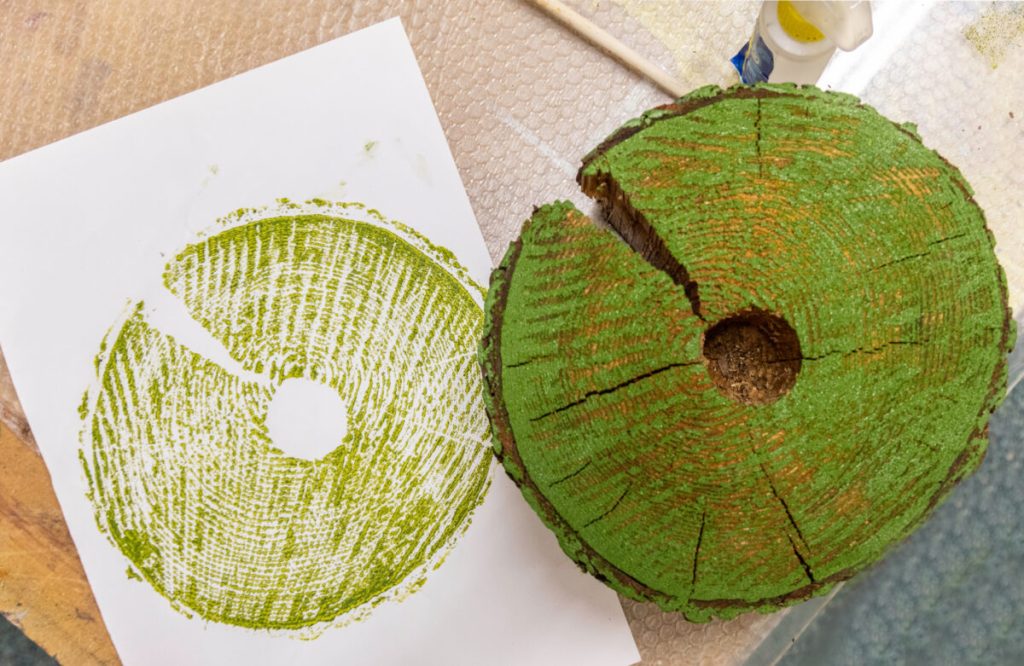
Pallet wood has emerged as a favored material among DIY enthusiasts. This often-overlooked resource is not only free or low-cost but also adds a rustic charm to furniture and home décor. Many crafters create beautiful tables, chairs, and shelving from reclaimed pallets, adding character to their living spaces while promoting sustainability. By doing so, they tap into the growing trend of upcycling, where old materials are given a new purpose, thus reducing waste.
Another avenue of creativity lies within paper scraps. From old greeting cards to packaging materials, these remnants can be transformed into intricate collage art, personalized cards, or unique gift wraps. Engaging in this form of crafting encourages individuals to view ordinary paper waste as a canvas for expression, ultimately diminishing their ecological footprint.
This movement toward reuse is not merely a passing trend; it serves as a catalyst for a broader cultural shift. Crafters who adopt these techniques are setting a positive example, inspiring others to reconsider their consumption habits and the lifecycle of materials. As more people become aware of the environmental impact of their choices, the crafting community becomes a beacon of change.
Join us as we explore various methods of reuse that not only elevate crafting projects but also foster a sustainable mindset. By embracing sustainable materials, you can create unique pieces that reflect not just your personal style, but also a commitment to caring for the planet. Dive into this exciting world of creativity and environmental stewardship, where every discarded item has the potential to become a work of art.
DISCOVER MORE: Click here to learn how creative writing can enhance your mental well-being
Exploring Creative Applications of Reused Materials
In the pursuit of crafting unique pieces with sustainable materials, artists and hobbyists alike are increasingly focusing on the innovative reuse of items that would otherwise contribute to the growing waste problem. Not only does this approach unveil a wealth of creative possibilities, but it also champions environmental sustainability—an essential consideration in today’s crafting landscape.
The power of reuse techniques spans across various materials, each presenting its own set of opportunities. Below are some materials commonly found around the home that can be transformed into one-of-a-kind crafts:
- Old CDs and DVDs: Once considered obsolete in the digital age, these shiny disks can be revamped into stunning decorative pieces. Crafters use them to create unique wall art, mosaic designs, or even quirky coasters. The reflective surface adds a touch of elegance while diverting waste from landfills.
- Used Paper Towel Rolls: With a little imagination, these humble rolls can be turned into playful art projects such as miniature animals, tabletop organizers, or seasonal decorations. By adding paint or embellishments, they can serve as a creative outlet that minimizes waste.
- Cork Stoppers: Whether from wine bottles or craft projects, corks are versatile items suitable for an array of creations. Many crafters make keychains, bulletin boards, or plant holders. In fact, cork recycling has gained traction, making cork crafts both sustainable and fashionable.
- Beads and Buttons: Leftover from previous projects, these small treasures can bring a splash of color to any creation. From jewelry to decorative art, their potential is endless. A simple craft like a button wreath can transform the mundane into something beautiful, paving the way for unique home décor.
Aside from the immediate satisfaction of crafting, the practice of using recycled materials fosters a deeper connection between crafters and their environment. Many artisans are motivated by the desire to reduce their ecological footprint, reflecting a growing awareness of consumerism and its impact on the planet. The infusion of pieces with personal stories and histories—whether through a fabric once worn or a piece of wood sourced from a local workshop—imbues each creation with intrinsic value.
As the crafting movement shifts toward eco-consciousness, classes and workshops centered around reuse techniques are gaining popularity. Many communities offer guided sessions aimed at teaching individuals how to creatively utilize salvaged goods, providing hands-on experience and sparking a deeper understanding of sustainable practices. These gatherings not only promote artistic expression but also serve as platforms for discussing waste reduction and environmental stewardship.
This ongoing journey of self-expression through reuse techniques illustrates a cultural shift toward sustainability in crafting. As more artists embrace these methods, the crafting community becomes a thriving hub where creativity and environmental responsibility coexist harmoniously. Engaging in this craft movement allows individuals to join a broader dialogue, exploring the relationship between production, consumption, and the materials that shape our world.
| Category | Advantages |
|---|---|
| Sustainable Sourcing | Using recycled materials not only decreases waste but also reduces the need for new raw materials, helping the environment. |
| Creative Expression | Crafting with reuse techniques allows artisans to showcase their individual style and creativity, producing unique and personal items. |
| Community Engagement | Participating in workshops or community events fosters connections among crafters and promotes awareness of sustainable practices. |
| Economic Benefits | Lower material costs when reusing items can lead to more affordable craft projects and opportunities for small business ventures. |
When discussing the reuse techniques in crafts, it’s essential to recognize how these practices intertwine with sustainability. By choosing to reuse materials, crafters not only help reduce landfill waste but also embrace innovative approaches that inspire others. For example, transforming old fabrics into quilts or upcycling wooden pallets into furniture showcases the potential of discarded materials. Moreover, utilizing sustainable materials supports the growing demand for eco-friendly products, aligning with a broader movement towards conscious consumerism. Those who engage in these crafts often find a sense of fulfillment by contributing to environmental preservation while expressing their creativity. This unique blend of sustainability and artistry is reshaping the future of crafting. As more individuals explore and share their projects, the communal spirit of craftsmanship flourishes, leading to a richer dialogue about reusing materials in every aspect of life.
DIVE DEEPER: Click here to discover the power of music in enhancing creativity
Innovative Techniques for Repurposing Crafts
As the crafting community embraces sustainability, numerous innovative reuse techniques have emerged, transforming everyday waste into extraordinary pieces of art. These techniques not only showcase creativity but also inspire others to consider their environmental impact while crafting. The following methods illustrate how various artists and crafters are redefining the possibilities of reused materials:
- Upcycling Fabrics: Old clothing and linens, often overlooked as mere waste, can be dramatically upcycled into stunning quilts, tote bags, or even home decor items. Quilting bees are reviving community traditions while fostering sustainable practices. By integrating different fabric patterns and textures, crafters can create pieces that are both functional and visually striking, telling stories of their previous incarnations.
- Furniture Revival: Vintage furniture finds a new lease on life through creative refurbishments. From painting and distressing techniques to reupholstering with vintage fabrics, many artisans are breathing fresh air into old pieces. This trend not only reduces waste but also promotes a unique aesthetic, as each revamped piece carries its own history and character, setting them apart from mass-produced items.
- Paper Crafts: With the growing use of digital communication, traditional paper has become increasingly redundant. However, papers from magazines, newspapers, and even office scraps can be crafted into beautiful journals, collages, or decorative paper flowers. These creations serve not only as artistic expressions but also as commendations of reimagined value, demonstrating how paper can live multiple lives.
- Glass Jar Creations: Glass jars are ubiquitous in kitchens across America, but their potential as crafting materials is often underutilized. They can be repurposed into stunning candle holders, organizers, or even outdoor lanterns. By adding paint, twine, or other embellishments, crafters enhance their aesthetic while embracing a commitment to reducing single-use plastics.
While exploring these reuse techniques, it’s essential to highlight the educational aspect of sustainable crafting. Many artists are stepping into the role of educators, leading online workshops or community classes that delve into specific projects focused on reusing materials. These offerings not only provide practical skills but also ignite passion and awareness about the environmental challenges faced today. As participants engage in hands-on activities, they also forge connections with like-minded individuals, sharing tips, resources, and inspiration to further their eco-conscious journeys.
Moreover, the rise of social media platforms has boosted the visibility of sustainable crafting, serving as a wellspring of ideas and creative solutions. With hashtags like #Upcycle and #EcoFriendlyCrafts, crafters can easily exchange their projects with a wider audience. The sharing of tutorial videos and blog posts educates individuals on how to effectively use found materials while encouraging collective discussions about waste reduction and sustainability. This digital exchange allows people from various backgrounds to contribute their unique perspectives on crafting sustainably, fostering a rich tapestry of creativity woven from diverse experiences.
Incorporating these innovative reuse techniques into crafting not only allows for the creation of beautiful objects but also reinforces an emerging narrative around mindful consumerism. By turning their focus to the potential within discarded materials, crafters can participate in a larger movement embracing sustainability and creativity. The process itself becomes an exploration of both art and environmental consciousness, inviting individuals to reflect on the impact their crafting choices have on the planet.
DIVE DEEPER: Click here to discover more about artistic expressions</
Conclusion: The Future of Crafting with Reused Materials
As we dive into the enchanting world of crafting, the significance of exploring reuse techniques remains paramount, not only for individual creativity but also for the collective well-being of our planet. The innovative methods shared throughout this article demonstrate that discarded items have the potential to be transformed into remarkable pieces of art, all while promoting sustainability and reducing waste. By channeling our creativity into upcycling fabrics, reviving vintage furniture, crafting with paper, and repurposing glass jars, we not only breathe new life into objects but also contribute to a growing movement that prioritizes eco-friendly practices.
The educational component of this crafting renaissance cannot be overlooked. Community workshops and online tutorials are empowering individuals with the skills necessary to harness their creativity responsibly. As we embrace these new techniques, we open doors to connections with fellow artisans and ignite a broader conversation about environmental stewardship. Additionally, social media platforms serve as powerful catalysts, allowing crafters to share their inspiring projects and sustainable practices, thereby widening the reach of the eco-conscious crafting community.
Ultimately, the journey of creating unique pieces with sustainable materials is about more than just crafting; it reflects our values and choices as consumers. By shifting our mindset to see the potential in the discarded and unnecessary, we pave the way for a more sustainable future. So, let your next craft project be a testament to creativity, resourcefulness, and a commitment to nurturing our planet. Together, we can craft a brighter, more environmentally friendly tomorrow.