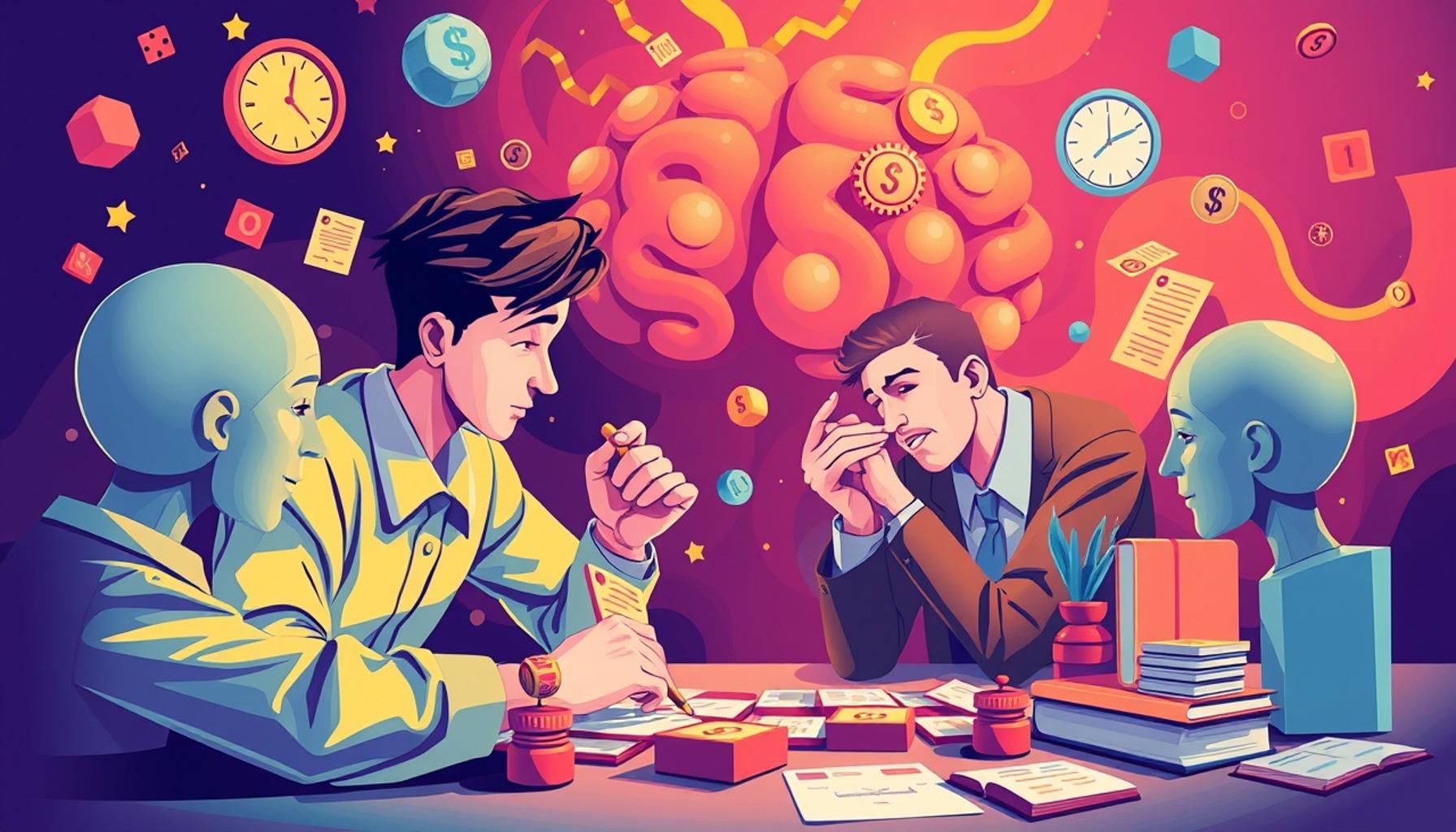
Exploring the Use of Mind Puzzles in Team Building Activities
Unleashing Creativity and Collaboration
In today’s fast-paced workplace, fostering teamwork is more crucial than ever. With the rise of remote work and hybrid models, traditional methods of team building are being reimagined. One exciting and innovative approach to enhance collaboration is through the introduction of mind puzzles. These engaging activities serve a dual purpose—stimulating critical thinking while simultaneously promoting bonding among team members.
Benefits of Mind Puzzles in Team Building
- Enhanced Problem-Solving Skills: Mind puzzles encourage team members to tackle challenges collaboratively. For instance, when facing a complex riddle, each individual contributes unique insights, sharpening their analytical abilities through collective efforts. This teamwork mirrors real-world scenarios where collaboration is essential for effective problem resolution.
- Improved Communication: Participants in mind puzzle activities must articulate their thoughts clearly to succeed. This requirement fosters effective dialogue and teaches individuals to convey complex ideas succinctly. Enhanced communication is vital in any workplace setting, as it lays the foundation for a healthy organizational culture.
- Increased Engagement: Mind puzzles present an enjoyable alternative to conventional icebreakers, infusing energy into team dynamics. The element of play can transform a mundane meeting into an engaging experience, allowing team members to connect on a personal level while strengthening their professional bonds.
Incorporating such puzzles can significantly elevate a traditional team-building event, turning it into an unforgettable experience. For example, popular activities like escape rooms challenge teams to collaborate under pressure. These immersive experiences not only require problem-solving skills but also encourage creativity and strategic planning. Another great option is brain teasers, which can be solved individually or in groups, promoting collaboration while offering mental stimulation.
Why Choose Mind Puzzles?
Utilizing mind puzzles offers several compelling advantages:
- Diverse Gameplay: Mind puzzles embrace a wide range of formats, from logical riddles and trivia quizzes to word games and Sudoku challenges, catering to various preferences and cognitive styles. This diversity ensures that every team member can find an activity that resonates with them.
- Customizable Challenges: Puzzles can be tailored to align with specific team needs or objectives, whether it’s to stimulate creativity, enhance problem-solving skills, or build trust among team members. Customization reflects an organization’s understanding of its team’s dynamics, fostering a more inclusive environment.
- Adaptability: Many mind puzzles are suitable for both in-person and virtual settings. This versatility means that teams can continue to engage in collaborative challenges regardless of their working arrangement, promoting inclusivity in remote or hybrid teams.
As we delve deeper into this captivating topic, consider how mind puzzles can invigorate team spirit and enhance overall performance. Not only do they offer a fresh take on collaboration, but they also act as a catalyst for creativity within the workplace, ultimately leading to a more cohesive and innovative team environment.
DIVE DEEPER: Click here to discover more

Engaging Minds for Better Team Dynamics
As organizations increasingly prioritize team cohesion in the workplace, mind puzzles have emerged as a powerful tool for fostering collaboration among employees. These intellectual challenges not only entertain but also serve as a medium through which teams can develop critical skills essential for today’s competitive environment. By integrating mind puzzles into team-building activities, companies can create a stimulating atmosphere that encourages both individual contributions and collective problem-solving.
The Role of Critical Thinking in Mind Puzzles
When teams engage in mind puzzles, they are often required to think outside the box, employing critical thinking to decipher clues or solve complex problems. This form of mental exercise stimulates creativity and innovation, traits that are vital for adapting to rapidly changing markets and trends. For example, take the classic logic puzzle, where teams must piece together fragmented information to arrive at a solution. In this context, each team member’s unique perspective adds depth to the problem-solving process, cultivating a rich pool of ideas.
Building Relationships Through Shared Challenges
Another critical aspect of mind puzzles is their ability to enhance interpersonal relationships within teams. Teams are often at their best when they share experiences that require collaboration and trust. Mind puzzles provide the perfect platform for this, as they create shared challenges that compel team members to work together towards a common goal. The sense of achievement that comes from solving a puzzle as a group can significantly reinforce bonds and create a supportive work environment.
Types of Mind Puzzles Suitable for Team Building
There is a plethora of mind puzzles that organizations can utilize, catering to various group preferences and dynamics. Here are a few popular options:
- Escape Room Challenges: Teams are placed in a themed environment where they must work together to solve a series of puzzles to ‘escape’ within a set time limit. This immersive experience encourages rapid teamwork and adaptability.
- Trivia Games: Teams can engage in trivia contests that test their knowledge across various topics. These are not only entertaining but also promote learning and discussion among team members.
- Riddles and Brain Teasers: These short and often amusing challenges can be easily incorporated into meetings, offering a quick and engaging way to stimulate team interaction.
By selecting the right mix of mind puzzles, organizations can not only elevate the standard team-building event but also create a lasting impact on team cohesion and workplace morale. As we further explore the use of mind puzzles in team-building activities, it becomes clear that their potential extends far beyond mere entertainment; they can serve as a substantial catalyst for workplace transformation.
Benefits of Incorporating Mind Puzzles in Team Building
Incorporating mind puzzles in team-building activities offers a multitude of benefits that go beyond mere entertainment. These engaging challenges encourage collaboration and stimulate critical thinking. As teams work together to solve intricate problems, they build stronger communication skills and enhance their ability to trust one another. The shared experience of tackling complex puzzles often leads to organic relationship building among team members, promoting a cohesive work environment.
Furthermore, mind puzzles sharpen problem-solving skills by pushing team members to think outside the box. The act of collectively brainstorming solutions encourages innovative thinking and creativity. This collaborative environment nurtures a culture of support, where each member’s contribution is valued, leading to increased morale.
Notably, the competitive spirit generated by team-based puzzle-solving can further elevate engagement levels. This fun approach naturally fosters a sense of achievement as teams bond over their victories and sometimes losses. The excitement generated by these activities often extends into the workplace, inspiring teams to approach daily challenges with renewed energy and enthusiasm.
| Category | Description |
|---|---|
| Collaboration | Enhances teamwork through shared problem-solving experiences. |
| Critical Thinking | Stimulates innovative and creative solutions among team members. |
This combination of collaboration and critical thinking not only contributes to a more engaged workforce but also prepares teams to face real-world challenges head-on. The question arises: Are you ready to transform your team’s dynamics through the power of mind puzzles?
DIVE DEEPER: Click here to learn more
Cognitive Development Through Collaborative Engagement
One of the standout benefits of integrating mind puzzles into team-building activities is the promotion of cognitive development among team members. As teams tackle these mentally stimulating challenges, they are not only exercising their problem-solving abilities but also enhancing their cognitive flexibility—the capacity to switch between thinking about different concepts and to think through the possible implications of different solutions. This skill is increasingly important in today’s fast-paced work environments, where adaptability and quick thinking are paramount.
Enhanced Communication Skills
Mind puzzles necessitate a high level of communication and dialogue among team members, which leads to the improvement of interpersonal communication skills. During these activities, teams must articulate their thoughts clearly to convey their ideas effectively, encouraging active listening and constructive feedback. For instance, in solving a complex riddle or logic game, one person’s suggestion might lead to a new breakthrough, underscoring the importance of every member’s input. This practice not only bolsters communication skills but also diminishes misunderstandings that can arise in everyday work scenarios.
Promoting a Culture of Innovation
Incorporating mind puzzles into team-building exercises can also lay the groundwork for a culture of innovation within organizations. When teams engage in brain teasers or imaginative problem-solving exercises, they learn to approach challenges with a more open and creative mindset. For example, companies like Puzzle Break and Escape Room USA have successfully utilized escape rooms to encourage creative thinking and diminish the fear of failure, which can stifle innovation. As employees become accustomed to tackling difficult problems collaboratively, they are more likely to apply this mindset to real-world work challenges, fostering an innovative culture.
Measurable Results of Mind Puzzles in Team Building
Research indicates that engaging teams in mind puzzles can lead to measurable improvements in productivity and performance. A study by the Harvard Business Review highlighted that teams that regularly partake in collaborative puzzles or challenges reported a 32% increase in workplace efficiency. These findings suggest that the mental stimulation and problem-solving practices developed through mind puzzles may translate to enhanced job performance. Furthermore, organizations that implement such activities are likely to witness improved employee satisfaction and retention rates, as the stimulating environment nurtures both personal and professional growth.
Mind Puzzles as Tools for Conflict Resolution
Interestingly, mind puzzles can also serve as effective tools for conflict resolution. When disagreements arise among team members, engagement in a collaborative puzzle can redirect focus from interpersonal tensions to problem-solving as a unit. This shift allows team members to see common ground and reinforces their ability to work together. As they collaborate towards a shared goal, participants may find resolution in their differences and strengthen their ability to handle conflicts constructively in the future.
In summary, the advantages of utilizing mind puzzles in team-building activities extend far beyond entertainment. They not only invigorate team dynamics but also contribute to vital skills such as communication, innovation, and conflict resolution. By carefully selecting and implementing these activities, organizations can cultivate a collaborative and engaging workplace that thrives on teamwork and creativity.
DISCOVER MORE: Click here to dive deeper into the benefits of puzzles
Conclusion: Unlocking Potential with Mind Puzzles
As explored throughout this article, the incorporation of mind puzzles into team-building activities serves as a powerful catalyst for fostering a cohesive and productive work environment. By enhancing cognitive flexibility, honing communication skills, and nurturing a culture of innovation, these engaging challenges offer multidimensional benefits that can significantly impact organizational dynamics. The findings from studies, including those published in the Harvard Business Review, highlight not only improved efficiency but also elevated employee morale, showcasing the value of mental engagement on multiple levels.
Moreover, mind puzzles act as essential tools for conflict resolution, allowing teams to pivot their focus towards collaboration rather than competition. This shift is crucial in maintaining a harmonious workplace where ideas can flourish. As the modern workplace continues to evolve, organizations that prioritize creative problem-solving through mind puzzles may find themselves better equipped to adapt to new challenges and drive innovation.
Ultimately, investing in mind puzzles as part of team-building strategies represents more than just a fun diversion; it is an opportunity to unlock the collective potential of diverse teams. Companies are encouraged to explore various types of brainteasers and collaborative challenges tailored to their unique workforce, discovering new avenues for growth, communication, and creativity. As we continue to navigate the complexities of the business world, embracing the power of mind puzzles may very well be a key ingredient to achieving long-term success and cultivating an empowered workplace.
Related posts:
The Psychology Behind Logic Games: How to Solve Problems Creatively
Developing Critical Thinking Skills Through Classic Puzzles
The Impact of Board Games on Group Problem Solving
The Evolution of Problem Solving Techniques in Classic Puzzles
The Intersection of Creativity and Logic in Solving Abstract Puzzles
The Effect of Collaborative Mind Games on Group Problem Solving

Linda Carter is a writer and puzzle expert specializing in mind games, brain teasers, and cognitive challenges. With extensive experience helping individuals enhance their problem-solving skills and think critically, Linda shares her knowledge on our platform. Her goal is to empower readers with practical advice, engaging puzzles, and strategies to sharpen their minds and achieve success in the captivating world of mind games and puzzles.