Extraction of Essential Oils: Homemade Methods to Capture the Essence of Nature for Skin Care
Discover the Advantages of Essential Oils
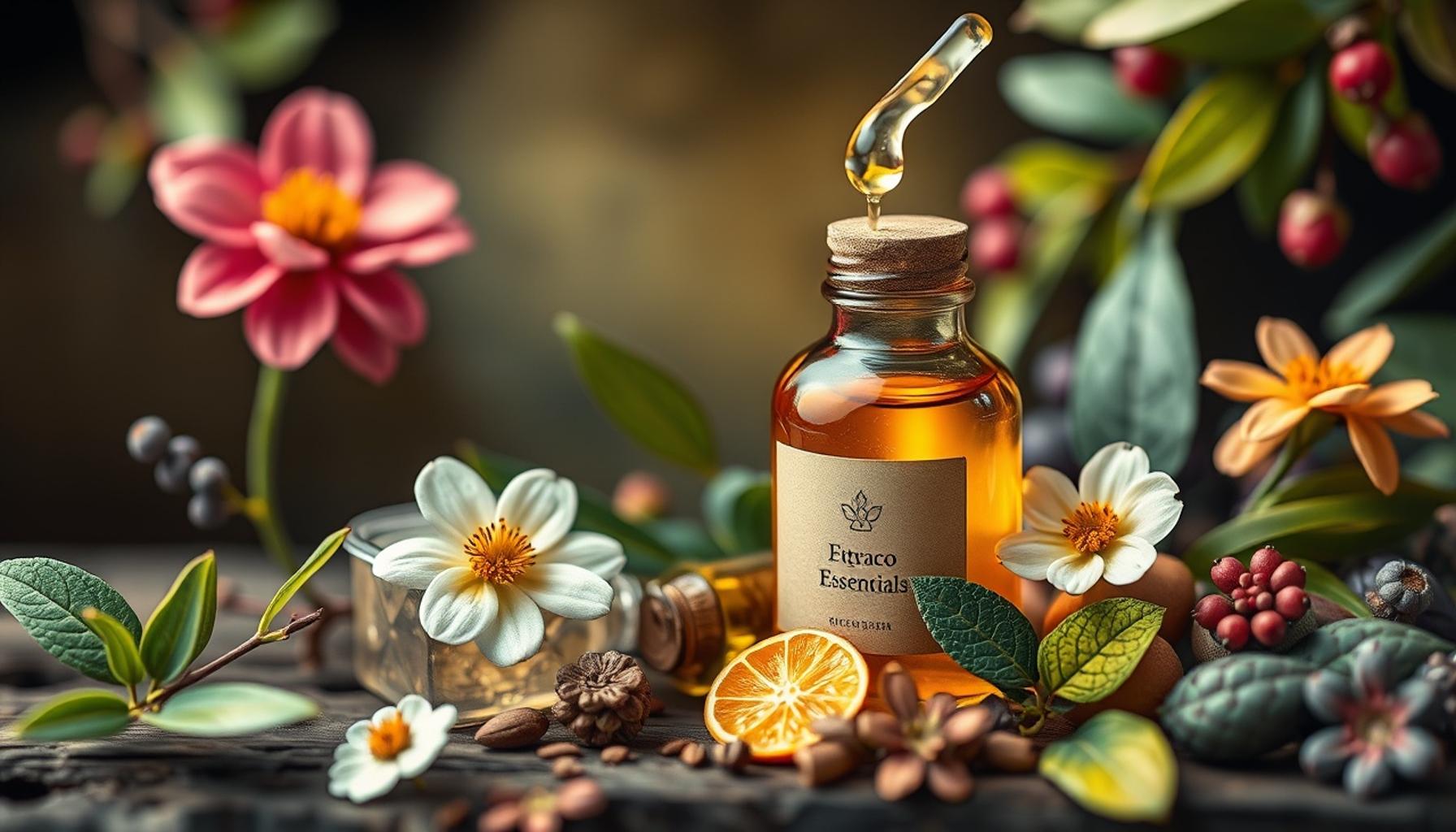
Essential oils have captivated humankind for centuries, prized for their therapeutic properties and captivating scents. These aromatic liquids are extracted from various parts of plants, including leaves, stems, roots, and blossoms, and can serve multiple purposes. They possess not only delightful fragrances but also a wealth of potential health benefits, making them an attractive addition to any skincare routine.
The growing interest in natural alternatives has led many individuals to explore homemade methods for creating essential oils from everyday plants found in gardens or local markets. This hands-on approach offers numerous benefits, including cost-effectiveness and the ability to customize scents based on personal preference. Engaging in this process allows you to elevate your skincare game while connecting with the natural world around you. Imagine crafting your own lavender oil to help calm your mind after a long day or reviving your senses with a burst of fresh lemon oil in the morning.
To embark on your essential oil journey, consider exploring various techniques for extraction, including:
- Steam Distillation – This method is ideal for extracting oils from flowering plants such as lavender and chamomile. The process involves steaming plant material, causing the essential oil to evaporate and then condense into liquid form. Steam distillation is particularly popular due to its ability to preserve the delicate compounds in flowers, resulting in pure, high-quality essential oils.
- Cold Press Extraction – Perfect for citrus fruits like oranges, lemons, and limes, this technique involves mechanically pressing the peels to release oil. As you squeeze the zest, vibrant and zesty scents fill the air. Cold-pressed oils retain their fresh aroma and are often used in homemade skincare products for their uplifting properties.
- Solvent Extraction – Suitable for delicate plants, this method uses a solvent to extract the fragrance compounds without damaging the aromatic profile. Commonly utilized for flowers like jasmine and tuberose, this technique preserves the complex aromas that may otherwise be lost through other extraction methods.
Using these methods provides not only a pathway to vibrant skin but also a deeper connection to nature. As you blend, extract, and create, you’ll become more attuned to the natural world and how it can enhance your well-being. The simple act of extracting oils can transform your skincare routine into an aromatic oasis that nourishes both your body and mind.
Incorporating essential oils into your life is not just about beauty; it’s a holistic approach to wellness that nurtures the body, aligns the senses, and enhances mood. As you join us in exploring the world of essential oil extraction, you’ll uncover endless possibilities for natural beauty and self-care. Whether for relaxation, revitalization, or skincare, the wonders of essential oils await your discovery.
DISCOVER MORE: Click here to learn about how pollution affects your skin
Exploring Extraction Techniques for DIY Essential Oils
The journey to creating your own essential oils begins with understanding the extraction techniques available. Each method carries its own unique advantages and is better suited for specific types of plants. By familiarizing yourself with these techniques, you can unlock the essence of various botanicals right in your kitchen, harnessing their full potential to enhance your skincare routine.
Steam Distillation is one of the most revered and widely practiced methods in the realm of essential oil extraction. As mentioned earlier, this technique is particularly effective for floral plants. The process involves placing plant materials in a distillation apparatus where steam passes through, extracting the essential oils. The steam then travels through a cooling system that condenses back into liquid, separating the oil from the water. Historical records show that steam distillation dates back hundreds of years, being employed by ancient civilizations to concentrate the best traits of plants. For those interested in creating textiles, beauty products, or natural remedies, this time-honored technique delivers high-quality essential oils imbued with the full spectrum of benefits.
For citrus enthusiasts, Cold Press Extraction is the method of choice. This technique is designed specifically for citrus fruits, such as oranges, lemons, and grapefruits, which contain essential oils in their peels. By mechanically pressing the peels, the oil is released, preserving the fresh and invigorating scent. Cold-pressed oils are often used in homemade skincare formulations due to their vibrant and uplifting aroma. The simplicity of this method allows anyone to experiment with different citrus fruits, creating customized blends that can energize your morning routine or refresh your skincare products.
Another intriguing method is Solvent Extraction, which allows for the extraction of essential oils from delicate plants that may be too fragile for other techniques. This method employs a natural solvent, such as ethanol, to dissolve the essential oils from the botanical materials without destroying their aromatic compounds. The resulting product, known as an absolute, retains the complexity and depth of the original fragrance, making it suitable for high-end DIY skincare products. Popular among perfumers, this method opens a world of possibilities for creating luxurious, fragrant oils that cater to all skin types.
When considering your journey into essential oil extraction, it is helpful to contemplate the following vital factors:
- Plant Selection: Determine which plants resonate with you and your skin. Familiar favorites like rosemary and lavender can easily be grown at home, while exotic flowers may require sourcing from local markets.
- Seasonality: Many plants are best harvested at specific times of the year. Understanding when to gather your materials can significantly impact the quality and yield of your essential oils.
- Equipment Needs: Evaluate what equipment you will need based on the chosen extraction method, from simple zesting tools for cold pressing to more complex distillation apparatuses for steam distillation.
By immersing yourself in the world of essential oil extraction, you’re not just creating products for skin care; you’re embarking on a holistic journey reconnecting with nature and unlocking the therapeutic attributes of the plant kingdom. As you dive deeper into this fascinating realm, the rewards extend far beyond your skincare cabinet, enriching your overall well-being and creativity.
The extraction of essential oils from plants is an age-old practice that has gained significant traction in the realm of skin care. Not only do these oils enhance the sensory experience of self-care routines, but they also offer a multitude of skin benefits that modern cosmetics sometimes lack. Understanding the various methods to extract these oils at home can empower individuals to create personalized skincare that’s both effective and natural.
Common Methods of Extraction
Several traditional methods can be used to extract essential oils at home, each suited for different types of plants and desired oils. The most common methods include:
- Steam Distillation: This method is prevalent for extracting oils from plants with high moisture content. The steam helps to vaporize the oil, which is then condensed back into liquid form.
- Cold Pressing: Ideal for citrus fruits, this method involves mechanically pressing the peels of fruits to release their oils. It retains the natural fragrance and benefits without the use of heat.
- Infusion: Using carrier oils, this process involves soaking plant materials in oil to draw out the essential components. This method is particularly useful for delicate flowers and herbs.
- Solvent Extraction: Often employed for more fragile flowers, this involves using a solvent to dissolve the essential oils, which is then evaporated, leaving behind the oil.
Benefits of Homemade Essential Oils
Creating essential oils at home offers myriad advantages. Home-extracted oils can be fresher and more potent than many store-bought alternatives, providing benefits such as:
- Customization: You can select plants based on your skin type and needs, ensuring that your essential oils specifically target your unique concerns.
- Control over Ingredients: By making your own oils, you can avoid synthetic additives and preservatives, ensuring a natural skincare routine.
- Cost-Effectiveness: While the initial investment in materials may seem high, creating oils at home can save money in the long run, especially for frequent users.
As we further explore the fascinating world of essential oils, it’s essential to highlight that proper handling and knowledge about each plant are crucial for safe and effective extraction. Always be cautious and do extensive research before beginning your own extraction journey to maximize the benefits and minimize any potential risks.
| Method | Key Features |
|---|---|
| Steam Distillation | Best for high moisture plants; retains natural properties. |
| Cold Pressing | Ideal for citrus oils; no heat damage. |
| Infusion | Uses carrier oils; great for delicate flowers. |
| Solvent Extraction | Suitable for fragile flowers; efficient but complex. |
With these methods at your fingertips, you can begin your journey into the world of homemade essential oils and experience the essence of nature in your skin care routine.
DISCOVER MORE: Click here to learn about the benefits of antioxidant nutrition for your skin
Getting Creative with Infused Oils and Maceration
While steam distillation and cold pressing are more well-known techniques for essential oil extraction, DIY enthusiasts can achieve wonderful results using simpler methods such as infused oils and maceration. These techniques harness the power of herbal composition and can be particularly appealing for those just starting their journey into homemade skincare.
Infused oils involve steeping plant materials in a carrier oil, allowing the oil to extract flavors, fragrances, and therapeutic ingredients from the botanicals. This method is exceptionally versatile, and you can use various carrier oils, such as olive, jojoba, or sweet almond oil, depending on your skin’s needs. Lavender, calendula, and chamomile are popular choices due to their calming properties, making them perfect for skincare formulations. To create an infused oil, simply fill a glass jar with dried herbs, cover them with your selected carrier oil, and let the mixture sit in a warm, sunny location for several weeks. By shaking the jar occasionally, you can enhance the infusion process. Afterward, strain out the herbs, and your infused oil is ready to use in creams, lotions, or as a soothing massage oil.
On the other hand, maceration is a process that breaks down plant materials, increasing their surface area, thus enhancing absorption into the oil. This method typically involves chopping or grinding fresh or dried plant materials before immersing them in a carrier oil. In this technique, the breakdown of the plant wall cells allows essential oils, tannins, and other medicinal compounds to infuse more rapidly into the oil. This method can deliver highly fragrant, potent oils perfect for skin application. Infused oils and maceration provide an easy and eco-friendly way to incorporate your favorite plants’ benefits into your skincare routine.
Exploring Flavor and Fragrance: Mixing and Matching Botanicals
One of the joys of extracting essential oils at home comes from the ability to mix and match various herbs, flowers, and fruits to create unique blends tailored to your preferences. For instance, combining the soothing properties of lavender with the refreshing scent of mint can result in a delightful and calming infusion that is perfect for homemade soaps or bath oils. Conversely, pairing rosemary with citrus peels can yield an uplifting scent that aids in mental clarity and revitalization.
When exploring different botanical combinations, it’s vital to consider the therapeutic properties of each ingredient as well as their aroma. Herbs like peppermint and eucalyptus have cooling effects, while chamomile and vanilla may provide warmer, comforting sensations. Conducting small batch tests allows you to fine-tune your concoctions, ensuring that the fragrance profile and skin benefits align with your desires.
Safety and Storage: Preserving the Essence
Proper safety precautions and storage of your essential oils and infused products are crucial to their longevity and efficacy. Always ensure that your chosen plants are free from pesticides and chemicals, especially if they are to be used on the skin. Using glass containers for storing your creations not only preserves the aromatic properties but also prevents reactions that could occur with plastic. Dark amber bottles can help shield the oils from light exposure, which is a significant factor in prolonging their shelf life.
Most infused oils can last for several months if stored correctly in a cool and dark place, while essential oils extracted through methods like distillation may have a longer shelf life. Keep a close eye on your oils for any changes in scent, texture, or color, as these could signify spoilage.
By diving into the world of infused oils and maceration, you can craft products that resonate with your personal skincare needs while connecting more deeply with the natural world around you. As you explore these homemade methods, the potential to capture the essence of nature is boundless, inviting a whole new realm of creativity into your skincare regimen.
DISCOVER MORE: Click here for essential skincare tips
Conclusion: Embrace Nature’s Essence in Your Skincare
The extraction of essential oils through homemade methods offers a delightful journey into the heart of nature, enabling individuals to enhance their skincare routines with personalized and potent botanical infusions. Techniques such as infused oils and maceration not only cultivate a creative space for experimenting with scents and properties but also empower you to tailor natural solutions that resonate with your skin’s unique needs.
As you navigate this fragrant landscape, remember that the art of mixing and matching various botanicals can result in blends that uplift your senses and provide therapeutic benefits. The subtle yet profound impact of herbs and flowers like lavender, rosemary, and chamomile can transform your homemade lotions, creams, and massage oils into powerful skincare allies. Furthermore, committing to proper safety precautions and storage methods ensures that these creations retain their efficacy and aromatics over time, allowing you to enjoy the fruits of your labor longer.
In a world increasingly driven by synthetic options, embracing homemade essential oil extraction methods provides not only a sustainable alternative but also a deeper connection to the natural world. Each blend you create is a testament to your individual desires and the bountiful gifts of nature. So, gather your herbs, explore the myriad possibilities, and embark on a fulfilling adventure that invites the essence of nature into your daily skincare routine, enriching both your skin and spirit in the process.
Related posts:
Natural Oils: The Power of Jojoba and Almond in Skin Nutrition and Protection
Aromatherapy and Beauty: How Essential Oils Can Transform Your Skincare Routine
Homemade Face Masks: Recipes with Natural Ingredients for Radiant Skin
Clay Masks: Discover How Different Types of Clay Can Purify and Revitalize the Skin
Natural Serums: How to Create Your Own Formulas with Botanical Ingredients
The Power of Honey: How Natural Nectar Can Help with Skin Hydration and Healing

Beatriz Johnson is a seasoned skincare specialist and writer with a passion for simplifying the complexities of beauty science and skincare routines. With over a decade of experience in the aesthetics industry, she specializes in topics like ingredient efficacy, anti-aging strategies, and global beauty trends. Through her work, Beatriz empowers readers to make informed skincare choices and stay ahead in the ever-evolving world of beauty and wellness.