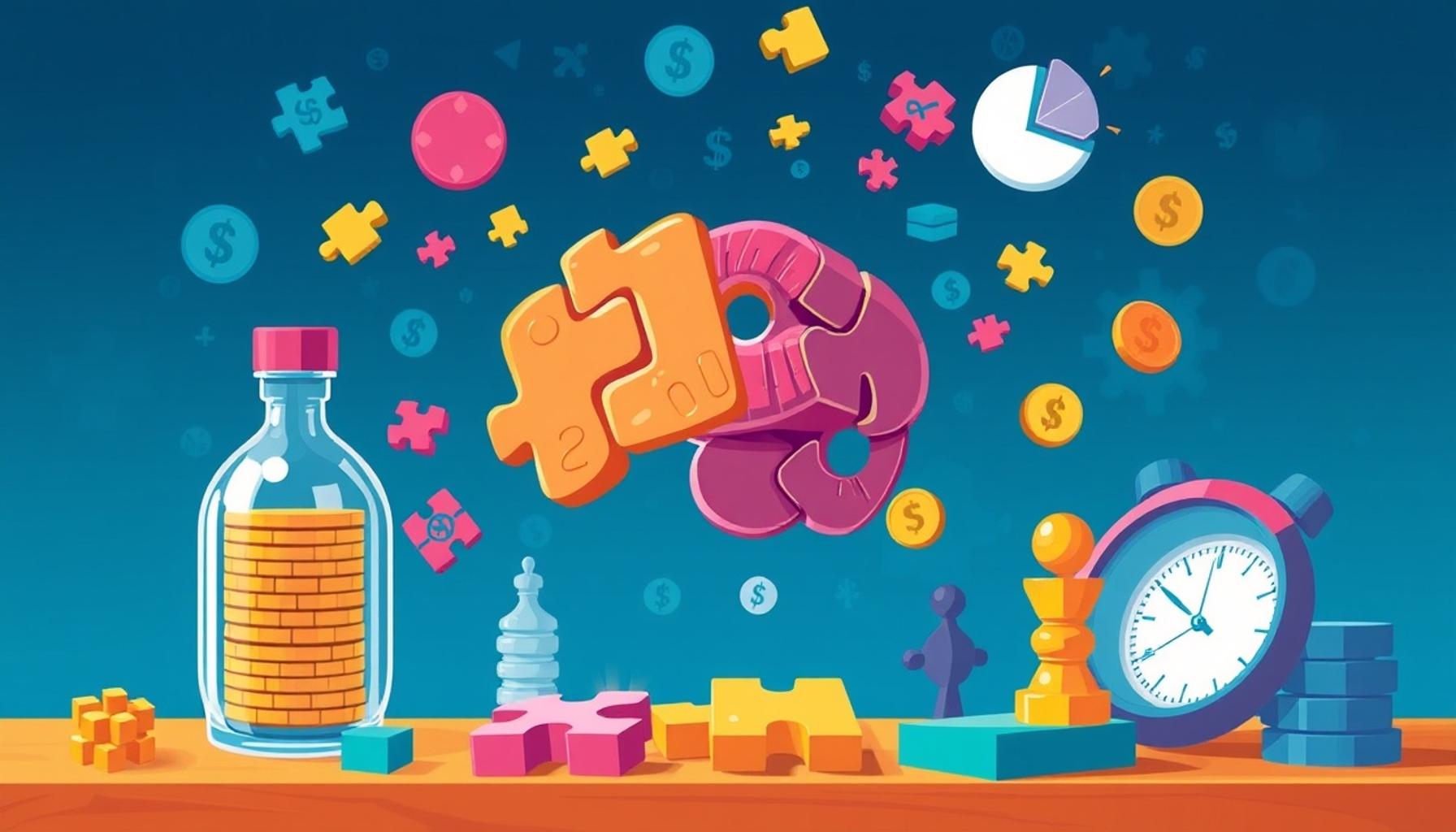
Gamification Strategies to Improve Memory in Children
The Power of Gamification in Learning
Memory is an essential component of a child’s development and ability to learn. Yet, traditional approaches focused solely on rote memorization often lack the engagement that captures young minds. One effective solution is to incorporate gamification strategies, which transform educational experiences into exciting adventures that not only hold children’s attention but also enhance their memory retention.
Gamification involves taking elements commonly found in games—such as challenges, point systems, and narratives—and applying them in educational settings. This innovative approach to learning has garnered attention from teachers and parents alike due to its proven effectiveness. Several aspects of gamification can significantly contribute to improved memory and learning outcomes:
- Interactivity: Interactive activities, such as educational quizzes, virtual scavenger hunts, or hands-on experiments, encourage active participation rather than passive absorption of information. For example, using interactive apps that allow children to manipulate numbers or letters can foster a deeper understanding of concepts, making recall easier.
- Reward Systems: Implementing reward systems, such as points, badges, or leveling up, provides intrinsic motivation for children. When they associate learning with achievement, they are more likely to engage thoroughly with the material. A study from the University of Colorado showed that students who were part of a points-based classroom model significantly outperformed their peers in recall tasks.
- Storytelling: By weaving educational content into captivating stories, children find it easier to connect and remember information. Utilizing relatable characters and plots can turn abstract concepts into memorable narratives. For instance, math problems can be framed as puzzles that characters must solve to save a kingdom, making the learning experience more relatable and enjoyable.
Research underscores the positive impact of gamified learning strategies on children’s cognitive development. Games have the unique ability to transform mundane tasks into thrilling challenges. This shift not only enhances memory retention but also instills a lifelong love of learning. By allowing children to explore, fail, and succeed in a playful environment, they develop resilience and critical thinking skills that extend beyond the classroom.
As we uncover various gamification strategies, you will discover practical techniques that can effortlessly be integrated into daily routines, seamlessly fostering a richer learning experience. From simple card games that reinforce vocabulary to comprehensive educational platforms that offer entire courses in a game-like format, there are numerous avenues to make learning fun and effective.
Join us as we journey deeper into the exciting realm of gamification, revealing innovative methods that not only boost children’s memory but also enhance their overall cognitive abilities.
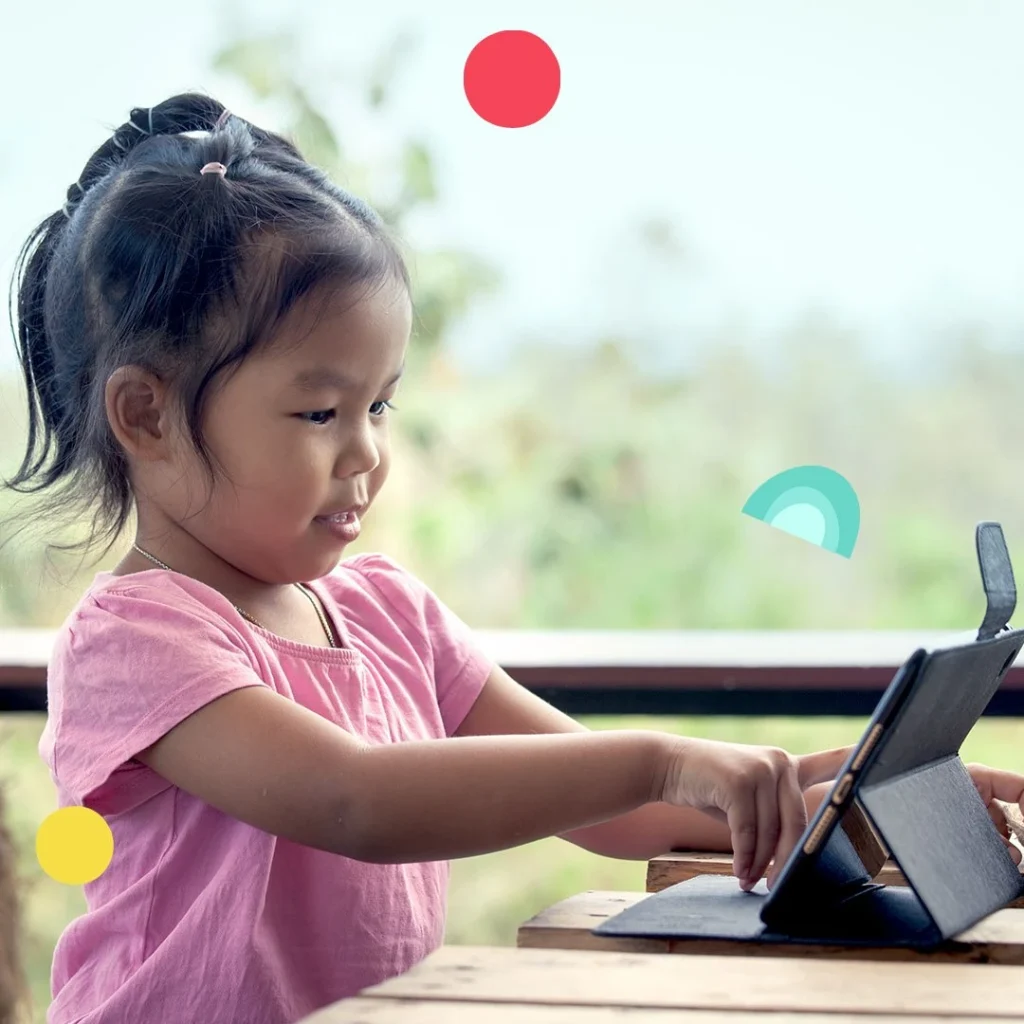
EXPLORE MORE: Click here for insights on enhancing your emotional intelligence
Engaging Techniques for Effective Learning
As the landscape of education evolves, adopting gamification strategies stands out as a remarkable approach to enhance memory in children. Strategies like competition, collaboration, and creativity can engage young learners in ways that traditional methods often fail to accomplish. In this section, we explore effective gamification techniques that are not only enjoyable but also promote greater retention of knowledge.
1. Challenge-Based Learning
Incorporating challenges into learning can turn routine study sessions into exhilarating experiences. Challenge-based learning encourages children to tackle real-world problems or tasks that require critical thinking. For instance, creating math competitions where students race against the clock to solve equations or puzzles fosters both collaboration and cognitive skills. When children face a challenge, their brains release dopamine, enhancing memory performance. This intrinsic motivation draws them into the subject matter as they find enjoyment in overcoming obstacles.
2. Interactive Learning Environments
Interactive learning environments can transform lessons into dynamic experiences. Technology plays a significant role here, providing platforms such as educational games and interactive simulations that allow children to practice their skills in a fun and engaging way. Using digital tools, educators can design activities where students earn points for completing various tasks, such as quizzes or skill-building activities. This not only aids memory retention but also accelerates their learning process through immediate feedback and reinforcement.
3. Social Learning through Team Dynamics
Group activities that leverage team dynamics can significantly improve memory and retention. Children learn more efficiently when working together towards a common goal, such as completing a project or participating in a quiz show format. Known as cooperative learning, this method emphasizes social interaction, leading to enhanced understanding and recall. Teachers can implement group challenges where teammates support each other in remembering facts and concepts, thereby creating a collaborative learning atmosphere that resonates with young minds.
4. Incorporating Visual and Kinesthetic Learning
Utilizing visual and kinesthetic elements in gamification makes learning more holistic. Many children respond well to visualizations, such as charts and infographics, which aid memory by providing a clear picture of concepts. Creating physical activities linked to the material—like using movements or gestures while reciting facts—can further embed information in their memory. For example, using flashcards in a physical scavenger hunt reinforces vocabulary by combining movement with learning, stimulating both body and brain.
- Challenge-Based Learning: Competitive tasks encourage cognitive development and retention.
- Interactive Learning Environments: Digital platforms that enable immediate feedback foster engagement.
- Social Learning: Cooperative activities provide support and enhance recall through peer interaction.
- Visual and Kinesthetic Approaches: Combining visuals with movement allows for a deeper understanding of concepts.
As these strategies suggest, gamification is not merely a trend but a powerful tool in education. By harnessing the excitement of games, parents and educators can create a robust foundation for children, allowing them to acquire knowledge while simultaneously boosting their memory. The integration of these techniques promises not just a more enjoyable learning experience but a significant leap in cognitive ability for young learners.
| Gamification Element | Benefits for Memory Improvement |
|---|---|
| Points and Rewards | Incentivizes learning through recognition and boosts motivation. |
| Challenges and Quests | Promotes active engagement and encourages strategic thinking to improve retention. |
| Leaderboards | Fosters a competitive spirit, pushing children to improve their skills consistently. |
| Memory Games | Utilizes visual aids and contextual learning to enhance memory recall. |
Gamification strategies are not simply about introducing fun; they integrate cognitive science principles to improve memory function in children. By incorporating elements such as points and rewards, children become motivated learners, valuing their academic journey. Moreover, challenges and quests allow them to immerse themselves in new concepts actively, improving their cognitive connections. Leaderboards introduce a friendly competitive atmosphere, driving them to excel further. Lastly, memory games offer an interactive way to naturally engrain information in their minds. These techniques demonstrate significant potential in transforming dull lessons into engaging activities that capture children’s interests while enhancing their memory skills. Exploring various platforms that offer such gamified learning experiences can lead parents and educators to great resources, igniting a passion for learning among children. This movement toward gamified education is paving the way for a new era in childhood learning methods, opening the door to discovery and innovation.
DISCOVER MORE: Click here to learn about the impact of puzzle apps
Innovative Approaches to Engage Young Minds
The implementation of gamification strategies in education opens doors to a variety of innovative approaches that can significantly bolster memory retention in children. Beyond traditional techniques, incorporating modern trends and technologies enhances engagement and optimizes learning outcomes. This section delves into emerging methods that push the boundaries of conventional education, fostering an environment where children not only learn but thrive cognitively.
5. Storytelling and Narrative-Based Learning
Children are naturally drawn to stories, making storytelling an effective tool for memory enhancement. By embedding educational content within engaging narratives, educators can create memorable learning experiences. For instance, children could embark on a quest where they must solve challenges related to the subject matter to advance the plot. The emotional connection to the story helps solidify the information, as memory is often enhanced by the context in which it is learned. Educators can leverage this by designing story-driven games that align with curricula across subjects, from history to science.
6. Mobile Learning Applications
With the near ubiquity of smartphones and tablets, mobile learning applications have risen to prominence as a dynamic resource for gamification. These apps can offer interactive content, quizzes, and unique challenges that children can engage with on-the-go. For example, language-learning apps such as Duolingo use game mechanics, including levels, achievements, and daily goals to encourage consistent practice and memory retention. Research shows that regular use of such apps not only enhances retention but also supports self-directed learning, which is pivotal in developing lifelong learners.
7. Incorporating Augmented Reality (AR)
The advent of augmented reality (AR) presents exciting possibilities for gamified learning. AR can superimpose digital information onto the real world, allowing children to interact with lessons in immersive ways. For example, 3D models of the solar system can be viewed and manipulated using AR applications, facilitating a deeper understanding of complex concepts. This tactile interaction has been shown to improve memory by creating unique experiences that children can recall with greater clarity. Educators can harness AR technology in subjects such as biology or geography, enriching traditional learning with multi-sensory experiences.
8. Reward Systems and Badges
Establishing reward systems can enhance motivation and foster a greater desire to learn. Implementing a system where children earn badges or points for completing tasks not only gamifies the learning process but also reinforces their efforts. These tangible rewards serve as positive reinforcement, encouraging children to engage more deeply with the material. For instance, teachers might set up a classroom leaderboard where students track their progress on math problems, gaining recognition that motivates further academic pursuits. The psychological impact of rewards is significant, leading to increased effort and improved memory retention.
- Storytelling Techniques: Embedding educational content in narratives improves emotional engagement and memory.
- Mobile Learning Apps: Interactive platforms encourage consistent practice and support self-directed learning.
- Augmented Reality: Tactile interactions with digital content enhance understanding and memory retention.
- Reward Systems: Badges and points motivate children and reinforce learning through positive reinforcement.
These innovative strategies demonstrate that gamification is not just about making learning playful; it is a methodical approach to effectively engage children and strengthen their memory retention. The fusion of education and entertainment is revolutionizing the learning landscape, ultimately paving the way for a more inquisitive and knowledgeable generation.
DISCOVER MORE: Click here
Conclusion: Shaping Cognitive Growth Through Gamification
In conclusion, the integration of gamification strategies into educational frameworks holds immense potential for enhancing memory retention among children. With the proliferation of technology and innovative teaching methods, educators are uniquely positioned to harness the captivating nature of games to facilitate deeper learning experiences. From storytelling techniques that engage emotional connections to interactive mobile learning applications that promote self-directed study, each strategy is designed to resonate with young minds and encourage active participation.
The incorporation of augmented reality serves as a testament to how modern technology can transform traditional lessons into memorable encounters. Through immersive experiences, children can interact with core concepts in ways that ignite curiosity and foster retention. Furthermore, the establishment of reward systems reinforces positive behaviors, motivating children to pursue learning with enthusiasm while solidifying their understanding of various subjects.
As we continue to explore and refine these approaches, it is crucial for educators and parents alike to remain informed about the evolving landscape of educational gaming. By embracing gamification, we not only entertain but also empower the next generation with efficient tools that enhance cognitive function and foster a lifelong love of learning. Ultimately, investing in these strategies today promises dividends in nurturing inquisitive, engaged, and knowledgeable individuals tomorrow.
Related posts:
The Role of Strategy Games in Strengthening Memory Skills: A Deep Dive into Cognitive Benefits
How logic challenges can enhance memory and problem-solving skills
Digital memory games: how they impact information retention
Unlocking Your Brain's Potential: The Role of Brain Teasers in Memory Enhancement
The impact of strategy games on mental agility and memory
The role of board games in cognitive stimulation and memory

Linda Carter is a writer and puzzle expert specializing in mind games, brain teasers, and cognitive challenges. With extensive experience helping individuals enhance their problem-solving skills and think critically, Linda shares her knowledge on our platform. Her goal is to empower readers with practical advice, engaging puzzles, and strategies to sharpen their minds and achieve success in the captivating world of mind games and puzzles.